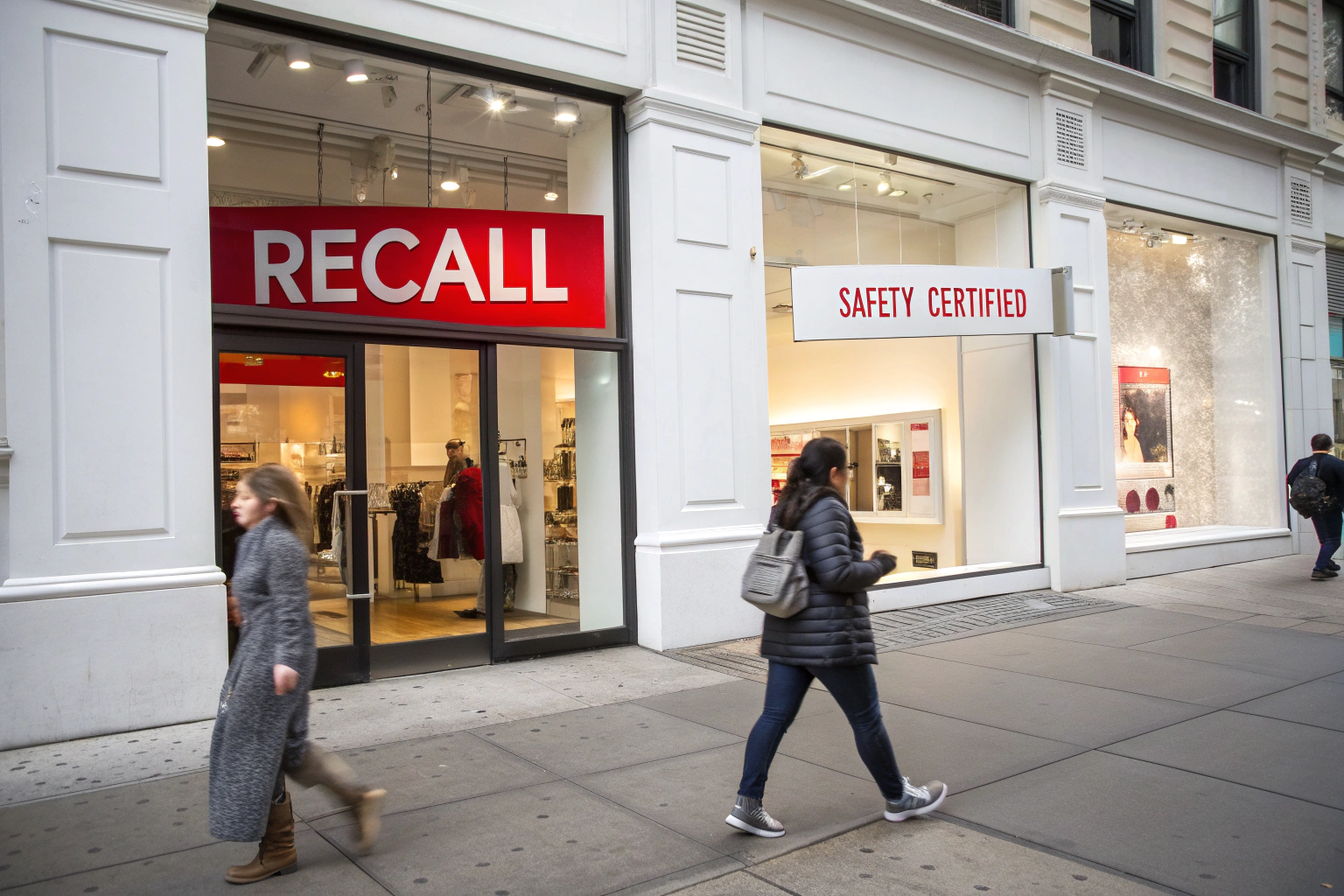
You've spent years building your fashion brand. The logos are perfect, the marketing is sharp, and your customers love your style. Then, one day, an email arrives: a customer complains of a severe skin rash from your newest line. Then another. Then a retailer pulls your products. A blog picks up the story. Within 48 hours, your brand is trending for all the wrong reasons. This isn't a nightmare scenario - it's what happens when product safety fails. I've seen brands collapse from a single batch of chemically contaminated fabric. Your reputation, your most valuable asset, can be destroyed faster than you can issue a press release.
So how do you build an unbreakable defense? The answer lies in something most fashion entrepreneurs consider boring: certification. Specifically, CMIA (China Metrology and Inspection Association) certification isn't just paperwork - it's your brand's immunological system. It's the documented proof that you've done your due diligence, that your products meet international safety standards, and that you take your customers' wellbeing seriously. In today's transparent world where consumers investigate before they buy, certification isn't an option - it's your brand's armor.
This guide will show you exactly how CMIA certification functions as your reputation's first and strongest line of defense. We'll move beyond technical jargon to practical protection - how it prevents crises, builds consumer trust, creates legal safeguards, and ultimately becomes a competitive advantage that makes your brand more valuable. Your reputation deserves more than hope; it deserves proof.
The Invisible Threats: What CMIA Testing Actually Prevents
Before we can understand how certification protects, we need to understand what it protects against. The dangers aren't visible to the naked eye - they're molecular. When customers talk about "quality" in fashion, they usually mean stitching, fabric feel, or color. But true quality starts at the chemical level, where invisible threats lurk in poorly manufactured textiles.
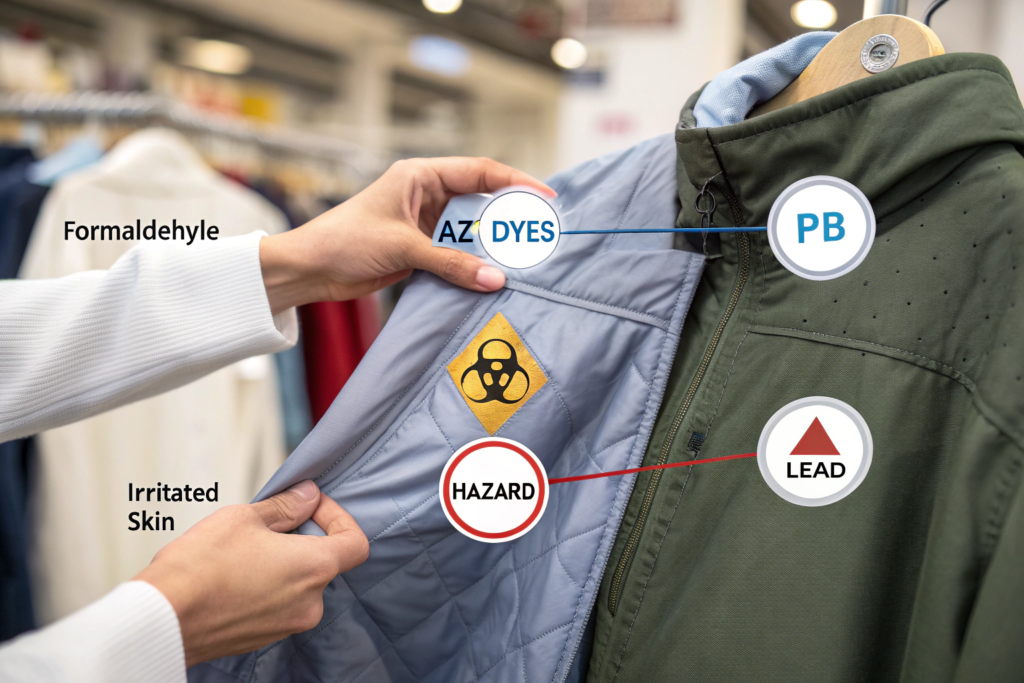
CMIA certification tests for specific, regulated hazards:
- Formaldehyde: Often used in "wrinkle-free" or "shrink-resistant" finishes. Can cause contact dermatitis, allergic reactions, and respiratory problems. Long-term exposure is classified as carcinogenic.
- Banned Azo Dyes: When these dyes break down through sweat or friction, they release aromatic amines - chemicals linked to cancer.
- Heavy Metals (Lead, Cadmium, etc.): Found in some pigments, especially in prints and dark dyes. These accumulate in the body, potentially causing neurological damage and developmental issues in children.
- pH Imbalance: Skin maintains a delicate pH balance (~5.5). Fabrics that are too alkaline or acidic can disrupt this, leading to irritation, dryness, and conditions like eczema.
These aren't theoretical risks. In 2021, a major European fast-fashion brand had to recall 30,000 children's dresses after tests revealed excessive levels of lead in the screen-printed designs. The brand's stock price dropped 8% in a week, and the incident dominated fashion news for months. Their supplier had provided generic compliance statements but no batch-specific CMIA testing. That missing document cost them millions in direct losses and incalculable brand damage.
The Ripple Effect of a Single Safety Failure
One contaminated batch creates multiple reputation crises simultaneously:
- Consumer Trust Erosion: The direct customers affected become vocal detractors. Their social media posts and reviews create lasting digital scars.
- Retailer Relationships Shattered: Retail partners face their own backlash and financial loss. They may drop your line entirely or impose punishing new requirements.
- Media Amplification: What starts as a customer complaint can become investigative journalism about "toxic fashion."
- Regulatory Scrutiny: Once flagged, future shipments may face enhanced inspections, causing delays and additional costs.
- Internal Morale Collapse: Your team faces crisis management instead of brand building.
Certification acts as a circuit breaker for this chain reaction. When you can immediately produce a valid CMIA certificate showing the batch passed safety tests, you transform the narrative from "brand sells dangerous products" to "isolated issue being investigated." This distinction is everything.
How Certification Creates a Preventative Culture
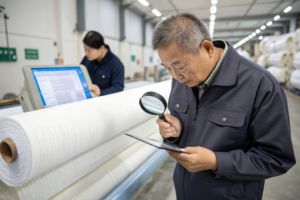
Choosing CMIA-certified manufacturers does more than secure documents - it forces your entire supply chain to adopt a safety-first mindset. Certified factories implement source inspection protocols for fashion accessories and trims because they know every component must comply. They maintain chemical inventories, track dye lots, and document washing processes. This systemic approach prevents problems rather than reacting to them. When we work with new designers at Shanghai Fumao, we walk them through our testing protocols. One client was surprised when we asked about the metal components on their jackets. "But it's just a zipper," they said. We tested it anyway - and found nickel levels above EU REACH limits. That $150 test potentially saved their brand from a major allergen scandal.
From Defense to Offense: Building Trust Through Transparency
Modern consumers, especially Millennials and Gen Z, don't just buy products - they buy values and stories. They expect radical transparency. CMIA certification, when communicated authentically, transforms from a defensive compliance tool into a powerful trust-building and marketing asset.
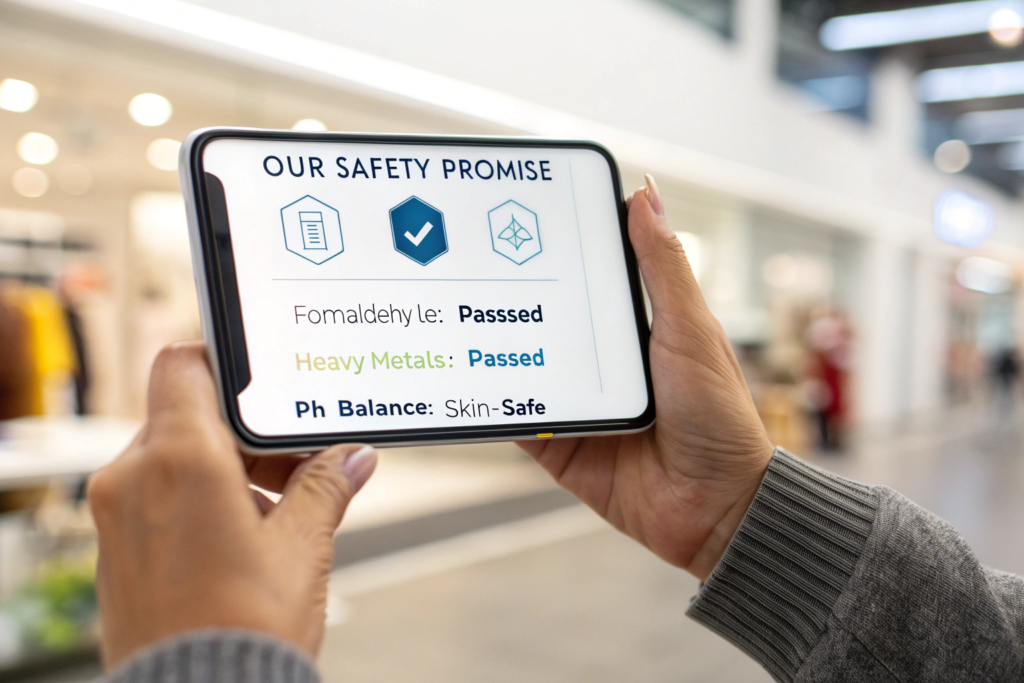
Think of it this way: anyone can claim their products are "safe" or "non-toxic." But can they prove it? Certification provides the proof. This allows you to move from vague claims to specific, verifiable promises. For instance, instead of saying "skin-friendly," you can say "independently tested against 300+ harmful substances including formaldehyde and heavy metals, meeting GB 18401 safety standards." This specificity carries weight.
A 2023 consumer survey by the Fashion Transparency Index found that 68% of shoppers are more likely to trust brands that provide detailed information about their manufacturing and safety standards. Yet less than 25% of major brands share this level of detail. This is your opportunity. By making your certification part of your brand story, you're not just meeting expectations - you're exceeding them.
Practical Ways to Communicate Your Certification
- On Your Website: Create a dedicated "Quality & Safety" page. Don't just show certificates - explain what they mean in simple language. What do you test for? Why does it matter for the wearer?
- On Product Pages: Include a "Safety Standards" section alongside care instructions. Use simple icons for key passed tests.
- On Physical Tags: Add a line like "Safety tested against international standards" with a QR code linking to more information.
- In Marketing Content: Share behind-the-scenes content. Show your team reviewing lab reports or visiting certified factories. This builds narrative around your diligence.
- During Crisis Response: If ever questioned, you have prepared, credible documentation to share publicly, demonstrating responsibility rather than evasion.
A sustainable activewear brand we partner with does this exceptionally well. They include a "Transparency ID" on each garment's tag - a QR code that links to a page showing not just the CMIA report for that fabric batch, but also the factory audit reports and water consumption data from dyeing. Their customers feel like insiders, and their return rate is 40% below industry average. Trust, once built, translates directly to loyalty.
The Competitive Advantage of Verifiable Safety
In crowded markets, differentiation is everything. When two similar shirts sit side-by-side online or in store, the one that can verifiably promise safety has a decisive edge, especially in categories touching sensitive skin: underwear, athletic wear, baby clothing, and bedding.
This advantage compounds in wholesale and B2B relationships. Retail buyers, particularly for department stores or eco-conscious marketplaces, carry immense liability. They increasingly require documented proof of compliance before they'll even consider a line. Your CMIA certification isn't just protecting you - it's making their job safer. It becomes a key that opens doors. We've seen Shanghai Fumao clients use our comprehensive certification packages to successfully pitch major retailers that had previously turned them away for lacking sufficient documentation.
The Legal and Financial Shield: Quantifying Protection
Reputation damage has a direct financial cost. Let's quantify what certification protects you from:
- Recall Costs: A full-scale recall involves logistics, refunds, replacements, and public relations management. For a small to medium brand, a single recall can cost $250,000+ and bankrupt the business.
- Regulatory Fines: Agencies like the US CPSC or EU RAPEX can impose significant fines for non-compliant products. These often start in the tens of thousands of dollars per violation.
- Liability Lawsuits: If a customer is harmed, you face product liability claims. Medical costs, pain and suffering, and punitive damages can reach millions.
- Lost Sales and Stock Value: The indirect impact - lost future sales from damaged reputation - often exceeds all direct costs combined.
Here’s where CMIA certification becomes your legal shield. In the event of a dispute or claim, the certificate serves as documented evidence of "due diligence." You can demonstrate to regulators, courts, or insurers that you took reasonable, industry-standard steps to ensure product safety. This can:
- Reduce or eliminate fines if you can prove the supplier provided fraudulent documentation.
- Strengthen your position in liability cases.
- Support claims against your suppliers for breach of contract.
- Satisfy retailer indemnity requirements.
Consider it your supply chain insurance policy. The cost of certification (typically 0.5%-2% of product cost) is minuscule compared to the potential losses it protects against.
A Real-World Case: The Cost of "Saving" on Certification
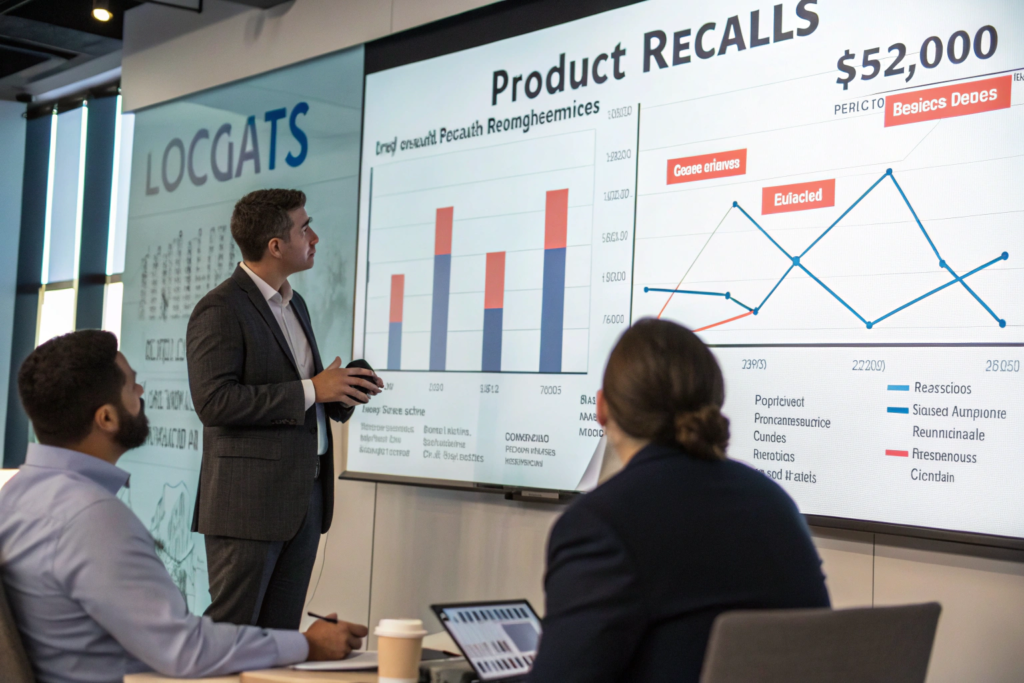
In early 2023, an emerging Los Angeles-based fashion brand (let's call them "Urban Threads") faced a decision. They were producing their bestselling organic cotton joggers. Their long-term factory, which was CMIA certified, quoted $12.50 per unit. A new factory offered $10.75 - a 14% saving on a 5,000-piece order. The founder chose the cheaper option, accepting the factory's verbal assurance of quality.
The shipment arrived. Two weeks after launch, the complaints started: customers reported intense itching and rashes. Independent testing revealed formaldehyde levels 5x above the Class B limit for direct skin contact. The likely cause: the factory used a non-compliant anti-wrinkle spray to meet the delivery date.
The Financial Aftermath:
- Full Recall & Refunds: $65,000
- PR Crisis Management Firm: $25,000
- Lost Inventory Write-off: $53,750
- Legal Retainer: $15,000
- Estimated Lost Future Sales (12-month projection): $200,000+
- Total Impact: $358,750+
The "savings" on that order was $8,750. The cost of that decision was over 40 times greater. Urban Threads' brand never recovered its early momentum. This story, with variations, repeats itself constantly. The factory that offered the lower price is no longer in business. The certified factory they left? It's now the exclusive supplier for a competitor that's thriving.
Implementing a Certification-First Strategy: Your Action Plan
Protecting your reputation proactively requires system-building, not just document-collecting. Here is your actionable framework:
Phase 1: Supplier Vetting & Onboarding
- Mandate Certification: Make valid, batch-specific CMIA certification a non-negotiable requirement in your supplier questionnaire.
- Verify, Don't Trust: Use the verification methods from our previous guides. Check CNAS accreditation, scan QR codes, confirm batch numbers.
- Audit the System: Ask how they maintain compliance. Visit if possible. Do they test every batch? How do they control raw materials?
- Start with a Pilot: For new certified suppliers, run a small test order through the full process before committing to large volumes.
Phase 2: Integration into Your Workflow
- Update Your Tech Packs: Include a clear "Compliance Standards" section referencing required certifications (e.g., "Fabric must comply with GB 18401 Class B, with certificate provided").
- Build it into Contracts: Specify that shipment is contingent upon receipt of valid certification for the production batch. Define consequences for non-compliance.
- Create Internal Protocols: Designate who receives, verifies, and files all certificates. Use digital tools for easy access during audits or crises.
- Educate Your Team: Ensure your design, production, and customer service teams understand why certification matters and how to talk about it.
Phase 3: Ongoing Monitoring & Relationship Building
- Treat Certified Suppliers as Partners: Invest in the relationship. Their stability is your stability. Visit them, understand their challenges.
- Conduct Regular Audits: Don't let verification be a one-time event. Schedule periodic checks, even if just reviewing recent certificates.
- Stay Updated on Standards: Safety regulations evolve. Work with partners who are proactive about updating their practices. Subscribe to updates from authorities like the International OEKO-TEX® Association for broader ecological standards.
Phase 4: Communication & Brand Building
- Develop Your Transparency Narrative: How will you tell this story to your customers? Be authentic, not boastful.
- Prepare Crisis Response Templates: Hope for the best, plan for the worst. Have draft statements that can quickly incorporate your certification evidence.
- Leverage in Sales & Wholesale: Include certification in your line sheets and pitch decks as a key differentiator.

The Role of a Vertical Partner like Shanghai Fumao
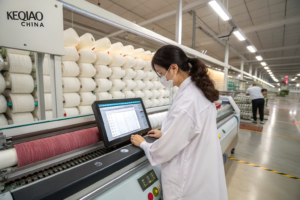
For brands that cannot manage this complex, ongoing due diligence across multiple disconnected factories, partnering with a vertically integrated supplier is a force multiplier. At Shanghai Fumao, certification isn't something we add on - it's built into our production DNA from the fiber stage. Our CNAS-accredited lab tests our fabrics as standard procedure. When you work with us, you're not just buying fabric or garments; you're buying into a controlled, documented system. We provide a coherent compliance package for the entire product, serving as your single point of accountability. This dramatically simplifies your risk management from monitoring multiple suppliers to partnering with one verified source. For a growing brand, this integrated approach is often the difference between scalable, secure growth and chaotic, risky expansion.
Conclusion
Your brand's reputation is the sum of every promise you keep and every expectation you meet. In fashion, the most fundamental promise is this: "This product will not harm you." CMIA certification is how you prove you're keeping that promise. It transforms safety from an assumption into a verified fact.
This protection operates on multiple levels: it prevents physical harm to customers, prevents financial and legal harm to your business, and builds the intangible but priceless asset of consumer trust. In an era where information is transparent and crises amplify instantly, this certification is no longer a nice-to-have for export-focused brands—it's essential business infrastructure.
The investment in certified manufacturing is ultimately an investment in your brand's longevity and value. It allows you to grow with confidence, scale with security, and face the market with proof of your integrity. Your reputation is your legacy. Protect it with more than good intentions—protect it with proof.
Ready to build your brand on an unshakable foundation of verified safety and quality? Partner with a supplier whose systems are designed to protect your reputation as fiercely as you do. At Shanghai Fumao, we provide more than materials—we provide certainty. From our vertically controlled production to our transparent certification processes, we help you build products worthy of your brand's promise. Contact our Business Director, Elaine, to discuss a partnership where your reputation is our shared priority: elaine@fumaoclothing.com.