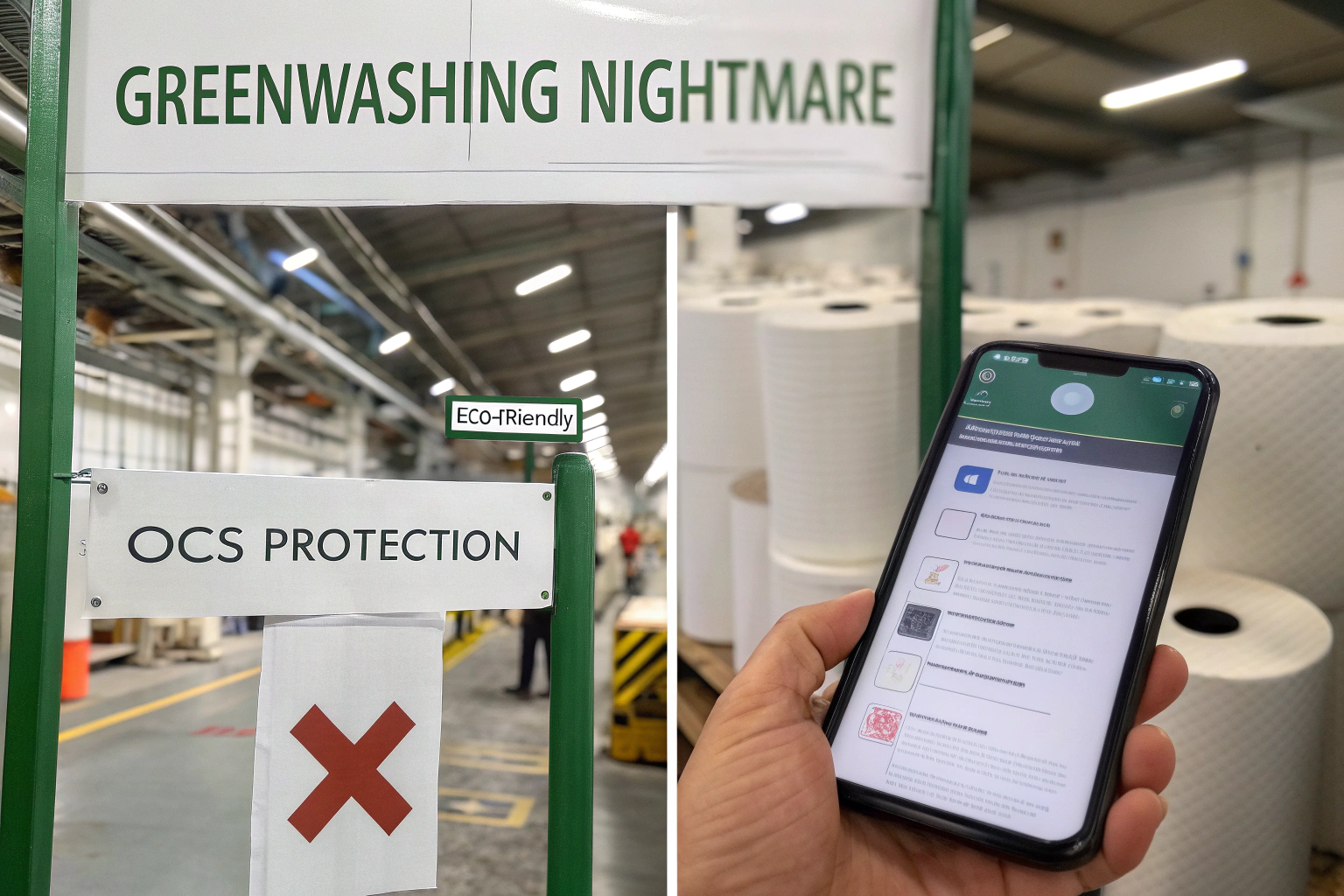
Let's face it: "sustainable" and "organic" have become the most overused—and often misleading—terms in fashion. As a brand owner or buyer, you're under constant pressure to make eco-friendly claims. But what happens when a consumer activist, a savvy retailer like Nordstrom, or a regulatory body like the FTC questions your "100% organic cotton" label? Without verifiable proof, you're exposed to accusations of greenwashing—a reputation-destroying, sales-killing crisis. This is where OCS (Organic Content Standard) certification shifts from being an optional credential to your essential legal and commercial shield.
At Shanghai Fumao, we've seen the fallout firsthand. In late 2023, a mid-sized US brand faced a social media firestorm after a blogger's independent test found their "premium organic" tee contained less than 30% organic cotton. Their supplier had provided only a vague "certificate of compliance." The brand's credibility evaporated overnight. This is the multi-million dollar risk OCS certification is designed to eliminate. It protects your brand by replacing subjective marketing claims with an objective, auditable, and legally defensible chain of custody.
Think of OCS not as a sustainability certificate, but as a forensic accounting system for your fabric. It doesn't just say something is organic; it documents, step-by-step, how and where the organic content flowed through the entire supply chain. This transforms your green claim from a vulnerable slogan into an armored, fact-based statement.
OCS vs. Greenwashing: The Proof-is-in-the-Paper Trail.
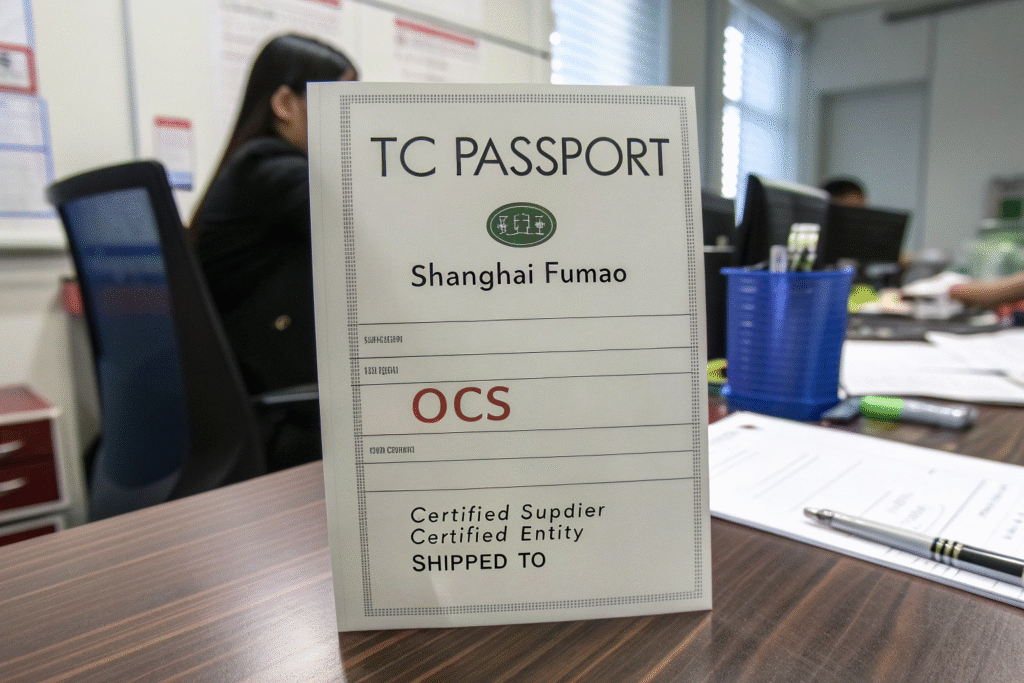
Greenwashing thrives in ambiguity. It uses terms like "made with organic materials" or "eco-conscious" without defining percentages, origins, or verification methods. OCS certification kills ambiguity with a relentless focus on material traceability and mass balance. The standard's entire framework is built to answer one question: "Can you prove it?" For your brand, this proof is contained in the Transaction Certificate (TC)—a document that is generated not by marketing, but by the physical movement of certified goods.
Every OCS-certified batch we produce at Shanghai Fumao comes with this TC passport. It lists the exact percentage of organic content, the certified supplier it came from, and the certified entity it was shipped to. This creates an unbroken, auditable trail from the farm to your cutting room. If anyone challenges your claim, you don't need to make excuses; you present this documented, third-party-verified paper trail. It's the difference between saying "we trust our supplier" and saying "here is the evidence."
How does the OCS audit process specifically prevent false claims?
The OCS audit is designed to catch discrepancies that greenwashing relies on. Auditors from bodies like Control Union don't just review our paperwork; they act as supply chain detectives. They perform mass balance checks, comparing the weight of organic yarn we purchased (supported by TCs) against the weight of certified fabric we sold. If we claim to output 10,000kg of OCS fabric, we must account for 10,000kg of OCS input, minus a small, scientifically valid loss.
Attempting to blend in conventional cotton to cut costs would immediately break this balance. The output weight would exceed the certified input, raising a red flag. In early 2024, we audited a potential new dyeing partner. Their records showed a 5% increase in weight after processing OCS yarn—a physical impossibility that pointed to undisclosed blending. We rejected the partnership. This rigorous, numbers-based verification is what makes OCS a trustworthy system. You can learn more about this anti-fraud mechanism through resources on textile mass balance verification to avoid greenwashing.
What's the legal value of an OCS Transaction Certificate?
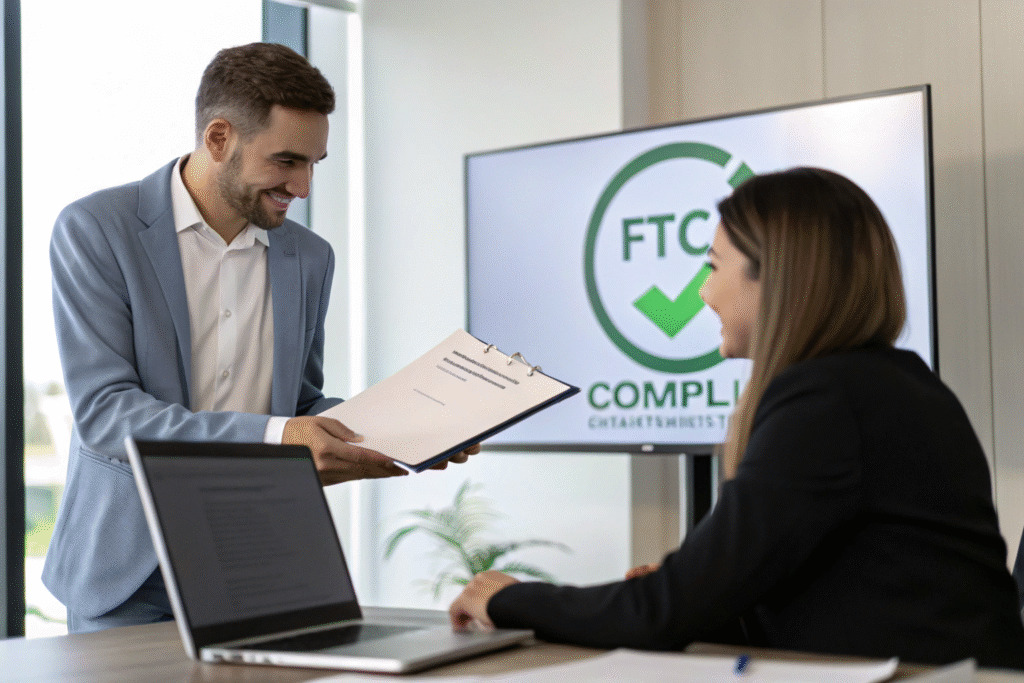
In jurisdictions like the United States (Federal Trade Commission Green Guides) and the European Union (unfair commercial practices directives), making unsubstantiated environmental claims can lead to hefty fines, injunctions, and mandatory corrective advertising. An OCS TC is not a marketing brochure; it is a standardized legal document that constitutes prima facie evidence to support your content claims.
For example, if the FTC questioned your "made with 95% organic cotton" label, presenting the complete chain of OCS TCs demonstrates "competent and reliable evidence" to substantiate it, which is the FTC's requirement. This shifts the legal burden. Without it, you're defenseless. We advise all our clients, like a sportswear brand from Colorado we worked with in 2023, to file these TCs with their product compliance records. It's a fundamental step in building a legally defensible sustainability claims framework.
From Marketing Slogan to Verifiable Story: Building Consumer Trust.
Today's consumers, especially Gen Z and millennials, are "belief-driven buyers." They don't just buy a product; they buy the story behind it. But they are also increasingly skeptical and digitally armed to investigate. A vague "green" story collapses under scrutiny. OCS certification allows you to tell a specific, verifiable, and compelling story about your product's journey.
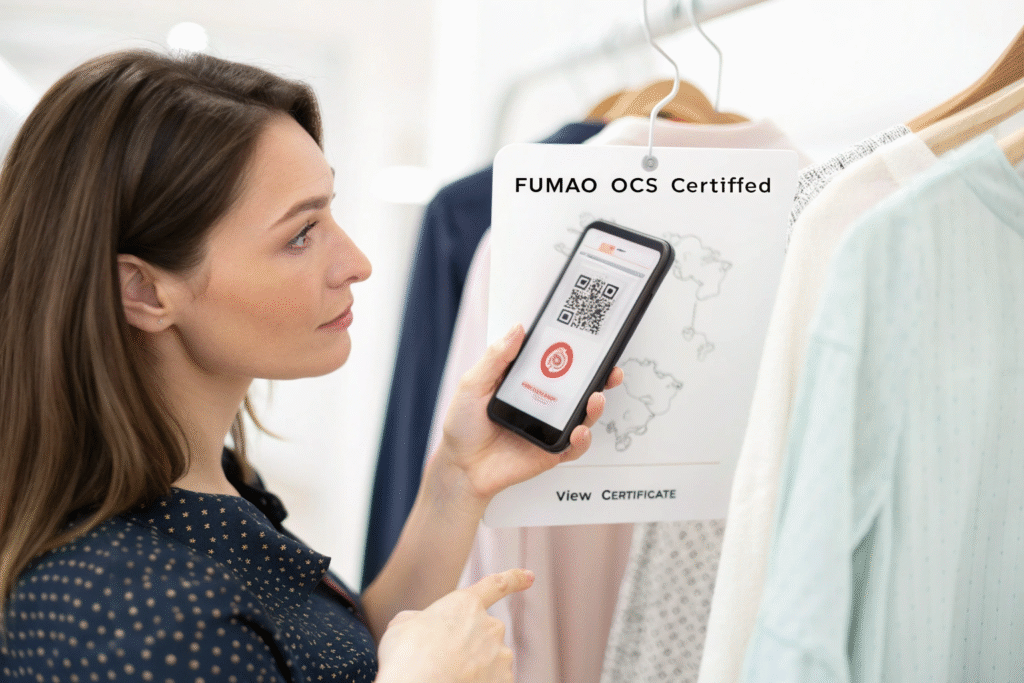
With OCS, you can move from saying "Our t-shirt is organic" to "Our t-shirt is made with 100% organic cotton, traced from farm to fabric under the Organic Content Standard (License #CU-XXXXX). Scan the QR code to see the journey." This transparency is a powerful trust signal. It invites scrutiny because it can withstand it.
How can brands communicate OCS certification effectively to customers?
The key is transparency, not just a logo. We recommend a layered communication approach:
- On the Hangtag/Label: Use the OCS logo with the specific claim (e.g., "OCS 100 Certified Organic Cotton").
- On your Website: Create a dedicated "Sustainability & Proof" page. Feature images of the actual TC (with sensitive data blurred) and explain what OCS means in simple terms.
- In Marketing: Talk about the process of certification—the audits, the segregation, the traceability—not just the outcome. This demonstrates a deeper commitment.
A client of ours, a direct-to-consumer linen brand from Australia, did this brilliantly. They posted a short video on Instagram showing how our OCS-certified linen yarn was kept separate in our warehouse. The caption explained the "why" behind certification. Engagement on that post was 300% higher than their average, driving real conversation about authenticity. This taps into the growing consumer desire explored in consumer demand for transparent supply chains in fashion.
What happens when a consumer or NGO investigates your claim?
This is the moment of truth. Without OCS, your response is limited to sharing supplier assurances, which holds little weight. With OCS, you have a clear, third-party-authorized response protocol. You can provide:
- Your product's unique Transaction Certificate number.
- The certification body's public database where the certificate can be verified (e.g., Control Union's directory).
- A clear map of the supply chain steps covered by the certification.
This turns a potential crisis into a trust-building opportunity. You demonstrate that you have nothing to hide. In contrast, greenwashing unravels quickly because the evidence isn't there. (Here's a real talk point: the cost of OCS certification is far lower than the cost of a single influencer-led campaign accusing you of greenwashing.)
The Competitive Edge: OCS as a Gatekeeper for Retailer Partnerships.
Major retailers and e-commerce platforms are your most critical gatekeepers, and they are terrified of greenwashing scandals in their stores or on their marketplaces. As a result, they are imposing increasingly strict sustainability documentation requirements on their vendors. OCS certification is rapidly becoming a pre-qualification requirement, not a differentiation, for selling to tier-1 retailers.
We have direct experience with this shift. In 2023, a large European department store group issued a mandate to all its apparel suppliers: any product making an organic fiber claim must be backed by either OCS or GOTS certification, with TCs provided upon shipment. Brands without it were given 12 months to comply or face delisting. For our clients, this was a non-issue—they were already prepared.
How do retailers like Amazon or Target verify OCS claims?
They are moving from trust-based to verification-based systems. Increasingly, their vendor portals have dedicated upload sections for sustainability certificates. For claims like "organic cotton," they may:
- Require the OCS certificate of the final manufacturer (e.g., Shanghai Fumao).
- Request batch-specific TCs for the products being shipped.
- Use third-party verification services to spot-check supplied documentation against certification body databases.
A brand selling on a major platform that cannot provide this when asked will have its listings suspended until "documentation is provided and verified." This can halt sales for weeks. Our systems are built to generate this documentation pack for our clients seamlessly, which is a key reason brands partnering with us gain faster approval in these retail channels. It's a practical aspect of navigating retailer sustainability compliance portals.
Does OCS help with compliance beyond organic claims (e.g., recycled content)?
Absolutely. While OCS traditionally focused on organic content, the OCS Recycled standard applies the same rigorous chain-of-custody model to recycled materials (like Recycled Polyester or Recycled Cotton). This is crucial as regulators expand focus to include recycled content claims.
For instance, if you're making a "made with 50% recycled polyester" claim, OCS Recycled provides the same forensic proof. We utilize this for our performance fabric lines. In a project for a swimwear brand last August, we supplied a recycled nylon blend, providing OCS Recycled TCs that gave the brand the evidence needed for their B Corp certification audit. This makes OCS a versatile tool for protecting against greenwashing across multiple material types.
| Brand Risk Area | Without OCS Protection | With OCS Protection |
|---|---|---|
| Consumer Challenge | Defensive, vague responses; social media backlash. | Ability to share verifiable certificate trail, turning critique into trust. |
| Retailer Audit | Risk of delisting, frozen shipments, chargebacks. | Pre-packaged evidence for instant submission, maintaining shelf space. |
| Legal/Regulatory Inquiry | Potential for fines (FTC) or bans (EU) for unsubstantiated claims. | OCS TC serves as legally recognized substantiation. |
| Supply Chain Disruption | No recourse if supplier fraud is discovered. | Certified chain of custody allows for liability tracing and claim against suppliers. |
Implementing OCS: A Practical Guide for Brands.
Understanding the why is crucial, but the how is what separates brands that are protected from those that are vulnerable. Implementing OCS into your sourcing isn't complex, but it requires a systematic shift from price-first to proof-first thinking.
Step 1: Source from a Truly Certified Manufacturer. This is the most critical step. Verify their OCS scope certificate (ensure it covers manufacturing, not just trading) and ask for sample TCs. Shanghai Fumao provides these upfront.
Step 2: Integrate Documentation into Your QC. Make receiving the correct TC for each shipment a non-negotiable part of your quality control checklist, as important as checking color or stitches.
Step 3: Train Your Team. Ensure your marketing, procurement, and legal teams understand what the OCS certification means and the evidence it provides.

What are the first questions to ask a potential OCS supplier?
- "Can you share your valid OCS scope certificate? What specific processes are listed on it?"
- "Walk me through your physical mass balance and segregation process for an OCS order."
- "Can you provide an anonymized sample Transaction Certificate from a recent shipment?"
- "How do you manage certification for sub-processes like dyeing or finishing?"
Their answers will immediately separate credible partners from pretenders. A supplier that is genuinely certified, like us, will have clear, detailed, and instant answers. We recently hosted a virtual factory tour for a New York-based brand, specifically focusing on our OCS protocols, which secured a $200k pilot order.
How does OCS fit with a broader sustainability strategy?
OCS is a foundational content integrity standard. It should be part of a broader strategy that may include:
- GOTS: For full-process environmental and social criteria.
- GRS (Global Recycled Standard): For comprehensive recycled content claims.
- Social Compliance Audits (SMETA, BSCI): For ethical labor practices.
Think of OCS as securing the "truth" of your material claim. It's the bedrock upon which other sustainability narratives can be safely built. Resources like the Sustainable Apparel Coalition's Higg Index can help frame this holistic approach.
Conclusion
OCS certification protects your brand from greenwashing by weaponizing transparency. It replaces fragile, easily challenged marketing claims with a robust, audit-ready system of material traceability. In an era of heightened consumer skepticism, stringent retailer policies, and growing regulatory oversight, it provides the documented, third-party-verified proof that shields you from reputational damage, legal liability, and lost revenue.
The question is no longer if you need this level of protection, but how quickly you can implement it. Investing in OCS-certified sourcing is not an added cost; it is an investment in brand insurance.
Partnering with a certified, vertically integrated manufacturer like Shanghai Fumao simplifies this journey. We provide not only OCS-certified fabrics but also the expertise and transparent systems to ensure your brand's green claims are unassailable. Stop risking your reputation on promises. Start building it on proof.
Ready to fortify your brand against greenwashing? Contact our Business Director, Elaine, to discuss sourcing OCS-certified fabrics with guaranteed traceability. Email elaine@fumaoclothing.com to request our certification credentials and begin a secure partnership.