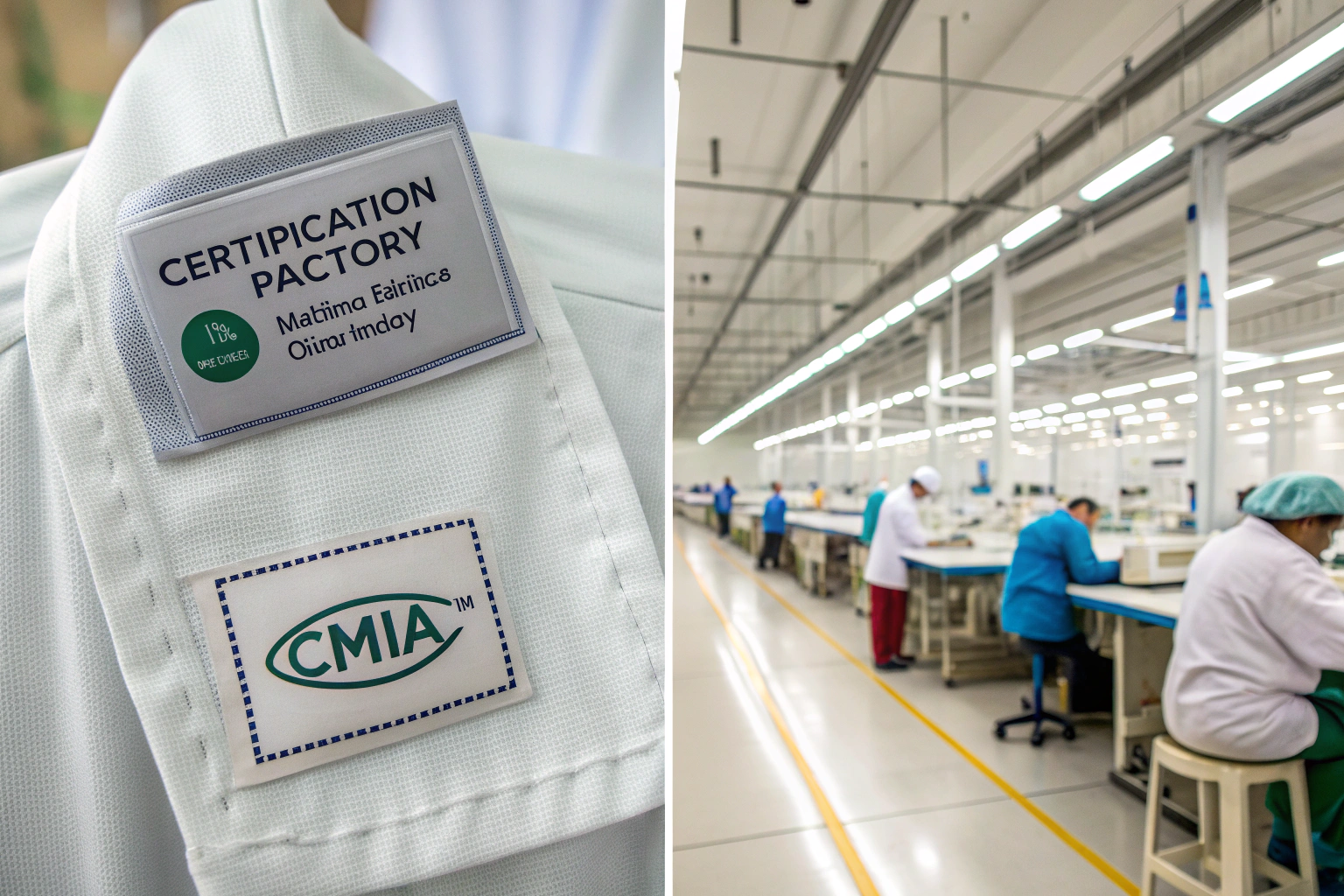
You’re looking at two kids’ hoodies. Both have the CMIA safety label. They passed the chemical and physical tests. But here’s the uncomfortable truth I’ve seen in Keqiao for 20 years: one might have been made by workers in a clean, well-lit factory with fair pay, while the other could have come from a cramped workshop with excessive overtime and questionable conditions. The CMIA certificate tells you the product is safe for the child wearing it, but it says nothing about the well-being of the person who made it. So, does CMIA guarantee ethical manufacturing? The short, honest answer is no.
CMIA (China Manufacturing Industry Association) certification is a product safety standard, not an ethical labor audit. Its scope is deliberately and specifically focused on the finished goods’ chemical, physical, and mechanical safety for the end-user. It does not cover factory working conditions, wages, hours, environmental impact, or supply chain transparency. Relying solely on CMIA for ethical assurance is like checking a car’s airbags but never asking if it was built using conflict minerals.
However, this gap isn’t a dead end—it’s a roadmap. The most responsible brands and forward-thinking suppliers use CMIA as a foundational layer and then build comprehensive ethical practices on top of it. Let’s dissect what CMIA does and doesn’t cover, and how you can identify partners who deliver both safety and ethics.
What CMIA Certification Actually Covers (And What It Misses)
To understand the guarantee, you must understand the boundaries. CMIA is a technical specification for product output. Its framework is excellent and rigorous within its lane—ensuring that a garment won’t harm a child through toxins, choking hazards, or flammability. Ethical manufacturing, however, is about human and environmental input—the process behind the product.
Think of it as a restaurant health grade. An "A" rating means the food is safe to eat (no E. coli), but it doesn’t tell you if the kitchen staff are paid minimum wage or if the ingredients are sourced sustainably. Both are important, but they answer different questions.

The Technical Safety Scope of CMIA: A Narrow Focus
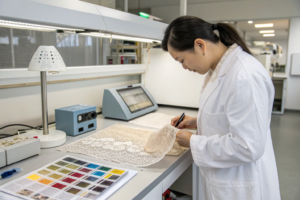
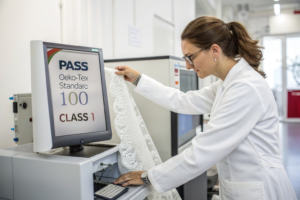
CMIA’s protocols are clear and measurable. They mandate lab tests for substances like formaldehyde, pH, and azo dyes. They require physical tests for small parts security and drawstring length. The certification is awarded to the product based on sample testing. The audit, if conducted, is primarily of the quality management system related to product safety controls, not of HR files or payroll records.
For instance, a factory can have a pristine, CNAS-accredited lab to perform all CMIA tests perfectly (we do at Shanghai Fumao), yet its sewing line workers might be on excessive overtime to meet a fast fashion brand’s brutal deadline. The lab coats and the sewing uniforms operate in different universies of compliance. This is why savvy buyers look for the key differences between product safety and social compliance audits in global supply chains.
The Critical Ethical Dimensions CMIA Does Not Address
Ethical manufacturing rests on pillars that fall entirely outside CMIA’s purview:
- Labor Practices: Fair wages, reasonable working hours, voluntary overtime, prohibition of child or forced labor, safe working environment (beyond product safety), freedom of association.
- Environmental Management: Chemical wastewater treatment from dyeing, energy consumption, material waste reduction, use of sustainable materials.
- Supply Chain Due Diligence: Transparency beyond Tier 1 (the final assembly factory) to include fabric mills, dye houses, and trim suppliers.
A stark example: In 2022, we were auditing a potential subcontractor for embroidery. They presented valid CMIA test reports for their threads. However, during our site visit, we saw no waste water treatment for their cleaning processes, and worker dormitories were substandard. We did not partner with them. Their product was “safe,” but their process was not ethical or sustainable. This decision is guided by broader frameworks like integrating SA8000 social accountability standards with traditional quality systems.
How to Identify Suppliers Who Combine CMIA with Ethical Practices?
You don’t need to abandon CMIA; you need to supplement it. The goal is to find suppliers who view product safety and ethical manufacturing as two equally critical, non-negotiable parts of their business integrity. These partners exist, but they require deeper vetting.
Look for evidence of a dual-compliance mindset. It’s reflected in their investments, their certifications, their transparency, and their long-term business relationships. They don’t see ethics as a cost; they see it as a core value that ensures stability and quality.
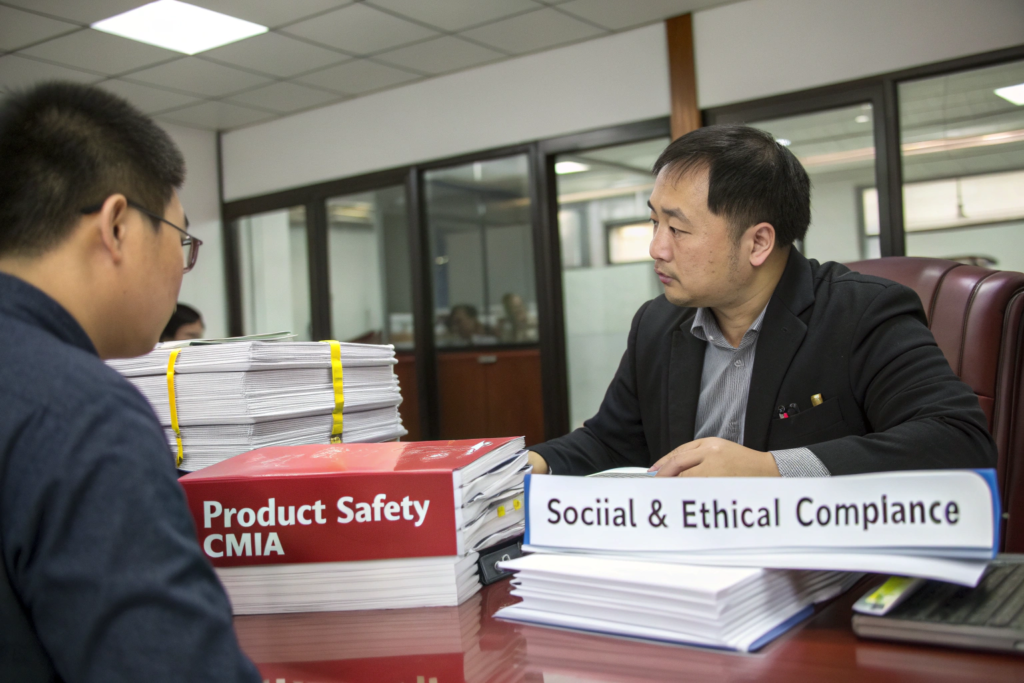
What Certifications and Audits Should You Look For Beyond CMIA?
Ask for credentials that address the process. The most recognized ones include:
- Social Compliance: BSCI (Business Social Compliance Initiative), Sedex SMETA, SA8000, or WRAP (Worldwide Responsible Accredited Production) audit reports. These assess labor standards.
- Environmental Management: ISO 14001 certification is a strong indicator of a systematic approach to reducing environmental impact.
- Holistic Sustainability: OEKO-TEX STeP certification is powerful—it evaluates environmental performance, social responsibility, and safety management in one.
At Shanghai Fumao, we pursued OEKO-TEX STeP certification for our integrated operations. This wasn’t just for marketing; it forced us to connect the dots. For example, to meet STeP’s environmental module, we had to work with our dyeing partner to track and reduce water consumption per kilogram of fabric. This improved efficiency and reduced cost, proving that ethics and economics can align. When evaluating a supplier, understanding how to cross-reference OEKO-TEX STeP and CMIA reports for complete supply chain insight is a advanced sourcing skill.
What Questions Should You Ask During a Supplier Visit?
Move beyond the showroom and the main sewing floor. Ask to see:
- Payroll and Timekeeping Systems: Can they show you anonymized records demonstrating compliance with local wage and hour laws?
- Worker Facilities: Inspect the canteen, dormitories (if applicable), and first-aid stations.
- Environmental Controls: Ask about waste water treatment (especially for printing/dyeing partners) and fabric recycling programs.
- Sub-Supplier Management: “How do you ensure your fabric mill also adheres to ethical standards?”
A telling moment during a client’s visit last year was when they asked to speak privately with a few line workers (with a translator). The questions weren’t about quality; they were about shift schedules and grievance mechanisms. Our willingness to facilitate this transparently built more trust than any certificate. It demonstrated our operational transparency in garment manufacturing for brand due diligence.
The Business Case: Why Ethics and Safety Must Be Combined?
Treating ethics as an optional add-on is a strategic risk. In today’s market, they are intertwined pillars of brand resilience. A supply chain that exploits its workers is inherently unstable—prone to high turnover, skill loss, labor disputes, and reputational scandals that can destroy a brand overnight. This instability ultimately threatens the consistent product quality and safety that CMIA certifies.
Ethical manufacturing isn’t charity; it’s smart business. It leads to a more skilled, stable, and engaged workforce, which results in higher quality output, fewer errors, and more reliable deliveries. It future-proofs your supply chain against increasing legislation (like the EU’s upcoming due diligence laws) and conscious consumer demand.

How Do Ethical Breaches Indirectly Threaten Product Safety?
Consider the chain reaction: A factory operating on razor-thin margins due to unfair pricing pressures may cut corners on both labor and material quality. To meet a low price point, they might source a cheaper, non-CMIA-approved fabric from an uncertified mill and force workers into overtime to rework defects. The stress and fatigue lead to more mistakes—a mis-sewn button that fails a pull test, a misprint that uses unapproved ink. The final product, even if it squeaks through a test, is built on a foundation of risk.
We learned this early on. When we implemented structured wage scales and capped overtime, our defect rate dropped by nearly 30% over two years. Workers were less fatigued, more attentive, and took more ownership of quality. The correlation between worker well-being and production quality metrics is well-documented in operations management studies.
What is the Long-Term Value of a Dual-Compliant Partnership?
Partnering with a supplier like Shanghai Fumao that invests in both CMIA-level safety systems and ethical infrastructure is an investment in your own brand’s sustainability. It provides:
- Risk Mitigation: Shields you from the catastrophic PR of a labor scandal.
- Supply Chain Resilience: Ethical factories have lower turnover and better management, leading to more predictable production cycles.
- Storytelling Authenticity: You can communicate about product safety and fair manufacturing with genuine evidence, not hollow marketing.
A client from California, focusing on a “Farm-to-Child” narrative, needed proof of both organic material safety (GOTS, CMIA) and fair labor. Our combined STeP and CMIA documentation, along with access to our payroll audit trails, allowed them to build a compelling, verified brand story that justified a premium price. They were building a brand on strategies for building a transparent and ethical apparel brand from the supply chain up.
Conclusion
CMIA certification is a vital, non-negotiable baseline for product safety—but it is not a silver bullet for ethical manufacturing. It guarantees a safe garment, but not a justly made one. The modern sourcing imperative is to demand both.
The most reliable path is to seek out suppliers who understand this duality, who have invested in the systems and certifications that prove their commitment to people and planet, alongside product. Don’t settle for a supplier who only shows you a lab. Ask to see the whole ecosystem.
At Shanghai Fumao, we believe true quality is woven from both technical excellence and human dignity. We have built our processes to meet the stringent demands of CMIA for your customers’ safety, and we have embraced standards like STeP to ensure our practices honor the people who make it possible. If you are looking for a partner that provides this comprehensive foundation for your brand, let’s discuss how we can align our values. Contact our Business Director, Elaine, to begin a conversation that covers both safety and ethics: elaine@fumaoclothing.com.