
What Is the Difference Between Viscose, Rayon, and Modal?
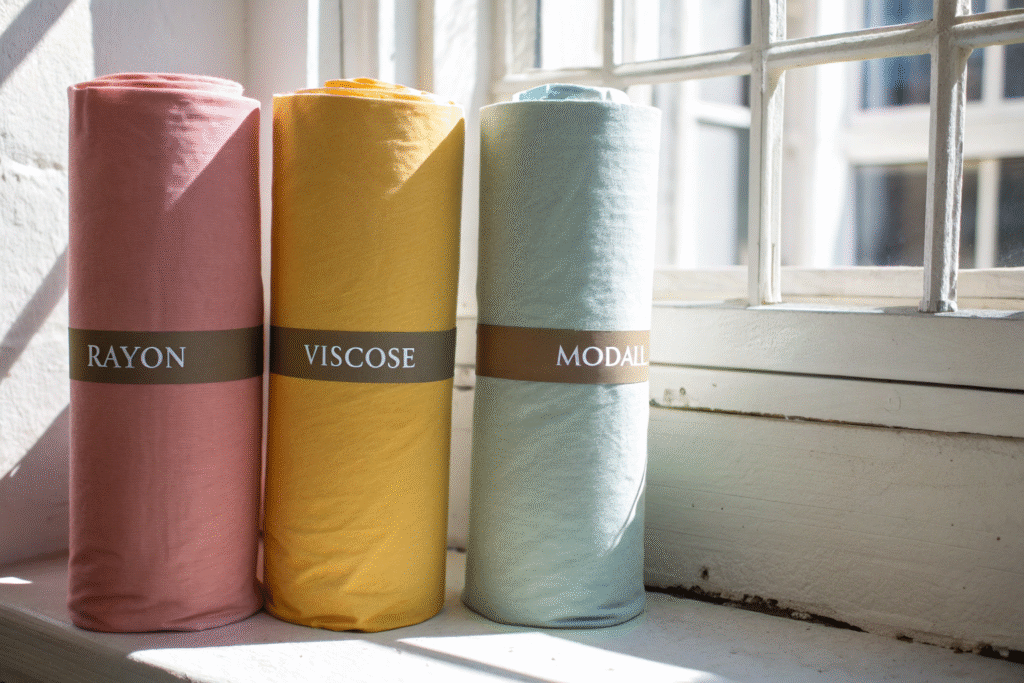
When reading clothing labels, many buyers and designers come across the terms rayon, viscose, and modal. At first, they may appear interchangeable, but they actually represent different parts of the same fiber family. Understanding their distinctions is important because fabric choice affects not only garment performance but also sustainability. Rayon is the umbrella category, viscose […]
Is Bamboo Fabric Really Sustainable for Apparel?
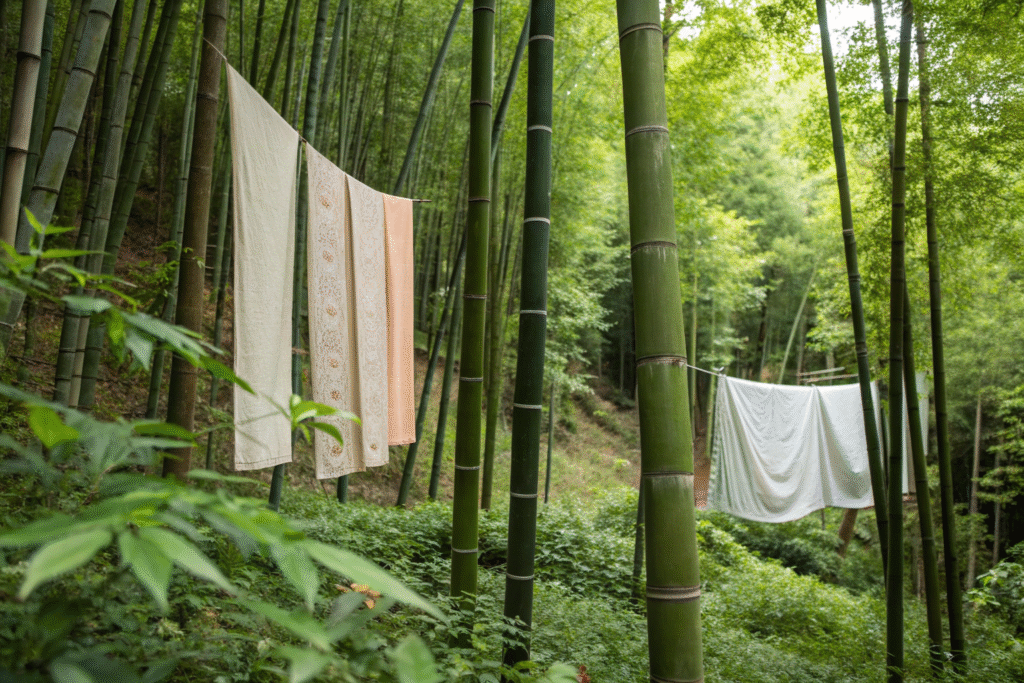
Bamboo has been widely marketed as a “green” solution in the textile industry. Its fast growth, low water needs, and natural antibacterial properties make it sound like an ideal resource for eco-fashion. However, sustainability is not determined only by the plant itself. The way bamboo is processed into fabric ultimately decides whether it is truly […]
What Is Tencel (Lyocell) Fabric and Is It Eco-Friendly?
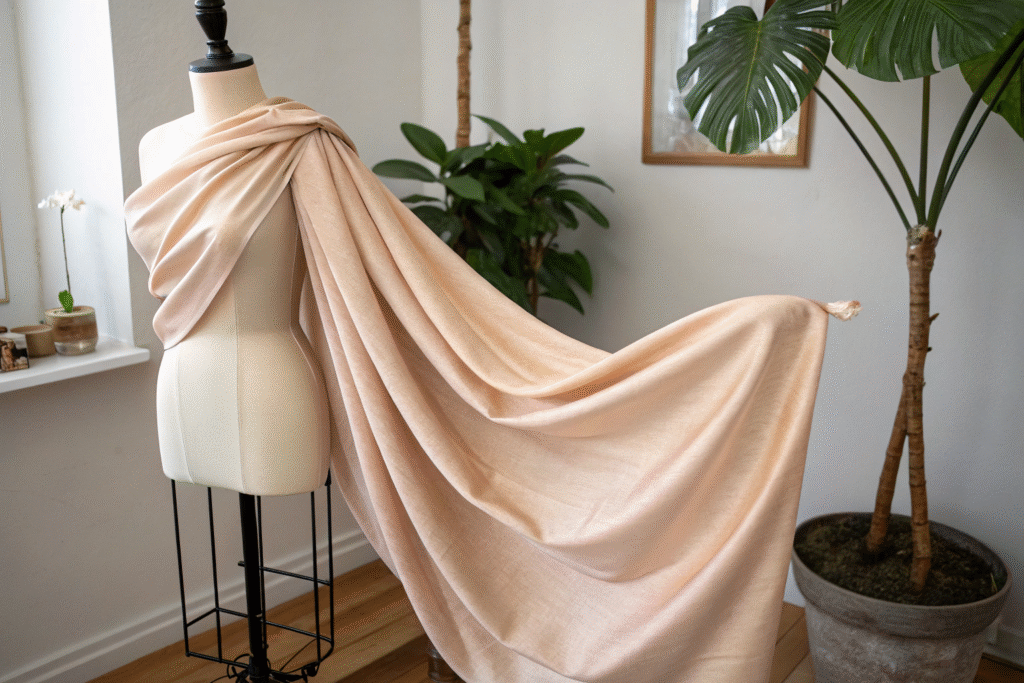
Sustainability has become a defining factor in modern textiles. Both consumers and brands are now searching for fabrics that combine comfort, durability, and environmental responsibility. Among the options available, Tencel™, also known as Lyocell, has emerged as one of the most promising eco-friendly fibers. Still, many people ask what sets it apart from cotton, polyester, […]
What Does GSM Mean in Fabric?
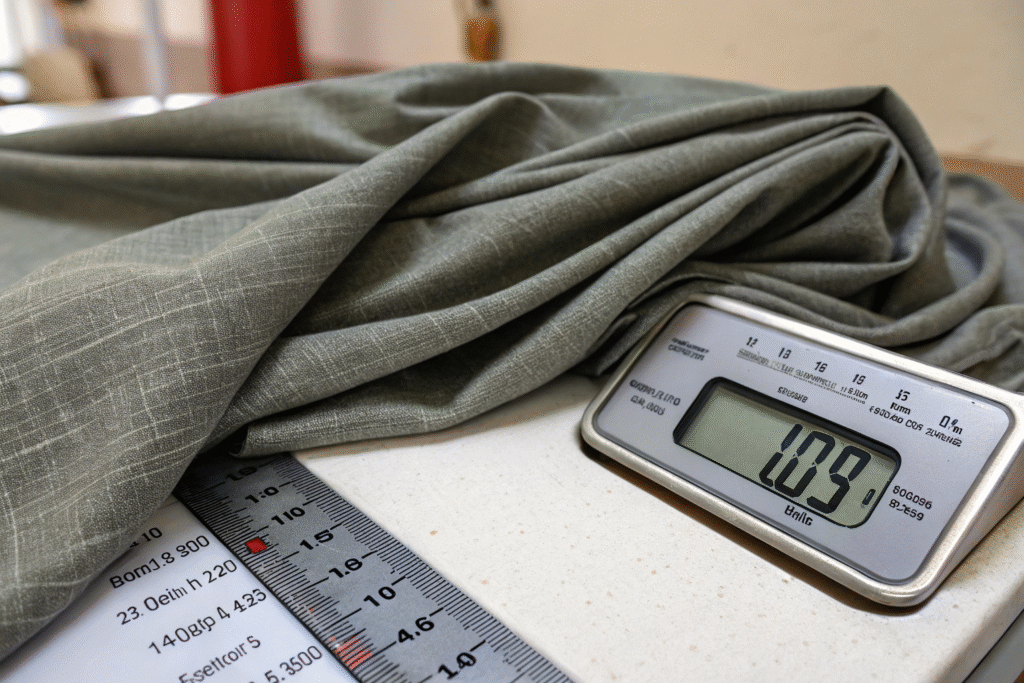
When buying or producing textiles, one technical term appears frequently: GSM. Many buyers see it listed in catalogs or technical sheets but may not fully understand its importance. Without this knowledge, it becomes difficult to evaluate whether a fabric is suitable for a particular purpose. GSM stands for “Grams per Square Meter” and indicates the […]
What Is the Difference Between Cotton and Polyester Fabric?
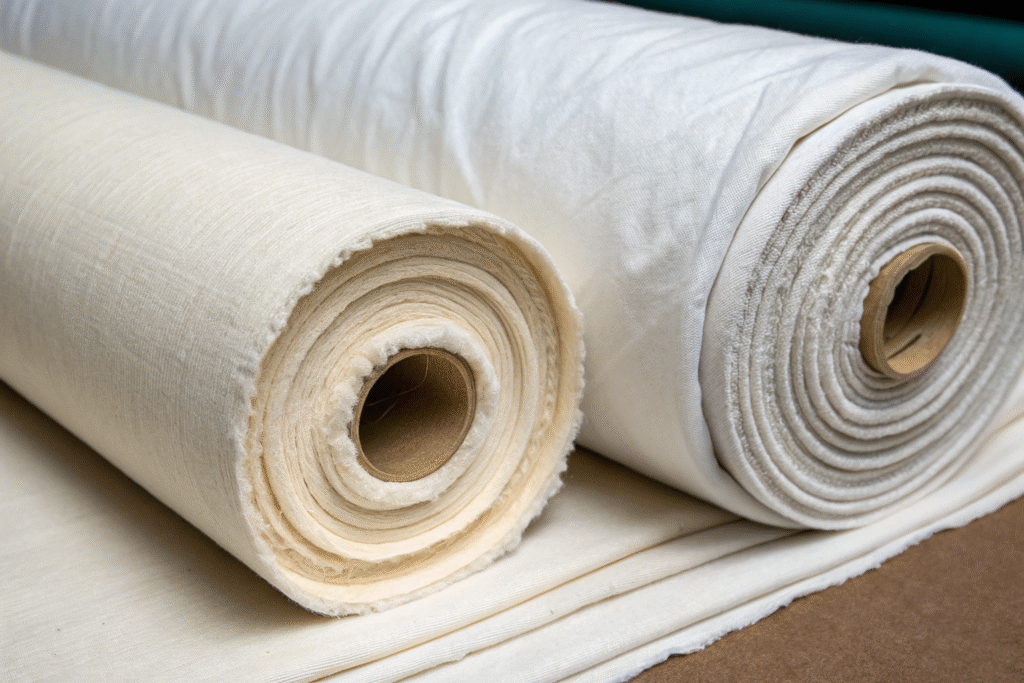
When selecting fabrics for clothing, consumers often face a common question: should they choose cotton or polyester? These two fibers dominate the global textile market, but they meet different needs. Some people prioritize softness and natural comfort, while others prefer durability and easy care. To make an informed choice, it is essential to understand the […]
Which Fabric Is Best for Summer Clothing?

When temperatures rise, the need for comfortable clothing becomes essential. Many people face the same problem: their summer clothes either trap heat, absorb sweat without drying, or feel heavy against the skin. This leads to discomfort and reduced performance during daily activities. Therefore, a key question emerges: which fabrics are truly best for summer wear? […]
Why Choose Self-Replicating Mycelium-Based Habitat Textiles?
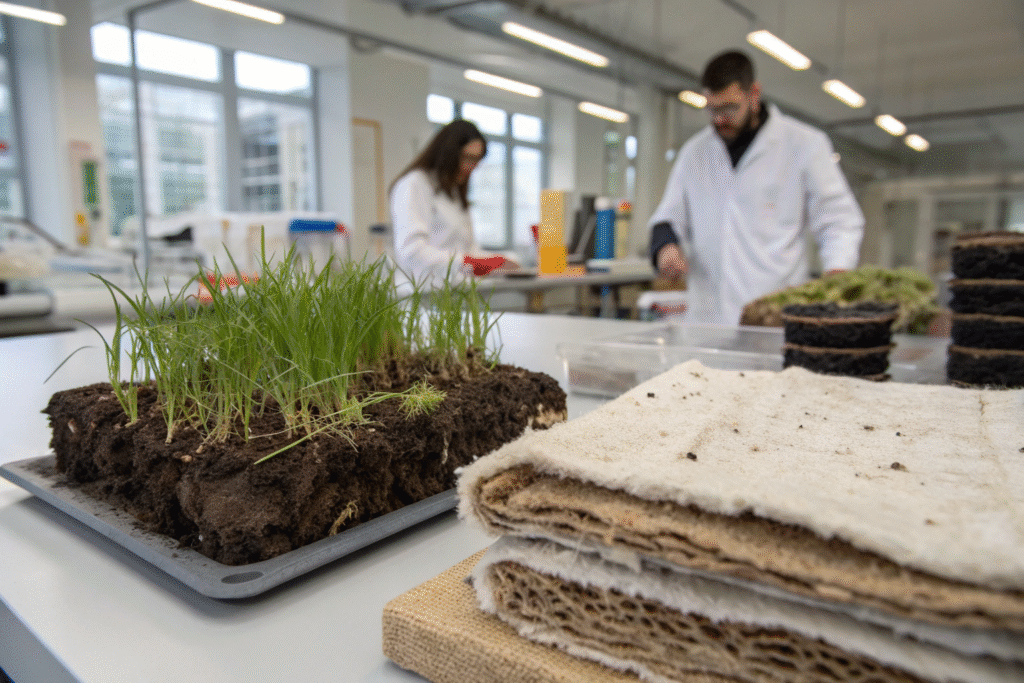
Habitat construction for extreme environments—such as polar research stations, disaster relief shelters, or extraterrestrial bases—faces recurring challenges: high transport costs, limited resupply, and short material lifespans. Traditional textiles eventually degrade, requiring replacement that strains logistics. This creates a fundamental problem: how to design fabrics that can regenerate themselves, reduce waste, and adapt to environmental stressors. […]
How to Source Topological Insulator Textiles for Quantum Applications?
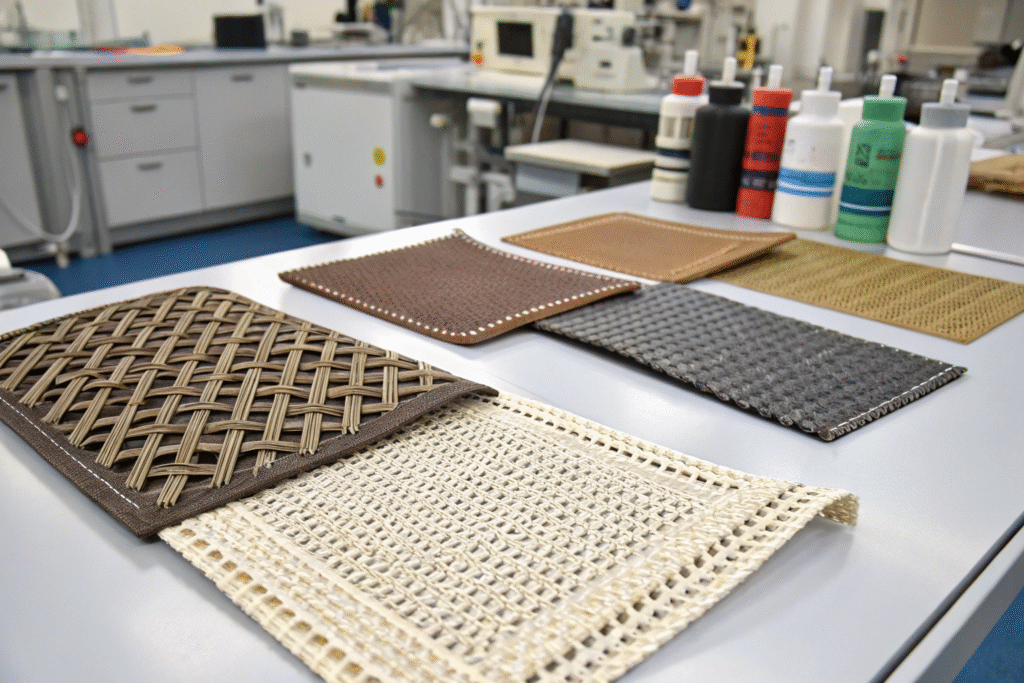
The demand for quantum-ready materials is rising quickly, yet sourcing fabrics that can support such advanced applications remains a significant challenge. Traditional textiles lack the electronic and spintronic behaviors required for quantum devices. Buyers, researchers, and engineers often face a major barrier: suppliers advertise “smart fabrics” but cannot provide verifiable data on topological insulator (TI) […]
How to Source ISO 17492 Tested Convective Heat Resistance?
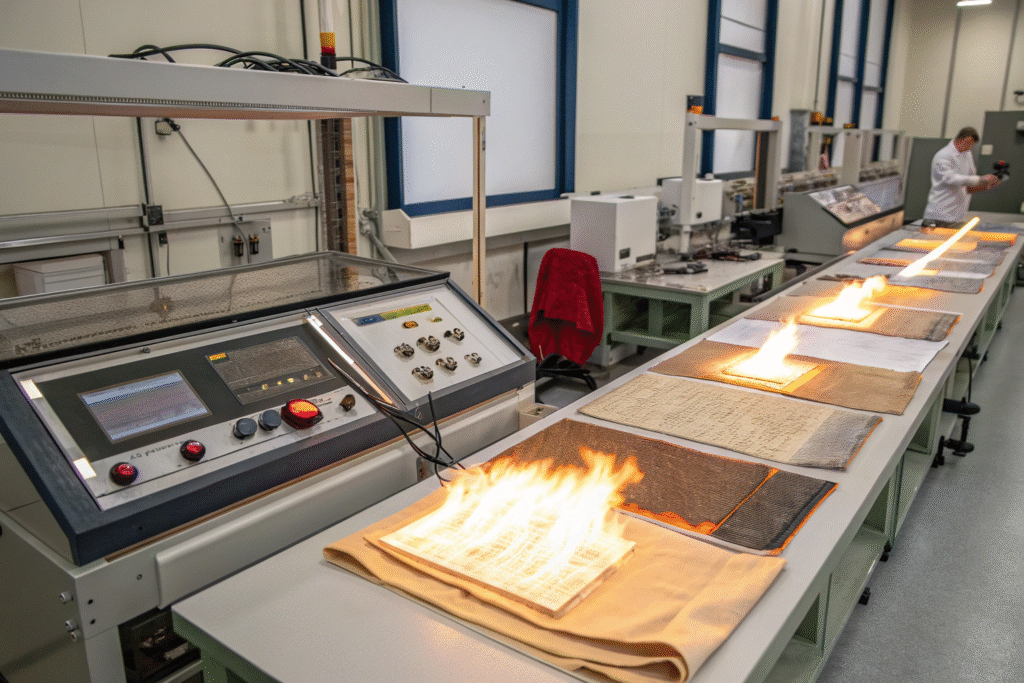
Buyers and safety managers working in protective clothing industries often struggle with sourcing fabrics that truly meet international fire and heat resistance standards. Many suppliers advertise “flame-resistant fabrics,” but without reliable test data, customers risk purchasing textiles that fail in critical conditions. This problem delays production, raises liability, and creates costly mistakes. ISO 17492:2019 provides […]
Why Choose Self-Contained Bioregenerative Life Support Textiles?
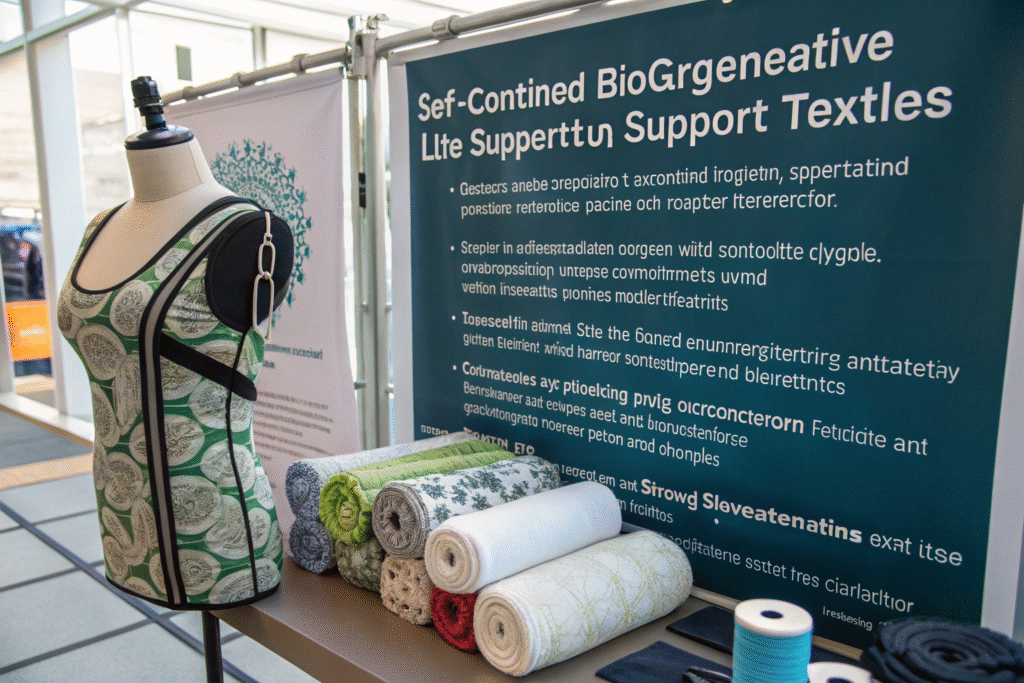
The need for sustainable systems in space exploration, underwater habitats, and future urban environments is urgent. Traditional fabrics protect us from harsh conditions, but they do not sustain life. Buyers, researchers, and industry leaders now face the challenge of finding textiles that go beyond passive use. This pain point delays innovation and limits applications. Self-contained […]