
How Does GRS Certification Reduce Environmental Impact?

You see the GRS certification logo on clothing tags and hear brands talk about their certified collections. But you’re skeptical – is this just another marketing claim, or does it actually deliver meaningful environmental benefits? With so much greenwashing in the fashion industry, it’s reasonable to question whether certifications create real impact or just paperwork. […]
Why Partner With A B2B GRS Certified Manufacturer?

You’re sourcing apparel for your brand and facing a critical decision: stick with your conventional manufacturer or partner with a B2B GRS certified supplier. The price difference is significant, the certification requirements seem burdensome, and you’re wondering if the investment truly pays off. This dilemma confronts brands daily as sustainability shifts from niche preference to […]
What Are The GRS Requirements For Clothing Labels?
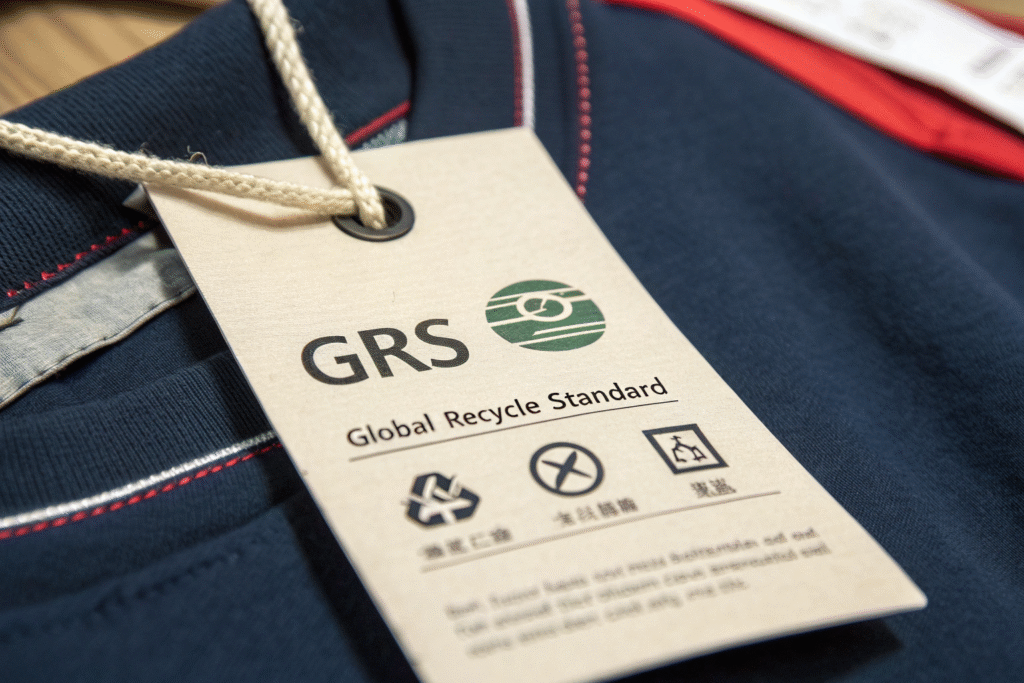
You’re finalizing your GRS certified clothing collection, and now you’re wondering about the labels. Can you simply add "GRS Certified" to your existing hangtags? What specific wording is required? How do you communicate your certification to consumers without making false claims? Many brands get tripped up by label requirements, risking certification integrity and facing potential […]
How Does GRS Affect DDP Shipping For Garments?
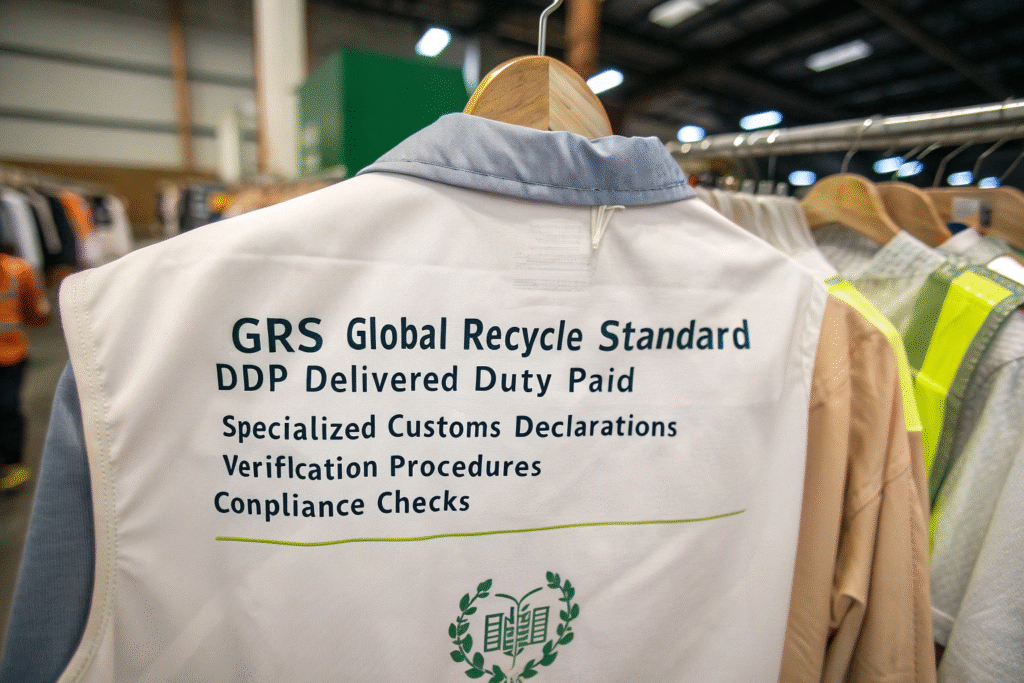
You’ve organized your GRS certified production, your garments are ready to ship, and now you’re facing the DDP (Delivered Duty Paid) shipping process. Suddenly, you realize your certification affects everything from documentation to customs clearance. Many brands discover too late that GRS certification introduces new complexities in international logistics that they hadn’t anticipated. GRS affects […]
Does Fumao Clothing Offer GRS Certified Men’s Wear?

You’re developing a men’s wear collection and your buyers are asking for GRS certification. Or maybe you’re a brand looking to expand your sustainable offerings in the competitive men’s apparel market. The question is straightforward but the answer involves understanding capabilities, categories, and compliance across men’s wear production. Yes, Fumao Clothing absolutely offers comprehensive GRS […]
Why Is GRS A Deal-Breaker For Wholesale Clothing?
You’re negotiating a major wholesale contract, and the buyer drops the requirement: "We need GRS certification." Suddenly, your competitive pricing, quality fabrics, and reliable delivery aren’t enough. This scenario is playing out across the wholesale clothing industry, turning GRS from a nice-to-have into a non-negotiable requirement. GRS has become a deal-breaker for wholesale clothing because […]
How To Market Your Brand With GRS Certified Apparel?

You’ve invested in GRS certification for your apparel line. You’ve paid the premium for certified materials, implemented the tracking systems, and trained your team. Now comes the critical question: how do you translate this investment into market recognition, customer loyalty, and increased sales? Many brands make the mistake of treating GRS as a compliance checkbox […]
Is GRS Certification Mandatory For US Apparel Import?
You’re planning your next apparel shipment to the United States, and your sustainability team is pushing for GRS certification. But your production manager questions whether it’s truly necessary. With tight margins and complex logistics, you need to know: is this another mandatory requirement or an optional certification? GRS certification is not currently mandatory for general […]
How Does Fumao Clothing Implement GRS Standards?
You’ve decided to pursue GRS certification for your clothing line, but the implementation process seems overwhelming. The documentation requirements, supply chain coordination, and operational changes feel like a mountain to climb. Many brands struggle with where to start and how to ensure their manufacturer can actually deliver genuine GRS compliance, not just paperwork. Fumao Clothing […]
Why Is Traceability Key In Modern Garment Sourcing?
You’re sourcing garments from multiple overseas suppliers, and suddenly a compliance issue emerges. A customer finds a restricted substance in your product. An NGO questions your labor practices. You need to identify the source immediately, but your supply chain data is scattered across emails, spreadsheets, and supplier promises. This scenario is becoming increasingly common as […]