Last month, I received a panicked call from a client in Los Angeles. Their "GOTS-certified" shipment had been rejected at customs because their supplier couldn't produce a valid Scope Certificate. The $300,000 order was stuck in limbo, and their summer collection was about to miss its selling window. This wasn't the first time I've seen this happen, and it won't be the last.
So, can your garment supplier provide a valid GOTS Scope Certificate? If they're truly GOTS-certified, they must have a valid Scope Certificate issued by an accredited certification body. This isn't optional paperwork - it's the legal authorization that permits them to process and trade GOTS-certified products. Without it, their GOTS claims are meaningless, and your products risk rejection by retailers and customs authorities.
The certificate serves as your supplier's license to operate in the organic textile space. It verifies that their facility, processes, and management systems meet the rigorous environmental, technical, and social requirements of the Global Organic Textile Standard. Most importantly, it provides the chain of custody that brands need to substantiate their organic claims.
What exactly does a valid GOTS Scope Certificate prove?
Many suppliers show product certificates or quality test reports, but these don't replace the Scope Certificate. Understanding what this document actually verifies is crucial for making informed sourcing decisions.
The Scope Certificate is fundamentally different from product certification because it certifies the manufacturing facility's systems and processes, not just individual products.
How does Scope Certification differ from product certification?
While product certification verifies that specific items meet GOTS standards, Scope Certification authorizes the facility to process organic textiles. Think of it this way: product certification is like a driver's license for a specific vehicle, while Scope Certification is like the manufacturing license for the car factory itself. A German children's wear brand learned this distinction the hard way when they discovered their Chinese supplier had product certificates but no Scope Certificate, making their entire "organic" collection non-compliant. Understanding the critical differences between GOTS scope and product certification can prevent costly compliance failures.
What specific manufacturing capabilities does the certificate verify?
A valid Scope Certificate explicitly lists the approved processing stages, such as cutting, sewing, printing, or finishing. Our certificate, for example, specifically authorizes knitting, dyeing, and garment manufacturing - but not spinning. This granularity matters because brands need to know exactly which parts of their supply chain are covered. When a UK retailer audits your supply chain, they'll demand to see Scope Certificates for every processing stage. The certification provides verified manufacturing capability documentation for organic textile processing that brands can rely on.
How can you verify the authenticity of a GOTS Scope Certificate?
With certificate forgery becoming increasingly sophisticated, visual inspection alone is insufficient. I've seen beautifully crafted fake certificates that would fool anyone without proper verification training.
Verification requires multiple steps and cross-referencing with official databases to ensure the certificate is both genuine and current.
What are the key elements of an authentic GOTS certificate?
Authentic certificates contain specific security features including unique certificate numbers, issue and expiry dates, accredited certification body logos, and detailed scope descriptions. Last quarter, we helped a Danish brand identify a forged certificate because it lacked the certification body's accreditation number and used an outdated logo format. The attempted fraud would have cost them €200,000 in non-compliant production. Learning how to identify genuine GOTS certification documents is essential for any brand sourcing organic textiles.
How do you cross-reference certificates with official databases?
Every legitimate GOTS certificate appears in the official GOTS public database maintained at global-standard.org. The verification process takes seconds but can save months of headaches. When an Australian brand asked us to verify a potential supplier, we checked the database and discovered their certificate had expired six months earlier. The supplier claimed it was "in renewal," but without current certification, they couldn't legally produce GOTS goods. Regular utilization of the GOTS public database for supplier verification should be standard practice for all brands.
What are the consequences of working with non-certified suppliers?
The risks extend far beyond rejected shipments. Working with suppliers who lack proper Scope Certification can damage your brand reputation, trigger legal consequences, and create financial liabilities that far exceed any short-term cost savings.
The organic textile market operates on trust verified through certification, and breaches of this trust can be catastrophic.
How can non-certification affect customs clearance and retailer acceptance?
Customs authorities increasingly require GOTS documentation for organic textile shipments, and retailers conduct random audits of their suppliers' certifications. A French fashion brand faced €50,000 in penalties when a retailer discovered their Indian supplier's Scope Certificate had lapsed. The entire shipment was rejected two weeks before the seasonal launch, resulting in lost sales and relationship damage. Understanding customs documentation requirements for certified organic textiles is crucial for international trade.
What legal and reputational risks does non-certification create?
Making false organic claims can trigger regulatory action under various countries' consumer protection laws. Beyond legal consequences, the reputational damage from greenwashing accusations can be devastating. We've seen brands lose retailer partnerships worth millions after certification failures became public. The business impact extends to managing reputational risk in sustainable fashion sourcing that all brands must consider.
What questions should you ask potential suppliers about their certification?
Asking the right questions separates professional suppliers from those who are either misinformed or deliberately misleading about their certification status.
The answers to these questions will quickly reveal whether a supplier truly understands GOTS requirements and maintains proper certification.
What specific documentation should you request?
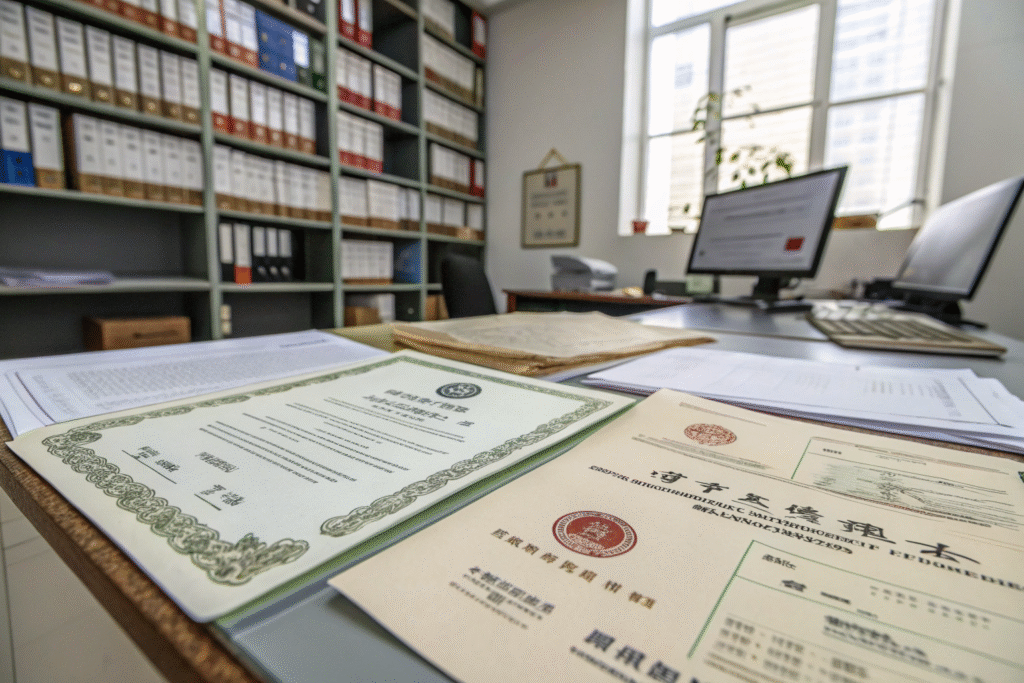
Always ask for the complete Scope Certificate, not just a certificate number or screenshot. Verify the issuing certification body, check the expiry date, and confirm the scope covers the processing stages you need. When a New York startup asked us these questions during their supplier qualification process, we provided our full certificate package within hours, demonstrating our transparency and professionalism. This approach aligns with best practices for supplier qualification in sustainable fashion that leading brands follow.
How do you verify ongoing compliance and surveillance?
Certified suppliers undergo annual surveillance audits, so ask for evidence of recent audit reports and corrective actions. Professional suppliers will readily provide this information. We share our surveillance audit summaries with serious clients because we understand that their compliance depends on ours. This transparency is part of maintaining supply chain compliance through verified partner relationships in the organic sector.
How does Fumao Textiles' GOTS Scope Certificate benefit your business?
Our investment in GOTS certification isn't just about compliance - it's about creating tangible business advantages for our clients through guaranteed supply chain integrity and risk reduction.
The certificate represents our commitment to operational excellence and sustainable manufacturing practices that protect your brand and products.
How does our certification streamline your compliance process?
Our GOTS Scope Certificate simplifies your internal compliance and reduces auditing costs. Brands working with us save an average of 15-20 hours per season on supplier verification and compliance documentation. A Scandinavian brand calculated that using our certified services reduced their compliance costs by €12,000 annually while improving their audit scores. These efficiencies demonstrate the tangible business benefits of working with properly certified suppliers in the organic sector.
What supply chain security does our certification provide?
Our certification ensures complete traceability and documentation for your organic claims. When you source from us, you receive transaction certificates for every shipment, creating an unbroken chain of custody from raw material to finished product. This documentation has helped multiple clients successfully navigate retailer compliance audits and respond to consumer inquiries about their sustainability claims. The security comes from implementing robust traceability systems in certified supply chains that we've fully embraced.
Conclusion
Asking "Can your garment supplier provide a valid GOTS Scope Certificate?" isn't just due diligence - it's fundamental risk management in today's regulated textile market. The certificate represents the difference between verified sustainability and empty marketing claims. With increasing regulatory scrutiny and consumer awareness, working with properly certified suppliers has transitioned from competitive advantage to business necessity.
At Fumao Textiles, we proudly provide our valid GOTS Scope Certificate to all serious partners because we understand that your compliance depends on ours. If you're ready to work with a supplier whose certification you can verify and trust, contact our Business Director Elaine at elaine@fumaoclothing.com. Let us demonstrate how proper certification creates a foundation for successful, sustainable fashion partnerships.