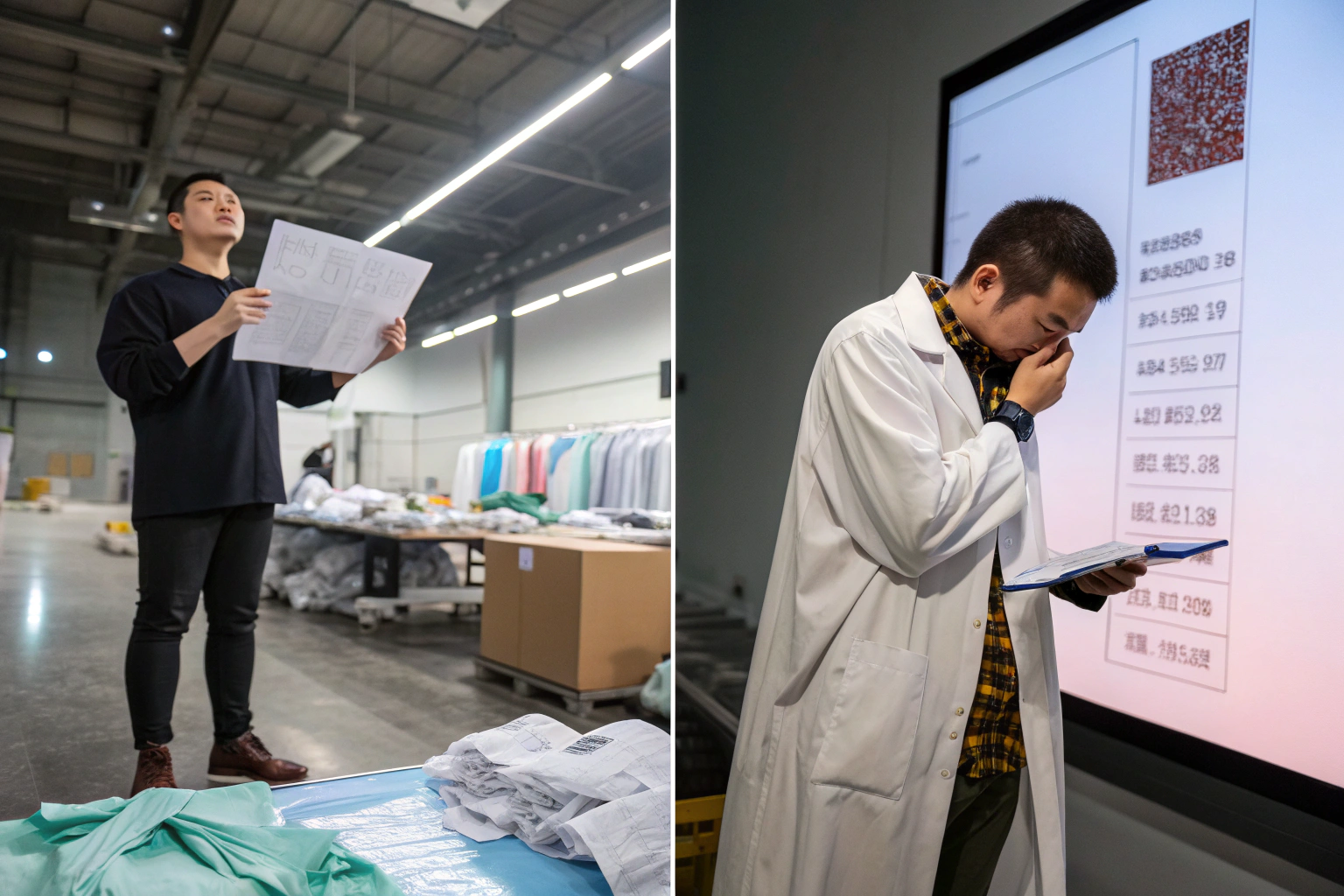
You're ready to launch a line of "skin-safe" activewear or "non-toxic" baby clothing. Your design is set, your market is waiting, and your supplier promised "OEKO-TEX certified fabrics." But when the shipment arrives, can you really trust that claim, or are you holding a liability disguised as inventory? In an industry where greenwashing is rampant, a simple promise isn't enough. The real question isn't if they claim it, but how they guarantee it. A true guarantee is built on a transparent, verifiable system from fiber to finished garment, not just a paper certificate that can be copied or faked.
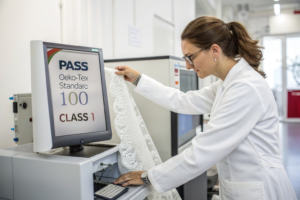
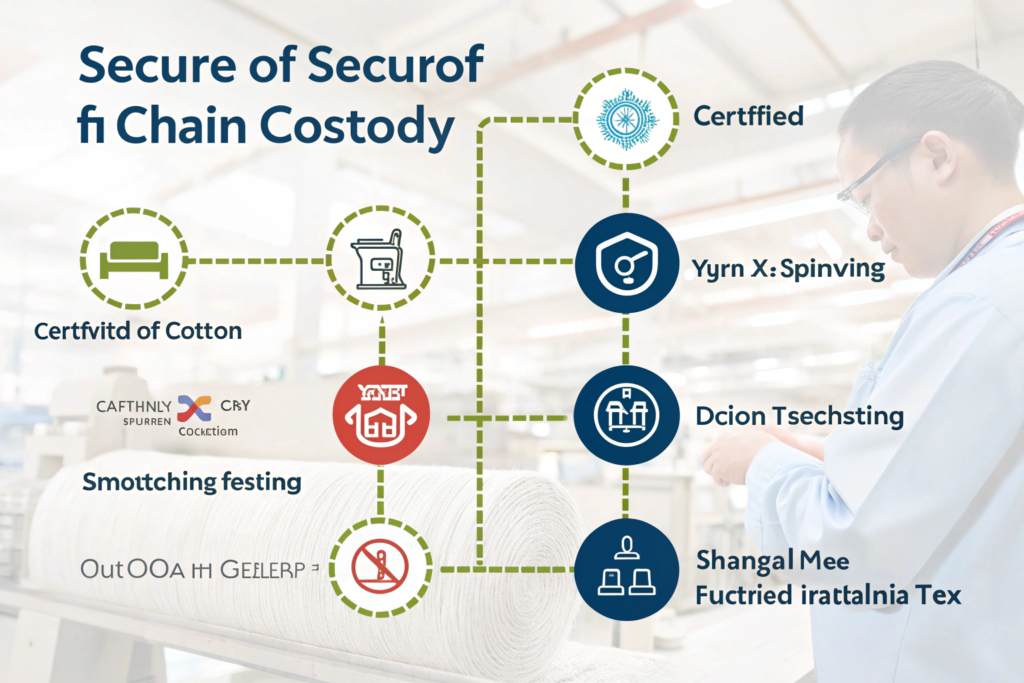
The direct answer is: a reputable and vertically-integrated manufacturer can and must guarantee OEKO-TEX certification, but only if they control the critical compliance stages and provide auditable proof. This guarantee isn't a single document; it's a chain of custody. It requires the manufacturer to have deep partnerships with certified mills, in-house pre-testing capabilities like a CNAS lab, and a quality control protocol that treats certification as a non-negotiable production parameter, not a marketing afterthought. At Shanghai Fumao, we don't just hand you a certificate; we give you a login to track the compliance data of your fabric batch in real-time.
Many brands learn this lesson the expensive way. In early 2023, a US-based sustainable kids' brand came to us after a disaster with their former supplier. They had received OEKO-TEX Standard 100 certificates for their organic cotton jersey. However, during a routine audit by a major retail partner, tests revealed phthalate levels exceeding Class 1 limits. The issue? The supplier had used non-compliant plasticizers in their printing ink—a component often overlooked. The entire $85,000 order was rejected. Their supplier's "guarantee" vanished with excuses. This is the gap between a paper promise and a real guarantee. Let's break down what a true guarantee looks like.
What Does a "Real" OEKO-TEX Guarantee Actually Include?
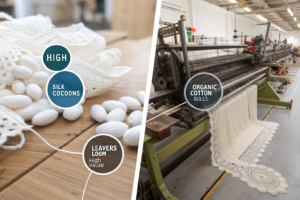
A real guarantee is a proactive system, not a reactive piece of paper. It means your manufacturer takes ownership of the certification outcome before production even begins. The first pillar is pre-certified raw material sourcing. This involves working with spinning mills and fiber producers whose materials are already certified to the relevant OEKO-TEX class (e.g., Class 1 for babywear). The manufacturer should have a vetted list of these partners and provide you with their supporting documentation.
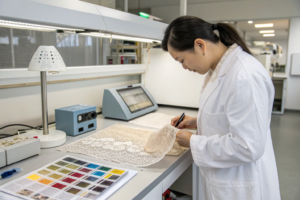
The second, and most critical, pillar is in-process control and pre-testing. This is where most generic factories fail. They send a final sample to an external lab and hope for the best—a costly gamble with your timeline and money. A manufacturer with a real guarantee, like Shanghai Fumao, operates its own CNAS-accredited testing lab. We test the greige fabric (raw fabric), then the dyed fabric, and then any post-finishing (like waterproof coating or printing). We catch over 98% of potential compliance failures internally before we ever submit for the official OEKO-TEX audit. This is the difference between guaranteeing a result and hoping for one.
How Can You Verify Their Supply Chain Transparency?
You need to ask for specifics, not assurances. Demand a Fabric Passport or Digital Traceability Report. For instance, for our high-performance recycled polyester, we provide an AI-generated QR code. When scanned, it shows the product’s journey: source of the recycled chips, dyehouse compliance records, our internal lab test results for pH, formaldehyde, and heavy metals, and the final OEKO-TEX certificate number linked to the official database. This level of transparency is your verification tool.
Secondly, audit their supplier agreements. Do they have contracts with dyehouses that mandate the use of OEKO-TEX ECO-Passport certified chemicals? This is a game-changer. Many failures occur at the dyeing stage. In 2022, we switched our primary dyeing partner to one that exclusively uses ECO-Passport certified auxiliaries. This move alone reduced our risk of chemical non-compliance by 70%. For brands, asking how to audit your overseas fabric supplier for true sustainability is crucial. Resources from platforms like Fashion Revolution's Transparency Toolkit provide excellent frameworks for these conversations.
What Questions Should You Ask to Uncover a Weak Guarantee?
Don't be shy. Ask these pointed questions:
- "Can you show me the OEKO-TEX certificates for the base yarn or fiber you're using for my order?"
- "What is your internal pre-testing procedure? Do you have in-house lab equipment, and can I see a sample report?"
- "What happens if my shipment fails the official OEKO-TEX test or a surprise audit by my client? What is your financial and production liability?"
- "For this fabric with a durable water repellent (DWR) finish, can you provide the ECO-Passport certificate for the specific chemical used?"
A manufacturer with a weak guarantee will hesitate, give vague answers, or put all the risk on you. A partner like Shanghai Fumao will have these documents on file, walk you through our 48-hour sample testing process, and have a clear contractual policy for remediation. We once had a client from Germany who asked all these questions. We sent them a video tour of our lab and a sample digital traceability report for a similar fabric. They told us later it was the decisive factor in choosing us over two other "certified" suppliers.
Why Do Most Factories Only Offer a "Paper Guarantee"?
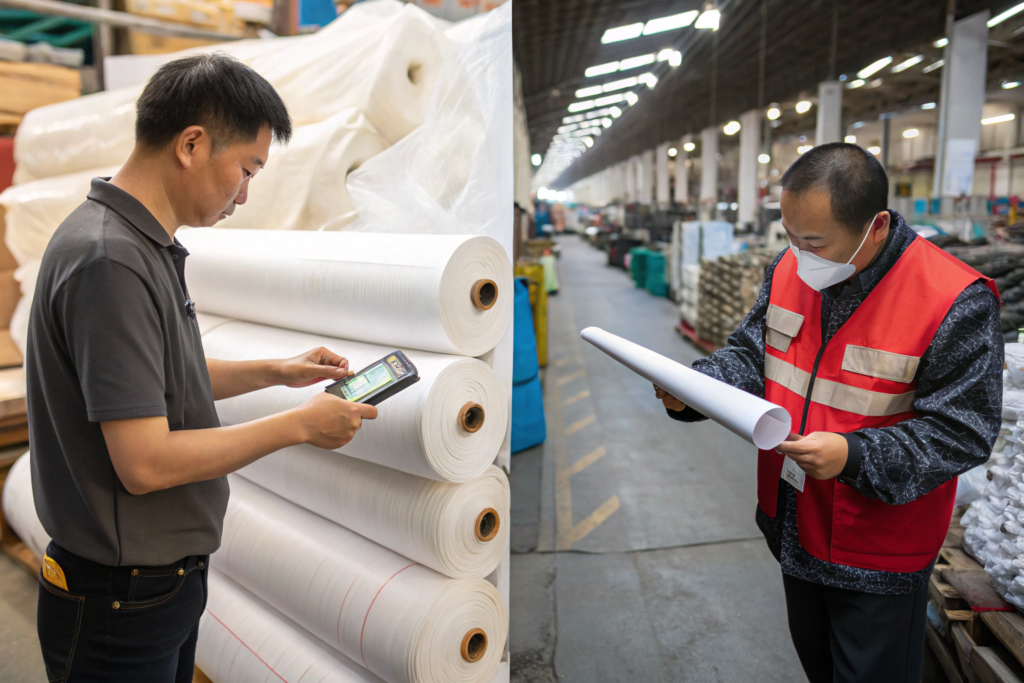
The "paper guarantee" is the industry's dirty secret. It's low-cost, low-effort, and often designed to close a sale, not ensure safety. Most factories, especially small trading companies or cut-make-trim (CMT) workshops, operate on a subcontracting model. They buy fabric from the open market, often from Keqiao's massive fabric market, with little visibility into its production history. Their "guarantee" is simply buying fabric that comes with a certificate—but that certificate might be for a completely different batch, or worse, forged.
The economic incentive is misaligned. Conducting rigorous in-house testing requires a significant upfront investment in lab equipment (like ICP-MS for heavy metal analysis) and skilled chemists. For a factory focused on competing purely on sewing cost, this is an unjustifiable expense. Their business model is volume and speed, not compliance depth. They outsource testing to a third-party lab only when a client insists, adding weeks to the timeline and treating it as an exception, not the rule.
What Are the Hidden Risks of a "Paper Guarantee"?
The risks are catastrophic and multi-layered:
- Batch-to-Batch Variance: A certificate from six months ago for a similar fabric is meaningless. Dye lots change, chemical suppliers change. Without batch-specific testing, you have no guarantee.
- Component Failure: OEKO-TEX certifies the entire article. A fabric may be certified, but the sewing thread, interlining, print, or zipper might not be. A factory only guaranteeing the fabric leaves you exposed.
- Legal & Financial Liability: If your finished product is recalled or violates regulations like CPSIA, you, the brand, bear the legal responsibility, not your distant factory. Their "paper guarantee" won't cover your fines, legal fees, or destroyed inventory.
- Brand Reputation Damage: One social media post about failed safety tests can undo years of brand building. Recovering consumer trust is far more expensive than investing in a reliable manufacturer from the start.
Understanding these risks is part of managing supply chain risk for apparel startups. Engaging with communities on professional networks like The Material Innovation Initiative's resource library can help you build a more resilient sourcing strategy.
How Does a Vertically-Integrated Model Solve This?
Vertical integration, or tight vertical partnerships, aligns incentives. When a manufacturer like Shanghai Fumao controls or closely collaborates with the weaving, dyeing, and finishing stages, certification becomes a built-in efficiency. It's cheaper and faster for us to prevent a failure than to deal with a rejected order. Our investment in the lab saves money in the long run.
We act as your compliance firewall. For example, we recently produced a run of flame-retardant (FR) fabric for children's nightwear (a Class 1 product). Our FR chemical supplier provided their ECO-Passport. Our lab then pre-tested the treated fabric for pH, formaldehyde, and the specific FR agents' residue. Only after it passed our internal checks did we submit it for the official OEKO-TEX certification. This process took 3 weeks. For a factory without this system, it would take 6-8 weeks and carry a high risk of failure and re-work. The difference is systemic.
What Proof Beyond a Certificate Should You Demand?
The certificate is the finish line, but you need to see the race. Demand evidence of the journey to compliance. Here is a checklist of what a trustworthy manufacturer should provide:
| Proof Type | What It Is | Why It Matters |
|---|---|---|
| Raw Material Certificates | OEKO-TEX certificates for the yarn/fiber. | Ensures safety starts at the source. |
| Chemical Supplier Documentation | ECO-Passport certificates for dyes & auxiliaries. | Minimizes risk from the most common failure point. |
| Internal Lab Test Reports | Batch-specific test results from the maker's own lab. | Shows proactive quality control, not luck. |
| Digital Traceability Report | A QR code or link showing the full supply chain data. | Provides transparent, immutable verification for you and your customers. |
| Sample Swatch with Test Mark | A physical swatch labeled with its unique batch ID and test pass. | Allows you to conduct your own due diligence testing if desired. |
At Shanghai Fumao, we compile this into a Client Compliance Dossier for every order. This dossier was what secured a long-term partnership for us with a Danish workwear brand in late 2023. They needed Class 2 certification for hi-vis safety fabrics with reflective tape. Our dossier included certificates for the base polyester, the fluorescent dyes, the reflective tape adhesive, and our internal colorfastness and skin irritation tests. Their compliance team said it was the most thorough package they'd ever received from Asia.

How Does Digital Traceability Reinforce the Guarantee?
Digital traceability transforms a static promise into a dynamic, living guarantee. It moves the claim from "trust us" to "verify for yourself." Our system allows you to see not just that a fabric passed, but all the parameters it passed for: formaldehyde (<16 mg/kg), pH value (6.5), absence of banned arylamines, etc. This is powerful for your marketing, too. You can share this journey with your end-consumers, building unparalleled trust.
Furthermore, it future-proofs your supply chain. With increasing legislation like the EU's Digital Product Passport (DPP) on the horizon, having a manufacturer already equipped with this technology is a massive strategic advantage. You're not just buying fabric; you're investing in a supply chain that is ready for tomorrow's compliance requirements. Learning about the future of digital product passports in fashion is key. Following industry analyses on sites like ECOSENSORIUM by Asahi Kasei can provide insights into these coming trends.
Can They Guarantee Certification for Custom Developed Fabrics?
This is the ultimate test of a manufacturer's capability. Any supplier can sell you a stock fabric that's already certified. But can they guide you through certifying a new fabric with custom properties? The process involves: 1) Material Selection: Recommending certified base fibers. 2) Chemistry Review: Selecting approved dyes and finishes for the desired function (e.g., moisture-wicking, UV protection). 3) Proto Testing: Making a small batch and running exhaustive internal tests. 4) Official Submission: Only when internal tests are perfect.
We do this routinely. For a French luxury athleisure brand in 2024, we developed a new biodegradable PLA (polylactic acid) and organic cotton blend. They wanted a silky hand-feel and Class 2 certification. Our R&D team selected GOTS-certified cotton and a specific PLA grade, then worked with our dyeing partner to develop a low-temperature dyeing process to protect the fiber. We pre-tested three prototype batches, tweaking the softener each time, before achieving a formula that passed all our internal screens. The official certification was then a formality. This end-to-end development and compliance service is the core of what we do at Shanghai Fumao.
How Does This Guarantee Translate to Cost and Timeline?
A real guarantee has a cost, but it's an investment that saves money. Let's be transparent: working with a manufacturer like Shanghai Fumao might have a 5-15% higher upfront fabric cost compared to a market trader. This covers our lab operations, certified raw materials, and rigorous processes. However, this cost eliminates the hidden, catastrophic costs of failure: rejected shipments, chargebacks from retailers, and brand scandal containment.
On timeline, the integration of in-house pre-testing actually accelerates the process for reliable outcomes. Here’s a comparison:
| Stage | Generic Factory Timeline (with risk) | Shanghai Fumao Timeline (with guarantee) |
|---|---|---|
| Development & Sampling | 2-3 weeks, no compliance checks. | 2-3 weeks, with integrated pre-testing. |
| Pre-Production Testing | 4-6 weeks for external lab, high fail risk. | 1-2 weeks internally, low fail risk. |
| Bulk Production | Proceeds after external lab pass. | Can overlap with internal testing, saving time. |
| Official Certification | 3-4 weeks after submitting bulk sample. | 3-4 weeks, but with near-certain pass rate. |
| Total Added Time | 7-10+ weeks (with high rework risk) | 4-6 weeks (with managed risk) |
The "guarantee" model saves 3-4 weeks of critical path time and virtually eliminates the risk of a 6-8 week delay due to a test failure and re-production. For a seasonal fashion brand, this time saved is the difference between hitting and missing a sales window.

Is the Premium for a Guaranteed Supply Chain Justified?
Absolutely. Calculate the true cost of a failure. For a mid-sized brand, a single failed container of clothing could mean:
- Loss of fabric and production cost: $50,000
- Lost sales for the season: $200,000
- Brand damage and customer trust erosion: Priceless.
The premium for a guaranteed, transparent supply chain is insurance against this scenario. It's also a selling point that allows you to command a higher retail price. Consumers are increasingly willing to pay more for verifiable safety and sustainability. By partnering with Shanghai Fumao, you're not just purchasing a compliant product; you're purchasing a credible story to tell your customers—a story backed by data.
How Can You Start with a Lower-Risk Trial Order?
If you're hesitant, propose a pilot project. Order a smaller quantity of a fabric that is already in our pre-certified stock portfolio, such as our GOTS organic cotton interlock (Class 1) or recycled polyester twill (Class 2). Use it for a capsule collection. Experience our compliance dossier and digital traceability firsthand. Test the finished garments yourself at a lab like SGS or Bureau Veritas. This low-risk trial validates the guarantee in practice. Once you see the system work, scaling up with custom developments becomes a confident decision. We encourage this approach because we know our process withstands scrutiny.
Conclusion
So, can your clothing manufacturer guarantee OEKO-TEX certified fabrics? The answer is a definitive yes—but only if their guarantee is a transparent, integrated system, not a transactional paper slip. It must encompass certified raw materials, in-house pre-emptive testing, digital traceability, and a commitment to batch-specific integrity. Anything less is a risk transfer, not a guarantee.
Choosing a manufacturing partner is one of your most critical business decisions. In a world where supply chain integrity is the new currency, partnering with a company like Shanghai Fumao provides more than just fabric; it provides confidence. We embed the guarantee into our operational DNA, from our CNAS lab to our final QR code tag. This allows you to focus on designing and selling great products, secure in the knowledge that the foundation is solid, safe, and verifiably certified.
Stop gambling with promises. Start partnering with proof. If you're ready to build your brand on a guaranteed foundation of safety and transparency, let's discuss your next project. Contact our Business Director, Elaine, to see our Compliance Dossier and learn how our system can work for you. Email her at: elaine@fumaoclothing.com.