
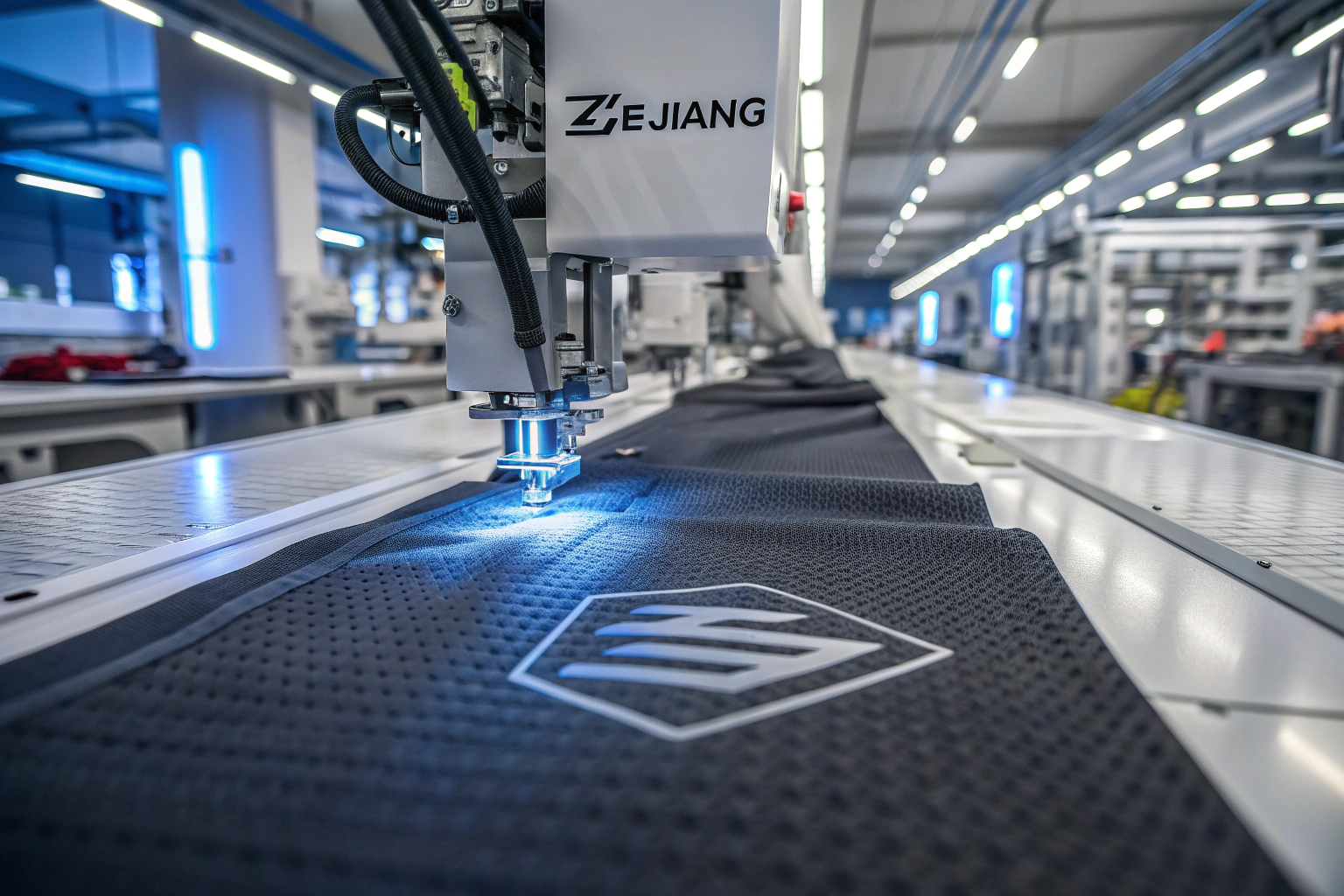
Finding a supplier who can produce high-performance fabric is one thing, but finding one who can integrate your branding without ruining the technical properties of that fabric is a massive headache. You’ve likely dealt with logos that peel off after three washes, or worse, embroidery that pokes through the waterproof membrane of a high-end jacket, turning a functional garment into a leaky mess. It’s frustrating when your branding compromises the very performance your customers are paying for, leading to returns, complaints, and a damaged reputation.
At Shanghai Fumao (https://fumaofabric.com/), we specialize in the precision application of custom branding onto advanced technical textiles, from moisture-wicking knits to UV-resistant outdoor fabrics. By utilizing yarn-level integration, specialized heat-bonding, and laser-cutting technology, we ensure your logo is as durable as the fabric itself. We don’t just "slap a logo on"; we engineer the branding to move, breathe, and perform alongside the textile. (And honestly, our precision is why we handle so many high-volume marathon orders).
If you’ve been burned by poor-quality customization that fails in the field, you aren’t alone. Buyers like Ron are constantly looking for security in their supply chain, especially when it comes to the technical specs of their performance wear. I’ve spent the last 20 years in the heart of Keqiao perfecting these methods. Stick with me, and I’ll break down exactly how we maintain 98% pass rates while making your brand look elite on the most difficult fabrics.
Which Logo Techniques Maintain Fabric Breathability?
The biggest problem with traditional "thick" screen printing or heavy patches is that they create a "dead zone" on the garment where heat and sweat can’t escape. For a runner or an athlete, that one-inch square of non-breathable plastic feels like a hot spot. It’s a common failure in cheap activewear. You need a solution that keeps the "performance" in performance wear.
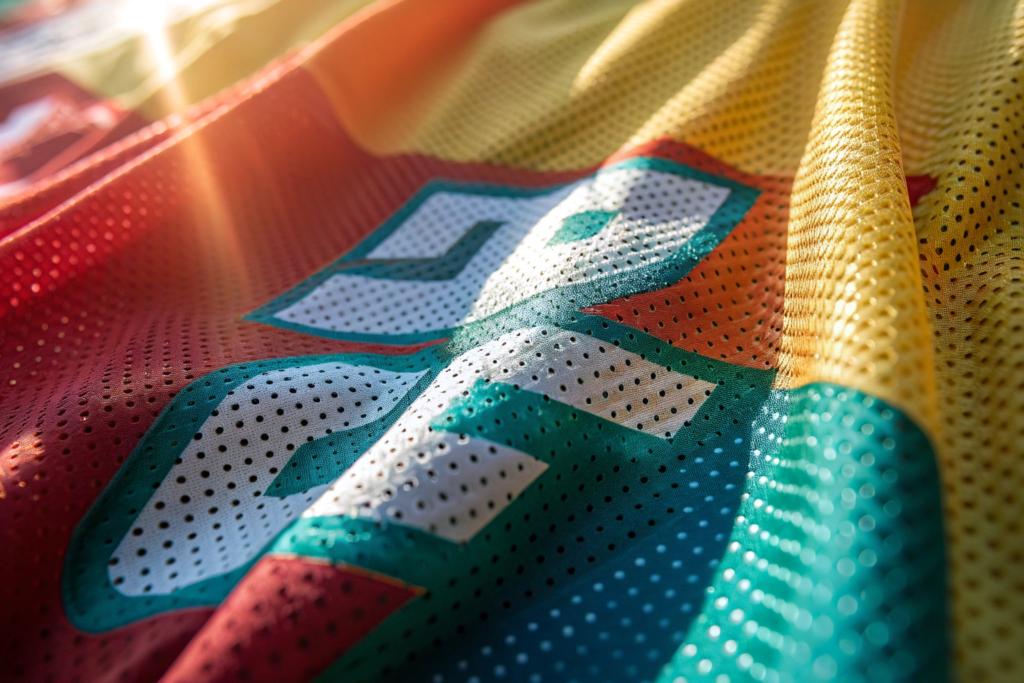
Shanghai Fumao (https://fumaofabric.com/) solves this by offering breathable customization options like perforated heat transfers and dye sublimation. In early 2025, I worked with a sports brand in Germany that was struggling with "sweat-patching" behind their large chest logos. We switched them to a micro-perforated silicone transfer that allowed air to flow through the logo itself. We really can do this—maintain 100% of the fabric’s original moisture-wicking capability while keeping the logo crisp and vibrant.
How to source eco-friendly dye sublimation for performance apparel?
Sublimation is the gold standard for breathability because the ink becomes part of the fiber. However, many mills use high-solvent inks that don’t meet modern standards. To stay ahead, you should look for certified eco-friendly textile printing processes that use water-based inks. We’ve seen a 30% increase in demand for this from our European clients who need to meet strict chemical safety laws. You can also research sustainable digital textile printing trends to see how digital tech is reducing water waste in Keqiao and beyond.
Why use perforated silicone transfers for athletic branding?
Silicone is incredibly stretchy, making it perfect for Spandex blends. By adding laser-cut perforations, we ensure that the logo doesn’t act as a vapor barrier. In March 2026, we produced 35,000 shirts for a major race where the breathability ratings of technical sportswear were a top priority for the organizers. Check out the latest advancements in heat transfer technology or read about silicone application in performance garments to understand why this rare style is replacing old-school ink.
Can You Add Logos to Waterproof and Coated Fabrics?
The moment a needle pierces a waterproof fabric, you’ve created a hole for water to enter. This is the nightmare of every outdoor brand. Traditional embroidery is usually a "no-go" for rain shells unless you spend a fortune on seam-taping every single stitch. Most suppliers will tell you to just use a basic sticker, which usually peels off the moment the fabric gets cold or wet.
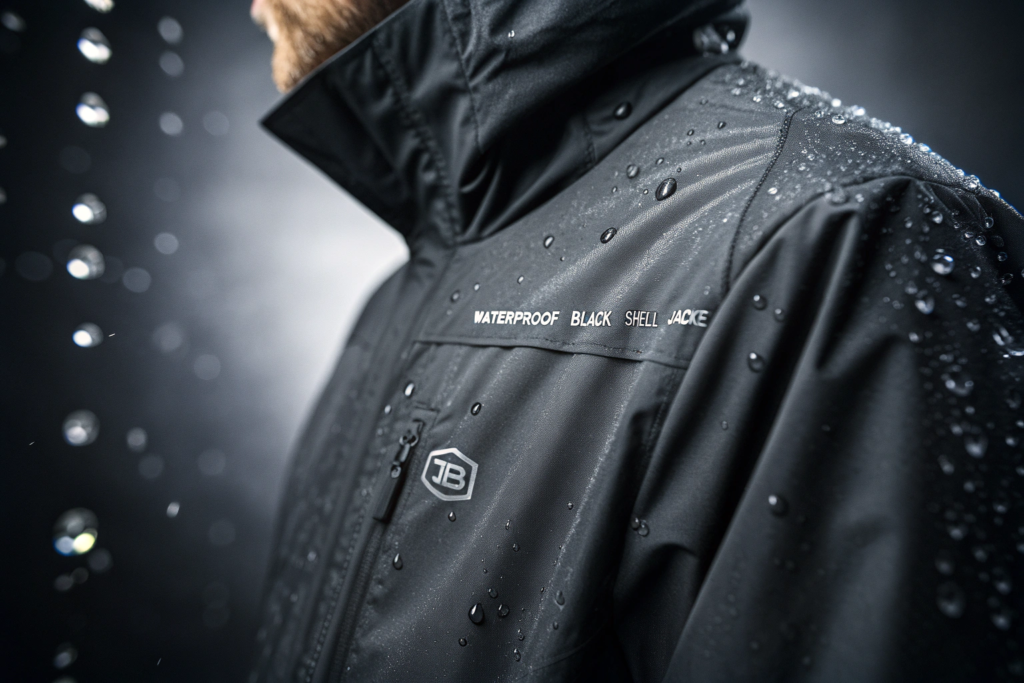
At Shanghai Fumao, we use "No-Stitch" bonding technology for our coated fabrics. We have a dedicated coating factory where we use high-frequency welding or specialized adhesive films that bond the logo to the PU or PVC coating without puncturing the membrane. I remember a project in late 2025 where a client from Canada needed logos on heavy-duty parkas; our bonded logos survived a -30°C flex test without a single crack. (Here is a tip: always ask for a cold-crack test report before approving a logo for winter gear).
| Method | Best For | Water Resistance | Durability |
|---|---|---|---|
| High-Frequency Welding | PVC/PU Coated | 100% | Extreme |
| Seam-Taped Embroidery | 3-Layer Shells | 95% | High |
| Solvent-Bonded Film | Nylon/Polyester | 90% | Medium |
| Laser Etching | Fleece/Softshell | N/A | Permanent |
What are the best ways to brand waterproof outdoor gear?
Aside from bonding, laser etching is a fantastic "rare style" we offer for fleece-lined technical fabrics. It creates a tonal, permanent mark without adding any weight or chemicals. You can explore outdoor apparel construction standards to see how top brands handle branding, or consult the latest waterproof textile regulations to ensure your bonding agents are compliant. We really can do this—keep your gear 100% waterproof while making your brand stand out in the rain.
How to ensure logo adhesion on DWR treated fabrics?
DWR (Durable Water Repellent) coatings are designed to repel everything, including glue. This is why logos often fail on high-end shells. We use a pre-treatment process in our fabric inspection factory that "preps" the logo area so the bond is permanent. You should check out how to apply heat transfers to DWR fabrics or read about the chemistry of water-repellent textile finishes to understand the technical challenge we’ve mastered here in Zhejiang.
Is Reflective Branding Necessary for Safety Gear?
For high-visibility and safety-focused technical textiles, branding isn’t just about marketing; it’s about function. If you’re selling to the construction, cycling, or running markets, your logo should contribute to the user’s safety. Many suppliers offer "reflective" ink that is actually just dull grey paint with no real "retro-reflective" power. This can lead to safety certification failures.
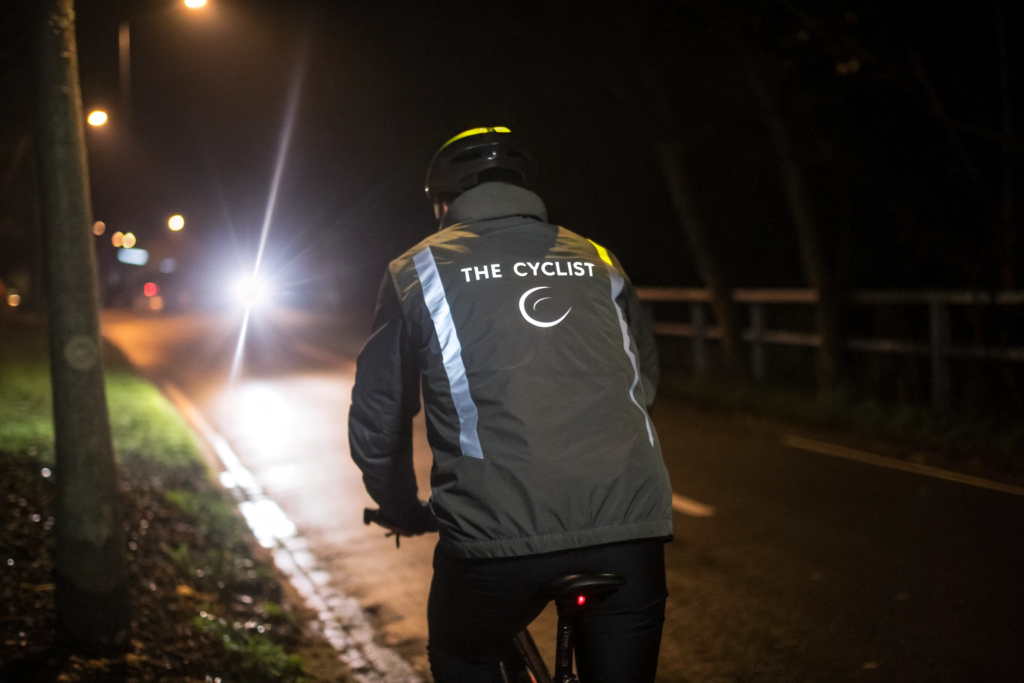
Shanghai Fumao (https://fumaofabric.com/) uses certified 3M™-level glass bead technology for our reflective logos. We offer different grades of reflectivity (measured in cd/lx/m²) to ensure you meet global safety standards. For a US-based client last year, we integrated reflective branding into the side seams of their yoga leggings—it looked like a stylish silver stripe by day, but glowed white under car headlights at night. We really can do this—combine fashion-forward aesthetics with life-saving visibility.
How to source high-visibility reflective materials for workwear?
Not all silver fabric is reflective. You need to check the candlepower rating. If you are looking for how to buy EN ISO 20471 compliant reflective tape, you’ll see that the requirements are very specific. We provide all the safety data sheets (SDS) needed for customs. You can also read about the physics of retro-reflectivity in textiles or look up global standards for high-visibility clothing to see the benchmarks our materials hit.
Why choose silver glass bead transfers over reflective ink?
Ink tends to crack and lose its shine after a few washes. Glass bead transfers are much more resilient. In our Keqiao lab, we tested our 2026 reflective line and found it retained 85% of its reflectivity even after 50 industrial wash cycles. This is the kind of long-lasting safety branding for activewear that serious athletes demand. Check out the durability of reflective heat transfers or innovations in night-visibility apparel to see why we’re moving toward these high-performance films.
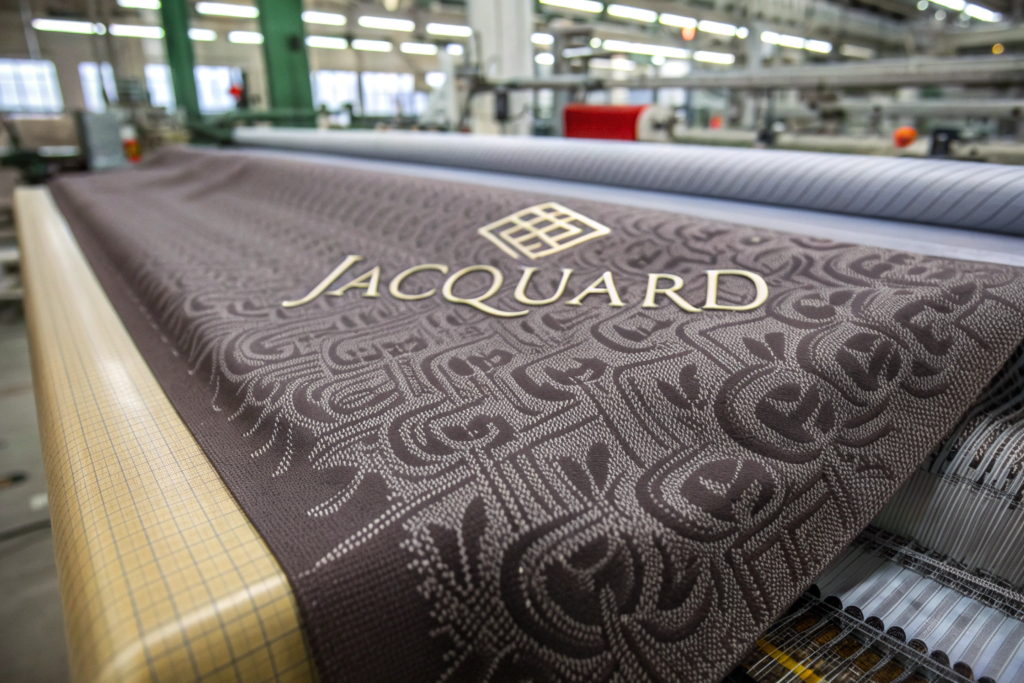
Can Jacquard Weaving Incorporate Complex Logos?
If you want the ultimate "luxury" feel, you don’t print the logo—you weave it. Most factories struggle with this because it requires advanced Jacquard looms and a deep understanding of yarn tension. If the logo is too complex, the fabric gets "bunchy" or the logo looks pixelated and cheap. This is a rare style that many avoid because of the high setup costs and technical difficulty. (But for us, it’s just another day at the factory).
Shanghai Fumao specializes in "Integrated Branding." We use AI-assisted pattern mapping to weave your logo directly into the fabric structure. This is perfect for home textiles, luxury linings, or high-end knitwear. Because the logo is part of the fabric, it can never peel, fade, or crack. We really can do this—create a subtle, "quiet luxury" branding that lasts the lifetime of the garment.
What are the benefits of woven logos vs. printed logos?
Woven logos offer a premium hand-feel and zero chance of degradation. If you are interested in how to design custom woven labels and fabrics, you’ll find that the level of detail possible with modern looms is incredible. We recently helped an American boutique create a custom silk-blend lining where their logo was woven in a tonal "watermark" style. You can also research the history of jacquard weaving technology or look into luxury branding trends in high-end textiles to see why this is becoming the preferred choice for top-tier brands.
How to customize complex jacquard patterns for small batches?
Usually, jacquard has massive MOQs. However, by using our local Keqiao network of "Agile R&D" partners, we can offer smaller runs for development. Our 48-hour sample development means you can see your woven logo in days, not weeks. Check out tips for ordering custom jacquard fabric or read about digital jacquard looms for small-scale production to see how we are lowering the barriers to this high-end technique.
Conclusion
Customizing a logo on performance technical textiles is a science, not just an art. Whether it’s ensuring breathability with perforated silicone, maintaining waterproof integrity with no-stitch bonding, or adding safety with 3M™-level reflectivity, Shanghai Fumao (https://fumaofabric.com/) has the technical expertise to get it right the first time. We understand that your brand is your most valuable asset, and we treat every meter of fabric as a showcase for that value.
With our CNAS-certified lab, 20+ years of experience in Keqiao, and an end-to-end supply chain that bypasses the headaches of middlemen, we are ready to take your technical apparel to the next level. We don’t just solve the problem of "how to add a logo"; we solve the problem of "how to make a logo perform."
If you’re ready to start your next high-performance project and want a partner who actually understands the technical details, reach out to us. Our Business Director, Elaine, is an expert at matching the right branding technology to the right fabric type. She can guide you through the sample development process and ensure your logistics—including customs clearance and tariff optimization—are handled with professional care.
Contact Elaine:
Email: [elaine@fumaoclothing.com]
Website: https://fumaofabric.com/








