
What Are the Minimums for Temperature-Adaptive PCM Fabric?
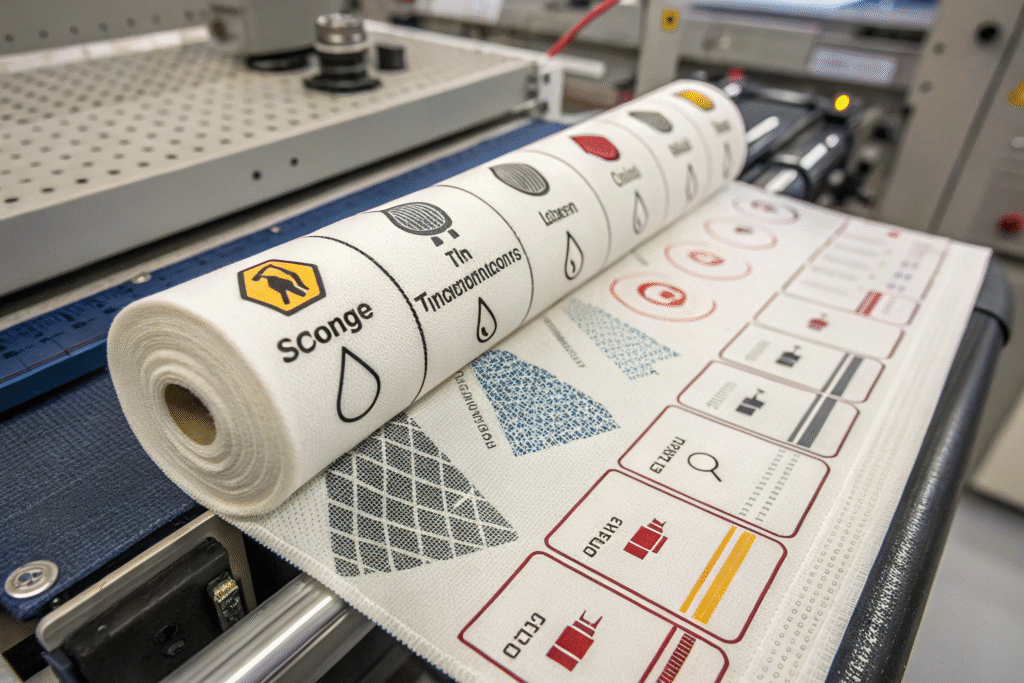
In the realm of smart textiles and advanced performance wear, PCM (Phase Change Material) fabrics are rapidly gaining popularity for their ability to regulate temperature in real time. By absorbing, storing, and releasing heat, these fabrics offer comfort in fluctuating environments—making them ideal for sportswear, outdoor gear, bedding, and even medical garments. But while demand […]
How to Source Climate Beneficial™ Wool Verified by Fibershed?
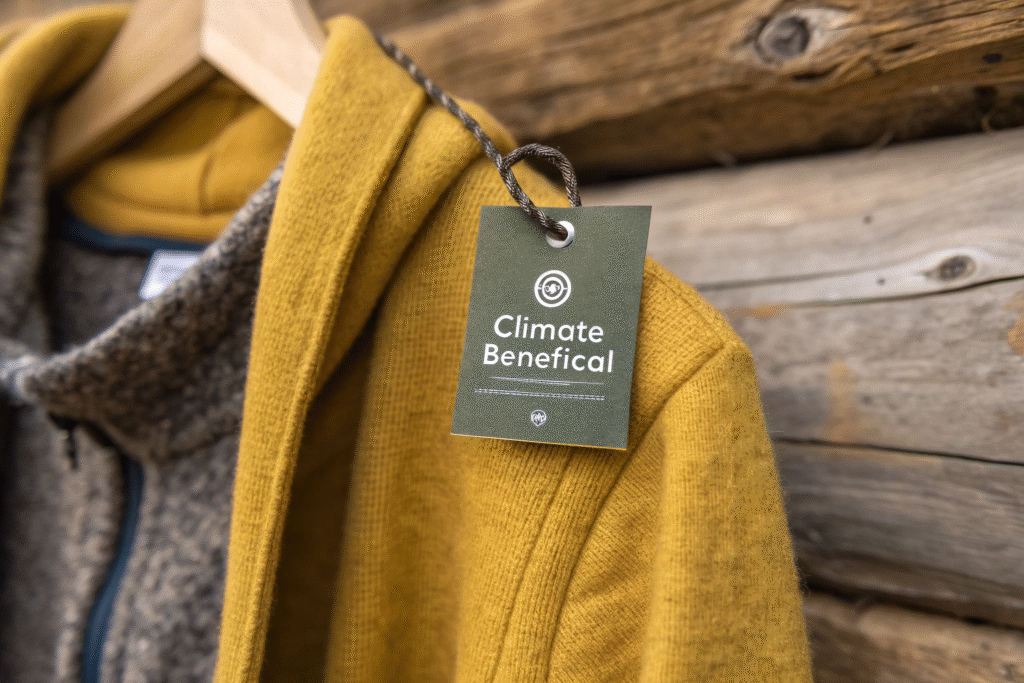
As fashion shifts toward regenerative agriculture and full-fiber traceability, Climate Beneficial™ wool stands out as one of the most authentic sustainable materials available today. Unlike conventional “eco-wool” claims, this certification is backed by measurable carbon drawdown, land stewardship, and a localized supply chain. Sourcing Climate Beneficial™ wool means choosing wool verified by Fibershed’s ecological framework, […]
What Are the Best Fabrics for Electromagnetic Shielding (EMF)?
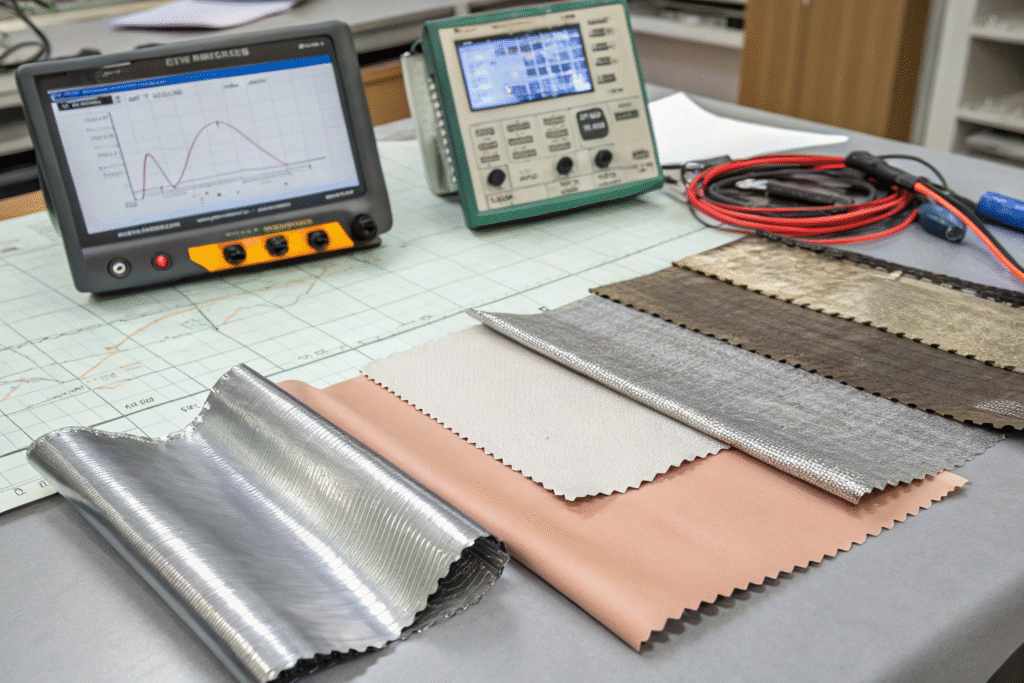
In a world dominated by wireless signals—5G, Wi-Fi, Bluetooth, and RFID—electromagnetic interference (EMI) has become a growing concern, especially in sensitive environments like hospitals, data centers, or wearable tech. For consumers and professionals alike, shielding fabrics offer a critical layer of protection against harmful electromagnetic fields (EMF). Shielding fabrics are designed to block, reflect, or […]
How to Verify Carbon Black Content in Conductive Fabrics?
In smart textiles and ESD (electrostatic discharge) apparel, the conductivity of the fabric often determines whether the product passes or fails industry standards. Among the most widely used additives for this purpose is carbon black—a conductive filler used in fiber extrusion, coating, and lamination to improve electron mobility within fabrics. But verifying the actual carbon […]
Why Choose Closed-Loop Lyocell Production for Zero Waste?
In the era of climate urgency and rising consumer demand for sustainability, zero-waste manufacturing is no longer optional—it’s a strategic imperative. For textile brands, choosing the right fiber isn’t just about softness or breathability; it’s about minimizing environmental damage from start to finish. That’s where Lyocell and its closed-loop production system come in. Lyocell, made […]
Where to Find Heavyweight Ballistic Nylon for Protective Gear?
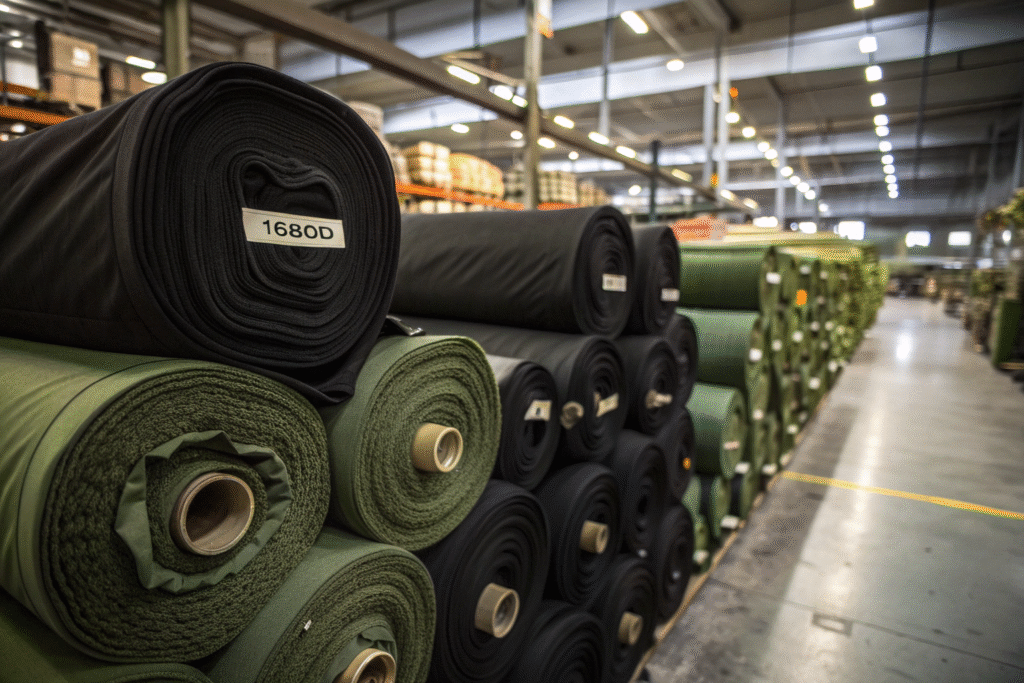
In the world of protective gear manufacturing—whether it’s motorcycle armor, military backpacks, or industrial tool pouches—fabric failure is not an option. Performance under pressure is mandatory. Among all textiles used in tactical and safety gear, heavyweight ballistic nylon stands out for its exceptional abrasion resistance and high tensile strength. Ballistic nylon, especially in weights like […]
What Are the Latest C0 PFC-Free DWR Treatments for Outerwear?
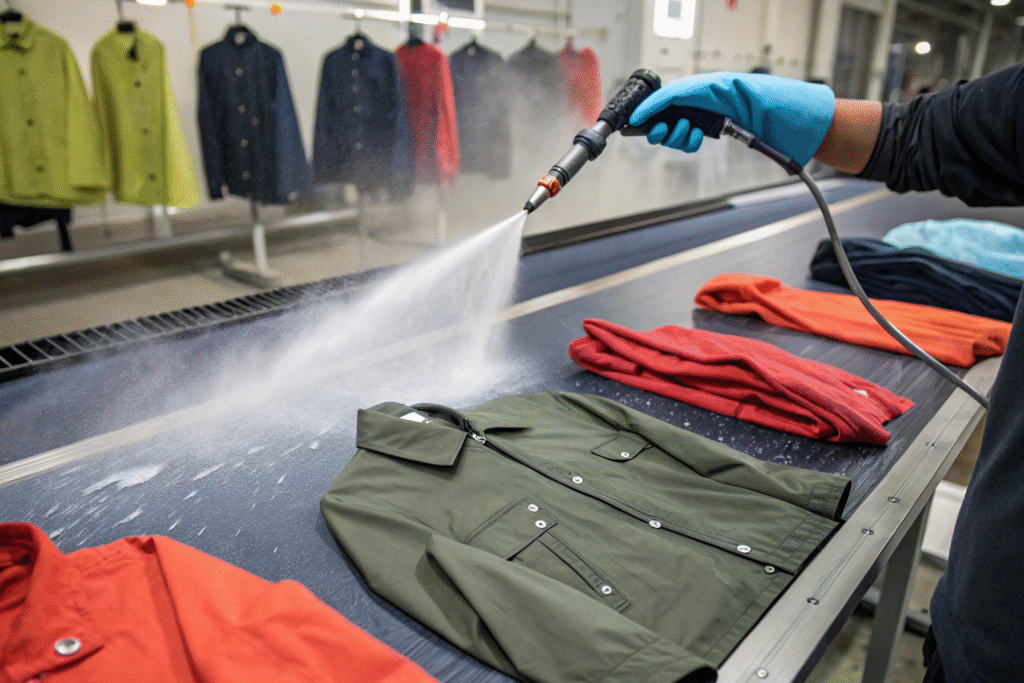
Outdoor apparel has long relied on Durable Water Repellent (DWR) finishes to protect wearers from rain and snow. However, traditional DWR treatments—especially those using long-chain perfluorinated compounds (PFCs)—have come under scrutiny for their environmental persistence and toxicity. Consumers are demanding performance without pollution, and global retailers are now phasing out harmful C8 and even C6 […]
How to Source RFID-Integrated Smart Fabrics for Retail?
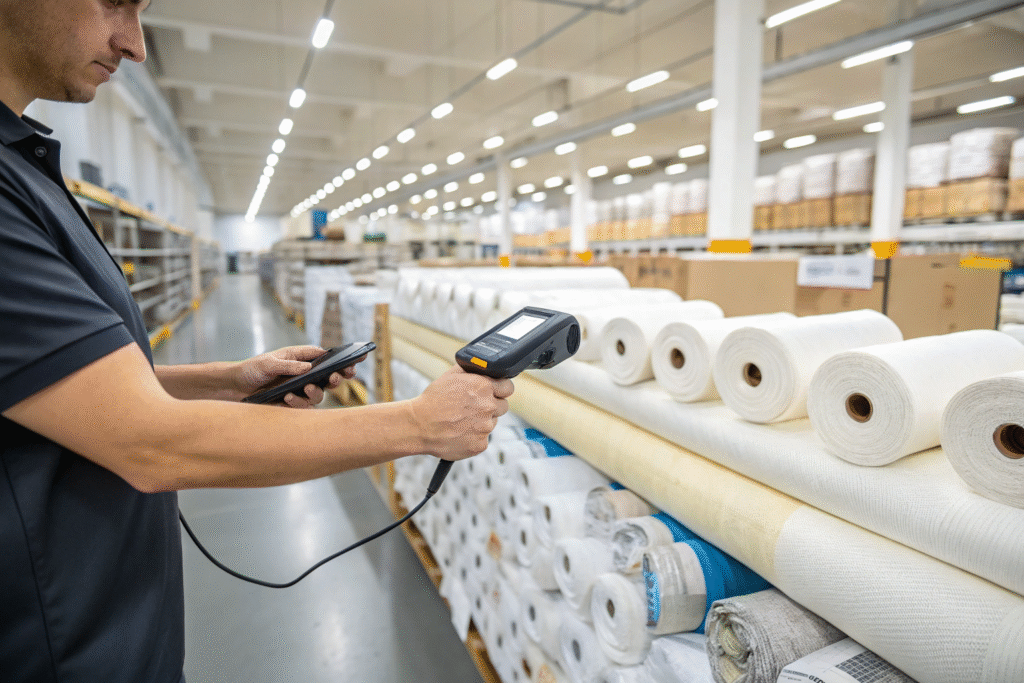
In today’s hyperconnected supply chain, retailers are under pressure to track every garment in real-time—from origin to shelf. But barcodes alone don’t cut it anymore. Retailers demand more than just aesthetics and cost—they want traceability, inventory precision, and customer experience innovation. That’s where RFID-integrated smart fabrics come in. RFID-enabled textiles are the future of apparel […]
Why Is ISO 3759 Critical for Fabric Dimensional Stability Testing?
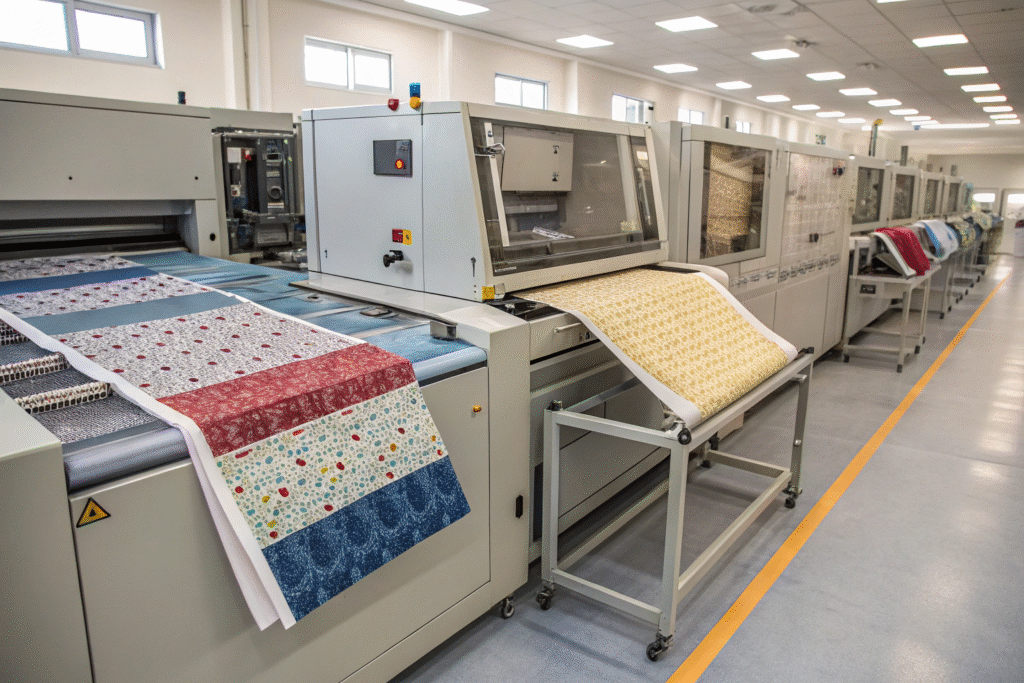
When sourcing or producing garments, the last thing any brand wants is shrinkage surprises after the first wash. Whether you’re manufacturing t-shirts, workwear, or technical textiles, ensuring dimensional stability is key to quality control. That’s where ISO 3759 steps in. ISO 3759 defines the standardized preparation, conditioning, and measurement of fabrics for dimensional change testing. […]
What Are the Best Hydrophobic Finishes for Quick-Dry Beachwear?
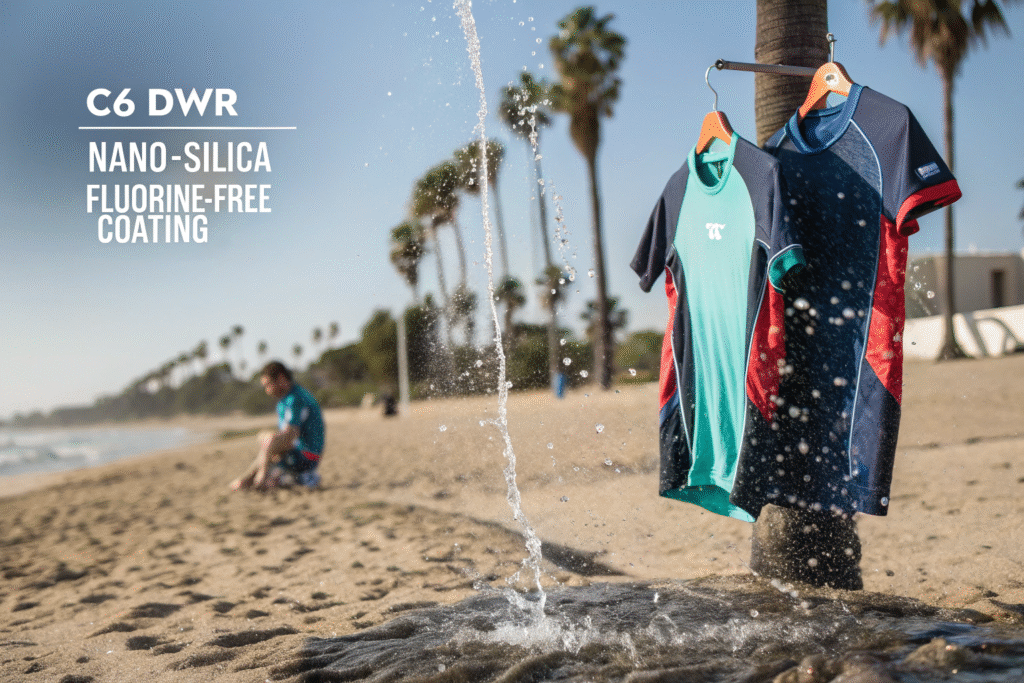
From surfing in the Pacific to lounging poolside in Miami, beachwear must dry fast, stay light, and resist sticking to the skin. That’s where hydrophobic finishes come into play. These invisible coatings repel water on contact—keeping garments light, breathable, and more comfortable even after full immersion. Hydrophobic finishes for beachwear are chemical treatments applied to […]