
Why Choose PTT (Sorona®) Fiber for Stretch Recovery Fabrics?
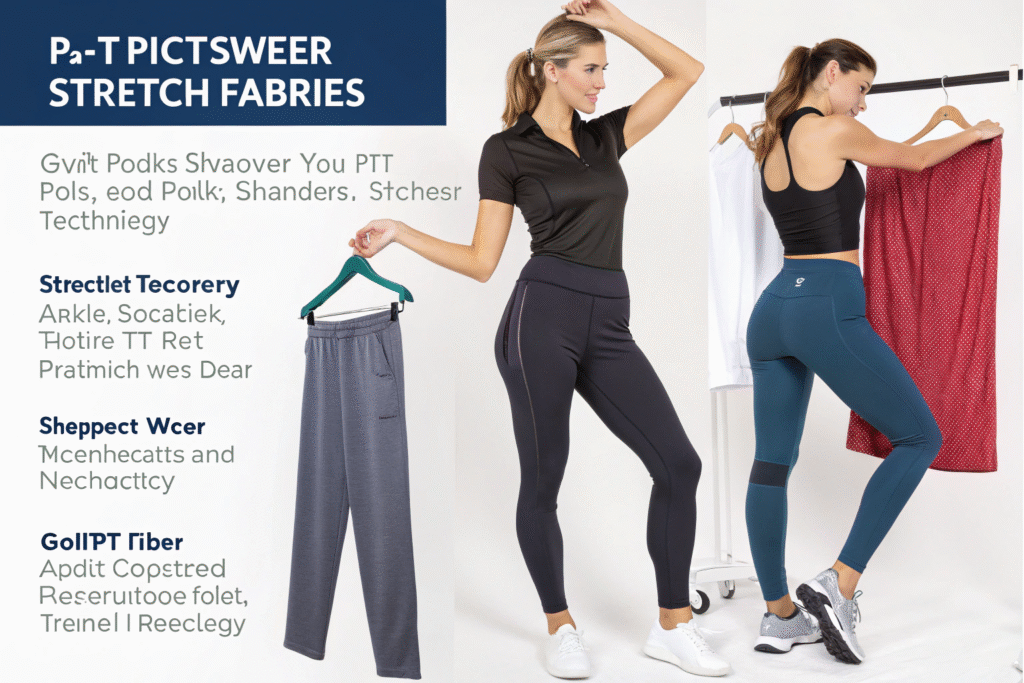
Stretch fabrics are everywhere—from yoga pants to golf polos, shapewear to travel wear. But not all stretch materials are created equal. The challenge lies not only in stretch—but in stretch recovery. Fabrics that sag or lose shape after wear quickly disappoint consumers. This is where PTT fiber (Sorona®) technology steps in. PTT (Polytrimethylene Terephthalate), branded […]
How to Test Fabric for Endocrine-Disrupting Chemical Residues?
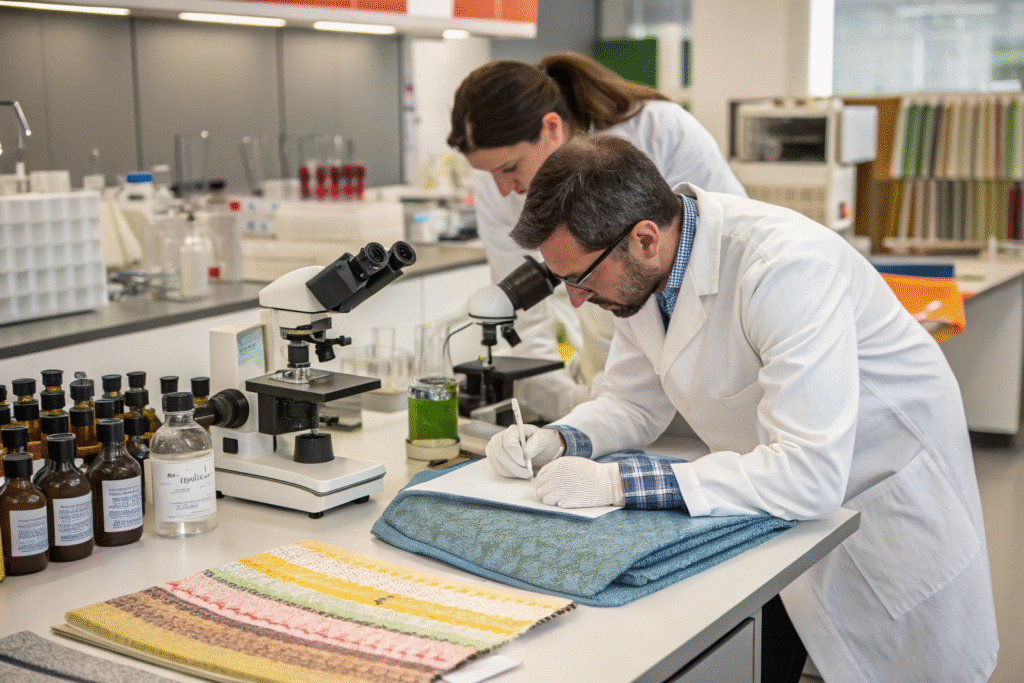
Consumers are increasingly aware that what touches their skin can affect their long-term health—especially with regard to endocrine-disrupting chemicals (EDCs) in fabrics. EDCs like phthalates, BPA, formaldehyde, and certain flame retardants can interfere with hormones, affecting reproduction, metabolism, and development. Testing for endocrine-disrupting chemical residues in textiles involves analytical lab methods such as GC-MS (Gas […]
Where to Find Odor-Eliminating Zeolite-Treated Performance Fabric?
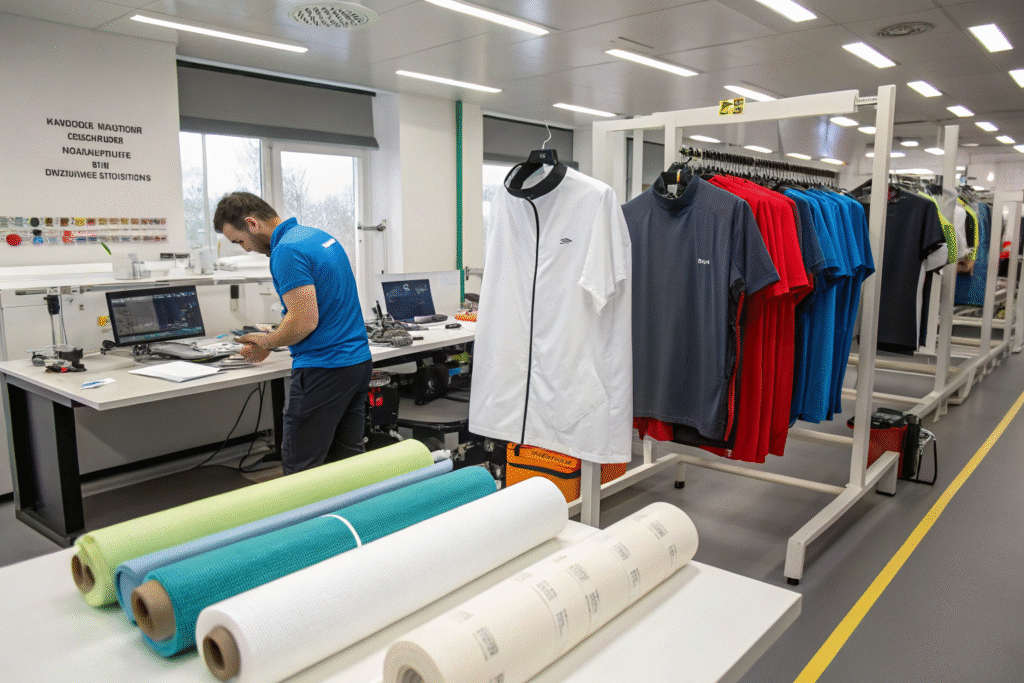
In today’s performance textile market, odor control is a major concern for activewear buyers and manufacturers. Sweat odors can ruin even the most technically advanced sportswear. Enter zeolite-treated fabrics—a game-changing innovation for odor elimination in performance textiles. Zeolite-treated performance fabric uses natural volcanic minerals to trap, absorb, and neutralize body odors without relying on harsh […]
Why Choose Banana Fiber Fabric for Lightweight Summer Textiles?

The summer apparel market is shifting. Consumers are demanding natural, breathable, and sustainable fabrics that are both eco-responsible and fashion-forward. But traditional fibers like cotton and linen are facing growing competition from alternative natural sources—one of which is gaining global attention: banana fiber. Banana fiber fabric is lightweight, breathable, and eco-friendly—making it an ideal choice […]
How to Source Fire-Resistant FR Modacrylic Blend Fabrics?
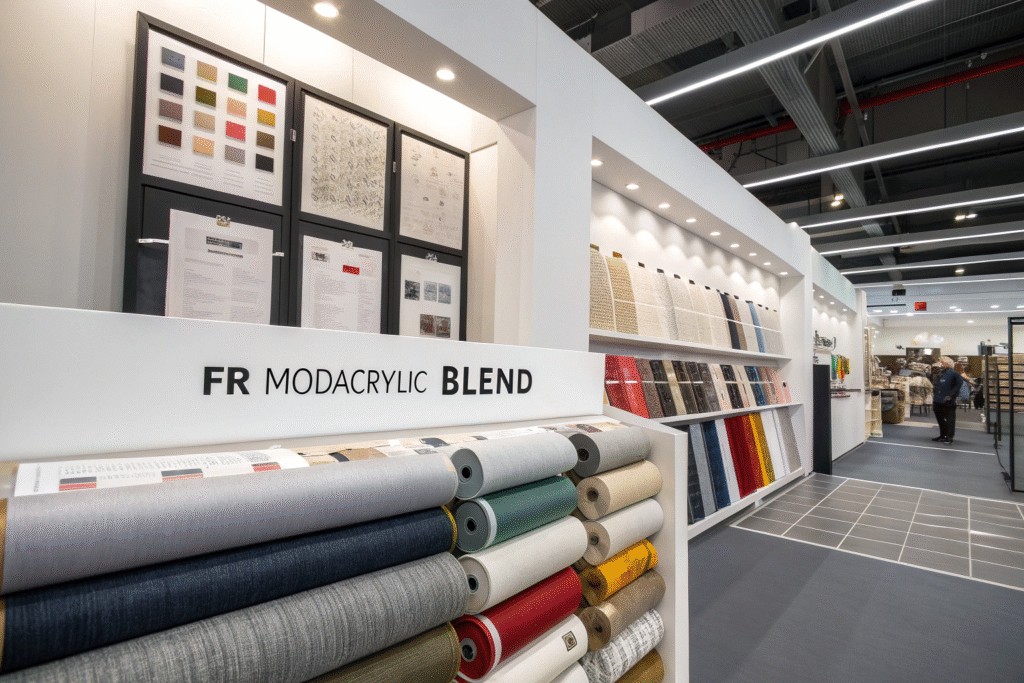
Fire safety is no longer just a regulatory checkbox—it’s a growing requirement across industries from oil & gas to military, construction, and transportation. For buyers seeking flame-resistant (FR) fabric, modacrylic blends have become a standout choice for their balance of comfort, performance, and safety. But sourcing the right FR Modacrylic blend fabrics from reliable suppliers […]
What Are the Best Fabrics for Haptic Feedback in Wearables?

Wearable technology is no longer just about fitness trackers or smartwatches. It’s entering the realm of real-time sensory feedback—transforming how we interact with devices through haptic feedback fabrics. But here lies the challenge: How do you choose a textile that’s comfortable, durable, and also responsive to vibration, pulse, or tactile stimuli? The best fabrics for […]
Why Is ISO 9073 Standard Critical for Non-Woven Fabric Strength?
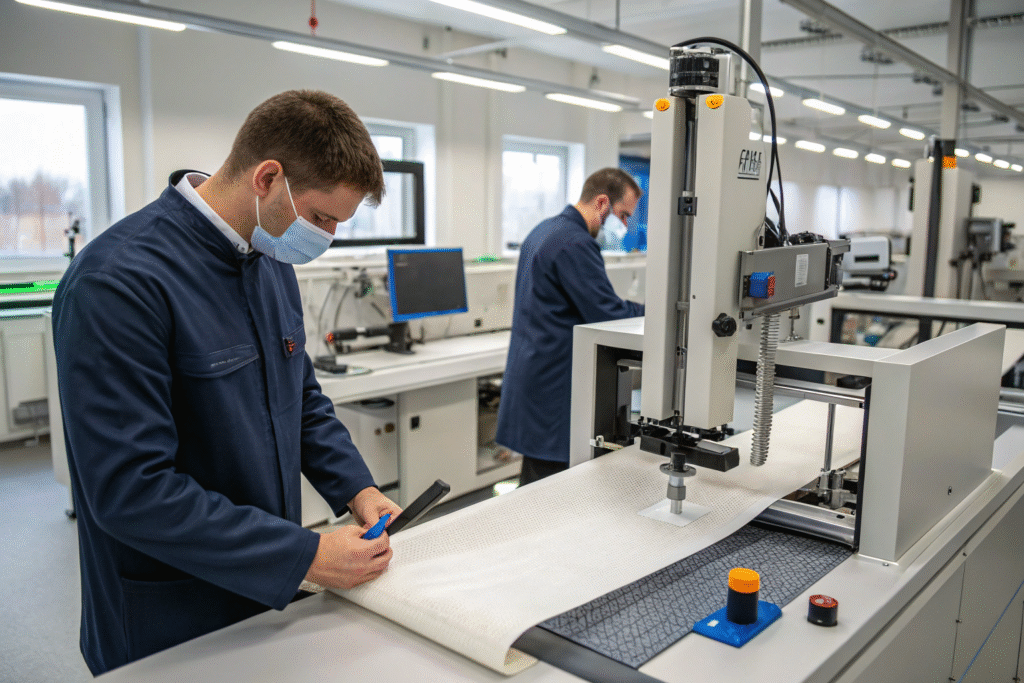
As the demand for durable and functional non-woven fabrics skyrockets—spanning everything from medical gowns to geotextiles—the question of how we define and guarantee strength becomes more urgent than ever. Many buyers struggle with inconsistent product quality, weak performance in real-world applications, and an overload of technical jargon from suppliers. If you’ve ever imported non-woven fabrics […]
Where to Find MIL-SPEC Berry Compliant Camouflage Fabric?
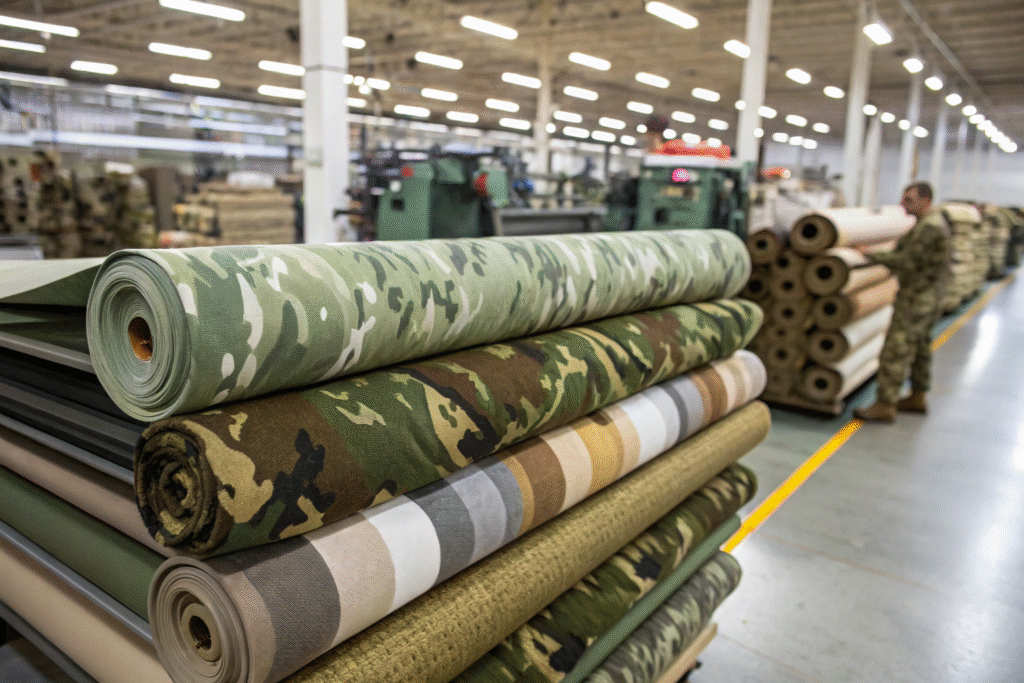
Many U.S. tactical brands, military uniform suppliers, and government contractors often face a critical bottleneck: finding a dependable source of camouflage fabric that meets both MIL-SPEC standards and Berry Amendment compliance. With the increasing demand for Made in USA solutions and strict procurement policies by the Department of Defense (DoD), sourcing such specialized fabric isn’t […]
How to Verify Recycled Ocean Plastic Content in rPET Fabric?
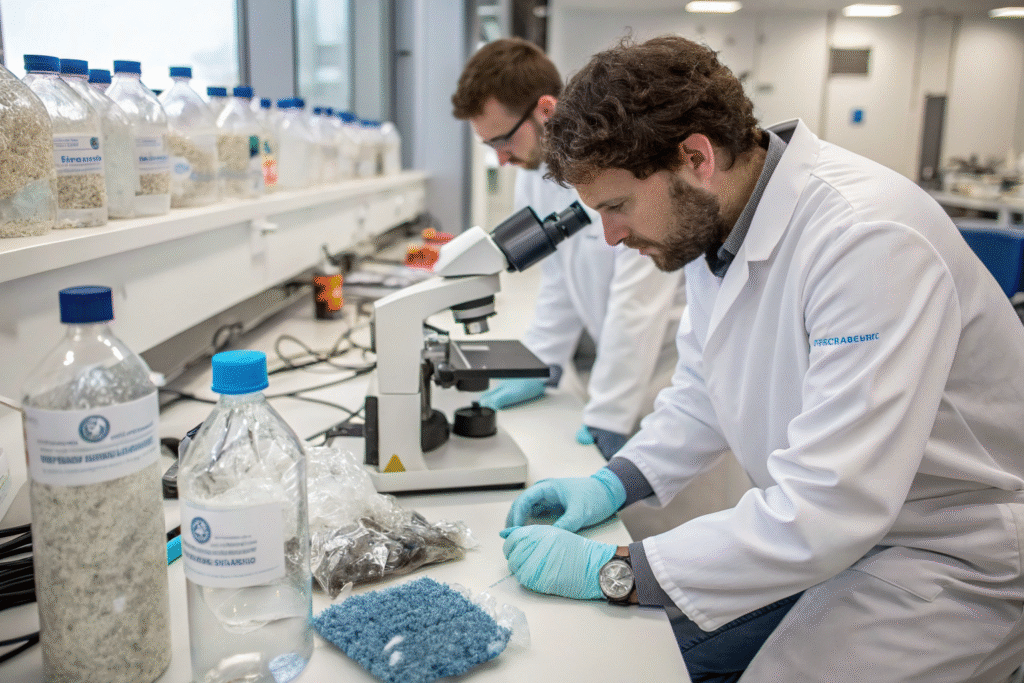
The growing demand for eco-friendly apparel has catapulted recycled PET (rPET) into the spotlight—especially rPET sourced from ocean plastic waste. But as brands increasingly promote their sustainability commitments, a critical question emerges: How can you actually verify that your rPET fabric contains genuine ocean plastic—and not just general recycled PET from post-consumer bottles? This article […]
What Are the Latest Developments in Self-Healing Fabric Coatings?
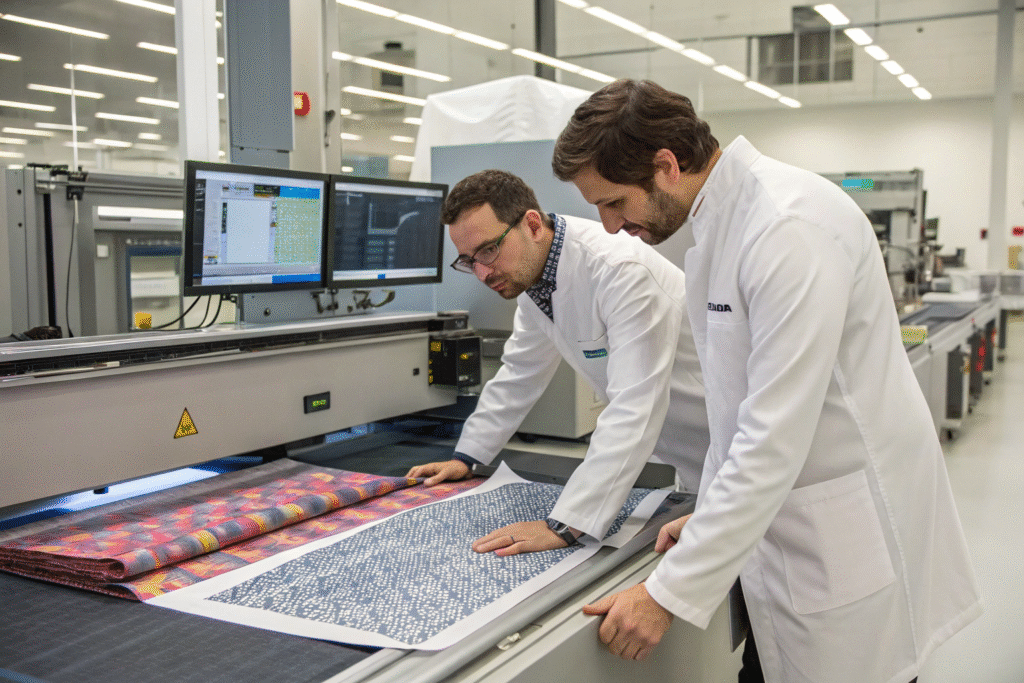
Fabric coatings have traditionally served as barriers—protecting against water, stains, and UV rays. But today, the frontier of textile innovation is evolving toward self-healing coatings—advanced materials capable of automatically repairing minor damage like cuts, abrasions, or punctures. Recent developments in self-healing fabric coatings leverage microencapsulated polymers, dynamic bonds, and biomimetic chemistries to enable fabrics that […]