
Why Is ISO 3801 Standard Important for Fabric Mass Testing?
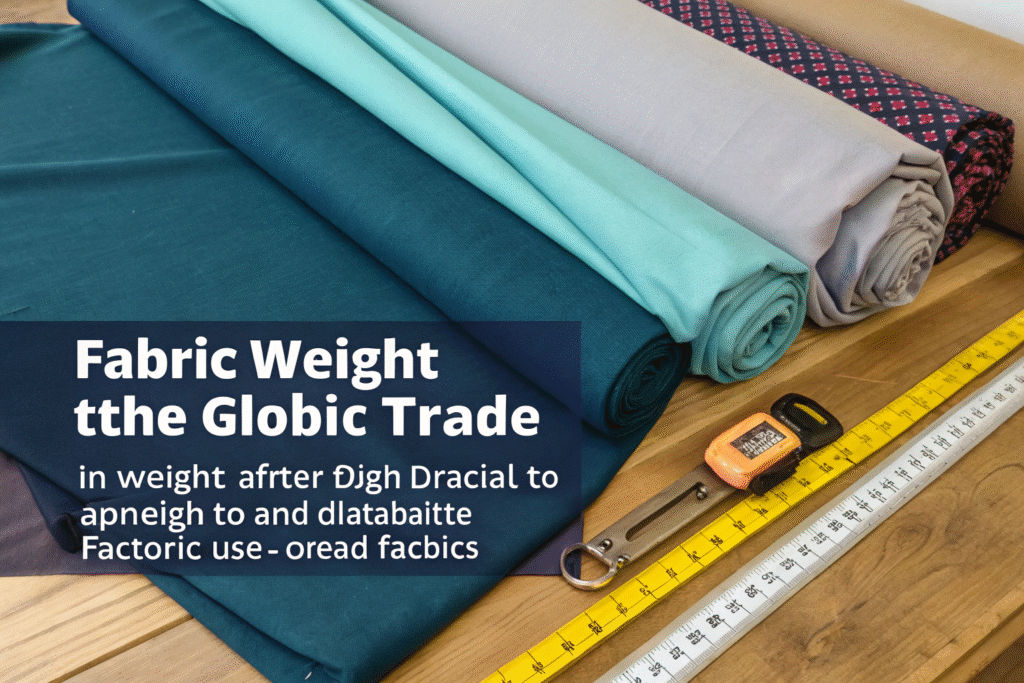
In the global fabric trade, knowing the weight of a textile isn’t just technical—it’s essential. Fabric weight directly influences drape, opacity, durability, pricing, and end-use applications. But how can you ensure consistent, comparable results across suppliers and factories? That’s where ISO 3801 comes in. This international standard provides a clear and repeatable method to determine […]
How to Source Temperature-Regulating Aloe Vera Coated Fabric?
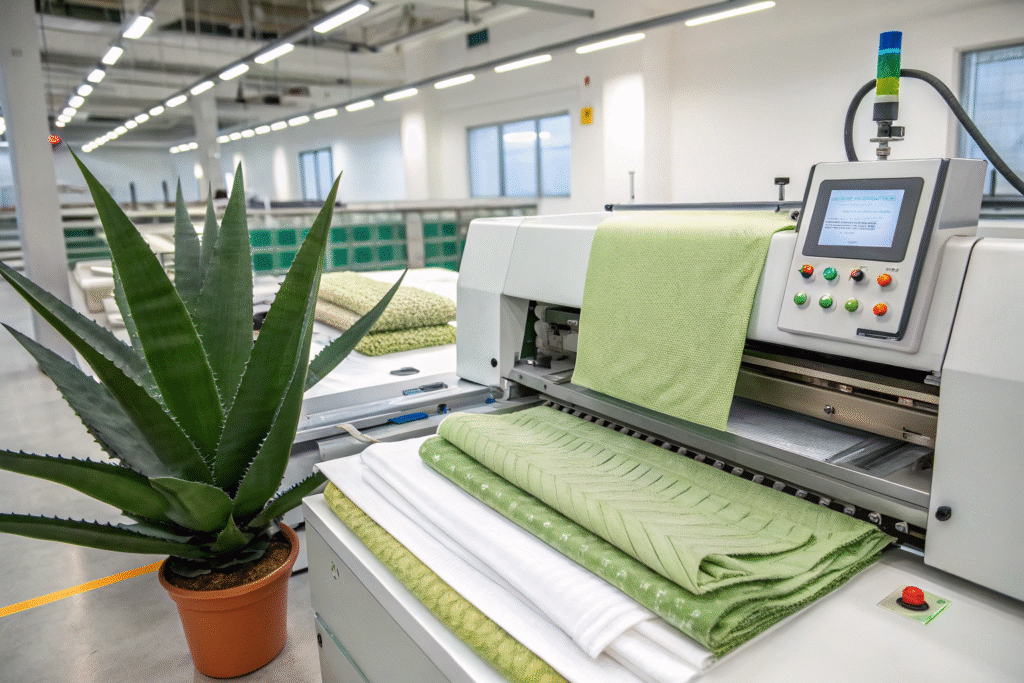
In today’s wellness-driven textile market, customers are asking for more than comfort—they want fabrics that actively support skin health and thermoregulation. That’s where aloe vera coated fabric comes in. If you’re sourcing advanced textiles for loungewear, sleepwear, activewear, or bedding, temperature-regulating aloe vera fabric can deliver both functional benefits and strong consumer appeal. This guide […]
What Are the Best Fabrics for Noise Reduction in Acoustic Panels?
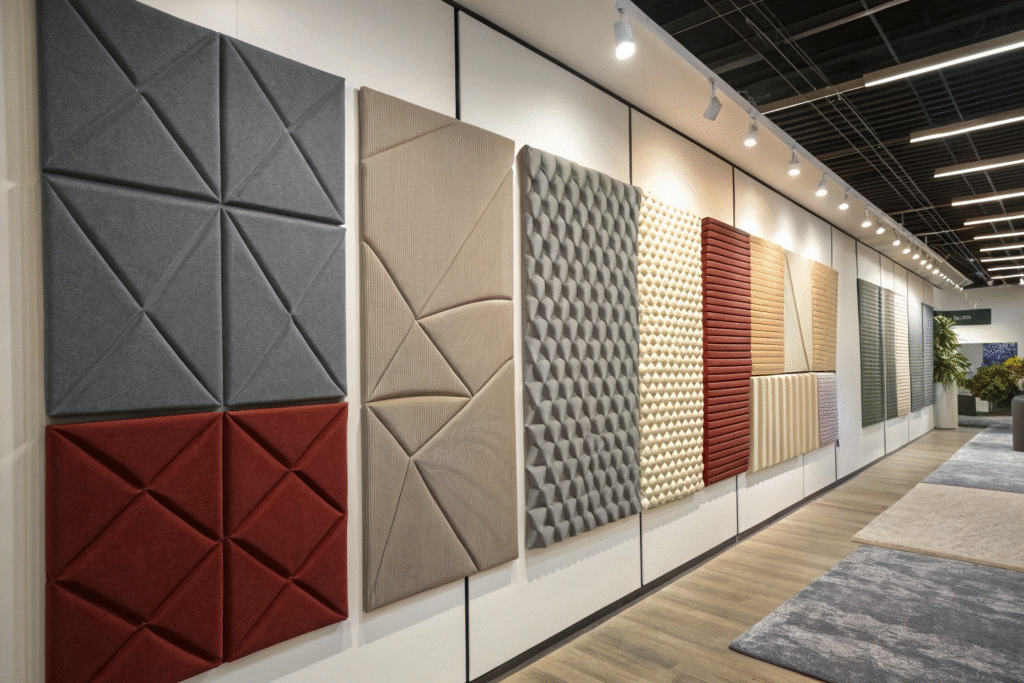
Whether you’re building a music studio, outfitting a corporate conference room, or creating a high-end home theater, acoustic performance starts with surface materials. And when it comes to acoustic panels, fabric isn’t just decorative—it’s functional. If you’re seeking optimal noise absorption and aesthetic versatility, choosing the right fabric is critical to ensure your acoustic panels […]
Where to Find Lightweight Para-Aramid Fabrics for Racing Suits?
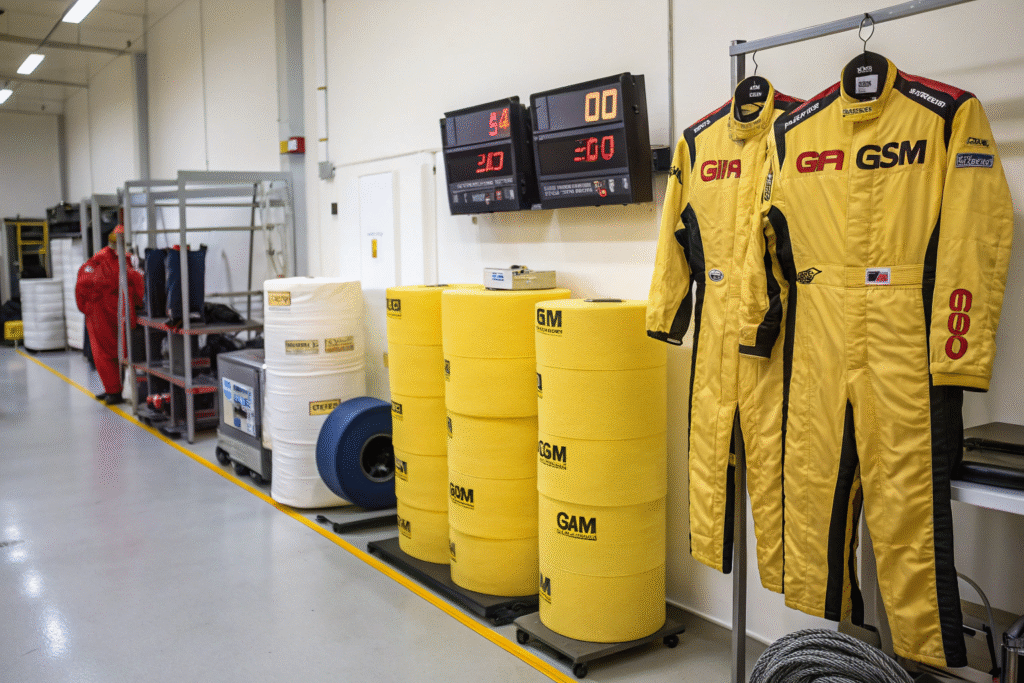
In the high-stakes world of motorsports, milliseconds matter—and so does every gram of fabric. Racing suit manufacturers face a dual challenge: deliver ultimate protection against flame and abrasion, while keeping garments as light and breathable as possible. That’s where lightweight para-aramid fabrics come in. If you’re searching for high-performance materials that meet FIA, SFI, or […]
Why Choose Geo-Tagged Organic Cotton for Full Traceability?
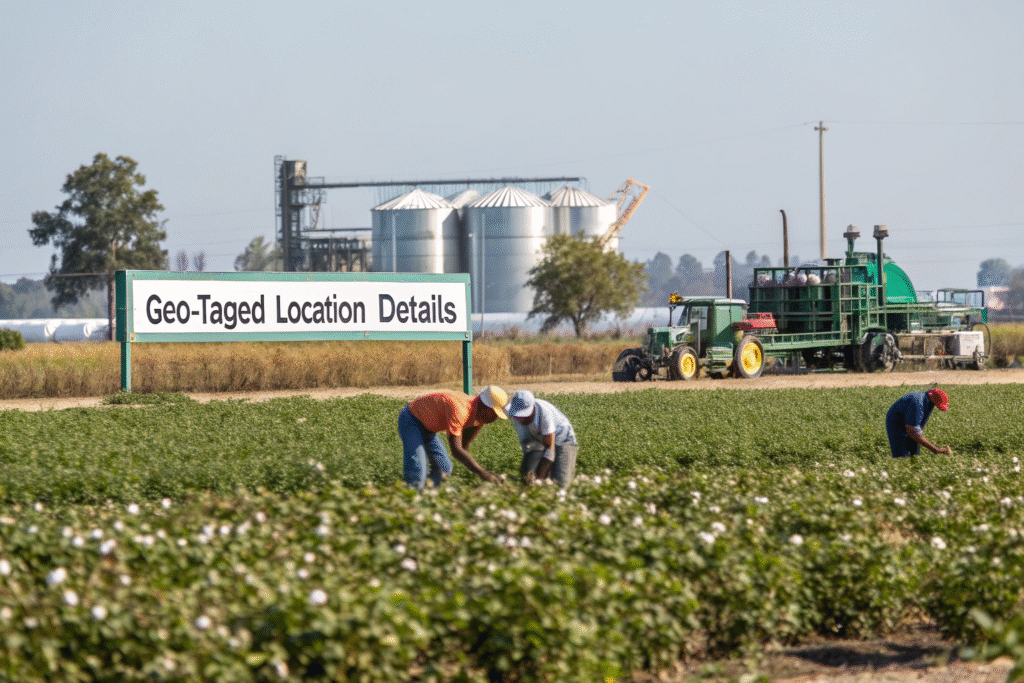
Consumers and global brands alike are demanding one thing: proof. Organic labels are no longer enough. In an industry plagued by fraud and opacity, full traceability has become a new standard—and geo-tagged organic cotton is leading the way. If you’re sourcing sustainable cotton, choosing geo-tagged options gives you full visibility from farm to fabric roll, […]
What Are the Best ISO 6330 Tested Washable Silk Alternatives?
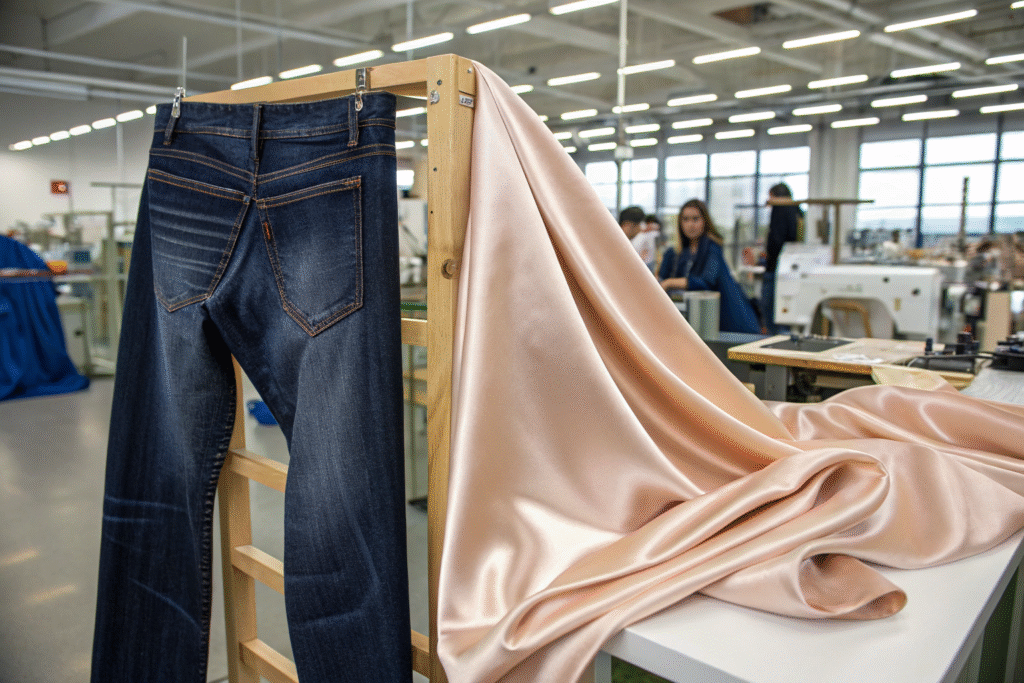
Silk may be synonymous with luxury, but it’s far from perfect—especially when it comes to care. The average consumer wants beauty and durability, and today’s fabric buyers, especially from the U.S. and Europe, expect machine-washable options that won’t compromise softness, sheen, or drape. As a China-based textile manufacturer serving over 100 countries, we’ve watched this […]
Why Choose Woolmark® Certified Merino Knits for Base Layers?
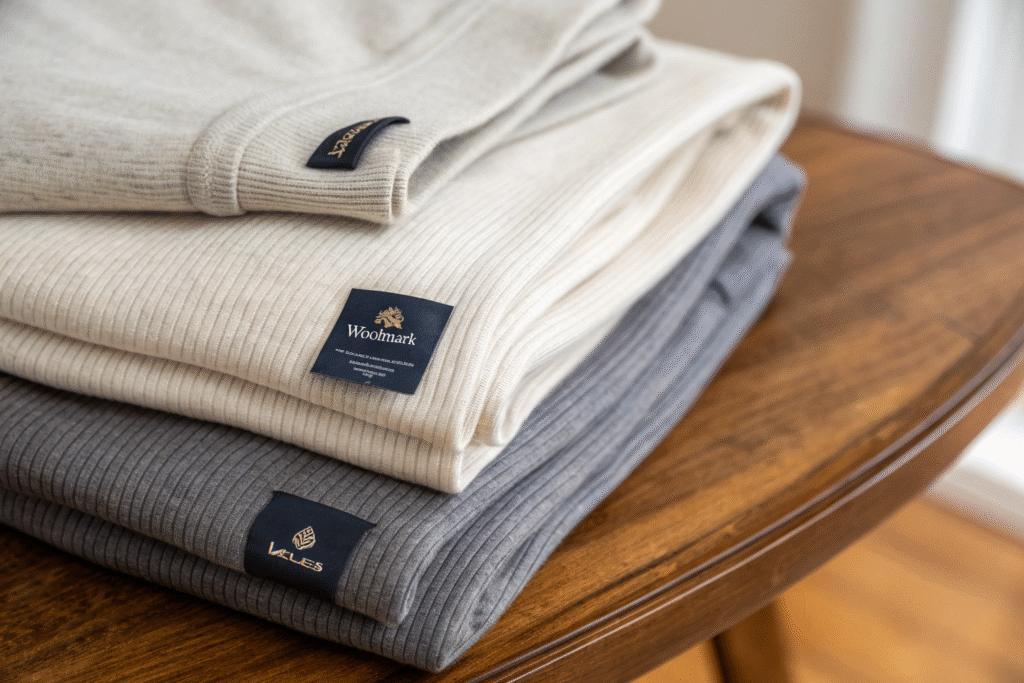
Merino wool has long been favored for cold-weather comfort, but today’s activewear and outdoor markets demand more than just warmth—they want traceable, high-performance fabrics that regulate temperature, wick moisture, and minimize odor. That’s where Woolmark® certified Merino knits come in. Woolmark® certification ensures that Merino knit fabrics meet the highest global standards for fiber quality, […]
How to Source NASA-Derived Outlast® Temperature Adaptive Fabric?
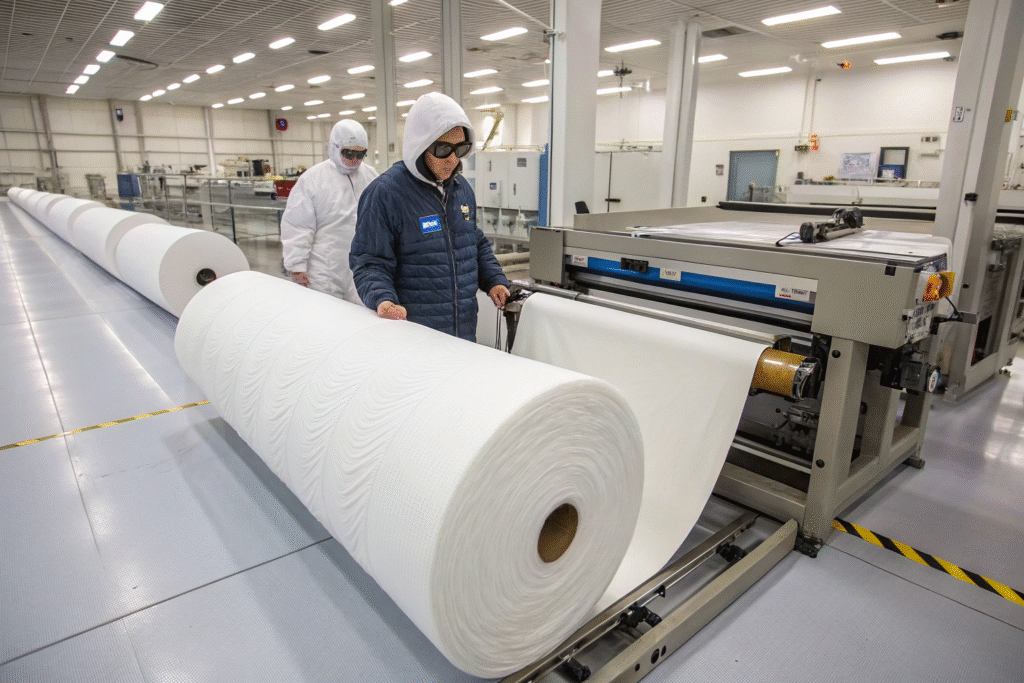
When it comes to intelligent temperature control in textiles, Outlast® fabric stands in a class of its own. Originally developed for NASA to protect astronauts from extreme thermal swings in space, this patented phase change material (PCM) technology is now transforming everyday garments—from underwear and socks to mattress covers and tactical gear. Outlast® fabrics manage […]
Where to Source Phase Change Material (PCM) Lined Fabrics?
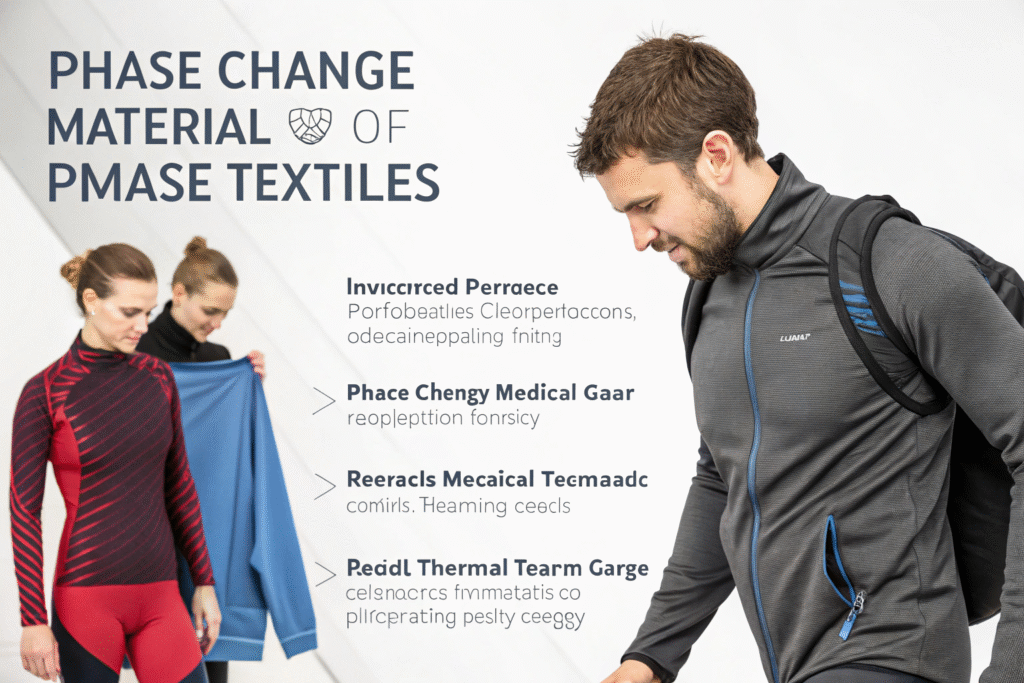
As performance textiles evolve, one innovation stands out in activewear, medical garments, and thermal gear: Phase Change Material (PCM) lined fabrics. These are not just passive textiles—they store and release thermal energy, adapting to body heat and environmental changes in real-time. PCM-lined fabrics use microcapsules embedded in the fibers or coatings, engineered to absorb excess […]
How to Verify Regenerative Cotton Certification in Supply Chains?
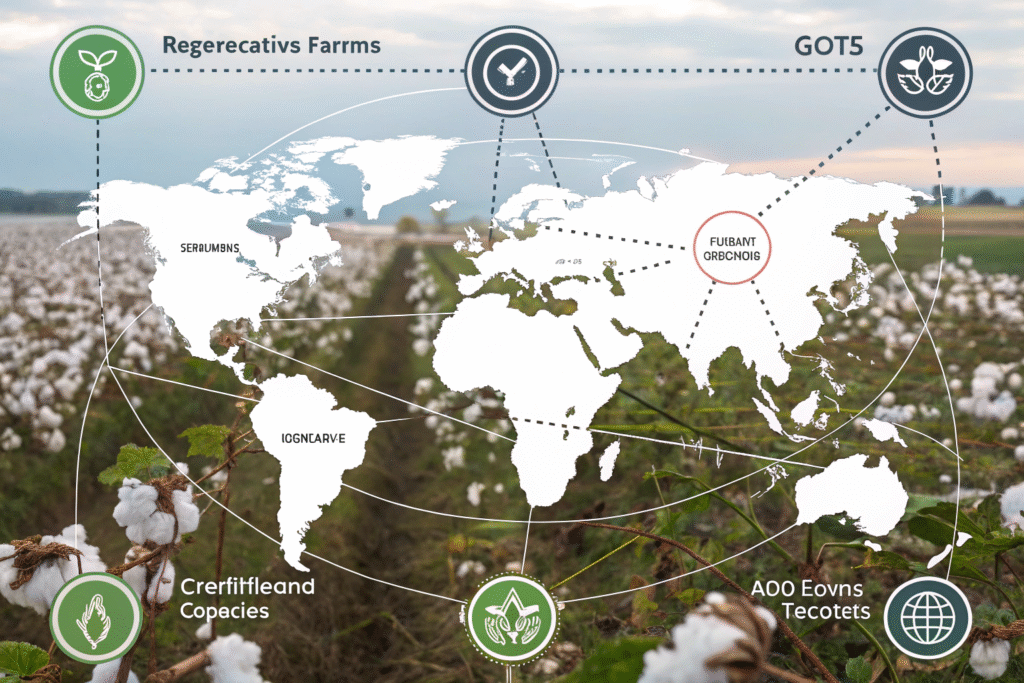
As global demand for sustainable textiles surges, regenerative cotton has emerged as a promising solution—not just for reducing environmental harm but actively reversing it. Unlike conventional organic cotton, regenerative cotton involves farming practices that restore soil health, boost biodiversity, and sequester carbon. But with increased buzz comes increased risk of greenwashing. For responsible brands and […]