
How Do I Choose Fabric for Children’s Clothing?
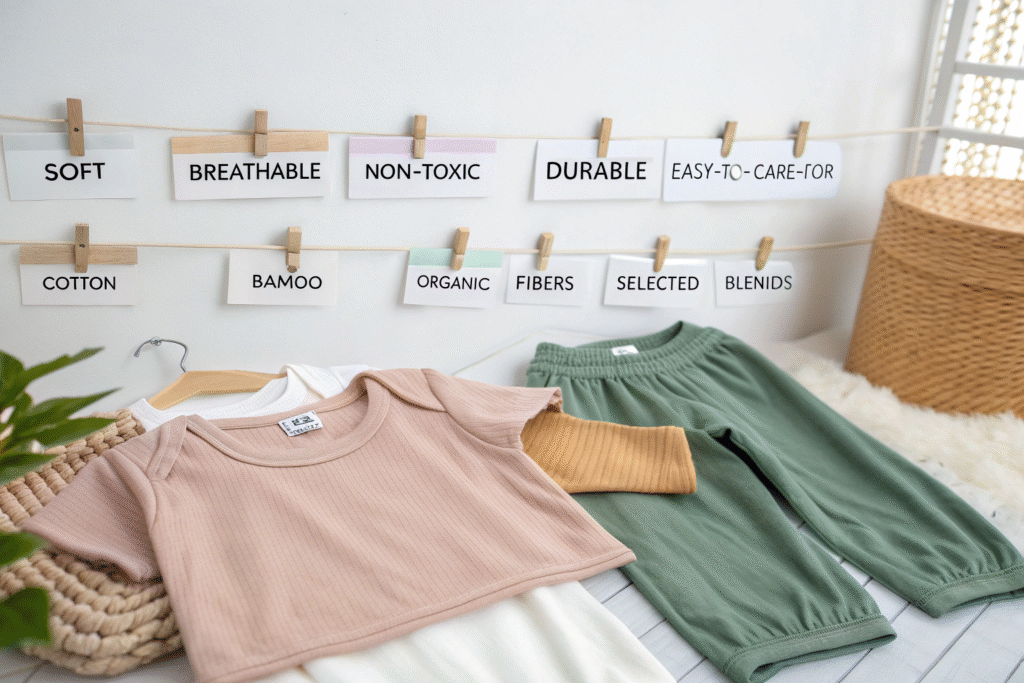
When it comes to children’s clothing, fabric selection is one of the most important decisions. Kids have sensitive skin, they are constantly active, and their clothes go through frequent washing. If the wrong fabric is chosen, it can cause irritation, discomfort, or quick wear and tear. On the other hand, the right fabric ensures safety, […]
Is Bamboo Fabric Really Sustainable for Apparel?
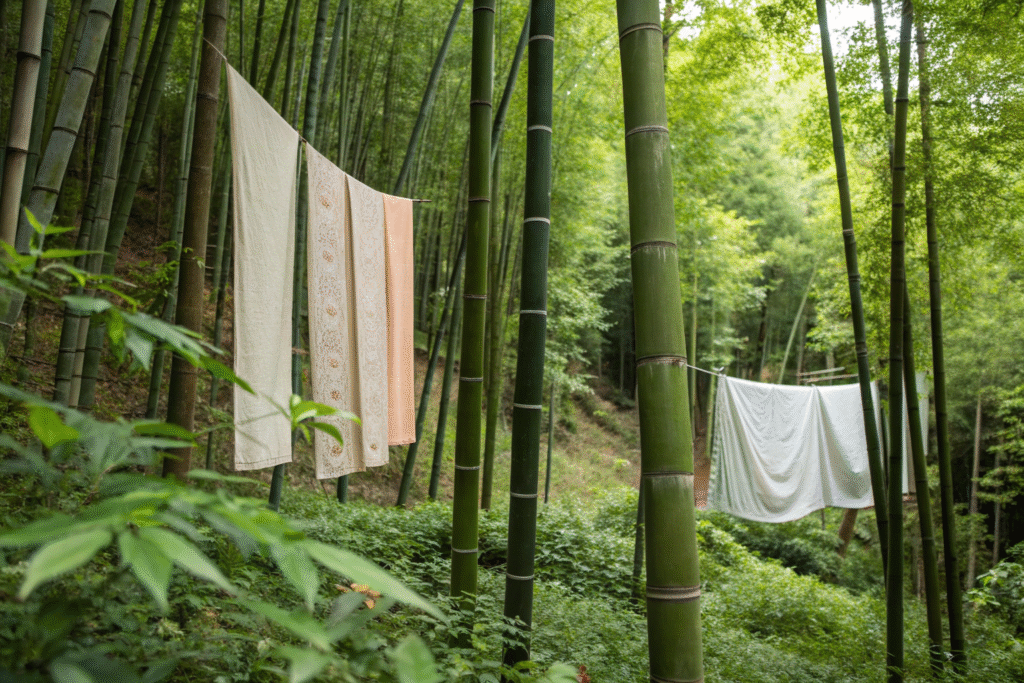
Bamboo has been widely marketed as a “green” solution in the textile industry. Its fast growth, low water needs, and natural antibacterial properties make it sound like an ideal resource for eco-fashion. However, sustainability is not determined only by the plant itself. The way bamboo is processed into fabric ultimately decides whether it is truly […]
What Is Tencel (Lyocell) Fabric and Is It Eco-Friendly?
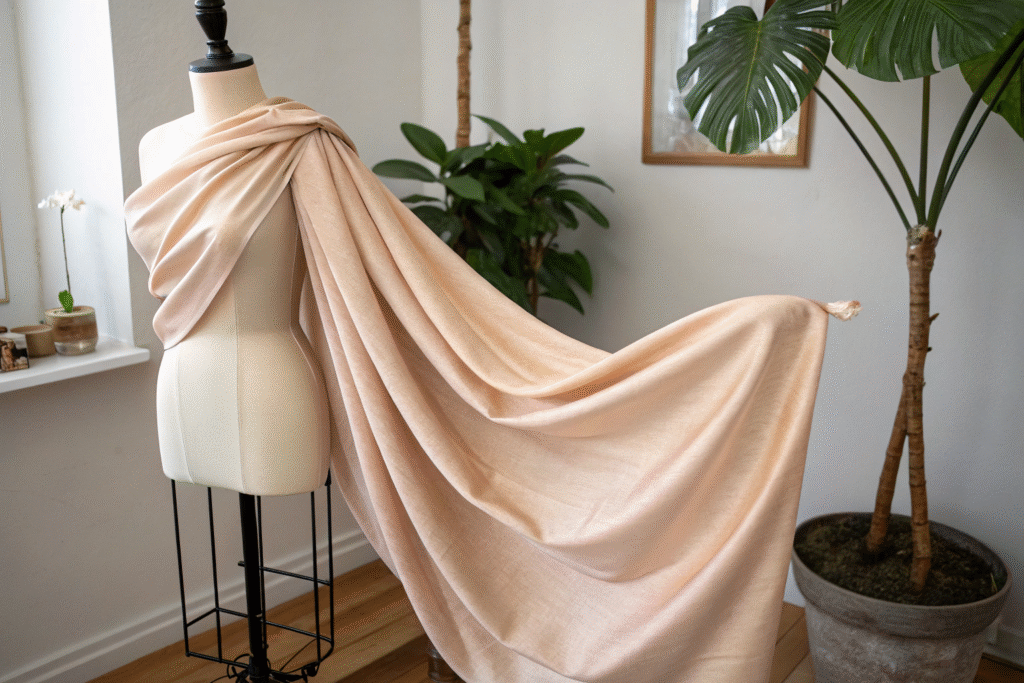
Sustainability has become a defining factor in modern textiles. Both consumers and brands are now searching for fabrics that combine comfort, durability, and environmental responsibility. Among the options available, Tencel™, also known as Lyocell, has emerged as one of the most promising eco-friendly fibers. Still, many people ask what sets it apart from cotton, polyester, […]
Which Fabric Is Best for Athletic Wear?
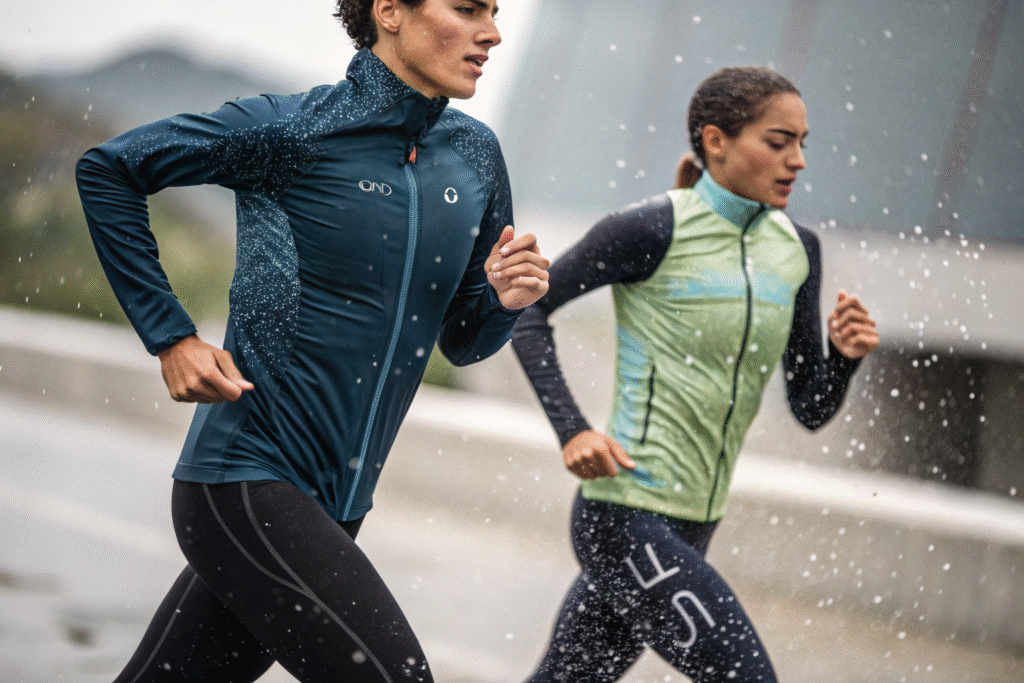
Athletic wear is designed to do much more than look good—it must support comfort, performance, and durability. Many athletes and fitness enthusiasts face the same frustrations: clothing that traps sweat, restricts movement, or causes irritation during training. These problems lead to one essential question: which fabrics are best for athletic wear? The most effective athletic […]
What Does GSM Mean in Fabric?
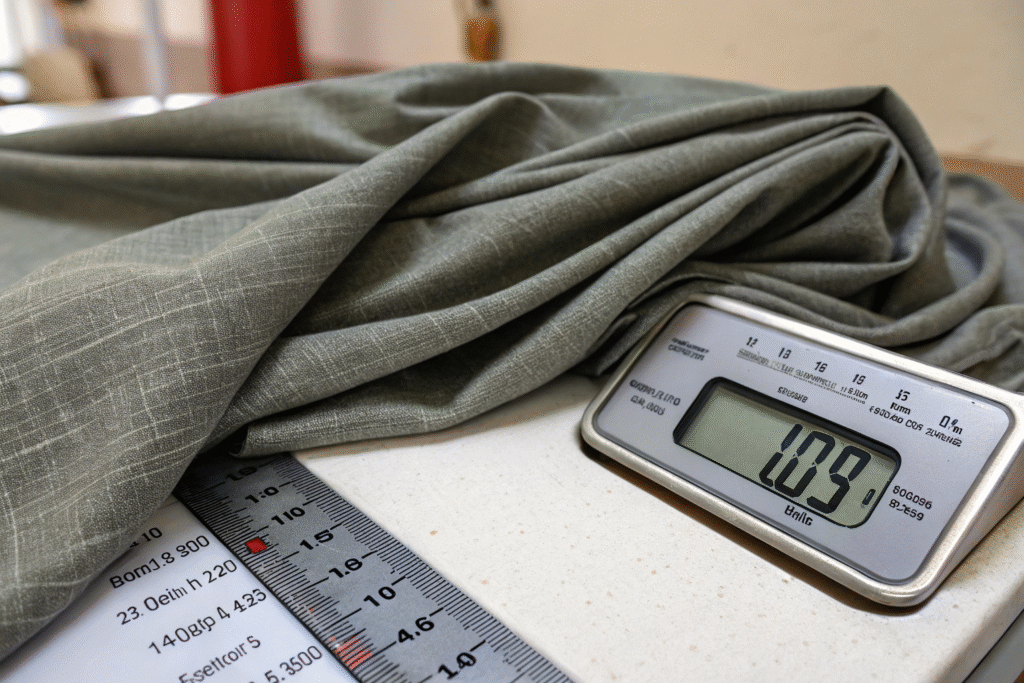
When buying or producing textiles, one technical term appears frequently: GSM. Many buyers see it listed in catalogs or technical sheets but may not fully understand its importance. Without this knowledge, it becomes difficult to evaluate whether a fabric is suitable for a particular purpose. GSM stands for “Grams per Square Meter” and indicates the […]
What Is the Difference Between Cotton and Polyester Fabric?
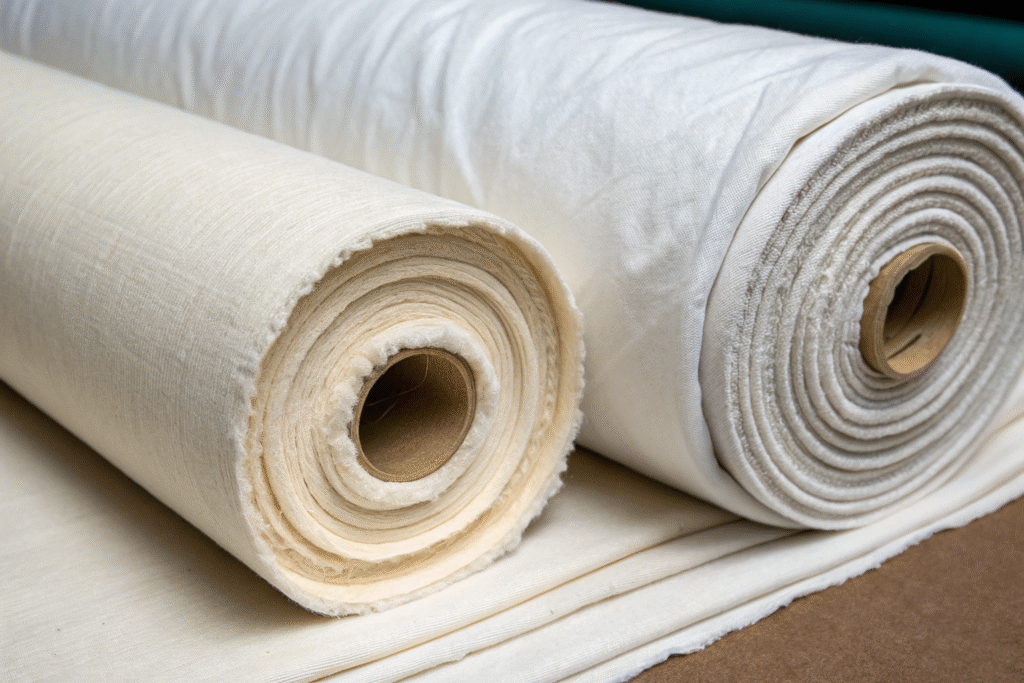
When selecting fabrics for clothing, consumers often face a common question: should they choose cotton or polyester? These two fibers dominate the global textile market, but they meet different needs. Some people prioritize softness and natural comfort, while others prefer durability and easy care. To make an informed choice, it is essential to understand the […]
Which Fabric Is Best for Summer Clothing?

When temperatures rise, the need for comfortable clothing becomes essential. Many people face the same problem: their summer clothes either trap heat, absorb sweat without drying, or feel heavy against the skin. This leads to discomfort and reduced performance during daily activities. Therefore, a key question emerges: which fabrics are truly best for summer wear? […]
Why Choose Self-Replicating Mycelium-Based Habitat Textiles?
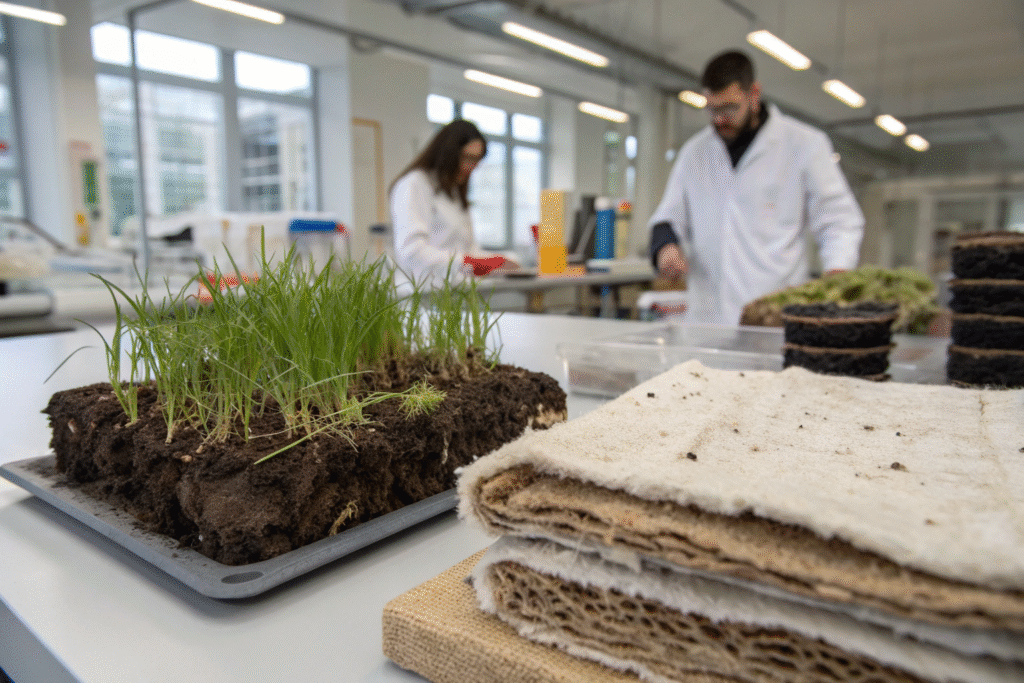
Habitat construction for extreme environments—such as polar research stations, disaster relief shelters, or extraterrestrial bases—faces recurring challenges: high transport costs, limited resupply, and short material lifespans. Traditional textiles eventually degrade, requiring replacement that strains logistics. This creates a fundamental problem: how to design fabrics that can regenerate themselves, reduce waste, and adapt to environmental stressors. […]
Where to Find MIL-PRF-32681 Extreme Cold Weather Fabrics?
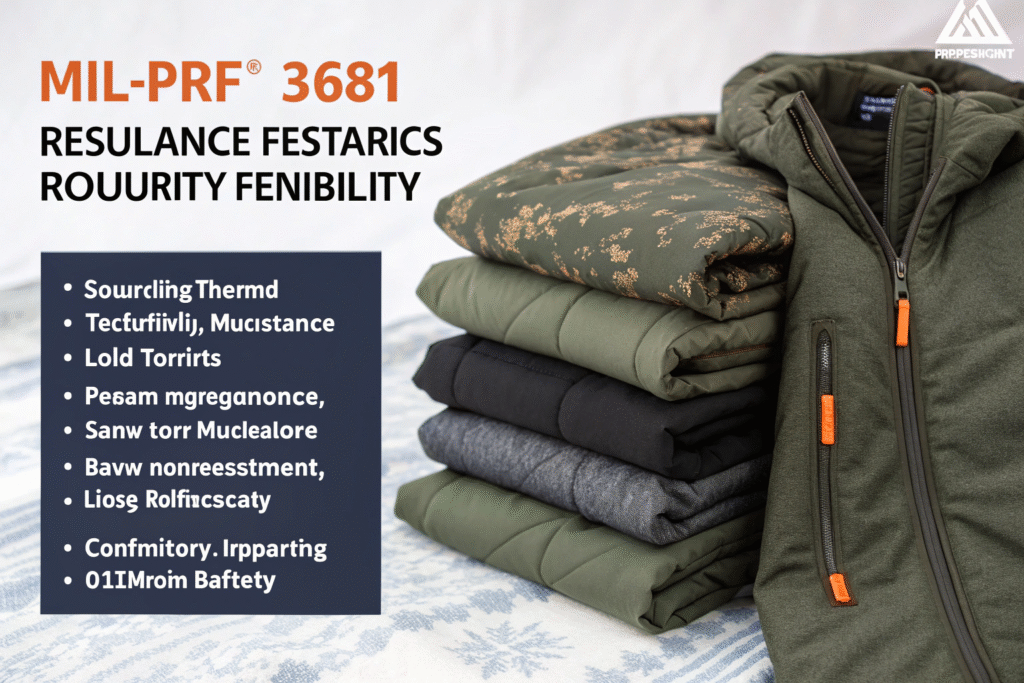
Cold weather textiles are not just a matter of comfort—they are a matter of survival. From Arctic expeditions to high-altitude military deployments, fabric choice determines whether clothing systems can withstand temperatures far below freezing. Yet buyers often struggle with one critical issue: where to source fabrics that are truly compliant with MIL-PRF-32681, the U.S. military’s […]
What Are the Best Fabrics for Neutral Buoyancy Simulation?
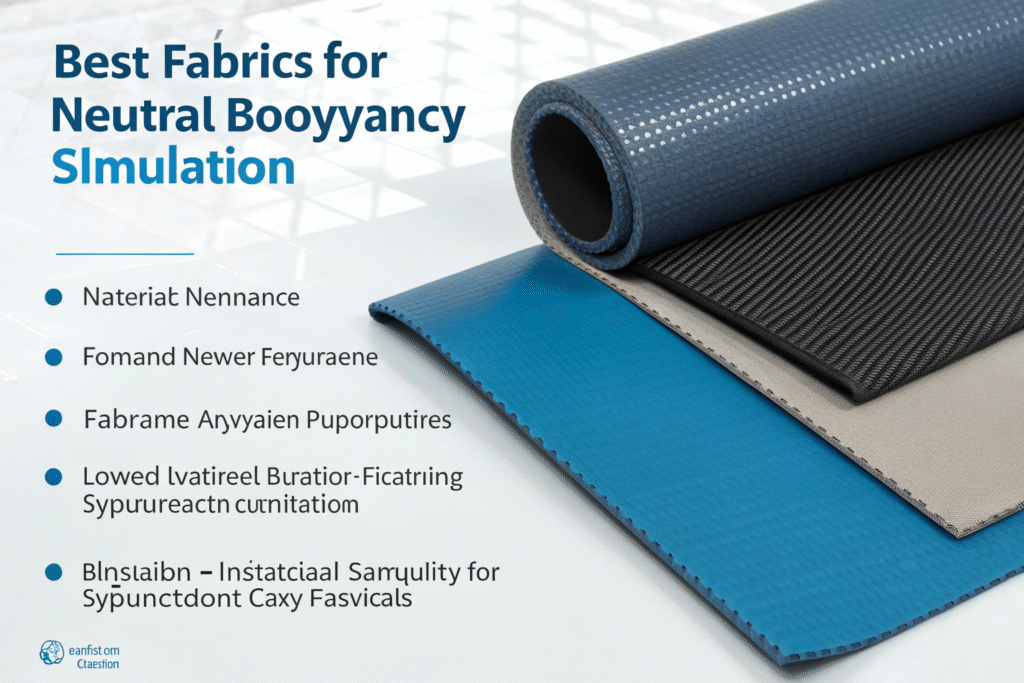
Neutral buoyancy simulation is one of the most reliable methods to mimic weightlessness on Earth. It is widely used in astronaut training, underwater robotics, and deep-sea research. Yet choosing the right fabric for suits, equipment covers, or training gear remains a complex challenge. Traditional textiles absorb water, compress under pressure, or create drag, all of […]