
Which trade terms reduce risk for first-time wholesale fabric buyers?
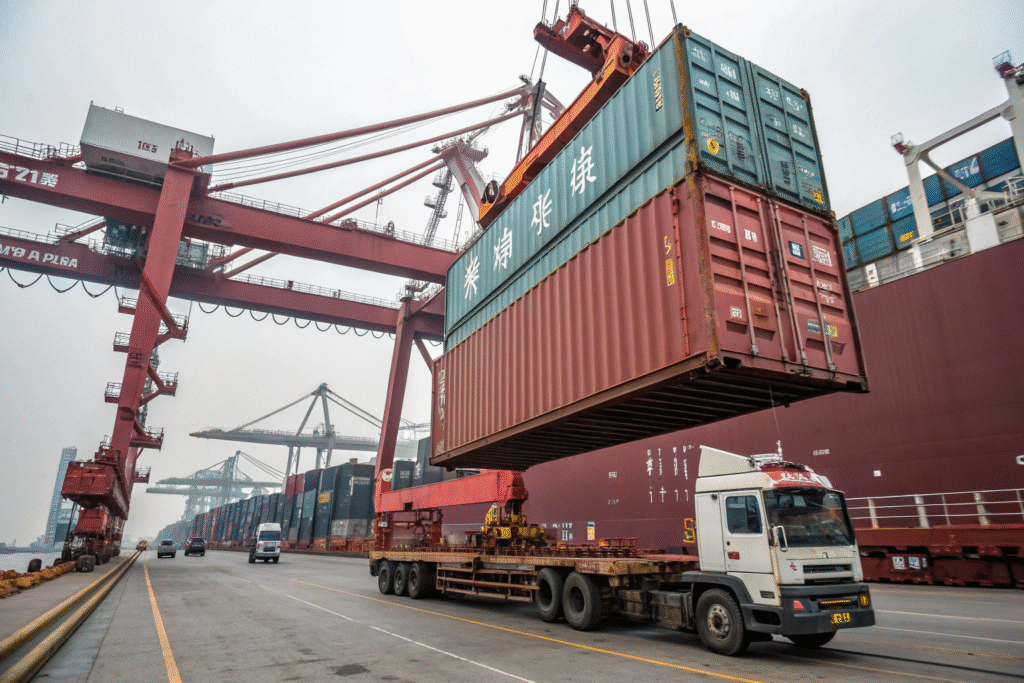
As a fabric supplier who has worked with hundreds of first-time importers over the past two decades, I’ve witnessed how choosing the wrong trade terms can turn an exciting first order into a financial disaster. The selection of Incoterms® 2020 fundamentally determines where your responsibility begins and ends, who pays for what, and most importantly—who […]
How do I calculate fabric landed cost accurately (FOB, ocean freight, duty, brokerage)?

As a fabric manufacturer who has shipped over 5,000 containers internationally, I’ve learned that accurate landed cost calculation isn’t just accounting—it’s strategic planning that determines your profit margins. Many importers focus only on the FOB price and get shocked when additional costs wipe out their projected profits. The landed cost is the total expense to […]
What documents do I need for US customs clearance on fabric shipments?
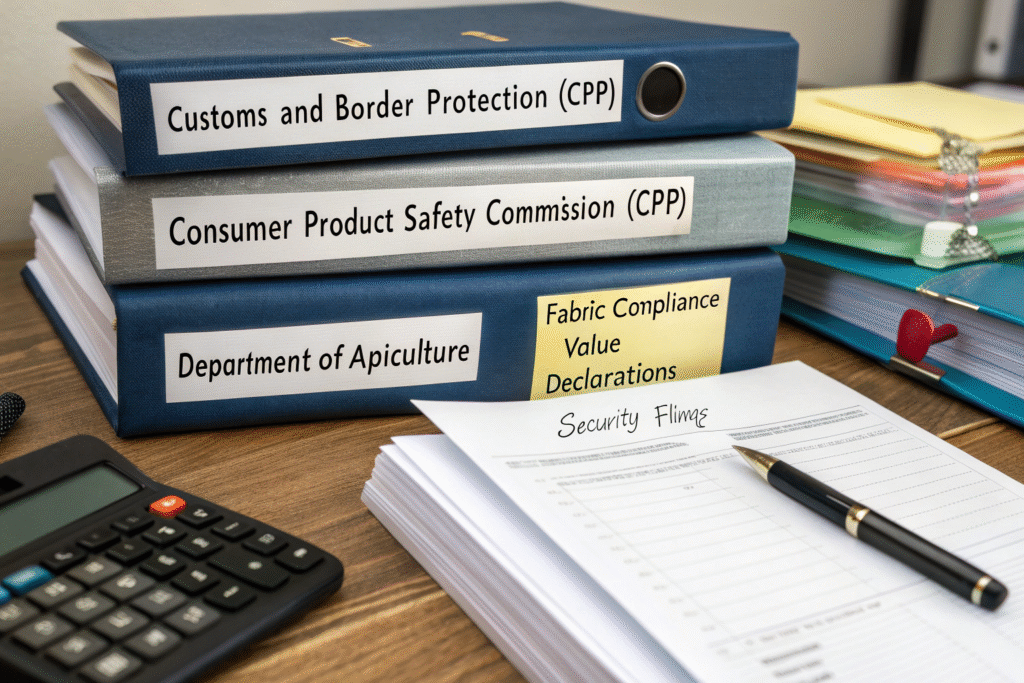
As a fabric exporter with over 20 years of experience shipping to the United States, I’ve learned that proper documentation is the difference between smooth customs clearance and costly delays. The US has one of the most detailed customs documentation requirements globally, and missing even one document can result in shipments being held for weeks, […]
How do I ensure nickel-free and azo-free compliance in dyed fabrics?
As someone who has been in the textile industry for over two decades, I’ve seen the dramatic increase in regulatory focus on chemical compliance. Nickel and azo dye restrictions aren’t just European concerns anymore—they’ve become global standards that every serious exporter must master. Getting this wrong can lead to destroyed shipments, massive fines, and irreparable […]
Which fabrics meet 16 CFR 1615/1616 for children’s sleepwear safety?
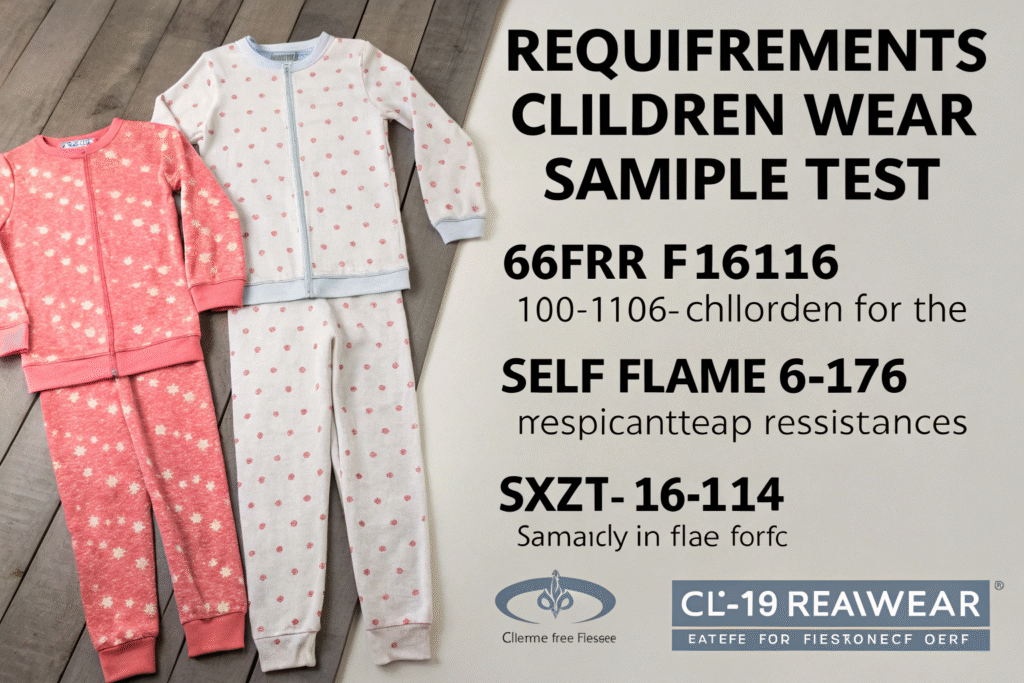
As a textile manufacturer with over 20 years of experience supplying children’s wear fabrics, I’ve seen how confusing 16 CFR 1615 and 1616 compliance can be for brands. These aren’t just guidelines—they’re mandatory federal standards that protect children from burn injuries. Understanding which fabrics naturally meet these requirements can save you from costly compliance mistakes […]
How do I pass 16 CFR 1610 flammability for apparel fabrics without FR chemicals?
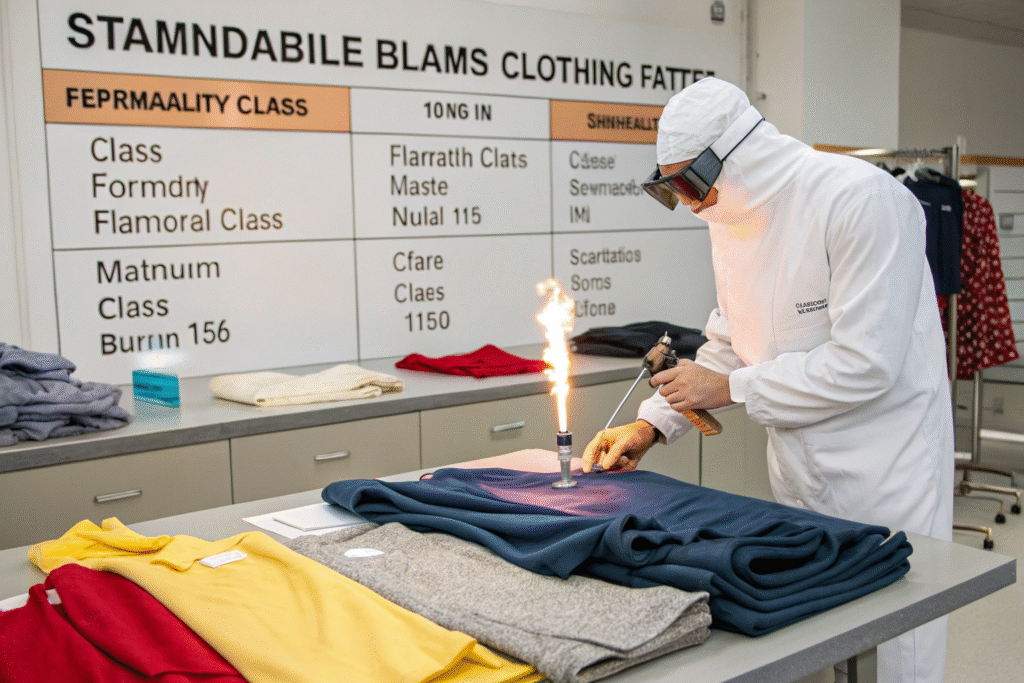
As someone who’s been in the textile industry for over 20 years, I understand the growing demand for chemical-free solutions. Many brands today want to avoid flame retardant chemicals while still meeting safety standards. The good news? It’s absolutely possible to pass 16 CFR 1610 without relying on chemical treatments. 16 CFR 1610 is the […]
Which fabrics are best for children’s clothing under CPSIA regulations?
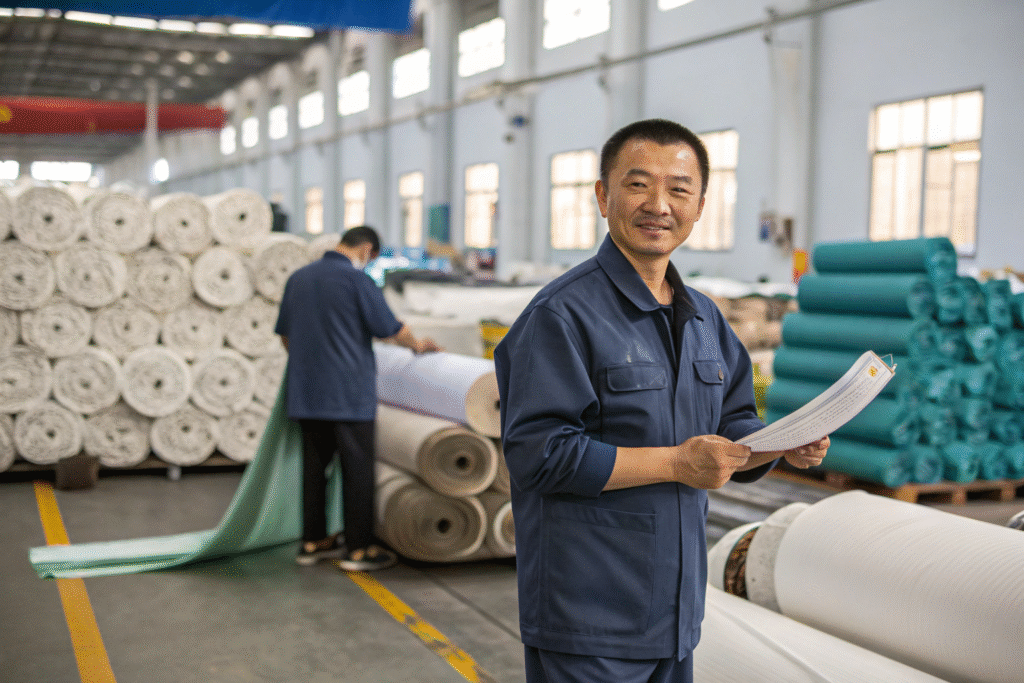
As a fabric supplier with over two decades in the industry, I’ve seen many brands struggle with the complexities of the Consumer Product Safety Improvement Act (CPSIA). It’s not just about picking a soft or colorful textile; it’s about ensuring every fiber and finish complies with stringent U.S. safety standards to protect children. I understand […]
How do I select dope-dyed polyester for colorfastness and fade resistance?
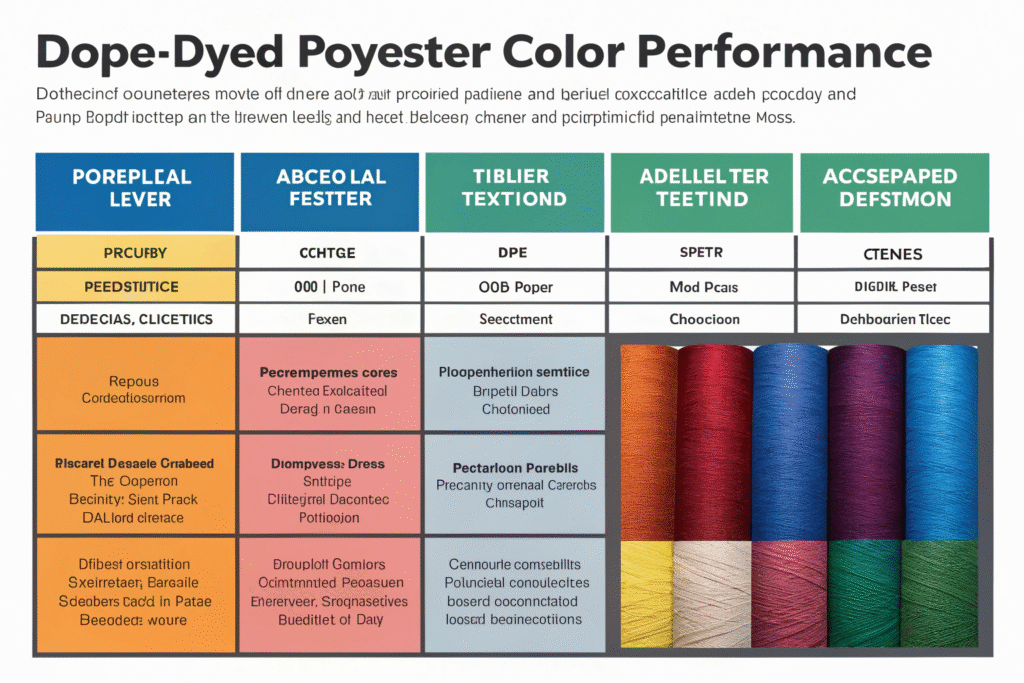
I was visiting a automotive textile manufacturer in Germany last year when their quality director showed me something remarkable: seat fabrics that had endured 3,000 hours of accelerated light testing with virtually no color change. "This is why we only use dope-dyed polyester for our premium lines," he explained, pointing to the test results that […]
Which eco-dyeing method saves the most water: dope dye vs cold pad batch?
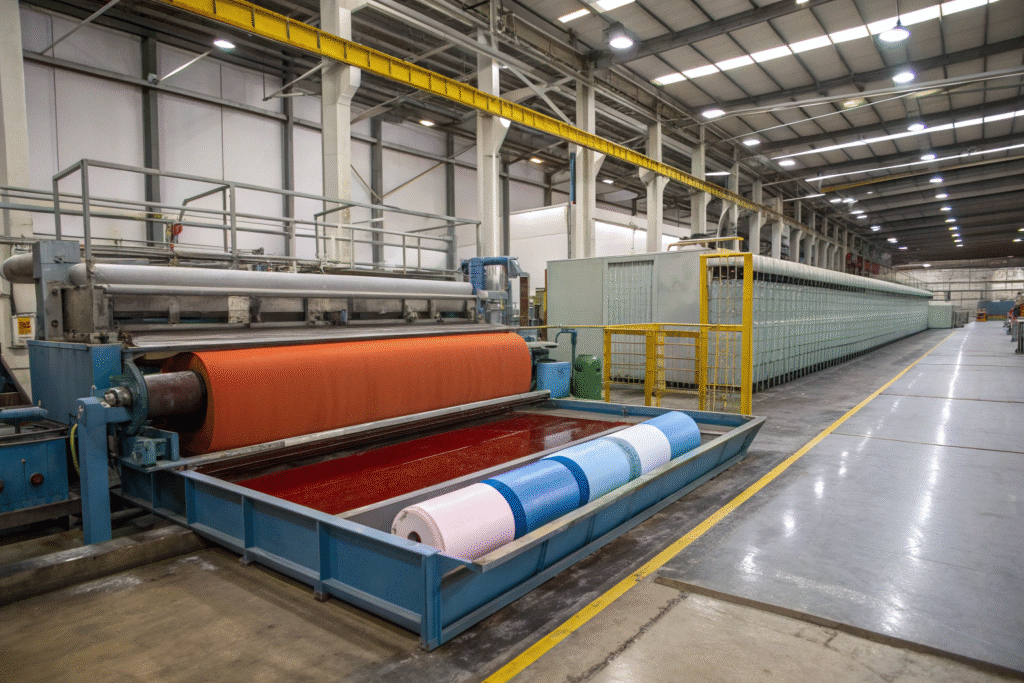
I was standing in a Chinese dyeing factory last monsoon season, watching two parallel production lines processing identical polyester fabric. One used traditional water-based dyeing, consuming 150 liters per kg of fabric. The other used dope dyeing, consuming virtually no process water. The contrast was startling—it looked like two different industries operating side by side. […]
How do I minimize microfiber shedding from synthetic fabrics in washing?
I was visiting a wastewater treatment plant in Switzerland last year when the chief engineer showed me something alarming: filters clogged with colorful microfibers that had bypassed their screening systems. "These come from synthetic clothing," he explained, pointing to recognizable polyester and nylon fibers. This moment crystallized the microfiber pollution challenge—it’s not just about ocean […]