If you’re sourcing clothing or fabrics from China and aiming for the US market, you’ve likely heard about California’s Proposition 65 or CPSIA, but there’s another crucial standard that can make or break your product’s compliance: the California Mattress and Insulation Act (CMIA) standards. Many buyers get confused—isn’t CMIA for mattresses? The truth is, its flame retardancy principles and fabric testing requirements directly impact specific categories of clothing, especially children’s sleepwear and certain protective apparel. Ignoring this can lead to shipment rejections, fines, and even recalls. Let’s cut through the confusion. I’ve been in the textile business in Keqiao for over two decades, and I’ve seen too many orders get held up at customs because of overlooked CMIA-related fabric specs. My name is Elaine, and at Shanghai Fumao, we help global brands navigate exactly these kinds of regulatory mazes while ensuring quality and timely delivery.
In essence, fabrics approved under CMIA standards for clothing are primarily those used in children’s sleepwear (sizes 0-14) and adult apparel intended for high-risk environments that must meet specific flame retardancy (FR) benchmarks. The core approval isn’t about a list of "pre-approved" fabrics but about whether a fabric, regardless of its fiber content, can pass the mandatory Vertical Flame Test (also known as 16 CFR Part 1615/1616 for children’s sleepwear in the US, which aligns with CMIA’s safety philosophy). This means natural fibers like cotton or silk, and synthetics like polyester, can all be "approved"—but only if they are chemically treated or inherently constructed to self-extinguish quickly when exposed to an open flame. The key is the test certification, not the material itself.
Understanding CMIA’s implications is more than a regulatory hurdle; it’s a competitive advantage. For brands targeting the US, especially California, getting your fabric sourcing right from the start saves immense time and cost. The challenge is that many factories in Asia focus on basic compliance like OEKO-TEX but lack deep experience with the specific, rigorous testing protocols CMIA-related standards demand. In this article, I’ll break down exactly what you need to know, share real cases from our production floor, and show you how to partner with a supplier who doesn’t just sell fabric but co-creates compliant, market-ready products. Let’s dive into the specifics.
What is the CMIA standard for fabrics?
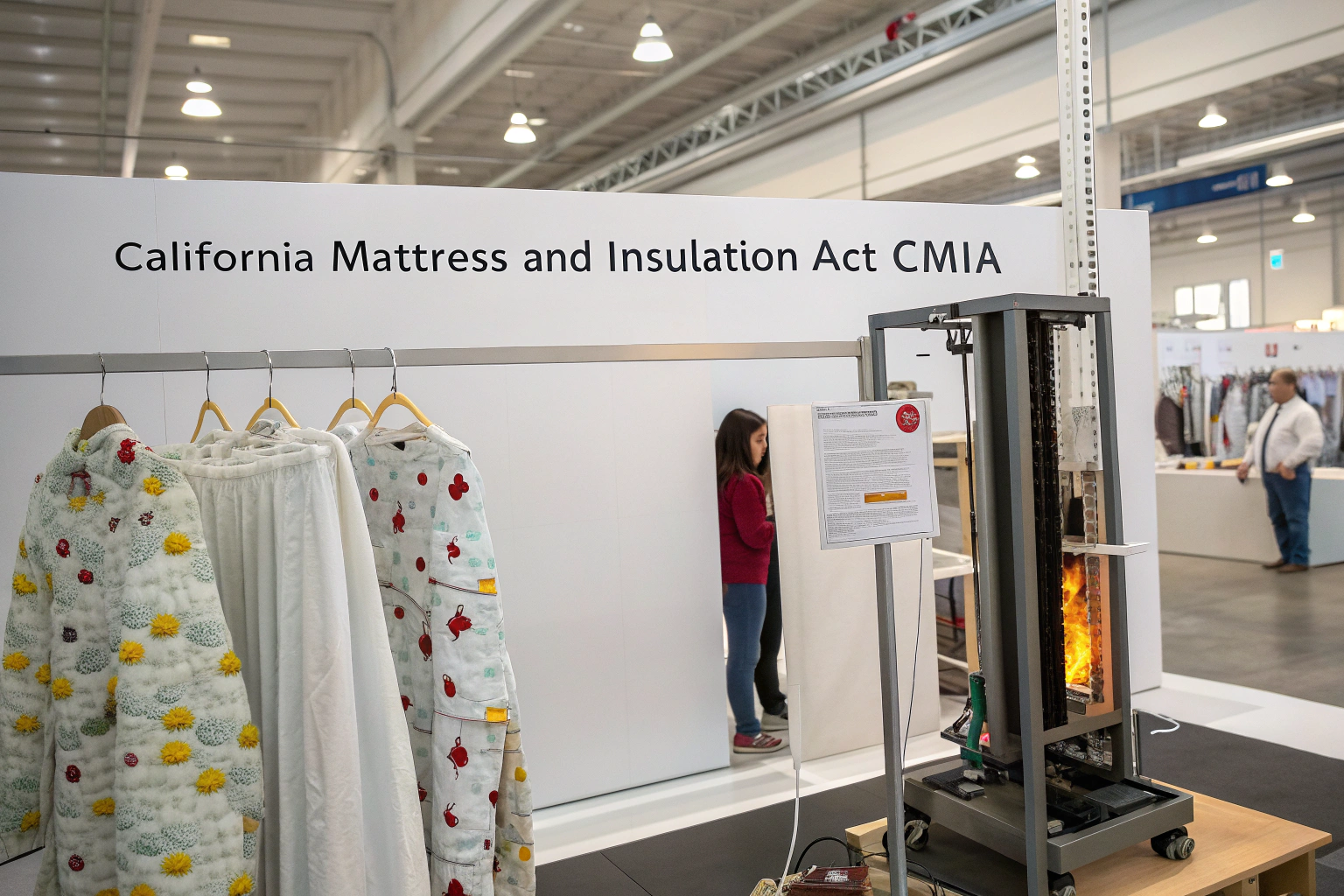
First, let’s clear up a major point of confusion. The California Mattress and Insulation Act (CMIA) is a state law originally designed to regulate the flammability of fillings and coverings in mattresses and upholstered furniture. So why are we talking about clothing? Because the safety philosophy and testing rigor behind CMIA have become a benchmark for flame resistance in various consumer goods, including apparel. In the clothing industry, when people refer to "CMIA standards," they are often indirectly referring to the federal flammability standards for children’s sleepwear (16 CFR Part 1615 and 1616) or similar stringent FR tests that embody the same level of consumer protection CMIA represents. It’s about a culture of safety.
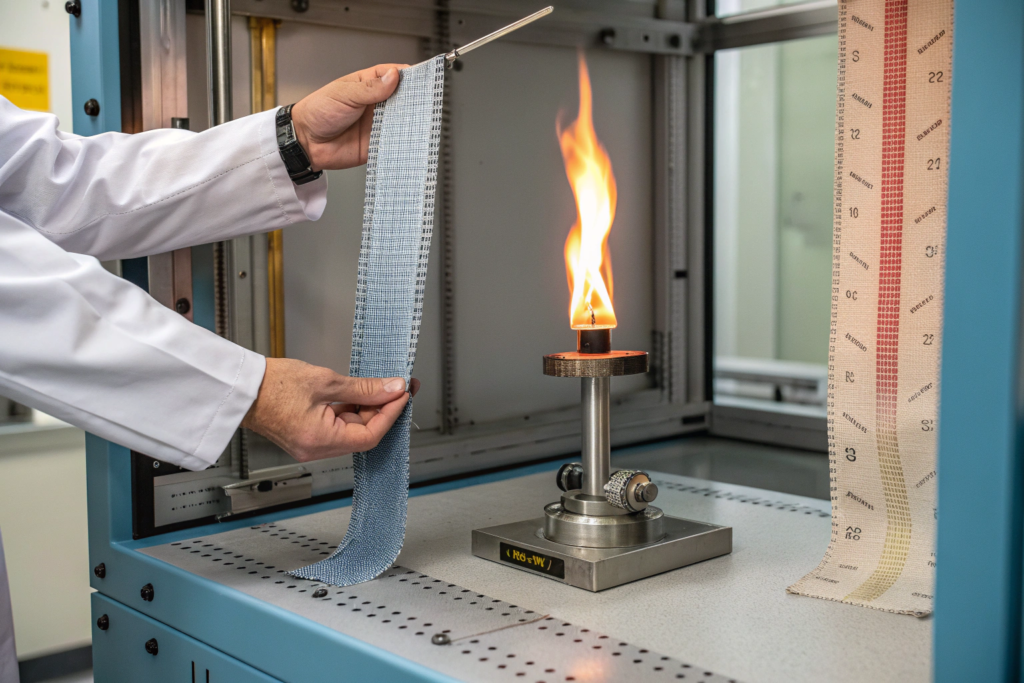
The CMIA standard, in its essence, mandates that materials must resist ignition from a smoldering cigarette and an open flame. For fabrics in clothing, the parallel requirement is the Vertical Flame Test. In this test, a strip of fabric is suspended vertically, exposed to a controlled flame at its bottom edge for a specified time, and then removed. To pass, the average char length (the damaged area) must not exceed 7 inches (17.8 cm) for children’s sleepwear, and no individual specimen can have a char length of 10 inches (25.4 cm) or the entire edge consumed. The fabric must also not continue to burn for more than a set time after the flame is removed. This is the gold standard that determines "approval."
So, how does this translate to your sourcing desk? When you ask a supplier if their fabric is "CMIA approved," you’re really asking: "Can this fabric consistently pass the Vertical Flame Test and do you have the certified test reports from an accredited third-party lab (like SGS, ITS, or a CPSC-recognized lab) to prove it?" The responsibility is on you, the importer, to ensure compliance. Here’s a breakdown of the two main pathways to achieving a passing fabric:
How do you make fabric pass the CMIA flame test?
There are two primary methods: inherent FR fibers and chemical FR treatments.
- Inherent FR Fabrics: These are made from fibers that are naturally flame-resistant or engineered to be so at the polymer level. Examples include modacrylic (often blended with cotton or wool), aramid (like Nomex), and certain FR-treated viscose or polyester. For instance, we developed a Modacrylic/Cotton blend for a US client’s children’s pajama line. The modacrylic fiber contains vinylidene chloride, which gives it inherent self-extinguishing properties. This fabric passes the test straight off the loom, no extra processing needed. (Here’s a tip: sourcing true inherent FR fibers like modacrylic often requires working with specialized spinners, which we have direct partnerships with.)
- Chemical FR Treatments: This is where a finish is applied to the fabric, usually during dyeing or a separate finishing process. Common agents include phosphorous-based, nitrogen-based, or halogen-based compounds. For example, a 100% cotton flannel can be made flame-resistant by padding it with an FR chemical and then curing it. However, this has downsides: the hand feel can become slightly stiffer, and the finish may wash out over time if not durable. Always ask for wash durability test reports (e.g., after 50 home launderings).
What’s the difference between CMIA and general FR standards?
It’s easy to lump all "FR" together, but the devil is in the details. A common mistake is assuming a fabric that passes a basic horizontal flame test (like the one used for general apparel under 16 CFR Part 1610) will also pass the stricter vertical flame test. It won’t.
Here’s a quick comparison table we use internally with our QC team:
| Aspect | CMIA-Related (16 CFR 1615/1616) – Vertical Test | General Apparel Flammability (16 CFR 1610) – Horizontal Test |
|---|---|---|
| Primary Application | Children’s Sleepwear (sizes 0-14) | Most General Wearing Apparel (except sleepwear) |
| Test Orientation | Fabric held vertically | Fabric held horizontally (at a 45° angle for some) |
| Flame Source & Time | Larger, defined flame; specific exposure time | Smaller, standardized flame; brief exposure |
| Pass/Fail Criteria | Strict char length limits (<7" avg) & afterflame time | Based on burn rate (Class 1 = Normal flammability) |
| Regulatory Scrutiny | High – Mandatory certification & tracking labels | Lower – Usually requires only that fabric meets Class 1 |
The takeaway? Don’t accept a general FR claim. You must specify "compliance with 16 CFR 1615 for children’s sleepwear" or provide the exact Vertical Flame Test protocol to your supplier. In 2023, a European children’s wear brand came to us after their previous supplier in South Asia gave them a fabric with a generic "FR certificate." It failed the CPSC-mandated test upon US entry. We switched them to an inherent FR cotton blend, provided full test reports from our CNAS-accredited lab partner, and their next three shipments cleared customs with zero issues. This is why understanding the difference is non-negotiable. For more on navigating these complex standards, resources like the American Apparel & Footwear Association’s (AAFA) compliance guides can be invaluable, though nothing beats hands-on factory experience.
Which fabrics are naturally CMIA compliant?
This is the million-dollar question: can you skip the chemical treatments and find fabrics that are "born" safe? The answer is yes, but with critical caveats. No common, untreated natural fiber like standard cotton, silk, or wool is naturally compliant with the stringent vertical flame test required for CMIA-referenced applications. However, some inherently flame-resistant (IFR) fibers and certain tightly constructed fabrics offer a much stronger starting point. The compliance always, always comes down to the final constructed fabric’s test performance, not just the fiber’s reputation.
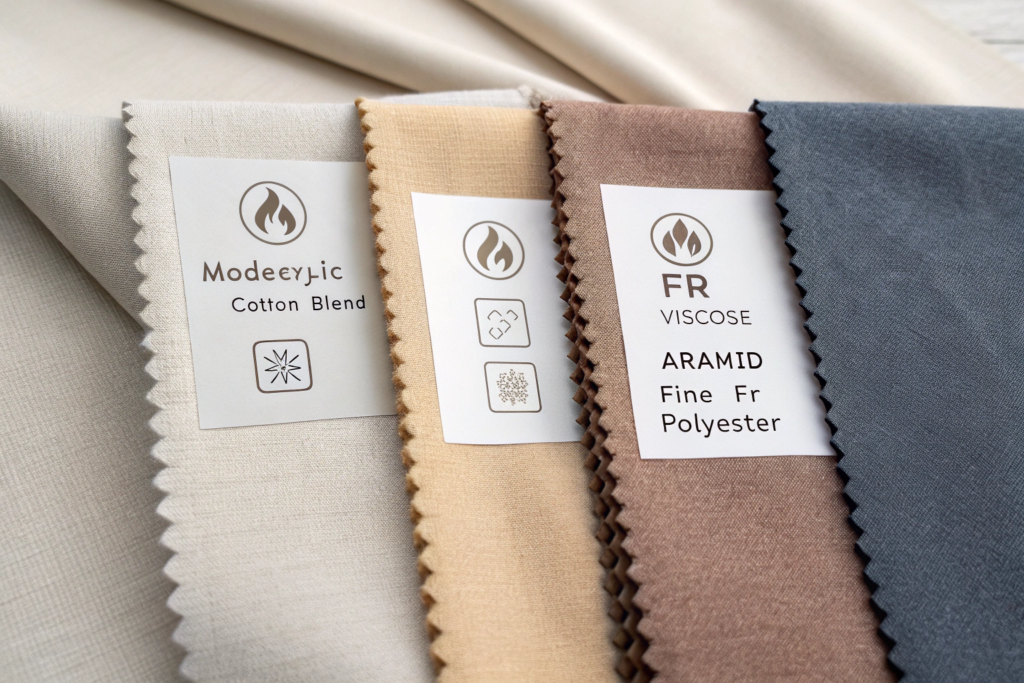
Truly "naturally" compliant fabrics under CMIA-level scrutiny are those made from inherently flame-resistant (IFR) fibers. These fibers have chemical structures that make them difficult to ignite, and they self-extinguish almost immediately when the flame source is removed. The most relevant IFR fibers for clothing include:
- Modacrylic: This is the workhorse for children’s sleepwear. It’s a synthetic fiber that looks and feels like acrylic but contains molecules (like vinylidene chloride) that interfere with combustion. Blends like 65% Modacrylic / 35% Cotton are industry standards for compliant sleepwear.
- Aramid (e.g., Nomex): Famous for firefighter gear. It’s incredibly strong and heat-resistant but can be expensive and less comfortable for everyday sleepwear.
- FR Viscose/Rayon: Some viscose fibers have FR additives integrated into the cellulose solution before the fiber is spun, making the FR property part of the fiber itself.
- Certain FR Polyesters: Polyester can be engineered at the polymer stage to be flame-resistant.
Let’s get practical. When a client asks for a "naturally compliant" fabric, we guide them through a decision tree based on end-use, budget, and feel.
Is untreated cotton or wool safe for flame-resistant clothing?
Simply put: no, not for regulated items like children’s sleepwear. Untreated, loose-weave cotton is actually highly flammable—it’s like the wick of a candle. Wool is better; it’s harder to ignite and may self-extinguish, but it won’t reliably pass the strict vertical flame test’s char length criteria without treatment. We had a client from Australia in late 2022 who wanted "all-natural, untreated wool" for a line of children’s loungewear marketed as safe. We had to be frank with them. We sent samples to the lab, and they failed. We then worked with our finishing partner to apply a bio-based, non-halogenated FR treatment that was durable for over 50 washes and met the Oeko-Tex Standard 100. The product succeeded. The lesson? "Natural" doesn’t automatically equal "safe" by regulatory standards. You need data, not assumptions. For a deeper dive into fiber properties, the Textile Institute’s publications offer great technical insights.
What are the best inherent FR fibers for children’s sleepwear?
For children’s sleepwear, the undisputed champion is Modacrylic and its blends. Here’s why:
- Cost-Effective: More affordable than aramid fibers.
- Good Hand Feel: When blended with cotton or regular acrylic, it can achieve a soft, comfortable hand suitable for sensitive skin.
- Durability: The FR property is permanent; it won’t wash out.
- Color & Print Friendly: It accepts dyes and prints well, which is crucial for children’s wear.
Our most successful sleepwear program with a major US brand uses a 60% Modacrylic / 40% Cotton jersey knit. We developed it in-house to solve the "pilling" issue some modacrylic blends have. By optimizing the yarn twist and knitting tension, we improved the pilling rating from 2 to 4 (ASTM D4970) while maintaining perfect FR test results. The brand’s defect returns dropped by 70% after switching to our fabric. This is the kind of co-creation and problem-solving we do at Shanghai Fumao—we don’t just sell a standard fabric; we engineer a solution. For practical sourcing advice on these specialized blends, forums like Textile World’s technical articles can provide good background, but direct manufacturer expertise is key.
How to test fabrics for CMIA compliance?
Knowing the theory is one thing; proving your fabric passes is everything. Testing isn’t just a final step—it should be integrated into your fabric development and production timeline. Relying solely on a supplier’s word is a huge risk. The right testing strategy protects you, your brand, and, most importantly, the end consumer. I’ve seen orders where the pre-production sample passed, but the bulk failed because of a minor variation in dyeing auxiliaries. Systematic testing eliminates these surprises.
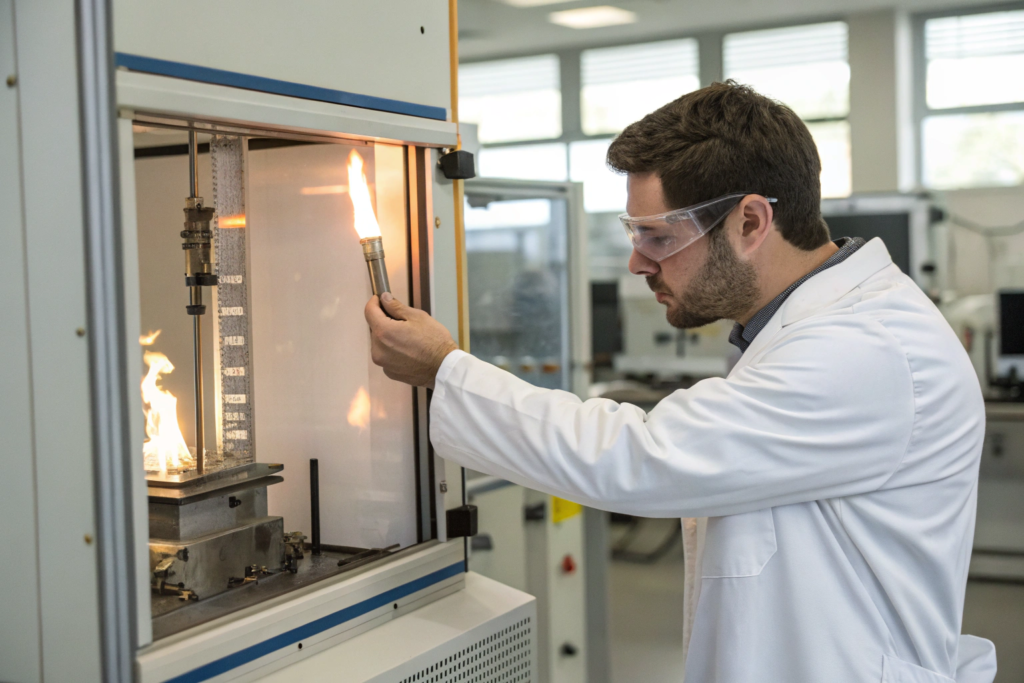
Official CMIA-type compliance for clothing fabrics (like children’s sleepwear) requires testing by a third-party, CPSC-accepted laboratory using the specified methods (16 CFR Part 1615/1616). The core test is the Vertical Flame Test, which measures char length and after-flame time under controlled conditions. You will receive a formal test report. This report is your legal shield. For due diligence, many brands also require tests for heavy metals, formaldehyde, and phthalates (e.g., CPSIA, Proposition 65) to ensure overall safety. A comprehensive approach is best.
Let’s break down the testing workflow from a producer’s perspective. At Shanghai Fumao, our QC team follows a strict protocol we call "Test Early, Test Often."
What is the official CMIA fabric testing procedure?
The official procedure is meticulous. Here’s a simplified view of what happens in the lab:
- Conditioning: Fabric samples are placed in a standard atmosphere (70°F, 65% RH) for at least 8 hours. This ensures consistency.
- Specimen Preparation: Five sets of specimens (each 3.5" x 10") are cut from the fabric—both warp and weft directions.
- The Test: Each specimen is clamped vertically in a cabinet. A controlled flame from a specified burner is applied to the bottom edge for a precise time (e.g., 3 seconds).
- Measurement: After the flame is removed, the after-flame time (how long it keeps burning) and after-glow time are recorded. Then, the char length—the length of the destroyed area—is carefully measured.
- Pass/Fail: The average char length of the five specimens must be ≤ 7 inches, with no individual specimen ≥ 10 inches, and after-flame times must be within limits.
We run this test in our partner CNAS-accredited lab for every new FR fabric development and for every production batch. We even keep retained samples from each batch for at least 3 years. This level of documentation gave a Canadian client the confidence to audit us remotely last year; they accessed all batch test reports via our secure digital platform within minutes.
Can you do a preliminary FR test in your own factory?
Yes, and you should! While only a certified lab report counts for official compliance, in-house preliminary screening is a powerful quality control tool. It catches major failures before you spend money on official tests.
We have a simplified vertical flame test setup in our own QC room. When we get a new batch of FR-treated cotton, for example, our QC manager will do a quick check: cut a strip, hold it vertically with tongs in a safe area, use a butane lighter for 3 seconds, and observe. If it self-extinguishes quickly and the char is short, it’s a good sign. If it melts and drips (for some synthetics) or continues to burn, we know there’s a problem with the treatment bath and we reject the batch back to the dyeing factory immediately. This simple step, which we call the "lighter test," has saved us and our clients from at least a dozen potential disasters in the past two years alone. It’s about building a culture of safety into the production process. For those managing their own supply chain, understanding basic textile flammability testing methods is a crucial skill. Industry resources like SPI (Seattle Pacific Industries) Laboratories’ educational content can be a helpful starting point to grasp the fundamentals, though hands-on training is irreplaceable.
How to source CMIA-approved fabrics from China?
Sourcing compliant fabrics from China is a journey of due diligence, clear communication, and partnership. It’s not about finding the cheapest supplier; it’s about finding the most competent and transparent one. The landscape is vast. Some mills specialize in FR fabrics, while others dabble in it. Your job is to separate the experts from the amateurs. Based on serving over 100 global clients, I can tell you the key differentiators are testing infrastructure, chemical management knowledge, and project management agility.
To successfully source CMIA-level approved fabrics from China, follow this actionable blueprint:
- Specify, Don’t Just Ask: Don’t just email "Do you have CMIA fabric?" Provide technical specifications including the exact test standard (e.g., "Must comply with 16 CFR 1615, Vertical Flame Test"), target char length, wash durability requirements (e.g., "After 50 washes"), and any additional certifications (OEKO-TEX, GOTS if organic).
- Demand Certified Test Reports Upfront: A reputable supplier should be able to provide third-party test reports for similar fabrics they have produced. Scrutinize the report: Is the lab accredited? Is the report recent? Does it match your standard?
- Audit the Supply Chain: Understand where the FR property comes from. Is it an inherent fiber (ask for the fiber supplier’s specs) or a chemical treatment (ask for the MSDS – Material Safety Data Sheet and ensure it’s free from restricted substances)?
- Plan for Lead Time and Cost: FR fabrics, especially inherent ones or those requiring specialized finishing, have longer lead times (add 2-3 weeks) and are 20-50% more expensive than their standard counterparts. Factor this into your costing and timeline.
Let me share how we operationalize this blueprint for our clients, turning a complex requirement into a smooth process.
What questions should you ask your Chinese fabric supplier?
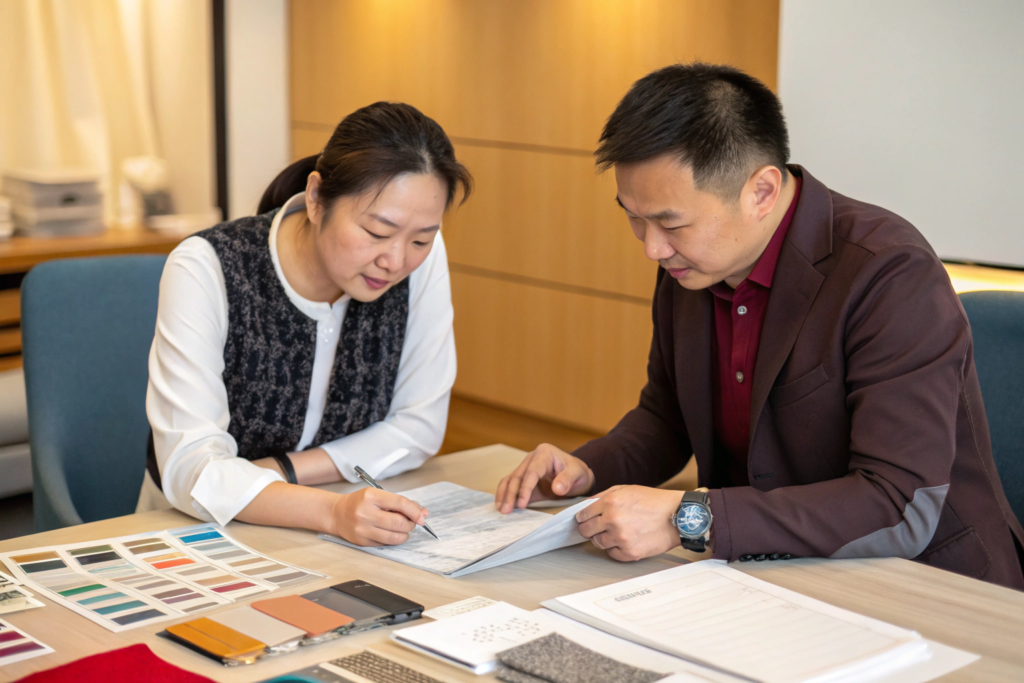
Your supplier questionnaire is your first filter. Go beyond price and MOQ. Ask these specific questions:
- "Can you provide a CPSC-accepted lab test report for a fabric similar to what I need, showing compliance with 16 CFR 1615?"
- "Is the flame resistance achieved by inherent fiber or chemical treatment? If chemical, can you provide the MSDS and wash durability test data?"
- "What is your in-house QC procedure for checking FR consistency batch-to-batch? Do you do pre-shipment testing for every lot?"
- "What is your process if a batch fails the compliance test? Who bears the cost of re-production or re-treatment?"
- "Can you help with the tracking label and general certificate of conformity (GCC) documentation required for US import?"
A supplier who can answer these clearly is a keeper. One who hesitates or gives vague answers is a red flag. Last summer, a startup from Seattle came to us with a failed order from another supplier. The supplier couldn’t answer these questions. We took over, re-engineered the fabric, provided full documentation, and now they’re scaling successfully. Their founder said our transparent Q&A process was what won their trust.
How does Fumao Textiles ensure CMIA-level compliance?
At our core, we are a solutions provider, not just a trader. Here’s our integrated system:
- R&D Partnership: We work directly with fiber producers like Xiaolangdi Group for modacrylic to understand the latest FR fiber tech. Our R&D team can develop custom blends.
- Controlled Production Network: We use designated, audited dyeing and finishing partners for FR treatments. We control the chemical recipes and process parameters. (Here I have to add, our lead time for FR-treated cotton is 25 days from order to ship, which is fast for this category).
- CNAS-Lab Partnership & In-House Screening: As mentioned, we have a formal partnership with a top-tier CNAS-accredited lab for official reports. Plus, our in-house "lighter test" is a mandatory check for every single batch.
- Digital Dossier: Every order gets a digital folder with all relevant documents: fiber specs, treatment recipes, lab dip approvals, in-process QC checks, final test reports, and shipping documents. The client gets real-time access.
- End-to-End Responsibility: We stand behind our products. If a batch fails an official test (which is extremely rare given our controls), we cover the cost of remediation. This full-package service is why brands partnering with us sleep well at night, knowing their fabric sourcing for compliant apparel is in expert hands.
Conclusion
Navigating CMIA and flame retardancy standards for clothing is a complex but entirely manageable task. The key takeaways are clear: compliance hinges on passing the Vertical Flame Test, not on a predefined list of fabrics. You can achieve this through inherently flame-resistant fibers like modacrylic blends or through durable chemical treatments. Success depends on meticulous testing with certified third-party labs and deep, transparent communication with your supplier. Remember, "FR" is not a single standard—the requirements for children’s sleepwear are far stricter than for general apparel.
Sourcing from China offers unparalleled advantages in cost, variety, and speed, but it demands a partner who understands the regulatory landscape at a granular level. It’s about finding a supplier who integrates safety into their production DNA, who can provide not just fabric but also the critical documentation and peace of mind you need to succeed in the US market.
If you’re tired of navigating compliance worries alone and need a reliable partner to co-create safe, high-quality, and market-ready fabrics, let’s talk. At Shanghai Fumao, we combine the deep supply chain roots of Keqiao with a modern, client-focused approach to turn your apparel vision into a compliant, successful reality. Contact our Business Director, Elaine, today to discuss your next project. She can guide you through our capabilities and how we can streamline your sourcing. Reach her at: elaine@fumaoclothing.com.