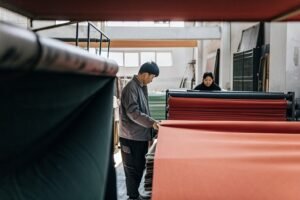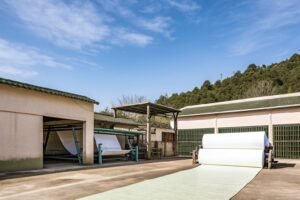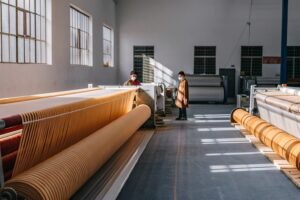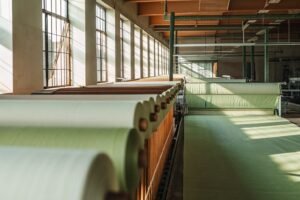
Hey there, Ron. Let me guess. You’ve got a killer clothing line ready to roll, the designs are on point, but the whole “getting your products legally and safely into the U.S. market” part feels like navigating a maze blindfolded. You hear terms like “CPSC,” “flame resistance,” and maybe this one—CMIA. You know it’s about safety, but is it just another bureaucratic hurdle or the golden ticket to smooth sailing? I’ve been on the factory floor in Keqiao for over two decades, and I can tell you this: understanding and nailing the CMIA is often the difference between a seamless launch and a nightmare of port holds, fines, and destroyed merchandise.
So, what’s the deal? The Clothing Manufacturers Institute of America (CMIA) certification isn’t a government mandate itself, but it’s a powerful, industry-recognized standard that proves your garments, especially children’s sleepwear and other flammable fabrics, meet the stringent U.S. Consumer Product Safety Commission (CPSC) regulations under the Flammable Fabrics Act (FFA). Think of it as your supplier’s report card for fire safety. It’s vital because U.S. customs and retailers don’t just take your word for it; they demand proof. Without proper certification, your shipment is a huge risk. I’ve seen too many ambitious importers face heartbreaking losses because they partnered with factories that cut corners here. At Shanghai Fumao, we treat CMIA and other safety standards not as an afterthought, but as the foundation of our production. Let me break down exactly why this is non-negotiable for your business.
What Exactly Does CMIA Certification Cover?
You’re sourcing fabrics or garments, and your supplier flashes a “CMIA” certificate. Great. But what are you actually paying for? This isn’t some vague “good quality” stamp. It’s a specific, rigorous set of tests targeting one of the biggest safety concerns: flammability. For you, the importer, this certification is your primary shield against liability and your key to market access.
How Do CMIA Tests Simulate Real-World Fire Hazards?
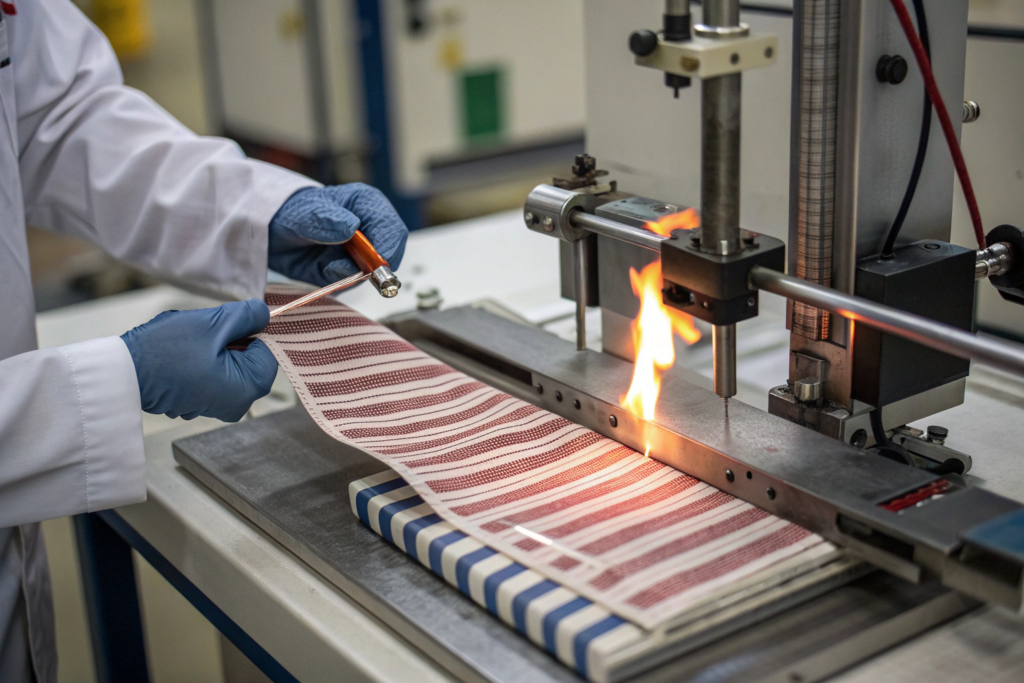
The CPSC regulations, which the CMIA certifies compliance with, aren’t arbitrary. They’re based on tragic real-life incidents. The tests are designed to be brutally practical. For example, the critical test for children’s sleepwear (sizes 0-14) is the Vertical Flame Test. We take a strip of the finished fabric, suspend it vertically in a controlled chamber, and apply a precise flame to its bottom edge for a set time. The pass/fail criteria are strict: the char length (how far the fabric burns up) must not exceed a certain limit, and the flame must self-extinguish within a very short timeframe. This simulates a scenario where a pajama sleeve might brush against a candle. The goal is to give precious extra seconds for a child to escape or for an adult to intervene. At our Shanghai Fumao lab, we run these tests not just on final products but during R&D. In late 2022, we developed a new flame-resistant polyester-cotton blend for a U.S. client’s kids’ sleepwear line. By pre-testing over 15 yarn and finish combinations in-house, we achieved a certified fabric on the first submission, saving the client at least 4 weeks of back-and-forth external testing. We don’t just send samples out and hope; we verify internally first. For a deeper dive into the science behind these tests, resources like the American Association of Textile Chemists and Colorists (AATCC) provide excellent technical monographs on standard flame resistance test methods for apparel textiles.
Which Clothing Items Absolutely Require CMIA-Certified Fabrics?
This is where importers often get tripped up. It’s not all clothing. The regulations are very specific. The heavyweight is children’s sleepwear for sizes 0 through 14. This includes pajamas, nightgowns, robes, and similar items intended to be worn for sleeping. The rules are less stringent for tight-fitting sleepwear or items for sizes above 14, but having CMIA certification for any sleepwear line is a massive market advantage and risk reducer. Beyond sleepwear, general wearing apparel must meet a different, but still important, standard of “reasonable flammability.” This is often tested via the 45-degree Angle Test. Fabrics that fail this (like some untreated, lightweight, fluffy rayon or cotton voile) cannot be used in general apparel. Common items that fall under scrutiny include loose-fitting dresses, robes, and sheer overlays. A practical tip: when sourcing trendy sheer chiffon fabrics for summer collections, always ask your supplier for the general flammability test report. It’s a simple check that prevents a costly recall later. I remember a European client in 2023 who sourced what they thought was standard polyester georgette from an uncertified mill for blouses. The fabric failed the general wear test spectacularly. They had to scrap 5,000 units. That loss was far greater than the minor cost of upfront certification.
Beyond Legal Compliance: The Business Advantages of CMIA
Okay, so CMIA keeps you legal. That’s the bare minimum. But in today’s market, it’s also a powerful business tool. Think of it as a competitive edge that builds trust, smoothes operations, and protects your brand’s reputation—which is everything. Retailers like Walmart, Target, and Amazon have their own, often stricter, compliance programs. Showing up with CMIA certification puts you miles ahead of suppliers who can’t.

How Does CMIA Certification Streamline Your Supply Chain?
Efficiency is profit. Every day your goods sit in a customs warehouse costs you money and strains customer relationships. A CMIA certificate, from a recognized and reputable testing body, is a universal language of compliance. It dramatically reduces the risk of U.S. Customs and Border Protection (CBP) holds, examinations, or refusals. Our clients who provide full certification packets with their shipments experience far fewer delays. The process becomes predictable. For instance, we managed a complex order for a U.S.-based activewear startup in early 2024 for antibacterial and moisture-wicking pajamas. Because we integrated CMIA testing into our production timeline and provided the certified test reports with the shipping documents, the container cleared Los Angeles port in under 48 hours. Their competitor, using a non-certified factory, faced a 3-week hold for random testing. That’s three weeks of missed sales and cash flow paralysis. Furthermore, having this certification makes you a more attractive partner to third-party logistics providers and fulfillment centers in the USA, as you lower their risk too. For insights on building a resilient supply chain, industry platforms like Sourcing Journal often discuss compliance as a logistics advantage.
Why Do Major U.S. Retailers Prioritize CMIA-Certified Suppliers?
Retailers are risk-averse. A single product recall for safety issues can lead to millions in losses, lawsuits, and catastrophic PR damage. When you, as a brand, present CMIA certification, you’re not just selling them a product; you’re selling them peace of mind. You demonstrate a professional, diligent approach to product safety. This builds immense trust and can be the deciding factor in getting your line on their shelves over a competitor’s. Many large retailers require their suppliers to undergo rigorous factory audits, and a proven track record of producing CMIA-compliant goods is a huge green flag. It shows systematic quality control. At Shanghai Fumao, our CNAS-accredited lab and documented QC procedures have been key in passing audits for brands supplying major department stores. (Here’s a secret: retailers’ QC teams breathe a sigh of relief when they see our documentation—it makes their job easier.) This trust translates into longer-term partnerships and fewer costly inspections per batch. To understand the retailer’s perspective, reading case studies on the National Retail Federation’s resource pages can be very enlightening.
How to Verify and Source CMIA-Certified Fabrics from China
Knowing you need CMIA certification is one thing. Actually getting it from your Chinese supplier is another. The market is full of promises, but you need verifiable proof. The responsibility ultimately falls on you, the importer, under U.S. law. So, how do you separate the real from the fake?
What Should a Genuine CMIA Test Report Include?
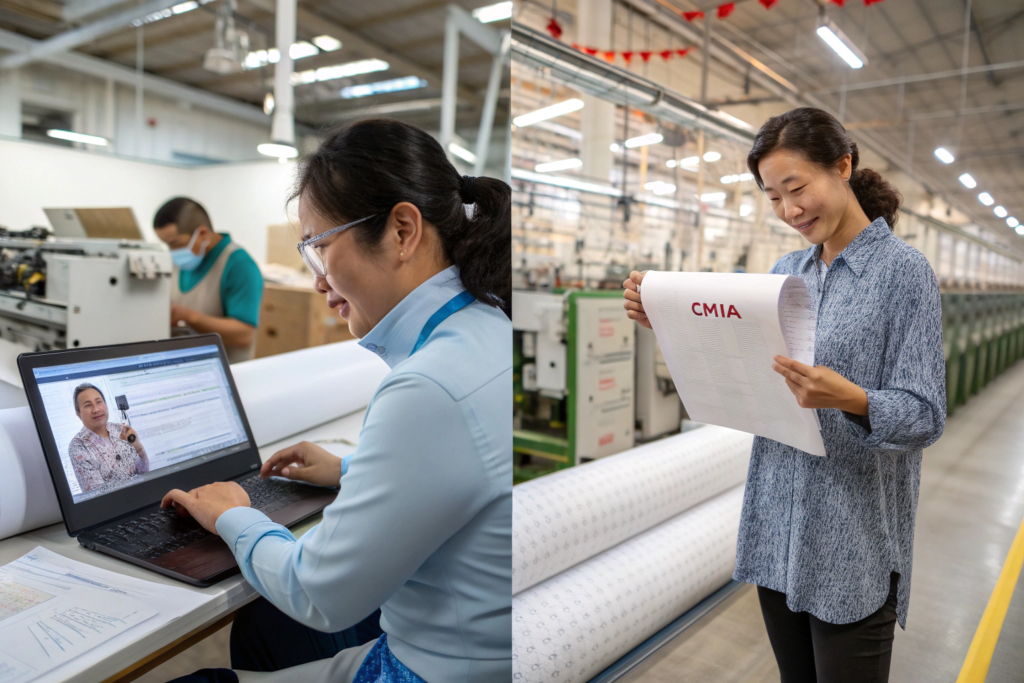
A real test report is a detailed document, not just a logo on a letterhead. When a supplier sends you a certificate, scrutinize it. It must include: 1) Name and address of the accredited testing laboratory (e.g., SGS, ITS, Bureau Veritas, or a reputable CNAS-accredited lab like ours). 2) Clear identification of the tested product (fabric composition, construction, weight, color, and finish). 3) Reference to the exact U.S. test standard (e.g., 16 CFR Part 1615/1616 for children’s sleepwear). 4) A unique report number and issue date. 5) A clear PASS/FAIL statement. 6) Signature or stamp from the lab. Be wary of generic “compliance certificates” issued by the factory itself. Always ask for the full test report. A red flag is a supplier who says, “All our fabrics are certified,” but can’t produce a specific report for the exact material you’re buying. We make it a point at Shanghai Fumao to provide a digital, QR-coded report for every certified batch. Scanning the code gives our clients real-time access to the full test data, including composition and colorfastness—it’s all about transparency. For a checklist on verifying supplier documents, forums like Global Sources’ buyer community have practical threads shared by experienced importers.
What Questions Must You Ask Your Fabric Supplier About Compliance?
Your sourcing conversation must go beyond price and MOQ. Here are the non-negotiable questions:
- “Can you provide a CMIA/CPSC flammability test report for this specific fabric from an accredited third-party lab?”
- “Is the certification for the base fabric only, or for the final fabric with all finishes (like printing, dyeing, softening agents) applied?” (This is crucial, as finishes can drastically alter flammability!)
- “What is your internal quality control process to ensure batch-to-batch consistency with the certified sample?”
- “Can you explain your experience with documentation preparation for U.S. customs for similar shipments?”
A trustworthy supplier will answer these clearly and provide evidence. If they hesitate, consider it a major warning. A case in point: In mid-2023, an American client came to us after their previous supplier’s “certified” organic cotton flannel failed a retail audit. The supplier had tested the greige (unfinished) fabric, but the final brushed finish made it highly flammable. We had to start from scratch, but by testing at the greige, dyed, and finished stages, we secured a compliant product and salvaged their fall collection. The lesson? Certification is a process, not a piece of paper. Asking the right questions upfront is the best way to navigate the complexities of importing textiles from Asia.
Integrating CMIA into Your Production Timeline with a Chinese Supplier
Let’s get practical. You understand the “why.” Now, let’s talk about the “when.” Timing is everything in fashion. Adding a certification step sounds like a delay, but with proper planning, it becomes a seamless part of the schedule that prevents catastrophic delays later. You need to work with a factory that understands this rhythm.
How Long Does CMIA Testing Really Add to Lead Time?
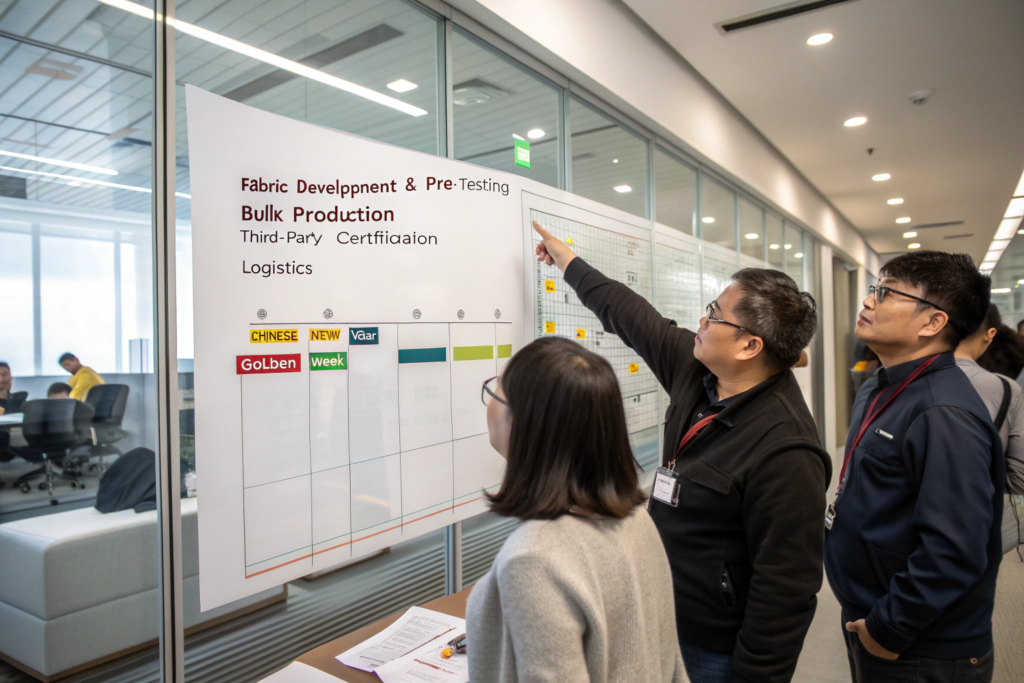
This depends entirely on your supplier’s preparedness. If they are reactive and only send samples for testing after you approve the bulk fabric, you can add 3-6 weeks for sampling, shipping to the lab, queuing, testing, and report issuance. However, a proactive supplier like us at Shanghai Fumao builds this into the R&D phase. We maintain a library of pre-certified base fabrics. When you choose one, we only need to test the new color or print finish, which we can initiate in parallel with your bulk order confirmation. This can cut the certification impact on the critical path down to 10-14 days. We also use our in-house lab for preliminary tests to ensure we pass the formal one on the first try. (Here I have to interject, our pre-testing really does save clients weeks of headaches.) Always factor this into your timeline. Don’t let a supplier tell you it’s “instant.” Build in the buffer.
How Do Chinese Production Cycles Affect Compliance Scheduling?
This is where my opening points about production peaks and holidays become critical. Let’s say you need CMIA-certified sleepwear for a U.S. holiday launch. You must back-calculate from your ship date.
- Factor in Testing Time: As above, add 2-6 weeks for certified reports.
- Factor in Production Peaks: During March-May and August-October, add 1-2 weeks of general buffer.
- Factor in Holidays: NEVER plan for critical production or certification steps to conclude right before Chinese New Year (a 3-4 week shutdown). Labs and factories are swamped before and backlogged after. One of our most successful clients, a European children’s brand, now completes all pre-production and lab-dip approval for their sleepwear line at least 6 weeks before CNY. This allows us to start bulk production the day the factory reopens, with certification already in process. Conversely, the slower periods (June-July, November-December) can offer timeline advantages if your supplier isn’t overloaded. Planning around these cycles with a partner who understands them is how you turn compliance from a bottleneck into a routine step. For long-term planning, using tools discussed on supply chain management platforms like LevaData can be beneficial.
Conclusion
Navigating U.S. safety standards like those covered by CMIA certification might seem daunting, but it’s fundamentally about smart, risk-averse sourcing. It’s not a cost—it’s an investment in your brand’s integrity, your supply chain’s reliability, and your own peace of mind. The key is partnering with a fabric supplier who doesn’t see certification as your problem, but as their core responsibility. A partner with the in-house expertise to guide development, the accredited facilities to validate compliance, and the transparency to provide irrefutable proof every step of the way.
At Shanghai Fumao, we’ve built our business on this foundation. From our CNAS-certified lab in the heart of Keqiao’s textile district to our seasoned QC team, we ensure every meter of fabric, especially for sensitive categories like children’s wear, is developed with end-market compliance as the starting point—not an afterthought. We help you turn a complex regulatory requirement into a competitive advantage, ensuring your products move smoothly from our loom to the U.S. retail floor without costly delays or dangerous surprises.
Ready to streamline your sourcing and ensure your next collection is not only stylish but also fully compliant and safe for the American market? Let’s build that trust and efficiency into your supply chain. Reach out to our Business Director, Elaine, to discuss how we can partner on your next project. She can provide detailed guidance on certification for your specific fabric needs and help you build a production timeline that works. Contact Elaine at elaine@fumaoclothing.com.