You’re sourcing from halfway across the globe. How can you be sure the cotton in your garments wasn’t picked using forced labor or by underpaid workers? Vague supplier assurances aren’t enough anymore. With increasing legislation like the U.S. Uyghur Forced Labor Prevention Act (UFLPA), your brand’s reputation and legal compliance hinge on verifiable ethical proof.
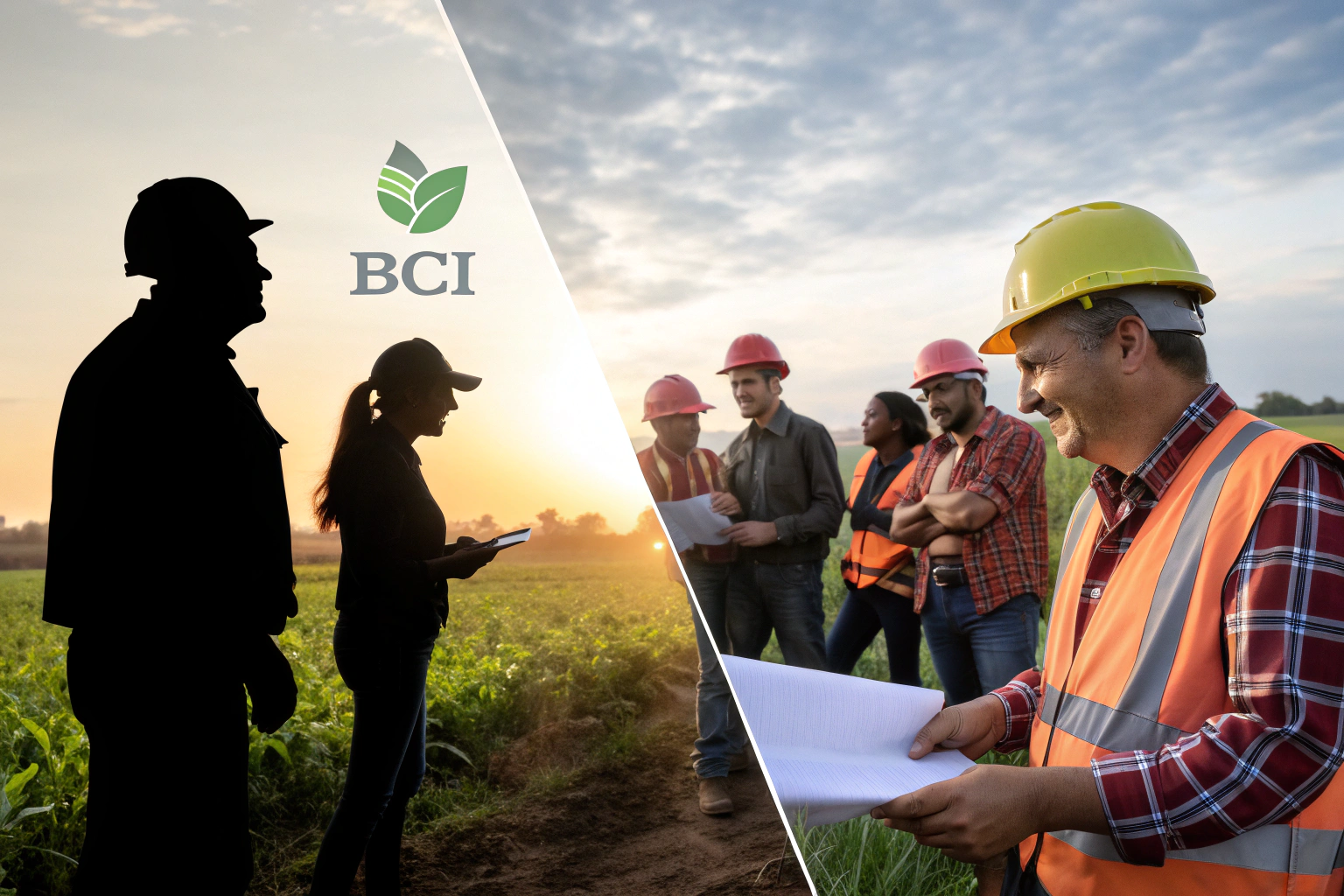
BCI Certification provides a structured, auditable framework that moves beyond basic environmental claims to tackle the core social challenges in cotton production. It’s not just about water savings; it’s a system designed to enforce decent work principles, prohibit child labor, and promote fair terms for farmers and workers throughout the supply chain.
This article will dissect the specific mechanisms within the BCI standard that enforce ethical production. We’ll move past marketing language and show you the concrete rules, training, and verification steps that make BCI a powerful tool for mitigating social risks and building a more responsible supply chain.
Beyond Cotton: The Social Pillars of BCI Certification
Most discussions around BCI focus on environmental metrics like water and pesticide reduction. While crucial, this overlooks half of the standard’s mission. The social criteria embedded in the Better Cotton Principles and Criteria form a rigorous code of conduct for decent work and community well-being.
BCI mandates that licensed farms and ginneries adhere to the International Labour Organization’s (ILO) core conventions. This isn’t optional. The principles explicitly cover: Decent Work (fair contracts, no forced labor, freedom of association), Occupational Health & Safety (proper training, protective equipment), and Community Relations (respect for land rights, no child labor). For us as fabric manufacturers, sourcing BCI cotton means we are buying into a system where these issues are proactively addressed at the raw material’s origin. It’s a critical first layer of ethical assurance before the fiber even reaches our spinning mills.
How Does BCI Actively Prohibit Forced and Child Labor?
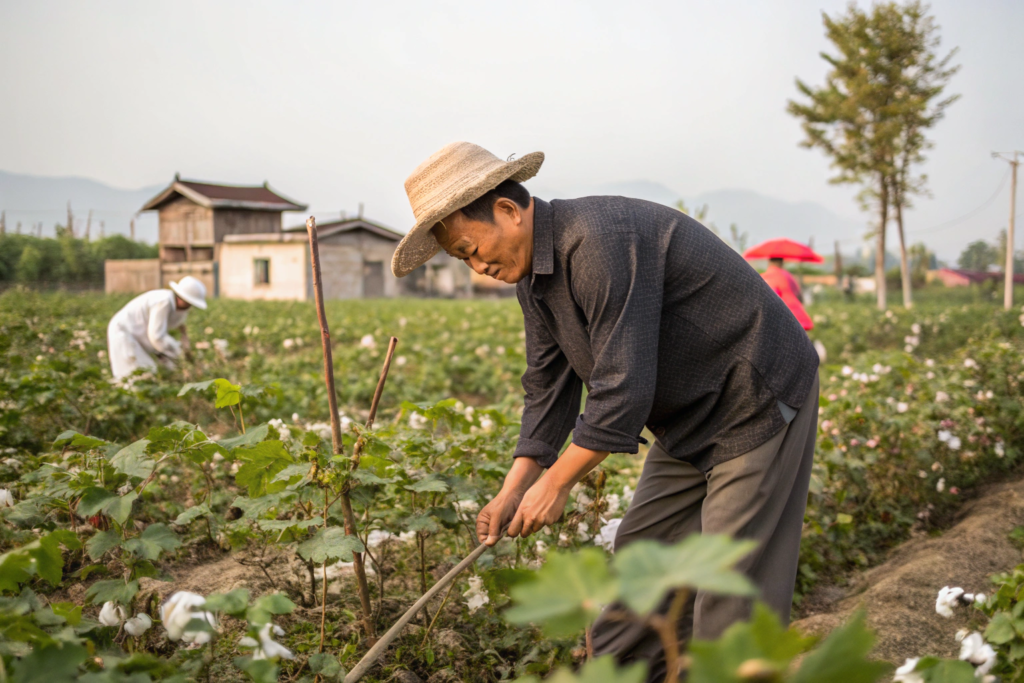
The standard takes a two-pronged approach: prohibition and prevention. First, it explicitly bans all forms of forced, bonded, or compulsory labor, and prohibits the use of child labor as defined by the ILO. But BCI goes further than a simple rule. It requires farms to implement robust age verification processes during hiring and to maintain records. More importantly, BCI provides training for farmers and managers on these rights, helping them understand why these practices are harmful and how to run their operations without them. In our supply chain audits, we don’t just check a box; we look for evidence of this training and the operational systems that support it. This focus on capacity building is what differentiates BCI from a passive audit. Resources like the Fair Labor Association provide deeper context on effective systems to eliminate forced labor in agricultural supply chains.
What Does "Decent Work" Actually Mean on a BCI Farm?
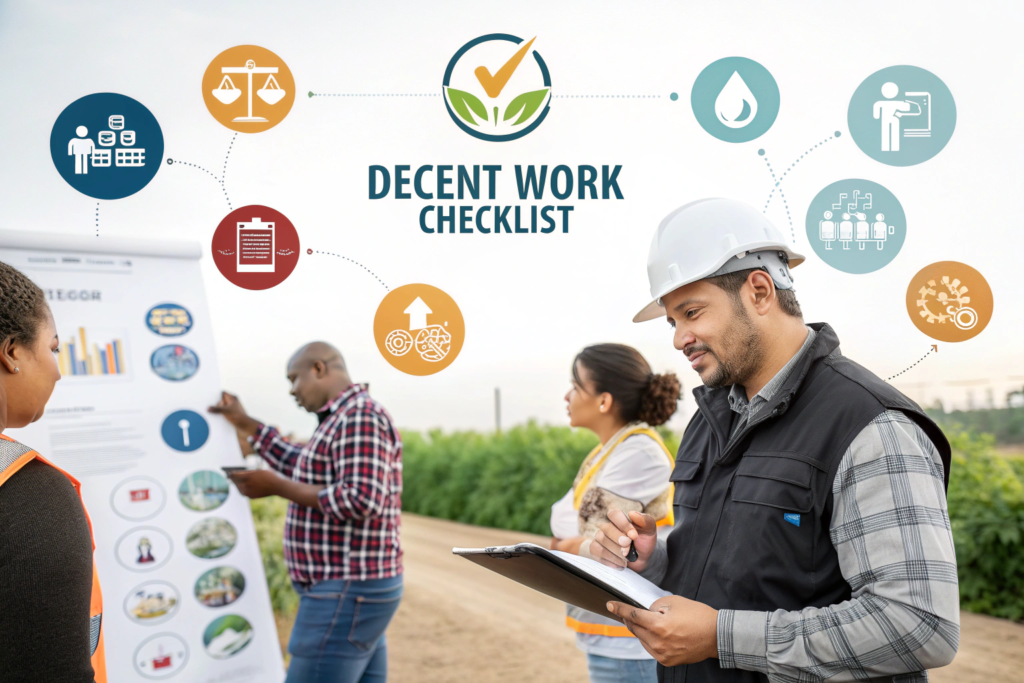
"Decent work" is operationalized into tangible, checkable items. For a farm worker under BCI, it means:
- A clear, written employment contract they understand.
- Payment at least equal to the legal minimum wage or prevailing industry wage.
- Clearly defined working hours that comply with national law.
- Access to safe drinking water, sanitation, and first-aid facilities.
- The right to organize and bargain collectively, where permitted by law.
During a sourcing visit to a BCI-licensed farm cooperative in Shandong last year, I saw this in practice. Workers had designated rest areas, proper storage for agrochemicals away from living quarters, and visible postings of their rights and grievance mechanisms. The farm manager showed us his payroll records, which were surprisingly orderly for a mid-sized farm. This level of systematization is a direct result of BCI’s continuous assessment and support. For brands, this translates to a reduced risk of scandalous exposés about working conditions. Industry platforms like Sedex often discuss practical benchmarks for decent work in farming, aligning closely with BCI’s principles.
The Verification Engine: How BCI Audits Enforce Compliance
A standard is only as good as its enforcement. BCI doesn’t rely on self-reporting. It employs a multi-tiered verification system involving independent third parties to ensure farms and supply chain actors are actually implementing the principles.
The process starts with farmer self-assessments, followed by rigorous audits conducted by BCI-approved third-party auditing firms. These aren’t casual visits. Auditors spend days on-site, cross-checking records, interviewing workers privately (without management present), inspecting facilities, and observing practices. Farms are scored, and licensing depends on achieving a pass mark and demonstrating a plan for continuous improvement on any gaps. For larger producers like the spinning mills we partner with, this audit trail is exhaustive. We once reviewed an audit report for a mill that was flagged for not having a formal grievance procedure poster in the local dialect. They had 30 days to fix it to maintain their license. This granularity matters.
What Happens During a Third-Party BCI Social Audit?
Imagine a financial audit, but for human rights and safety. The auditor will:
- Review Documentation: Payroll records, time sheets, employment contracts, age verification documents, safety training logs, and chemical purchase records.
- Conduct Private Worker Interviews: They’ll speak with workers randomly selected and in a confidential setting, asking about wages, working hours, freedom of movement, and any incidents of harassment or abuse.
- Physical Inspection: Walk through housing (if provided), fields, storage areas, and chemical mixing stations to check for safety hazards, cleanliness, and proper signage.
- Management Interviews: Question owners and managers on their policies, training programs, and how they handle worker complaints.
Non-conformities are categorized by severity. Critical issues like evidence of child labor can lead to immediate suspension. Minor issues require a Corrective Action Plan. This process creates a powerful deterrent against malpractice. The rigor of such social audits is benchmarked against international norms discussed in forums like the Social Accountability International (SAI) community.
Can a Supplier Lose Its BCI License? What Triggers It?
Absolutely. BCI licensing is not permanent; it’s conditional on ongoing compliance. Loss of license can be triggered by:
- Critical Non-Conformities: Evidence of forced labor, child labor, or severe safety hazards that cause immediate harm.
- Failure to Implement Corrective Actions: Not addressing major non-conformities within the required timeframe.
- Fraud or Misrepresentation: Falsifying records or obstructing the audit process.
- Repeated Minor Non-Conformities that show a lack of commitment to improvement.
This "stick" is essential. In late 2022, a ginnery our mill sourced from had its BCI license suspended for consistently failing to provide workers with proper protective equipment against cotton dust. Our mill had to immediately switch to another licensed ginnery to keep our own chain of custody valid. This incident, while disruptive, proved the system works. It protected our supply chain—and by extension, our clients like Shanghai Fumao—from being linked to an unethical operator. Understanding supplier compliance risks in global textile chains is key for any brand.
From Farm to Fabric: Tracking Ethics Through the Supply Chain
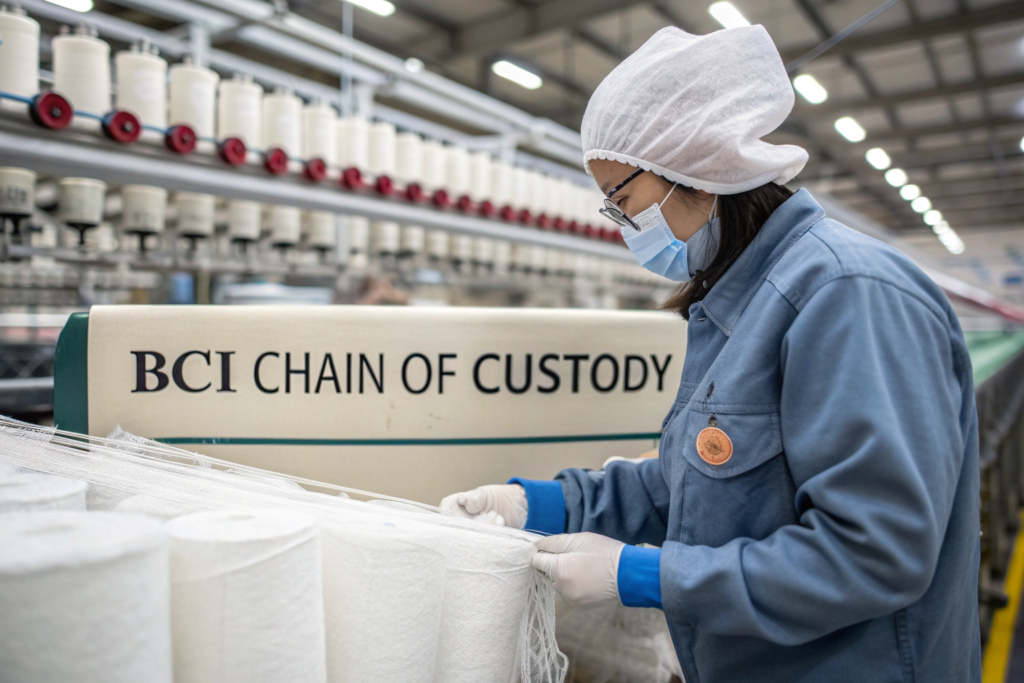
The ethical promise cannot vanish once cotton leaves the farm. BCI’s Chain of Custody (CoC) models are the mechanisms that carry the claim—and the responsibility—through processing, manufacturing, and trading.
For social compliance, the Mass Balance model is particularly relevant. While it allows physical mixing of BCI and conventional cotton, the claim is strictly volume-controlled. The Transaction Certificates (TCs) generated at each step are not just volume tickets; they are ethically backed promissory notes. When we at Shanghai Fumao issue a TC for BCI fabric, we are stating that an equivalent volume of cotton was produced under BCI’s social and environmental standards. This creates a financial incentive for ethical production: the more demand for BCI credits from brands like yours, the more farms are incentivized to join and adhere to the program to sell their cotton at a premium.
How Does the Chain of Custody Prevent "Ethical Washing"?
The system is designed to be traceable and fraud-resistant. Every licensed entity (farm, ginnery, spinner, trader, fabric maker) has a unique ID. TCs link these IDs in a chain. If a brand or auditor wants to verify the claim, they can request the TC trail. For example, if you buy BCI fabric from us, you can ask for our TC from the spinner, who can provide their TC from the ginner, who can provide theirs from the farm group. This paper trail, backed by the underlying audit reports at the farm level, makes vague "ethical" claims untenable. It replaces marketing fluff with transaction-level accountability. This approach aligns with broader industry movements towards transparency, as seen in resources provided by The Sustainability Consortium.
What Are My Responsibilities as a Brand Buying BCI Fabric?
Your responsibility is due diligence. BCI provides the system, but you must use it correctly:
- Source from Licensed Suppliers: Always verify your fabric supplier’s BCI license number on the BCI website.
- Demand Transaction Certificates: For every order, get the TC that covers the volume of fabric you purchased. File it. It’s your proof of purchase into the ethical system.
- Use the Claim Accurately: You can claim your product is “Made with Better Cotton” in line with BCI’s claim rules. You cannot claim the final product is BCI certified—only the cotton input is.
- Integrate the Story: Use the specific social benefits in your communication. Did you know that in 2023, BCI farmers trained over 2.2 million workers on decent work practices? That’s a powerful, quantifiable story.
A client from Denmark last season used the TC we provided, along with photos we shared from the farming communities, to create a stunning "Fiber to Finish" story on their hangtags. It resonated deeply with their customers. This is how you turn ethical sourcing from a cost center into a value driver. For guidance on accurate sustainability communication, the Competition and Markets Authority (CMA) guidelines are an essential reference.
Conclusion
BCI Certification is far more than an environmental label. It is a comprehensive social compliance system, built on internationally recognized labor standards and enforced through independent audits and a traceable chain of custody. It provides brands with a scalable, verifiable mechanism to address the urgent ethical risks in their cotton supply chains—from prohibiting child labor to ensuring decent work conditions.
In today’s market, ethical production is non-negotiable. It’s a legal imperative, a brand safeguard, and a growing consumer expectation. BCI offers a pragmatic path to meet these demands without sacrificing supply chain scale or stability.
Ready to make the ethical integrity of your fabrics as strong as their physical quality? Partner with a supplier who understands this system inside and out. At Shanghai Fumao, we don’t just sell BCI fabrics; we provide the documented evidence and insights you need to trust your source and tell your story with confidence. Let’s build a more responsible supply chain together. Contact our Business Director, Elaine, to discuss your next ethically sourced order: elaine@fumaoclothing.com.