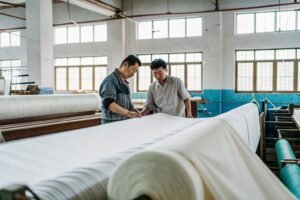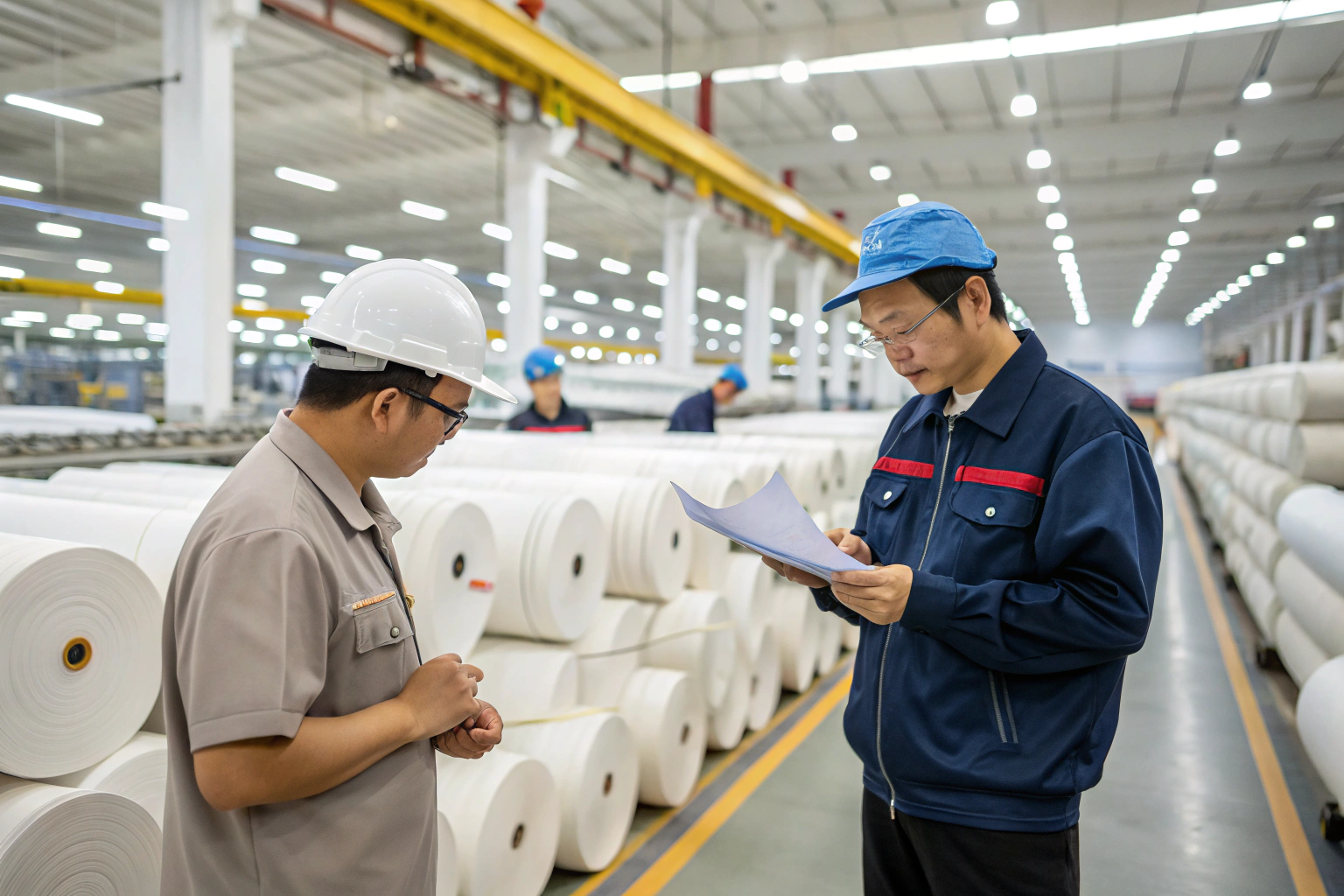
You’ve decided to source BCI cotton. You’ve found a fabric supplier, maybe even gotten a few quotes. But when that fabric arrives at your cut-and-sew factory for production, does your responsibility—and your risk—end? Absolutely not. The final link in your supply chain is arguably the most critical for ensuring your BCI claim holds water. Asking the right questions upfront separates brands who have a genuine, verifiable story from those who end up with a disconnected certificate and a product that can’t fully support its own marketing. So, what do you need to know?
You must treat your factory not just as a service provider for sewing, but as the final custodian of your chain of custody. The questions you ask should be designed to assess their competence, their systems, and their integration into the BCI ecosystem. This isn’t about doubting them; it’s about building a partnership based on transparency and shared standards. A factory that can answer these questions clearly is a factory that understands modern compliance and can protect your investment in sustainability. Let’s categorize the essential interrogation.
Foundational Questions: Validating Their BCI License & Scope
Before discussing a single garment, you must establish their legal and operational standing within the BCI system. This is non-negotiable due diligence.
1. "What is your BCI license number, and can we verify it on the BCI website?"
- Why Ask This? This is the first check. Any factory claiming BCI certification must have a unique license number issued by BCI for their specific legal entity and facility. It proves they are part of the program, not just buying fabric from someone who is.
- What to Expect: They should provide it immediately. You then go to the BCI website and use their "Find a Supplier" tool to verify the license is active and matches the factory name and address.
2. "What is the exact scope of your BCI certification? Which processes are covered (e.g., cutting, sewing, finishing, warehousing)?"
- Why Ask This? A license can have limitations. If they are only certified for "sewing" but you also need them to manage fabric storage, cutting, and final packaging under the BCI claim, there might be a gap. You need the entire production flow for your order to be within their certified scope.
- What to Expect: A clear document (the BCI scope certificate) outlining the certified processes and facility locations.
3. "Are you a BCI ‘Manufacturer’ or ‘Trader’ member? Who manages the BCCU (Better Cotton Claim Unit) purchase for our order?"
- Why Ask This? This clarifies responsibility. As a Manufacturer, they purchase BCCUs themselves to cover the cotton in the goods they produce. As a Trader, they might be reselling goods made by another BCI manufacturer. You need to know who is ultimately responsible for the chain-of-custody paperwork. The cleanest model is a Manufacturer member producing your goods.

How to Interpret Their Answers?
If a factory hesitates, cannot provide a number, or says "our fabric supplier handles that," this is a major red flag. It means they are not a certified link, and your final product’s BCI claim could be invalid or impossible to document properly. Walk away. The integrity of your supply chain starts here.
Operational & Process Questions: How They Manage Your Order
Once their license is verified, you need to understand how BCI principles are baked into their daily operations for your specific order. This moves from "can they?" to "how will they?".
4. "What is your process for segregating and identifying BCI materials (fabric, thread, labels) from conventional ones in your warehouse and on the production floor?"
- Why Ask This? To prevent contamination and mixing. This is the single biggest operational risk to your claim. If your BCI fabric gets mixed with conventional off-cuts or is sewn with non-tracked thread, the chain of custody is broken.
- What to Expect: They should describe a system: clearly labeled rolls, designated storage areas, separate bins for cut panels, and possibly even dedicated production lines or runs. They might show you their warehouse management software logs.
5. "Can you walk us through your documentation flow for a BCI order, from fabric intake to shipment? What specific documents will you provide us with?"
- Why Ask This? You need the paper trail. The physical garment is one deliverable; the proof is another.
- What to Expect: A clear sequence: 1) They receive the fabric with a supplier’s declaration/mill certificate. 2) They log it into their system against your Purchase Order. 3) They purchase the corresponding volume of BCCUs in the BCI platform. 4) After shipment, they provide you with two key documents: the Commercial Invoice and the BCI Transaction Certificate (TC) specifically referencing your order and the volume of BCCUs claimed.
6. "How do you train your production and QC staff to handle BCI orders differently?"
- Why Ask This? This tests if BCI is a living system or just a piece of paper. It reveals their operational discipline.
- What to Expect: Answers about specific training modules, visual aids on the floor, checklists for line supervisors, and perhaps even incentives for maintaining segregation protocols. A great answer mentions integrating BCI checks into their standard quality control inspection points.

Why is the Transaction Certificate (TC) Non-Negotiable?
The BCI TC is your only official, third-party proof that the Better Cotton demand has been accounted for. It is NOT the same as a certificate from the fabric mill. It must be issued by the BCI-licensed entity that is making the final claim—hopefully, your factory. Demand to see a sample TC from a previous order. If they cannot produce one, they have never completed a full BCI cycle.
Commercial & Strategic Partnership Questions
These questions elevate the conversation from compliance to partnership, ensuring long-term alignment.
7. "What is the cost structure for the BCI component? Is it a flat fee, a percentage, or bundled? When and how do you purchase the BCCUs?"
- Why Ask This? To ensure transparency and avoid hidden costs. You need to understand what you’re paying for. The cost should cover the BCCU market price plus a small administrative fee.
- What to Expect: A clear breakdown. The best practice is for them to purchase BCCUs after your order is complete and the exact cotton weight is known, to ensure 100% accuracy. Be wary of upfront estimates that aren’t reconciled.
8. "How do you handle leftover BCI fabric or cut-and-sew waste? Do you have a policy or partner for recycling?"
- Why Ask This? It probes the depth of their sustainability commitment. A truly responsible partner thinks about the entire lifecycle. While BCI doesn’t mandate this, it shows forward-thinking.
- What to Expect: Answers may range from "we collect and sell to recyclers" to "we use it for internal samples." The ideal is a partnership with a GRS-certified recycler to close the loop. Even a clear policy is a good sign.
9. "Can you provide references from other brands for whom you’ve produced BCI-certified goods?"
- Why Ask This? Social proof is powerful. It allows you to hear about another brand’s experience with the factory’s BCI processes, documentation reliability, and problem-solving.
- What to Expect: They should be able to provide at least 1-2 contacts (with permission). If they claim extensive BCI experience but have no references, be cautious.

What If My Factory Isn’t BCI Certified?
Then you have two choices, both with implications:
- Use a BCI-certified fabric, but the factory cannot make a BCI claim. You can only market the fabric as BCI-sourced, not the final garment. The chain of custody ends at the fabric mill. This is a weaker story.
- Find a BCI-certified factory. This is the only way to have a fully chain-of-custody certified final product. For brands serious about their claims, this is the necessary path. At Shanghai Fumao, we can connect you with our network of vetted, BCI-certified manufacturing partners to ensure a seamless process.
The Audit Question: Proving It All On the Ground
Finally, you need to know how this all holds up under scrutiny.
10. "Can we include BCI process verification as part of our social/environmental audit of your facility, either by our team or a third party like SGS/BV?"
- Why Ask This? This is the ultimate test. It moves from theory to practice. You’re asking for the right to verify their stated processes on the ground.
- What to Expect: A confident "yes." A professional, certified factory will be accustomed to audits and will have their processes documented and ready for inspection. They may even have recent audit reports you can review. Hesitation here is a final red flag.

Creating Your Factory BCI Assessment Checklist
Based on these questions, create a simple scorecard:
- [ ] License verified on BCI website.
- [ ] Scope matches our required processes.
- [ ] Clear segregation process described and visible.
- [ ] Sample Transaction Certificate provided.
- [ ] Transparent cost breakdown for BCCUs.
- [ ] Accepts independent audit verification.
A score of 6/6 means a strong partner. Any misses require serious discussion.
Conclusion
Asking these questions isn’t about creating conflict; it’s about establishing a foundation for a transparent, trustworthy, and compliant partnership. A factory that welcomes these questions is a factory that is proud of its systems and sees you as a strategic partner, not just another order.
Your brand’s credibility is on the line with every sustainability claim you make. The factory you choose is the guardian of that credibility at the final production stage. Do not delegate this responsibility. Be thorough, be professional, and build your supply chain on a foundation of verified answers, not hopeful assumptions.
Need a partner who already has the answers? Shanghai Fumao works exclusively with a network of BCI-certified manufacturers who are pre-vetted against these very questions. We ensure the handoff from our certified fabrics to your finished garments is seamless, documented, and audit-ready. Let us introduce you to partners who speak the language of compliance as fluently as they speak the language of quality. Contact our Business Director, Elaine, at elaine@fumaoclothing.com to connect with a factory that will pass your audit with flying colors.