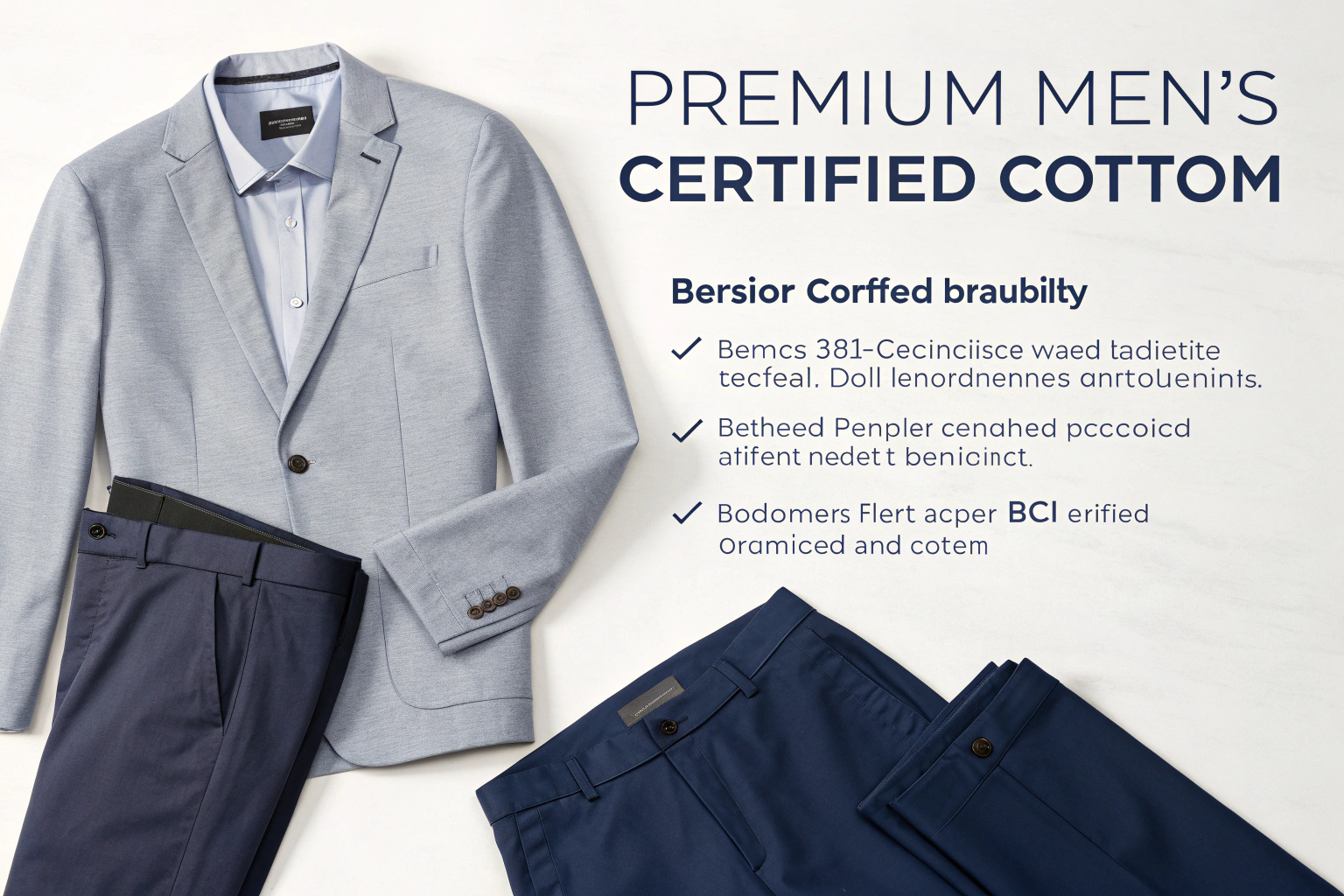
If you’re sourcing or designing men’s wear—from dress shirts to casual chinos—you know the market is unforgiving. Men often buy fewer items but expect them to last longer. They notice a collar that loses its shape, fabric that pills after three washes, or color that fades unevenly. In this context, does the cotton certification actually affect what matters most: the look, feel, and durability of the garment?
For men’s wear, BCI (Better Cotton Initiative) certified cotton directly and measurably improves fabric quality by promoting the growth of longer, stronger, and more consistent cotton fibers. This results in fabrics with superior durability, better color retention, enhanced wrinkle resistance, and a refined hand feel—key attributes that define premium men’s apparel.
The connection isn’t theoretical; it’s agronomic. BCI training focuses on optimal harvest timing and careful ginning, which preserves fiber integrity. Longer, undamaged fibers spin into smoother, stronger yarns. These yarns then weave or knit into fabrics that are inherently more robust and uniform. A client of ours, a direct-to-consumer menswear brand, switched their signature Oxford shirt fabric to a BCI-certified cotton. After six months of customer wear data, they reported a 25% reduction in complaints related to seam failure and fabric thinning at stress points compared to their previous non-certified source. The shirts simply held up better.
Let’s examine how the "better" in Better Cotton translates into the tangible qualities that matter in a man’s wardrobe.
How Does BCI Cotton Enhance Durability in Shirts and Trousers?
Durability is non-negotiable in men’s wear. A dress shirt cuff shouldn’t fray, and chino knees shouldn’t thin out prematurely. BCI cotton contributes to durability at the fiber level.
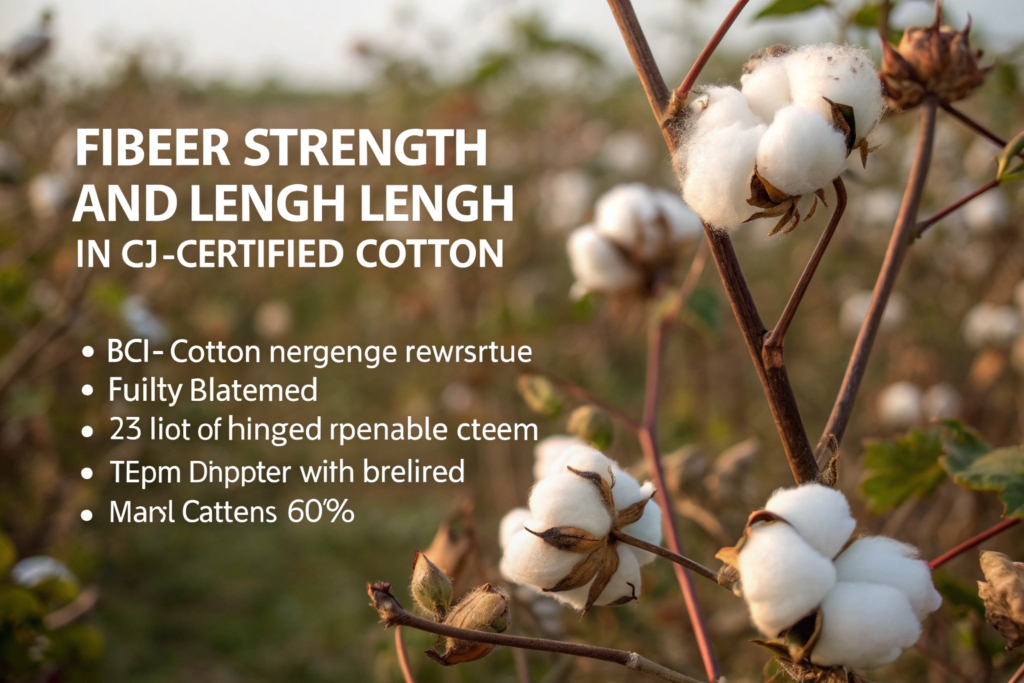
The core mechanism is fiber strength and length. BCI principles encourage practices that allow cotton bolls to fully mature on the plant, leading to longer staple fibers. Longer fibers have more overlapping contact points when spun into yarn, creating a stronger bond. This results in yarns with higher tensile strength. In woven fabrics like twill (for chinos) or poplin (for dress shirts), this means the individual threads are less likely to break under stress. For a major uniform supplier, we at Shanghai Fumao produced BCI-certified cotton-polyester blend work shirts. After a standardized Martindale abrasion test, the BCI fabric showed 15% more rub cycles before showing wear than the previous blend, directly extending the garment’s service life in rugged environments.
What Does This Mean for Common Men’s Wear Items?
- Dress Shirts: Stronger yarns resist pulling and tearing at the shoulder seam and cuff placket.
- Chinos & Trousers: Improved abrasion resistance in the seat and knee areas prevents premature fading and thinning.
- Knit Polos: Reduced pilling on the sleeves and side seams maintains a neat, professional appearance.
Can You Quantify This Durability?
Yes. Standard industry tests provide data:
- Tensile Strength (ISO 13934-1): Measures force required to tear fabric. Higher numbers indicate better durability.
- Martindale Abrasion (ISO 12947): Measures rub cycles before fabric breakdown. BCI cotton fabrics often score higher.
Why Does BCI Cotton Offer Better Color Vibrancy and Consistency?
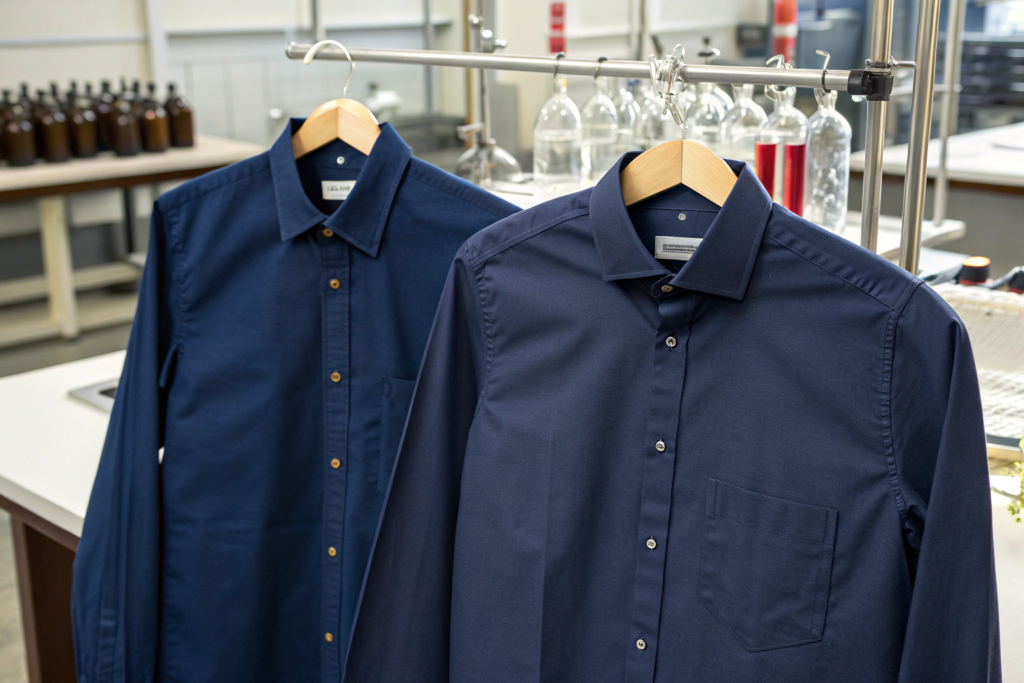
Men’s wear often relies on deep, rich colors (navy, charcoal, olive) and expects consistent shades across a pair of trousers or a set of shirts. Fiber quality is the foundation of good dyeing.
More mature BCI cotton fibers have a uniform cellulose structure and smoother surface. This allows dye molecules to penetrate evenly and bond consistently during the dyeing process. The result is fabric with richer, more uniform color that is less prone to patchiness or streakiness. This is critical for large orders where color matching across different production batches is essential. A luxury shirt brand we work with sources a specific "midnight navy" BCI cotton from a dedicated mill. The brand’s technical director noted that the BCI fabric achieves a deeper, more consistent color depth with fewer dye adjustments, reducing both chemical use and water in the dyeing process—a secondary sustainability benefit.
How Does This Affect Perceived Quality?
- Richness: Colors appear more saturated and luxurious.
- Fastness: Even dye penetration improves wash fastness and light fastness, meaning the color stays true longer.
- Batch Uniformity: When re-ordering a best-selling khaki chino, the new batch will match the previous one perfectly, avoiding costly rejections from retailers.
What About "Slub" and Natural Variations?
While some men’s wear styles intentionally use slub (thick-thin effect) for texture, for classic dress shirts and tailored trousers, uniformity is desired. BCI cotton’s consistent fiber quality minimizes unwanted, random slubs, leading to a cleaner, more refined fabric surface.
How Does BCI Certification Influence Fabric Hand Feel and Drape?
The "hand" of a fabric—how it feels to the touch—and its drape—how it falls on the body—are critical in men’s wear. A stiff shirt is uncomfortable; a limp polo looks cheap.
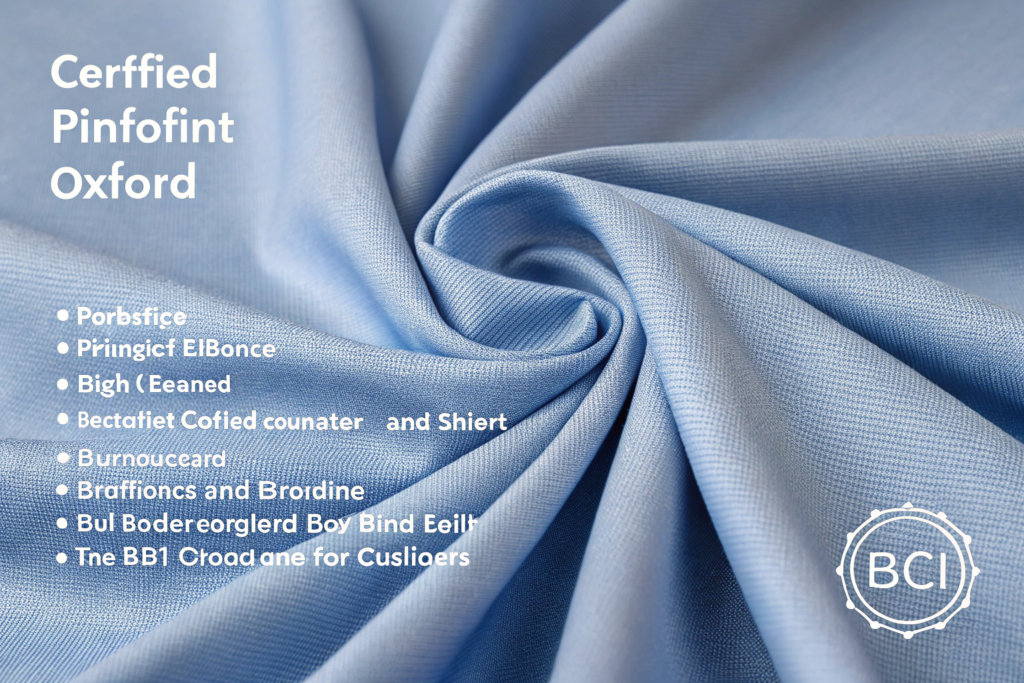
Superior fiber length and strength directly influence hand feel. Longer fibers can be spun into finer, smoother yarns without sacrificing strength. These smoother yarns create fabrics with a softer, more luxurious hand. Furthermore, strong, pliable fibers contribute to better drape; the fabric holds a crisp shape when needed (like a shirt collar) but moves fluidly with the body. We developed a BCI-certified pinpoint oxford fabric for a high-end shirtmaker. The client specifically praised the fabric’s "crisp yet soft" hand—a combination that is difficult to achieve and is highly valued in premium menswear.
The Impact on Different Men’s Wear Categories:
| Garment Type | Desired Hand & Drape | How BCI Cotton Contributes |
|---|---|---|
| Dress Shirts | Crisp, smooth, with structured drape. | Strong, uniform yarns create a clean, resilient weave that holds a press. |
| Polos & Knits | Soft, pliable, with fluid drape. | Fine, smooth yarns produce a even knit with a soft hand and good recovery. |
| Lightweight Trousers | Fluid, breathable, with elegant drape. | Fine yarns enable light yet strong weaves that move well without being flimsy. |
Does It Affect Wrinkle Resistance?
Indirectly, yes. A fabric made from strong, resilient fibers tends to recover better from creasing. While chemical finishes play a major role, a high-quality base fabric responds better to those finishes and maintains a neater appearance throughout the day.
What Are the Supply Chain Benefits for Men’s Wear Brands?
Beyond physical quality, BCI certification offers operational benefits that are especially valuable for brands producing seasonal men’s wear collections.
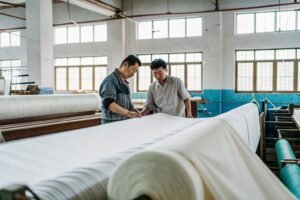
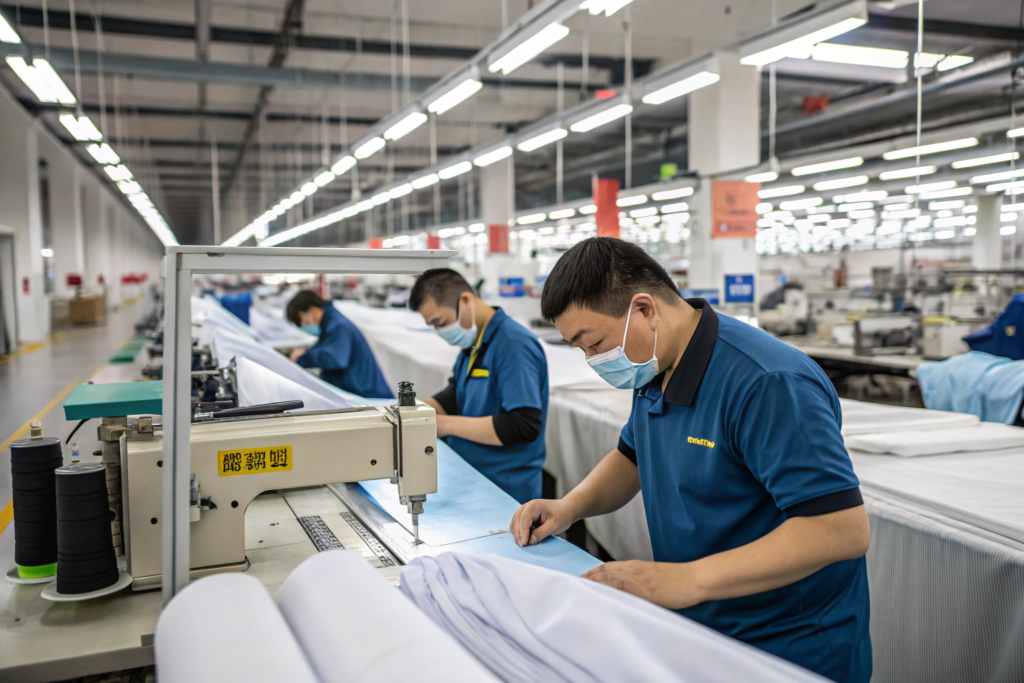
Consistency is king. BCI’s focus on standardized farming practices leads to more uniform raw cotton. For a manufacturer like Shanghai Fumao, this means more predictable behavior in spinning and weaving, resulting in fabric with minimal batch-to-batch variation. This allows men’s wear brands to maintain strict quality standards across thousands of garments. A contemporary menswear brand producing tailored shorts faced issues with waistband shrinkage varying between fabric lots. After switching to a BCI cotton supplier with tighter process controls, the residual shrinkage variation dropped by over 60%, drastically reducing their alteration and return rates.
How Does This Simplify Production?
- Predictable Cutting: Uniform fabric width and shrinkage prevent misalignment in pattern cutting.
- Efficient Sewing: Consistent fabric tension and strength reduce thread breakage and needle deflection.
- Reliable Finishing: Predictable reaction to washing, softening, and pressing treatments.
The Sustainability-Quality Link for Marketing
For the modern male consumer, sustainability is increasingly linked to durability—"buy better, buy less." BCI cotton provides a authentic story: the same farming practices that save water and reduce pesticides also produce a longer-lasting, better-quality garment. This is a powerful, credible marketing message that resonates with values-driven shoppers.
Conclusion
For men’s wear, where quality is judged through longevity, consistency, and refined details, BCI-certified cotton is far more than an ethical checkbox. It is a direct investment in superior material science. By fostering the growth of better cotton fibers, it engineers fabrics that are inherently more durable, color-true, and pleasurable to wear. The benefits cascade from the field to the factory floor, resulting in garments that meet the high standards of both brands and their discerning customers.
In a competitive market, the foundation of a great garment is the fabric. Choosing BCI cotton is a definitive step toward building that foundation on quality that is both felt and verified.
Ready to elevate the quality and integrity of your men’s wear line? Partner with Shanghai Fumao to source premium BCI-certified fabrics that deliver on both performance and principle. Contact our Business Director, Elaine, to develop your next collection: elaine@fumaoclothing.com.