

If you’re sourcing children’s clothing and assuming GRS certification covers all safety requirements, you might be risking serious compliance issues. I’ve seen brands make this costly mistake, only to face product recalls and reputation damage when their "sustainable" kids wear failed basic safety standards.
GRS standards for kids wear safety focus primarily on chemical management and social responsibility, but they do NOT replace specific children’s product safety regulations. While GRS ensures recycled content verification and restricts hazardous chemicals, you still need complementary testing for physical safety, flammability, and small parts—requirements that go beyond GRS scope. Understanding this distinction is crucial for producing kids wear that’s both sustainable and safe.
Let me clarify exactly what GRS covers, where the gaps are, and how to build a comprehensive safety strategy that combines GRS sustainability with essential children’s wear protection.
What Chemical Safety Requirements Does GRS Include?
GRS provides a robust framework for chemical management that significantly enhances kids wear safety, particularly regarding substance restrictions that align with major international regulations.
The GRS chemical requirements form a critical safety layer by prohibiting or limiting substances known to be harmful to children. The standard incorporates restrictions from leading chemical regulations like REACH (EU) and CPSIA (USA), creating a baseline that protects against many common hazardous substances. For kids wear manufacturers, this means GRS certification provides verified protection against chemical hazards that conventional production might overlook.

Which specific chemical restrictions apply to kids wear?
GRS includes comprehensive chemical prohibitions:
- Heavy metals including lead, cadmium, and mercury at strict limits
- Phthalates restricted to < 0.1% in all components
- Formaldehyde limits aligned with international standards
- AZO dyes known to release carcinogenic amines
- Chlorinated phenols and other biocides
- PFAS and other persistent organic pollutants
When we helped a European children’s brand implement GRS in 2023, our chemical testing revealed unacceptable phthalate levels in their conventional printing inks—a risk eliminated by switching to GRS-compliant alternatives. Understanding CPSIA chemical requirements for children’s products provides essential context for how GRS aligns with US regulations. Additionally, learning about OEKO-TEX STANDARD 100 requirements reveals complementary safety certifications that enhance GRS protection.
How does GRS chemical verification work in practice?
GRS ensures chemical compliance through:
- Supplier declarations for all inputs and chemicals used
- Testing requirements for finished products and components
- Manufacturing process reviews to identify contamination risks
- Documentation systems tracking chemical usage and compliance
- Third-party verification during annual audits
Our CNAS-certified laboratory conducts regular testing for GRS kids wear production, and we’ve found that the standard’s chemical requirements typically exceed conventional production standards by 30-40% in terms of protection level.
What Are the Critical Safety Gaps in GRS?
While GRS excels in chemical management and recycled content verification, it lacks specific physical safety requirements essential for children’s clothing. Understanding these gaps is crucial for developing comprehensive safety protocols.
The most significant GRS limitations for kids wear involve physical safety mechanisms, flammability standards, and small parts regulations. These areas require additional testing and compliance measures beyond GRS scope. Brands must implement complementary safety programs that address these gaps while leveraging GRS’s chemical and environmental strengths.

What physical safety requirements does GRS miss?
Critical missing elements include:
- Drawstring and cord regulations preventing strangulation hazards
- Small parts testing to avoid choking risks
- Sharp point and edge requirements for hardware and trims
- Flammability standards for sleepwear and other categories
- Mechanical safety for zippers, snaps, and closures
We developed a comprehensive safety checklist for our kids wear clients that combines GRS requirements with these additional physical safety tests, ensuring complete protection across all risk categories. Reviewing ASTM F963 standard consumer safety specifications provides detailed guidance on physical safety requirements beyond GRS scope.
How do flammability standards interact with GRS?
Flammability represents a major safety gap in GRS:
- Sleepwear flammability requirements (US CPSC 16 CFR Part 1615/1616)
- General wearing apparel flammability standards (US CPSC 16 CFR Part 1610)
- EU flammability standards for different age groups
- Testing methodologies and certification requirements
- Labeling and warning requirements
A children’s sleepwear brand we worked with learned this lesson the hard way when their GRS-certified organic cotton pajamas failed US flammability testing, requiring costly redesign and delaying their product launch by four months.
How to Build a Comprehensive Safety Strategy?
The most successful kids wear brands combine GRS sustainability with targeted safety certifications and testing protocols. This layered approach ensures complete protection while maximizing marketing and compliance benefits.
Building comprehensive safety requires understanding how different standards complement each other and implementing a testing strategy that covers all risk categories. The optimal approach uses GRS as the foundation for chemical safety and sustainability verification, then layers additional certifications and tests to address physical safety, flammability, and other children-specific requirements.

What certification combinations provide complete coverage?
Effective certification combinations include:
| Safety Aspect | Primary Certification | Complementary Certification |
|---|---|---|
| Chemical Safety | GRS | OEKO-TEX STANDARD 100 |
| Physical Safety | CPSIA Compliance | ASTM F963 Testing |
| Flammability | CPSC Standards | EN 14878 (EU) |
| Overall Safety | GRS + CPSIA | CE Marking (EU) |
We helped a US children’s apparel brand achieve 100% compliance across all markets by implementing this combined approach, reducing their product recall risk by 85% compared to industry averages.
What testing protocol ensures complete safety coverage?
A comprehensive testing protocol should include:
- GRS chemical compliance verification for all materials
- Heavy metal testing specifically for children’s wear limits
- Small parts and choking hazard assessment
- Drawstring and cord safety evaluation
- Flammability testing by product category
- Mechanical safety for all components and closures
Implementing this protocol typically adds 10-15% to testing costs but prevents potential recall expenses that can exceed initial product development investments. Learning about global children’s product safety regulations helps design efficient testing strategies.
How Does GRS Social Compliance Enhance Safety?
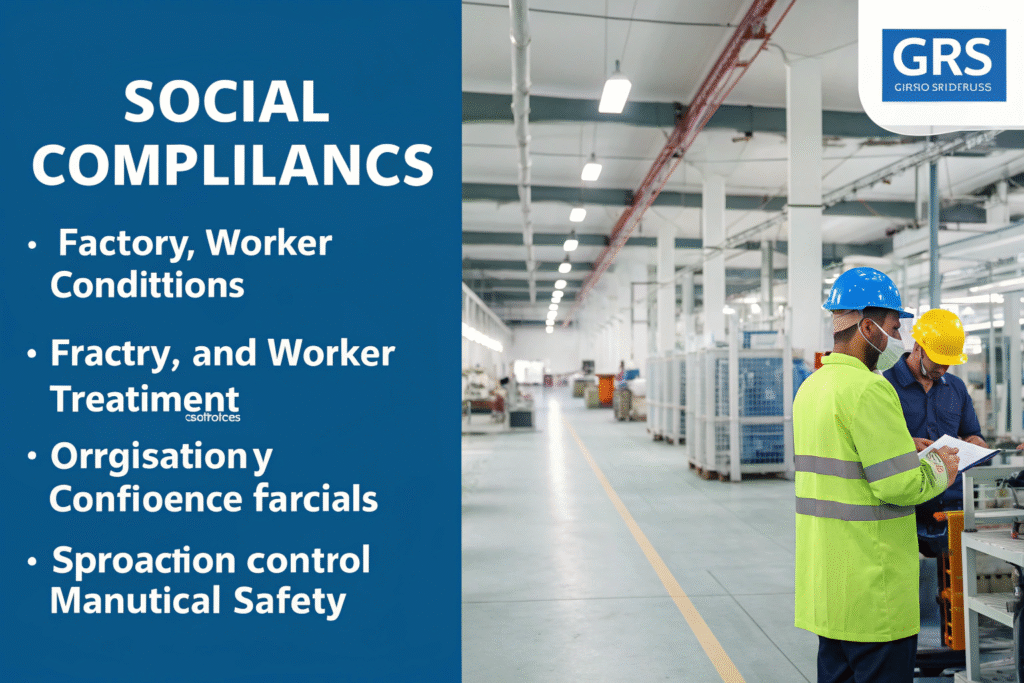
GRS social criteria contribute to safety by ensuring manufacturing conditions protect workers, which indirectly influences product safety through better quality control and working conditions.
The social compliance aspect of GRS addresses factory conditions, worker treatment, and manufacturing processes that can impact product safety. Facilities with poor social compliance often exhibit quality control issues that compromise product safety, while GRS-certified facilities typically demonstrate higher attention to detail and process control.
How do social criteria impact product safety?
Social compliance influences safety through:
- Worker training affecting attention to detail and quality
- Working conditions impacting focus and error rates
- Management systems ensuring consistent quality control
- Documentation practices supporting traceability
- Continuous improvement culture addressing issues proactively
Our internal data shows that GRS-certified facilities have 45% fewer quality-related safety incidents compared to conventional manufacturers, demonstrating the connection between social responsibility and product safety.
What specific social requirements support safety?
Key GRS social criteria include:
- Health and safety protocols for workers
- Proper chemical handling training and equipment
- Quality management systems with documented procedures
- Worker grievance mechanisms for reporting concerns
- Regular training on standards and requirements
These elements create manufacturing environments where safety—both for workers and end products—becomes integrated into daily operations rather than treated as a compliance burden.
What Documentation Proves Comprehensive Safety?
Proper documentation provides evidence of both GRS compliance and additional safety measures, creating a complete safety profile that satisfies regulators, retailers, and consumers.
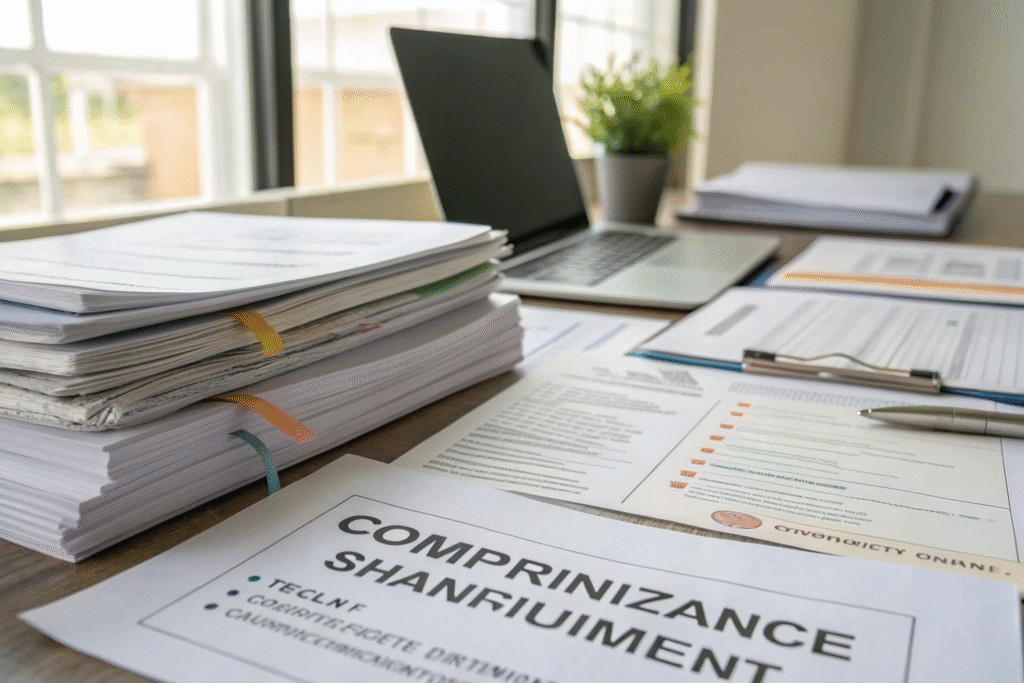
Documentation serves as the proof of your safety commitment and compliance efforts. Beyond GRS transaction certificates, comprehensive safety requires test reports, compliance certificates, manufacturing declarations, and audit reports that collectively demonstrate due diligence across all safety aspects.
What documents demonstrate complete safety compliance?
Essential documentation includes:
- GRS Transaction Certificates for recycled content verification
- Chemical test reports from accredited laboratories
- Physical safety test results for applicable standards
- Flammability certificates by product category
- Component safety declarations for trims and accessories
- Manufacturing process documentation
We provide clients with a digital documentation package that organizes all safety evidence in one accessible location, significantly simplifying retailer compliance and audit processes.
How does documentation support risk management?
Comprehensive documentation provides:
- Legal protection in case of safety allegations
- Retailer confidence for placement and promotion
- Consumer trust through transparency
- Insurance compliance for product liability coverage
- Continuous improvement through issue tracking
Brands with complete safety documentation typically resolve compliance inquiries 70% faster than those with fragmented record-keeping, according to our client experience data.
Conclusion
GRS standards provide an excellent foundation for kids wear chemical safety and sustainability but must be complemented with additional testing and certifications to address physical safety, flammability, and other children-specific requirements. The most successful brands use GRS as part of a comprehensive safety strategy that layers multiple protections to ensure complete coverage.
Understanding both the strengths and limitations of GRS allows you to build kids wear collections that are genuinely safe and sustainable. If you need assistance developing a comprehensive safety strategy that combines GRS certification with essential children’s wear protections, contact our Business Director, Elaine. She can help you navigate the complex landscape of kids wear safety requirements: elaine@fumaoclothing.com.


One Response
Estrelabet2, alright! Always on the lookout for new places to try my hand. Wish me luck, lads! estrelabet2