
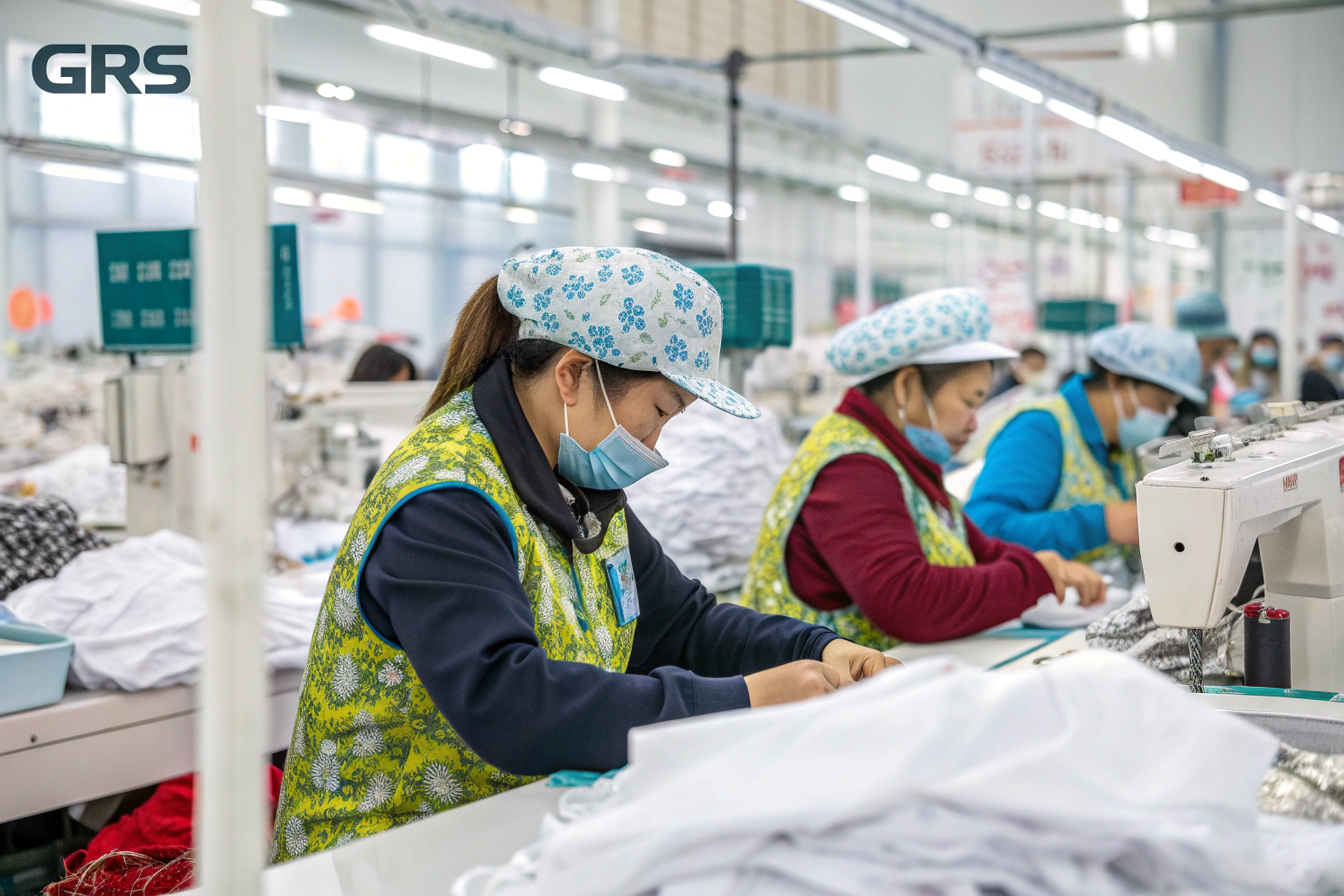
You keep hearing about "ethical fashion" – but what does it actually mean in practice? Brands make claims about sustainability and fair practices, yet many struggle to provide concrete evidence. Consumers are becoming increasingly skeptical of vague marketing terms. Meanwhile, manufacturers face pressure to demonstrate genuine ethical commitments while maintaining profitability.
GRS supports ethical fashion manufacturing by providing a verifiable framework that combines environmental responsibility with social accountability, creating transparent supply chains where recycled material claims and fair labor practices are independently verified. Unlike standards that focus solely on environmental OR social aspects, GRS integrates both, requiring factories to demonstrate compliance across material tracking, chemical management, and worker welfare simultaneously.
The fashion industry’s shift toward genuine ethics requires more than good intentions – it demands systems that prevent greenwashing while ensuring workers receive fair treatment. GRS certification provides this systematic approach, creating accountability from raw material to finished product. From our experience implementing GRS across multiple facilities, I’ve seen how it transforms both operations and workplace culture.
How Does GRS Ensure Supply Chain Transparency?
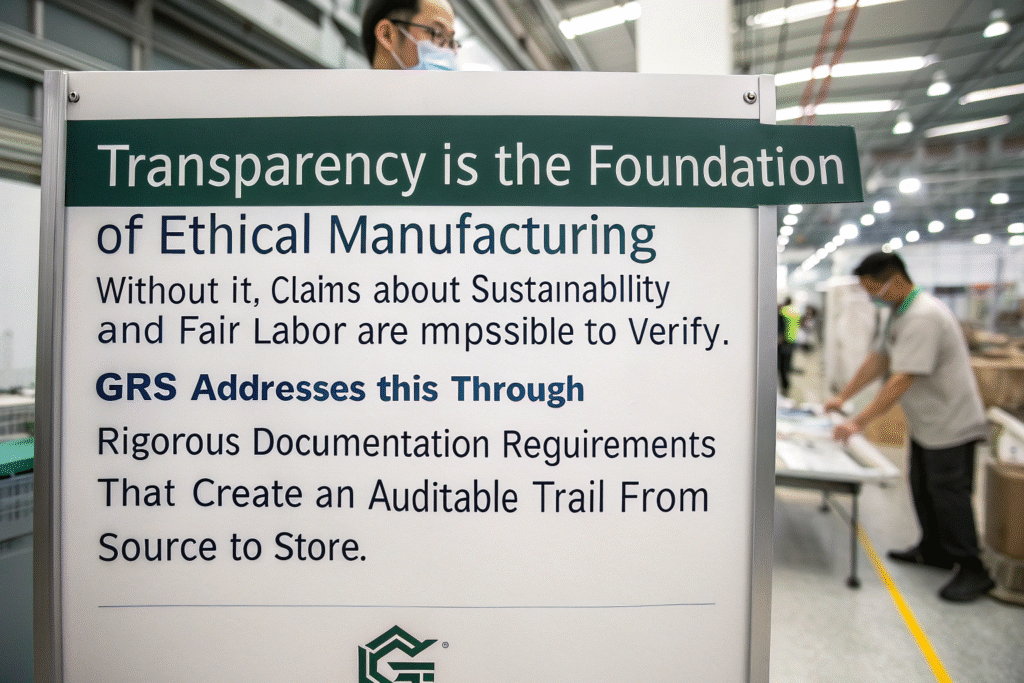
Transparency is the foundation of ethical manufacturing – without it, claims about sustainability and fair labor are impossible to verify. GRS addresses this through rigorous documentation requirements that create an auditable trail from source to store.
GRS ensures supply chain transparency through mandatory chain-of-custody documentation, supplier verification requirements, and mass balance calculations that track materials through every production stage. This system prevents unauthorized material substitution and ensures that recycled content claims are mathematically verifiable, not marketing fiction.
What specific documentation does GRS require?
The paperwork might seem burdensome, but it’s what separates real transparency from empty claims. GRS requires: supplier transaction certificates for every GRS material purchase, detailed mass balance records showing inputs and outputs, inventory management systems tracking GRS material movement, and production records documenting processing stages. These documents must align mathematically – when we implemented GRS at Fumao Fabric, we discovered discrepancies in our tracking recycled polyester through multiple manufacturing stages that revealed material loss points we hadn’t previously identified. This level of documentation creates accountability that extends throughout the supply chain.
How does GRS prevent greenwashing in material claims?
Greenwashing thrives where verification is weak. GRS eliminates this through: third-party auditing of all documentation, requirement for supplier GRS certification upstream, percentage labeling rules that prevent vague claims, and surveillance audits that check ongoing compliance. The system ensures that when a hangtag says "Made with 70% recycled materials," every percentage point is documented and verified. This mathematical precision transforms sustainability from a marketing theme into a measurable, accountable practice.
What Social Compliance Requirements Does GRS Include?
Many environmental standards ignore social aspects, while social standards may overlook environmental impacts. GRS bridges this divide by incorporating comprehensive social compliance requirements that protect workers while promoting environmental responsibility.
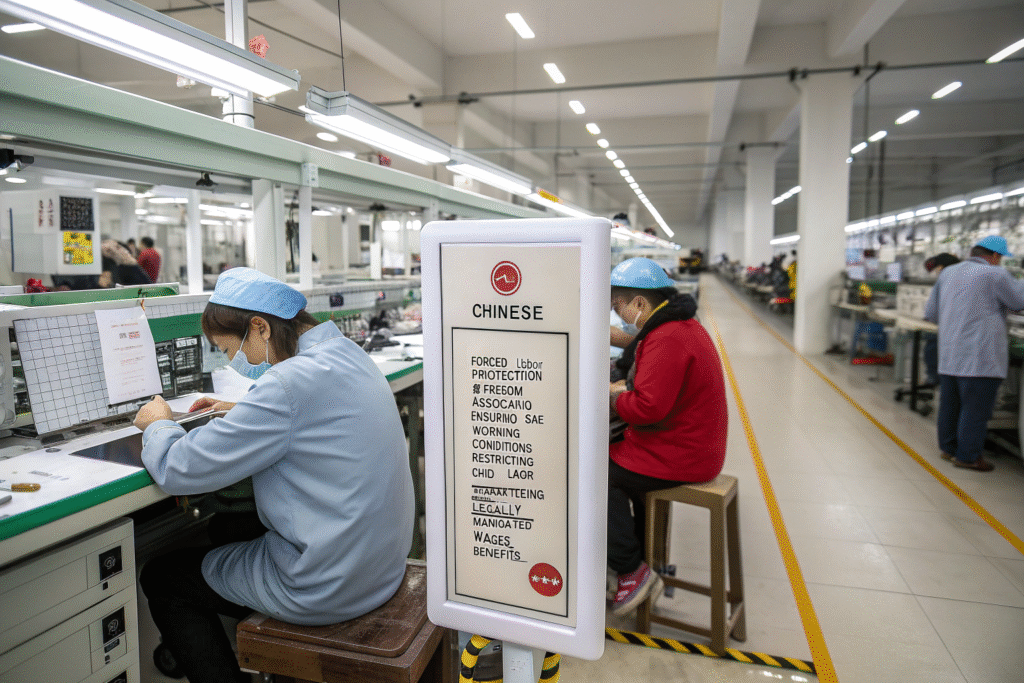
GRS social compliance requirements include prohibition of forced labor, protection of freedom of association, ensuring safe working conditions, restricting child labor, and guaranteeing legally mandated wages and benefits. These requirements are verified through document reviews, facility inspections, and confidential worker interviews during audits.
How does GRS address worker safety concerns?
Worker safety extends beyond basic compliance in GRS-certified facilities. The standard requires: proper machine guarding and safety equipment, adequate ventilation in production areas, emergency preparedness plans and drills, regular safety training for all workers, and documented procedures for handling hazardous materials. During our certification process, we had to upgrade our chemical storage safety protocols for textile manufacturing facilities and implement more frequent safety drills. These improvements not only satisfied auditors but genuinely made our facility safer for employees.
What wage and hour protections does GRS require?
GRS goes beyond basic legal requirements in several key areas: payment of at least minimum wage for all hours worked, overtime compensation at legally mandated rates, maximum working hours according to local law, provision of legally required benefits, and prohibition of wage deductions for disciplinary purposes. The standard requires payroll record review and confidential worker interviews to verify compliance. We found that implementing these requirements actually reduced our employee turnover by 22% – ethical treatment isn’t just morally right, it’s good business.
How Does GRS Promote Environmental Responsibility?
Environmental ethics form a core pillar of GRS certification, with requirements that extend far beyond simply using recycled materials. The standard addresses manufacturing impacts comprehensively, recognizing that true sustainability requires minimizing environmental harm throughout production.
GRS promotes environmental responsibility through strict chemical management protocols, wastewater treatment requirements, energy consumption monitoring, and waste reduction mandates that complement its core focus on recycled material utilization. This holistic approach ensures that environmental ethics extend beyond material selection to encompass manufacturing processes.
What chemical restrictions does GRS implement?
GRS adopts the ZDHC Manufacturing Restricted Substances List (MRSL), which prohibits or restricts numerous hazardous chemicals commonly used in textile processing. The standard requires: documentation of all chemicals used in production, proper storage and handling procedures, training for workers handling hazardous substances, and wastewater testing to verify compliance. Implementing these requirements forced us to reformulate several sustainable alternatives to conventional textile processing chemicals and improve our chemical inventory management. The result was not only regulatory compliance but reduced environmental impact from our operations.
How does GRS address waste and resource management?
Waste reduction represents a key environmental aspect of GRS certification. The standard requires: documentation of waste types and quantities, implementation of waste reduction strategies, proper disposal methods for hazardous waste, and monitoring of resource consumption. During our first surveillance audit, the auditor specifically reviewed our waste tracking records and interviewed staff about segregation practices. This focus on waste management has helped us identify opportunities to reduce material usage and improve efficiency – proving that environmental ethics can drive operational improvements.
How Does GRS Create Business Value Through Ethics?
Ethical manufacturing shouldn’t require sacrificing profitability – in fact, the most sustainable practices are those that create business value while benefiting people and planet. GRS certification delivers tangible commercial advantages that help justify the implementation costs.
GRS creates business value through price premium justification, risk reduction, supply chain stability, and brand differentiation that collectively enhance competitiveness while supporting ethical manufacturing principles. These benefits make ethical production economically sustainable rather than purely philanthropic.
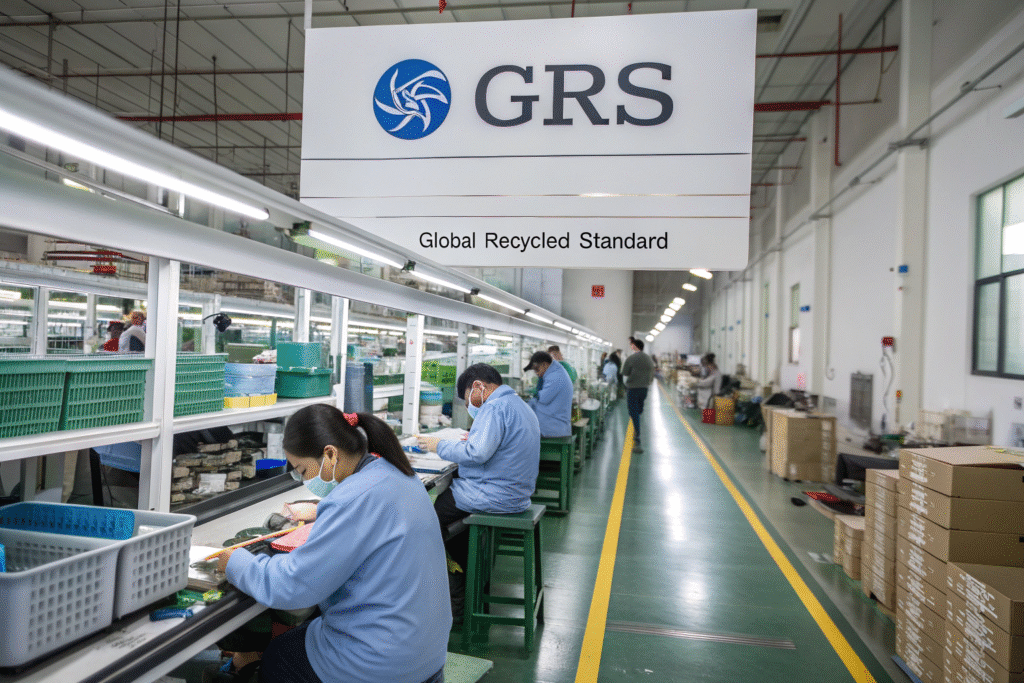
What market advantages does GRS provide?
GRS certification opens doors to markets and customers increasingly focused on verified sustainability. Specific advantages include: access to brands requiring GRS certification, ability to command 10-25% price premiums for GRS products, qualification for sustainable sourcing programs, and enhanced competitiveness in tenders with sustainability criteria. Since achieving GRS certification, Fumao Fabric has attracted six major international brands that specifically sought GRS-certified suppliers, demonstrating how ethics can drive business growth.
How does GRS reduce operational risks?
The systematic approach required by GRS mitigates numerous business risks: supply chain transparency reduces dependency on unreliable suppliers, chemical management compliance prevents regulatory violations, social compliance requirements minimize labor disputes, and documentation systems improve operational control. These risk reductions create tangible value – we’ve calculated that our GRS implementation has reduced compliance-related disruptions by approximately 30%, creating significant operational stability.
What Are the Implementation Challenges for Factories?
Transitioning to GRS-certified production presents significant challenges that factories must overcome. Understanding these hurdles helps manufacturers prepare adequately and avoid costly mistakes during implementation.
Implementation challenges include documentation system development, supply chain coordination, staff training requirements, cost management, and maintaining operational efficiency during transition. These challenges require careful planning and resource allocation to overcome successfully.

How difficult is supply chain coordination?
GRS requires that all suppliers of GRS materials must also be certified, creating complex coordination challenges: identifying certified suppliers for all required materials, verifying certification validity throughout the supply chain, managing certification timelines across multiple suppliers, and maintaining documentation for all transactions. We spent nearly four months coordinating certification across eight different suppliers – the process was challenging but ultimately created a more reliable and transparent supply network.
What training and cultural changes are necessary?
Successful GRS implementation requires significant organizational development: training staff on new procedures and requirements, changing operational habits around material handling, developing internal audit capabilities, and fostering cross-departmental collaboration. The cultural shift toward transparency and documentation represents one of the biggest challenges. We found that involving employees in system design and clearly explaining the business benefits helped overcome resistance to change.
Conclusion
GRS certification represents one of the most comprehensive approaches to ethical fashion manufacturing available today. By integrating environmental responsibility with social accountability and supply chain transparency, it provides a verifiable framework that transforms ethical aspirations into operational reality. The standard demonstrates that ethics and commercial success aren’t opposing forces but complementary elements of sustainable business.
The fashion industry’s future depends on manufacturers who can prove their ethical credentials, not just claim them. GRS provides the verification system that makes this proof possible, creating accountability where marketing claims alone have failed. While implementation requires significant investment, the business value created through market access, risk reduction, and operational improvements makes the investment worthwhile.
At Fumao Fabric, our GRS journey has transformed both our operations and our business relationships. The certification process challenged us to improve in ways we hadn’t anticipated, creating value beyond the certificate itself. If you’re considering how to strengthen your ethical manufacturing practices, we invite you to learn from our experience. Contact our Business Director, Elaine, at elaine@fumaoclothing.com to discuss how GRS certification could support your ethical manufacturing goals.





One Response
Bet169 bóng đá! I’m all about that football action. Time to place my bets and root for my team. Hope I win some serious cash! Get your game on at bet169 bóng đá!