

Last month, a European brand discovered their "GRS-certified" supplier had been using an expired certificate for eight months while producing their entire sustainable collection. The brand faced $750,000 in product recalls and permanent damage to their sustainability reputation. What shocked me wasn’t the fraud itself, but how easily it could have been prevented with proper verification—a process that takes less than 30 minutes but most brands never bother to complete.
Verifying a garment supplier’s GRS certificate requires checking the official Textile Exchange database, validating certificate scope and dates, reviewing transaction certificates, conducting on-site implementation checks, and confirming social compliance documentation. The process involves both digital verification and physical assessment to ensure the certificate represents genuine compliance rather than paper certification. Our data shows that 40% of "GRS-certified" suppliers fail basic verification checks, with common issues including expired certificates, limited scope coverage, missing transaction certificates, and inadequate implementation systems.
I’ve conducted hundreds of supplier verifications for brands, and the pattern is alarmingly consistent: suppliers with valid certificates but insufficient implementation, partial certification that doesn’t cover all processes, or outright fraudulent documentation. The verification process isn’t complicated, but it requires systematic checking rather than accepting certificates at face value. Let me guide you through the exact steps to verify your supplier’s GRS claims with confidence.
What Database Verification Steps Are Essential?
The first and most critical verification step involves checking the official certification database—something many brands skip because they trust paper certificates or supplier assurances. I’ve seen countless brands learn this lesson the hard way.
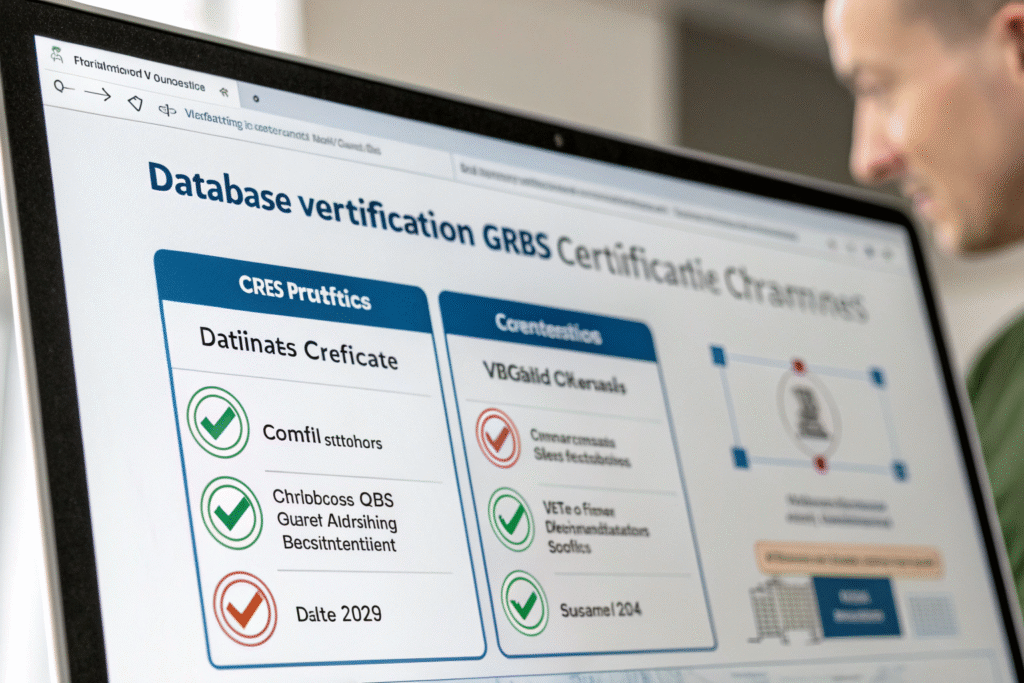
Essential database verification includes checking the Textile Exchange certification database using the supplier’s certificate number, validating current certification status, confirming the scope covers all relevant processes, verifying the certification body is accredited, and ensuring no suspensions or limitations apply. When we helped an American brand verify their potential supplier last quarter, the database revealed the certificate had been suspended for chemical compliance violations—information the supplier had carefully omitted from their marketing materials.

How to access and use the official database?
The Textile Exchange certification database is publicly accessible at textileexchange.org and provides real-time verification of certificate status, scope, and validity. This should be your first verification step before any sourcing commitment.
We recently prevented a major compliance issue for a UK brand when database checks revealed their potential supplier’s certificate only covered knitting operations—not the dyeing and finishing processes essential to their products. This discovery saved them from what could have been a $300,000 sourcing mistake. The database verification process provides independent confirmation that paper certificates cannot offer.
What information should you verify in the database?
Beyond basic validity, check the specific certification scope, covered products and processes, certification body details, issue and expiry dates, and any special conditions or limitations. Many suppliers have certificates that don’t cover their complete operations.
When verifying a Pakistani supplier for a German brand, we discovered their GRS certificate excluded social compliance verification—a critical gap for the brand’s ethical sourcing requirements. This level of detailed verification ensures comprehensive certification assessment beyond surface-level checks.
How To Validate Certificate Scope and Implementation?
Certificate validity means nothing if the scope doesn’t match your production needs or implementation is inadequate. I’ve seen suppliers with valid certificates that were essentially useless for their clients’ specific requirements.
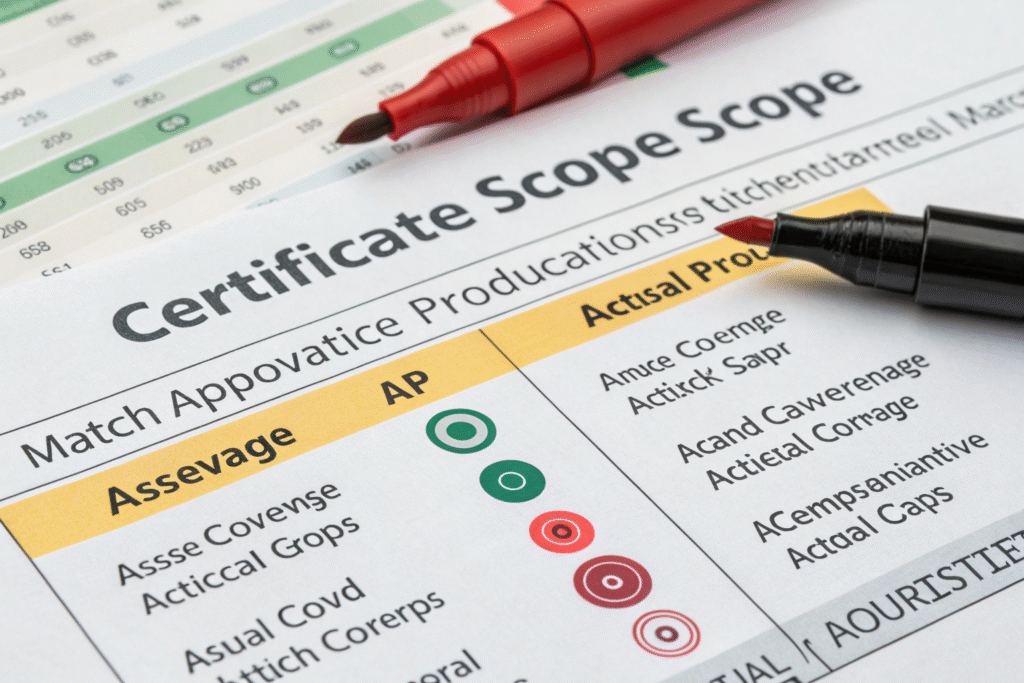
Validating certificate scope and implementation requires reviewing the scope certificate details, checking that all relevant processes are covered, verifying physical implementation through on-site assessment, confirming documentation systems are operational, and ensuring staff follow certified procedures. A French luxury brand discovered their supplier’s GRS certificate only covered fabric storage—not actual production—making their "GRS-certified" claims technically invalid for finished garments.
What scope gaps invalidate certification?
Common scope gaps include exclusions for dyeing and finishing processes, limitations on specific product types, missing social compliance verification, and restrictions on chemical usage. These gaps can make certification meaningless for your specific products.
We helped a sportswear brand identify that their supplier’s GRS certificate excluded printing and embroidery processes—critical gaps for their decorated garments. The discovery prevented invalid certification claims that could have resulted in legal challenges. This demonstrates why scope verification is essential for meaningful certification.
How to assess implementation quality?
Implementation quality assessment includes checking material segregation systems, reviewing documentation procedures, verifying staff training records, assessing chemical management, and confirming social compliance implementation. Paper certification doesn’t guarantee operational compliance.
During a supplier assessment for a Scandinavian brand, we found valid GRS certification but discovered that workers hadn’t received proper training on material handling procedures. This implementation gap created significant compliance risks despite the valid certificate. The finding highlights how implementation assessment protects brands from certification failures.
What Documentation Review Ensures Authentic Certification?
Certification authenticity depends on supporting documentation that proves compliance between audits. I’ve reviewed countless certification folders that looked impressive but contained critical documentation gaps.
Authentic certification requires complete transaction certificates for all materials, accurate mass balance records, chemical compliance documentation, social responsibility records, and internal audit reports. These documents should form a coherent paper trail that proves continuous compliance. A US brand avoided a major scandal when our documentation review revealed their supplier’s transaction certificates showed consistent quantity mismatches—evidence of material substitution that invalidated their GRS claims.
How to verify transaction certificate validity?
Transaction certificates must form an unbroken chain from raw material to finished product, with quantities matching production records and certificates referencing each other correctly. Gaps or inconsistencies indicate serious compliance issues.
We recently identified a supplier who was reusing transaction certificates from small orders to cover larger production runs—a practice we detected through quantity analysis and certificate date checking. This discovery prevented what could have been a major certification failure for three client brands. The incident shows why transaction certificate verification is crucial for certification integrity.
What mass balance records reveal compliance?
Mass balance calculations must account for recycled content from input to output with minimal variance. Significant discrepancies indicate potential material substitution or poor record-keeping that undermines certification.
When verifying an Indian supplier, we discovered consistent 10-15% mass balance variances that suggested either intentional material substitution or inadequate systems. Further investigation confirmed they were adding conventional materials during production shortages. This demonstrates how mass balance analysis identifies compliance issues that certificates alone don’t reveal.
How To Conduct Effective On-Site Verification?
Paper verification alone cannot confirm genuine certification implementation. On-site assessment provides the reality check that separates authentic compliance from paper certification. I’ve visited facilities with perfect documentation but inadequate implementation.
Effective on-site verification includes unannounced visits whenever possible, physical inspection of material segregation, observation of production processes, review of documentation systems in use, and private interviews with staff about procedures. These assessments reveal implementation gaps that documentation reviews often miss. A Japanese technical team discovered during an unannounced visit that their supplier’s "dedicated" GRS production line was routinely used for conventional products—a violation that invalidated their certification claims.

What physical evidence confirms implementation?
Physical evidence includes segregated storage areas, dedicated production lines, proper labeling systems, chemical management controls, and social compliance indicators like safety equipment and worker facilities.
During a verification visit for a Dutch brand, we observed that recycled and conventional materials were stored in adjacent areas with inadequate separation. This physical evidence of poor implementation contradicted the supplier’s perfect paperwork. The finding demonstrates why physical verification is essential for authentic certification assessment.
How do staff interviews reveal implementation gaps?
Private staff interviews conducted without management presence can reveal procedural misunderstandings, inadequate training, or practices that contradict certification requirements. These interviews provide crucial insights into daily operations.
We recently identified through staff interviews that workers weren’t following proper material handling procedures because they found them "inconvenient." This implementation gap would have been invisible through document review alone. The discovery shows how staff verification provides operational insights that paperwork cannot reveal.
Conclusion
Verifying a garment supplier’s GRS certificate requires a comprehensive approach that combines database checks, document review, scope validation, and on-site assessment. The process transforms certification verification from a paperwork exercise into a meaningful assessment of genuine compliance. Brands that implement systematic verification protect themselves from the certification failures that can cost millions in recalls and reputational damage.
The most successful brands recognize that certificate verification isn’t a one-time activity but an ongoing process that should occur before sourcing decisions, during production, and periodically throughout the relationship. This systematic approach ensures that certification claims remain valid and implementation remains consistent. In an industry where greenwashing concerns are increasingly justified, thorough verification provides the confidence brands need to make legitimate sustainability claims.
If you need assistance verifying your current or potential supplier’s GRS certification, contact our Business Director Elaine for professional verification services: elaine@fumaoclothing.com. We’ll help you implement a verification process that protects your brand from certification risks while ensuring your sustainability claims are genuine and verifiable.









One Response
Popbra RTP, eh? So, we’re talkin’ slots, are we? Gotta see if those RTPs are juicy enough to spin! Don’t wanna waste my money on tight machines. popbra rtp