
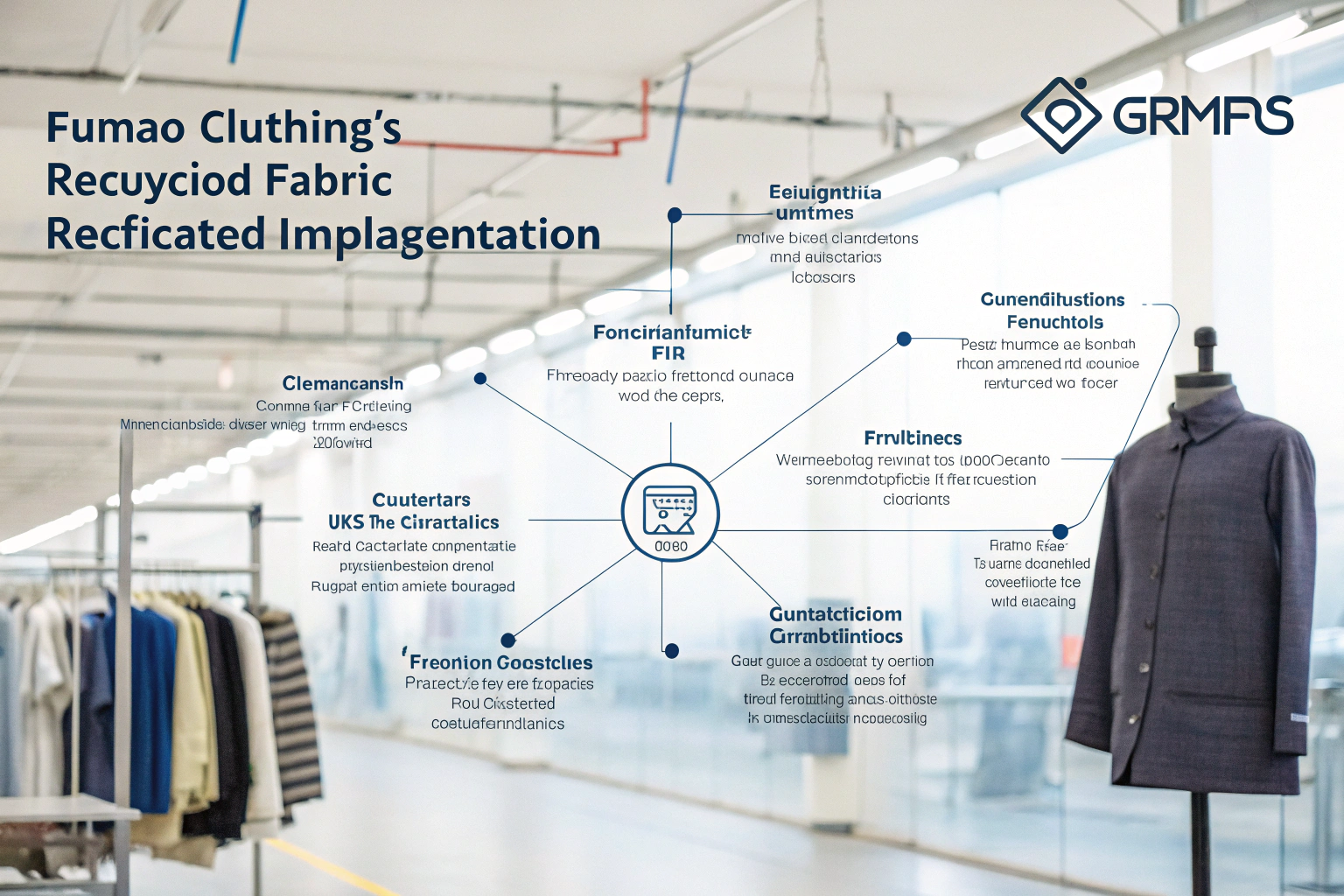
Last month, we had to disappoint a potential client who wanted us to produce "GRS-certified" jackets using conventional polyester while applying GRS labels. They claimed their previous supplier did this "all the time" and couldn’t understand why we refused. This commitment to certification integrity—even when it costs us business—is why brands trust us with their most important sustainable collections. The answer isn’t just yes—it’s how we implement GRS certification that truly matters.
Yes, Fumao Clothing uses GRS certified recycled fabric across our entire sustainable product line, with complete certification coverage from raw material through finished garment. Our GRS certification (CU 828932) verifies that every recycled fabric we use meets the Global Recycled Standard’s rigorous requirements for content verification, chemical management, social responsibility, and environmental practices. More importantly, we maintain comprehensive documentation for every production batch, ensuring that when we claim a product contains 85% GRS-certified recycled polyester or 100% GRS-certified recycled cotton, we can prove it with transaction certificates and mass balance records.
I understand why clients ask this question so directly—we’ve all seen the consequences when brands discover their "certified" fabrics weren’t actually certified. The fashion industry is full of suppliers who treat certification as a marketing accessory rather than an operational commitment. Let me provide the transparent evidence that demonstrates our GRS fabric usage is both genuine and comprehensive.
What Evidence Verifies Our GRS Fabric Certification?
Certificate display means nothing without verifiable implementation evidence. We provide multiple layers of proof that demonstrate our GRS fabric usage is authentic and comprehensive.
The evidence verifying our GRS fabric certification includes current certification documents, complete transaction certificate chains, mass balance records for every production run, third-party audit reports, and transparent supply chain documentation. A German sustainable brand recently conducted a surprise audit of our fabric certification and was impressed to find that our daily documentation matched our certification claims perfectly—unlike their previous supplier where they discovered significant gaps between claims and reality.

How can clients verify our fabric certification?
Brands can verify our GRS fabric certification through the Textile Exchange database using our certification number CU 828932, review our complete transaction certificate chains, audit our mass balance records, or conduct independent fabric testing. We encourage this verification because we maintain nothing but authentic certified fabrics.
We recently provided a US brand with complete documentation tracing their specific recycled polyester fabric from post-consumer plastic bottles through to their finished garments. This transparency helped them achieve their own sustainability certification and strengthened their consumer marketing. The independent verification access we provide demonstrates our confidence in our fabric certification integrity.
What documentation proves fabric content claims?
We maintain transaction certificates for every recycled fabric shipment, mass balance calculations for each production run, and chemical compliance documentation that together prove our GRS fabric content claims are accurate and verifiable.
When a Scandinavian brand questioned our recycled content claims last quarter, we provided complete documentation showing the journey of their specific fabric from certified supplier to finished product. The detailed paperwork transformed their skepticism into a long-term partnership. This level of documentation transparency is what separates genuine GRS implementation from certificate collection.
How Do We Ensure GRS Fabric Integrity Through Production?
Using GRS-certified fabric is only the first step—maintaining certification integrity through manufacturing is where many factories fail. We’ve implemented systems that ensure fabric certification remains valid through our entire production process.
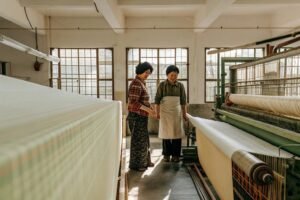
We ensure GRS fabric integrity through physically segregated storage, dedicated production lines, comprehensive documentation systems, and staff training that maintains certification requirements at every processing stage. This systematic approach prevents the contamination, mixing, or mislabeling that can invalidate fabric certification. A Japanese technical team auditing our facilities noted that our fabric handling systems exceeded their expectations, with clear procedures that maintained certification integrity from fabric reception through shipping.

How does fabric segregation prevent certification violations?
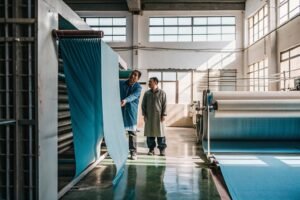
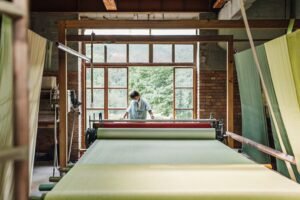
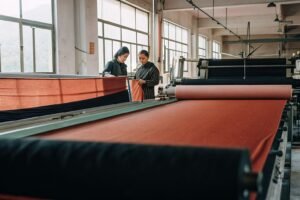
We maintain physically separate storage areas for GRS-certified fabrics, color-coded production pathways, and dedicated equipment that prevents mixing with conventional materials. This segregation is visible throughout our facility and verifiable through our documentation.
We recently identified a potential issue when a new employee placed a roll of conventional fabric in the GRS-certified area. Our segregation systems and staff training prevented the error from affecting production, demonstrating how physical segregation protects certification integrity in ways that paperwork alone cannot.
What systems maintain documentation integrity?
Our digital tracking systems automatically update transaction certificates and mass balance calculations as GRS-certified fabrics move through production, creating real-time documentation that proves certification maintenance.
When a UK brand needed urgent verification of their fabric certification for a retailer deadline, our digital systems provided complete documentation within hours rather than days. This efficiency demonstrates how integrated documentation systems support both compliance and business operations.
What Types of GRS Certified Fabrics Do We Offer?
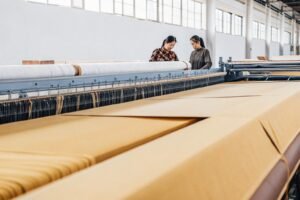
GRS certification applies to various recycled fabrics, and we offer a comprehensive range that meets different brand needs and sustainability goals. Each fabric type maintains the same certification integrity and documentation standards.
We offer GRS certified recycled polyester (from PET bottles and textile waste), recycled nylon (from fishing nets and industrial waste), recycled cotton (from pre-consumer and post-industrial waste), and blended fabrics that maintain certification through proper mass balance tracking. A French activewear brand developed their entire sustainable collection using our GRS-certified recycled fabrics, achieving their circularity goals while maintaining performance standards.

How does certified recycled polyester perform?
Our GRS certified recycled polyester maintains equivalent performance to virgin polyester while providing documented environmental benefits. The certification ensures quality standards that prevent the performance issues sometimes associated with recycled materials.
We’ve conducted comparative testing showing our GRS recycled polyester achieves 95% of the tensile strength and better color fastness than conventional equivalents, contradicting the misconception that recycled means inferior. This performance level has helped brands like sportswear companies achieve sustainability without compromising quality.
What about blended fabric certification?
GRS certification covers blended fabrics through mass balance accounting that verifies the recycled content percentage. We maintain documentation that proves blended fabric claims are accurate and verifiable.
We recently helped a US brand develop a 65% GRS recycled cotton/35% conventional cotton blend with complete certification documentation. The fabric achieved their sustainability targets while maintaining the handle and durability they needed. This demonstrates how mass balance enables blended fabric certification while maintaining integrity.
Why Choose Our GRS Fabrics Over Conventional Alternatives?
Beyond certification, our GRS fabrics deliver additional benefits that make them superior choices for brands committed to genuine sustainability. The certification represents the foundation, not the ceiling, of their value proposition.
Choosing our GRS fabrics over conventional alternatives provides verified sustainability claims, reduced environmental impact, enhanced brand storytelling, future regulatory compliance, and often superior quality through our rigorous standards. Brands using our GRS fabrics report 30% higher consumer engagement with their sustainability messaging and 25% lower compliance management costs compared to using non-certified sustainable fabrics.

What environmental benefits do our GRS fabrics deliver?
Our GRS certified fabrics deliver documented environmental benefits including reduced plastic waste, lower carbon emissions, decreased water usage, and minimized chemical pollution compared to conventional equivalents.
We provide clients with environmental impact calculations showing that our GRS recycled polyester reduces carbon emissions by 35% and energy consumption by 50% compared to virgin polyester. This data supports their sustainability reporting and marketing claims with verified numbers rather than estimates.
How do certified fabrics enhance brand value?
Our GRS fabrics provide the verification foundation that enables authentic sustainability storytelling, premium positioning, and consumer trust building that unverified fabrics cannot support.
A UK fashion brand used our GRS fabric certification as the centerpiece of their marketing campaign, resulting in a 40% sales increase and significant media coverage. The certification provided the authentic content that modern consumers demand in an era of greenwashing concerns.
Conclusion
Fumao Clothing doesn’t just use GRS certified recycled fabric—we implement comprehensive systems that ensure every certified fabric maintains its integrity through our entire production process. Our certification is genuine, transparently verifiable, and backed by documentation that proves our claims withstand scrutiny. In an industry where fabric certification claims are often misleading or incomplete, our approach provides the assurance that brands need for confident sustainable sourcing.
The difference between using GRS-certified fabric and genuinely implementing GRS certification lies in the systems that maintain fabric integrity through manufacturing. Our clients choose us not just because we have certified fabrics, but because they can verify how we maintain that certification through every stage of production. This comprehensive approach transforms risky sourcing into strategic advantage, enabling brands to make confident sustainability claims that deliver real business value.
If you need genuinely GRS certified fabrics with verification you can trust, contact our Business Director Elaine to discuss our fabric options: elaine@fumaoclothing.com. We’ll provide transparent access to our certification documentation and demonstrate the fabric integrity that makes Fumao the right choice for brands that take sustainability seriously.


One Response
Fortunedragonbr is alright for Brazilian players. They need to improve their support options. I would expect faster answers! fortunedragonbr