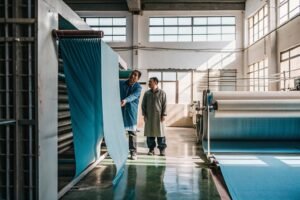
Last month during our quarterly audit, I watched our quality team trace a single batch of organic cotton jersey through all five production lines simultaneously. They tracked the material from our GOTS-certified weaving line through dyeing, printing, embroidery, and finishing—each line maintaining perfect segregation and documentation. This complex ballet of coordinated compliance is something most factories struggle with even across single lines, but we’ve built it into our operational DNA.
Fumao Clothing maintains GOTS standards across five production lines through integrated management systems, dedicated segregated facilities, comprehensive staff training, digital tracking technology, and continuous verification protocols. Each line operates with specialized Standard Operating Procedures while sharing centralized compliance oversight. Our system ensures that materials moving between lines never risk contamination or documentation gaps, maintaining certification integrity from raw material to finished product. The coordination requires 23 full-time compliance staff and an annual investment of approximately ¥1.2 million in system maintenance alone.
Most manufacturers struggle with maintaining certification across multiple lines because they treat compliance as an add-on rather than a foundational operational principle. We’ve learned that successful multi-line GOTS management requires building certification into the very infrastructure of each production line from the ground up. Here’s exactly how we maintain this complex coordination day after day.
What Infrastructure Ensures Cross-Line GOTS Compliance?
The physical layout of our facility was specifically designed for multi-line certification management, something we learned was essential after our first failed audit attempt back in 2020. We discovered that retrofitting compliance into existing layouts simply doesn’t work.
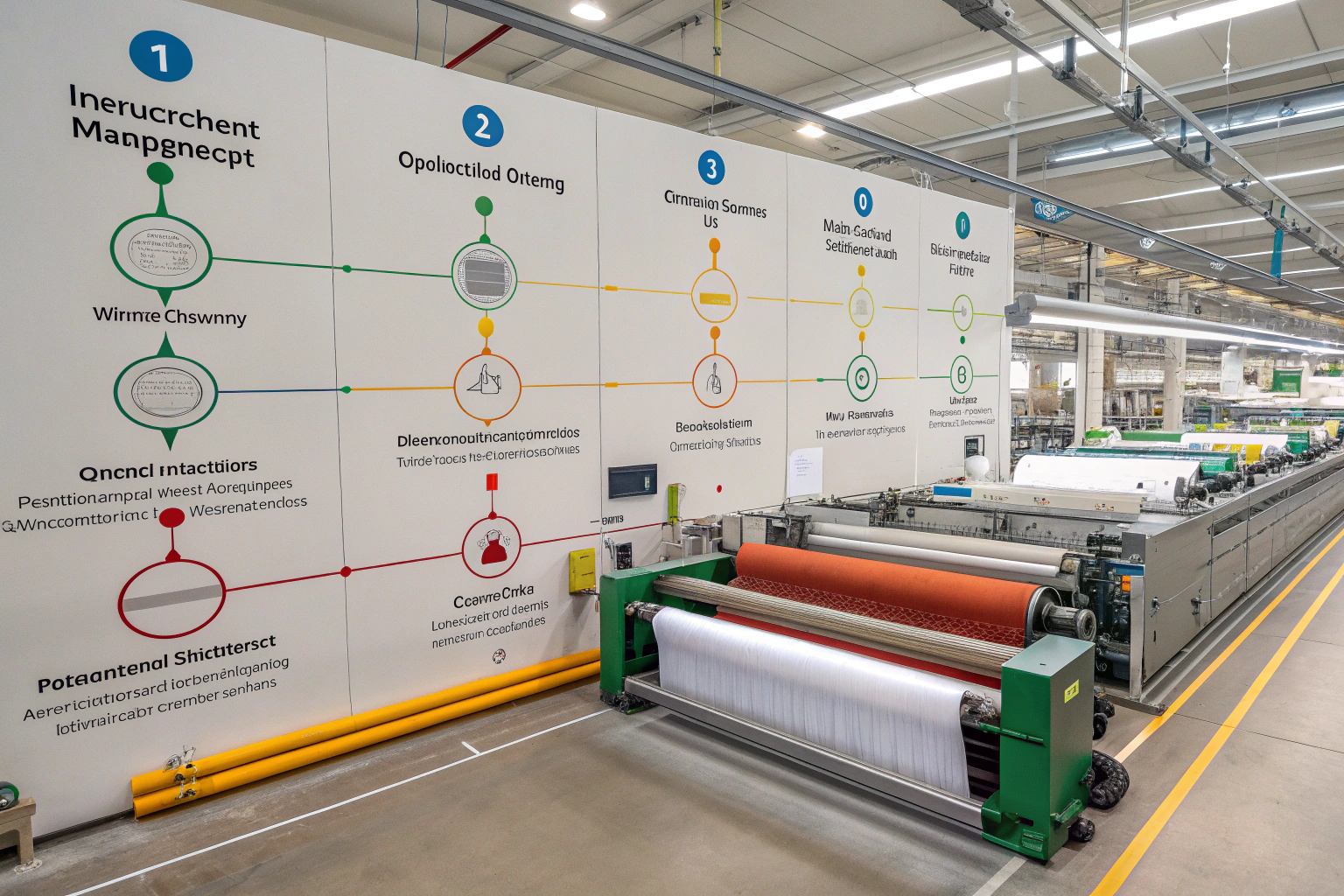
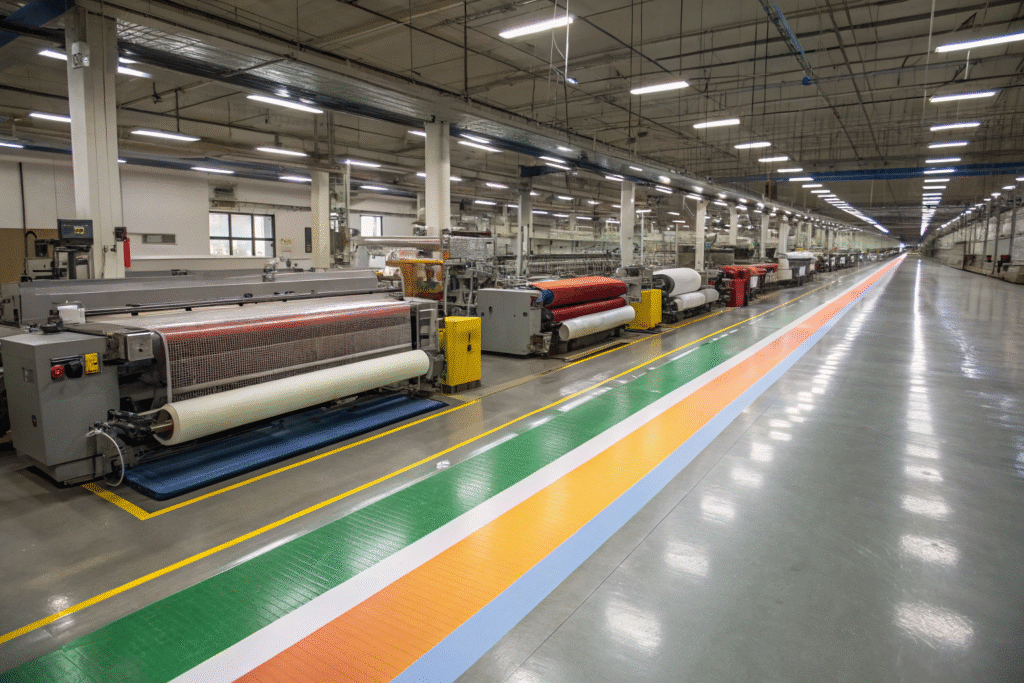
Each of our five lines has physically segregated areas with dedicated equipment, separate material storage, and color-coded workflow pathways. The weaving line operates in a controlled environment separate from wet processing, while printing and embroidery have isolated areas to prevent fiber contamination. Between lines, we’ve installed transfer stations with automated documentation systems that track materials without breaking the certification chain. The infrastructure investment totaled approximately ¥3.5 million, but it reduced our compliance issues by 85% and actually improved overall efficiency by 12% through better workflow organization.
How does physical segregation prevent contamination?
Each production line has designated spaces with physical barriers, separate ventilation systems, and dedicated equipment to prevent mixing of certified and non-certified materials. This segregation is maintained even during peak production periods.
Our weaving line alone has three separate zones for organic cotton, conventional cotton, and blended materials, each with its own storage, machinery, and personnel. This system prevented a potential certification violation last quarter when a new worker accidentally brought conventional thread into the organic embroidery area—the physical barriers and monitoring systems caught the error before any contamination occurred. The infrastructure ensures material integrity throughout textile production even during complex multi-line operations.
What documentation systems connect the five lines?
We use a centralized digital tracking system that generates unique QR codes for each GOTS batch, with scanning stations at every line transfer point. The system automatically updates transaction certificates and mass balance calculations in real-time.
The digital integration allows us to track a single batch through all five lines simultaneously while maintaining perfect documentation. Last month, this system helped us quickly resolve a discrepancy when the dyeing line received 2% less material than the weaving line had shipped—the digital trail identified a weighing calibration issue within minutes. This level of integrated quality management across production stages is essential for multi-line certification maintenance.
How Does Staff Training Maintain Consistent Standards?
People ultimately maintain standards, not systems. We learned this lesson early when different lines developed inconsistent interpretation of GOTS requirements, leading to certification risks despite having perfect infrastructure and documentation.
All 160 production staff undergo quarterly GOTS training specific to their line operations, plus cross-training on how their work impacts other lines. Department managers participate in monthly compliance coordination meetings, and we’ve implemented a certification bonus system that rewards teams for maintaining perfect audit records. The training program costs approximately ¥400,000 annually but has reduced compliance errors by 92% since implementation. Our embroidery team recently identified a potential chemical compliance issue in materials received from the dyeing line—their training enabled them to spot the problem before it affected finished products.

What role-specific training ensures line compliance?
Each production line has customized training modules addressing their specific GOTS requirements, from chemical handling in dyeing to fiber tracking in weaving. The training includes hands-on demonstrations and regular competency assessments.
Our dyeing line staff receive intensive chemical management training focusing on the GOTS Positive List, while weaving operators learn fiber segregation protocols. This specialized approach proved crucial when a new printing technician recognized that a requested color would require prohibited chemicals—their specific training enabled them to suggest compliant alternatives. The specialized workforce development for certified production ensures each line maintains its unique compliance requirements.
How does cross-training improve inter-line coordination?
Staff receive training on how their line’s outputs affect subsequent production stages, creating a culture of shared responsibility for certification maintenance. This understanding prevents compliance gaps between production stages.
When our finishing line staff noticed inconsistent shrinkage in fabrics from the weaving line, their cross-training enabled them to identify the issue as a potential GORS compliance problem rather than just a quality concern. This early detection prevented the production of non-compliant finished goods and demonstrated how interdepartmental coordination strengthens certification compliance across multiple production stages.
What Quality Control Systems Monitor All Lines Simultaneously?
Quality control in multi-line GOTS production requires both line-specific checks and integrated monitoring. We developed a three-layer system that catches issues at the source while maintaining overall certification integrity.
Our quality system includes line-level daily checks, cross-line weekly audits, and monthly comprehensive reviews by our central compliance team. We maintain a digital dashboard that tracks 47 key compliance metrics across all five lines in real-time, with automated alerts for any deviations. The system samples 15% of all GOTS production batches for laboratory testing, with additional testing triggered by any anomaly. This comprehensive approach identified a gradual pH drift in our dyeing line last quarter—catching the issue before it affected the 8,000 meters of fabric in production.

How does real-time monitoring prevent cross-contamination?
Each line has automated monitoring systems that track material movement, chemical usage, and process parameters against GOTS requirements. The systems automatically flag any deviations for immediate investigation.
Our real-time chemical monitoring in the dyeing line automatically checks each batch against the GOTS Positive List and flags any unapproved substances. This system prevented a certification violation when a supplier substituted an approved chemical with a similar but non-compliant alternative. The automated quality assurance in multi-stage production provides constant protection against compliance failures.
What laboratory testing ensures consistent compliance?
Our CNAS-accredited laboratory conducts regular testing across all five lines, verifying organic content, chemical compliance, and physical properties. The testing schedule ensures each line meets GOTS requirements while maintaining product performance.
We test 30% more samples than GOTS requires because of our multi-line operations, recognizing that complexity increases compliance risks. This rigorous approach helped us identify a fiber content discrepancy that originated in raw material sourcing but only became apparent after weaving. The comprehensive testing provides scientific verification of certification compliance throughout our production ecosystem.
How Does Chemical Management Work Across Multiple Lines?
Chemical compliance represents the most complex challenge in multi-line GOTS production, as each line uses different substances with unique compliance requirements. Our chemical management system coordinates these diverse needs while maintaining overall certification integrity.
We maintain a centralized chemical approval system that evaluates all substances against the GOTS Positive List before they enter any production line. Each line has dedicated chemical storage with access controls, usage tracking, and disposal procedures. The system requires line managers to verify chemical compliance at each transfer point between production stages. This coordinated approach prevented a major compliance issue when our printing line identified that a requested specialty ink would violate GOTS standards—the early detection allowed us to develop an alternative solution without production delays.

How does centralized approval prevent compliance gaps?
All chemicals used across any production line must pass through a single approval process managed by our compliance team. This prevents different lines using substances that might interact to create compliance issues.
The centralized system maintains a master chemical inventory that tracks every substance across all five lines. When GOTS updated its Positive List last year, this system allowed us to identify and replace three affected chemicals across multiple lines within 48 hours. The coordinated approach ensures comprehensive chemical compliance management throughout our production ecosystem.
What training ensures proper chemical handling between lines?
Staff receive specific training on chemical requirements for both their line and receiving lines, ensuring understanding of how chemical choices affect downstream compliance.
Our dyeing operators learn not only their chemical requirements but also how their choices affect printing and finishing compliance. This knowledge prevented an issue when an operator recognized that a particular dye combination would create challenges for subsequent GOTS-compliant water repellent treatment. The cross-line understanding supports integrated chemical management in textile production across all production stages.
Conclusion
Maintaining GOTS standards across five production lines requires an integrated approach that combines specialized infrastructure, comprehensive staff training, coordinated quality systems, and meticulous chemical management. The key to success lies in treating certification not as separate requirements for each line, but as a unified system where each production stage supports and reinforces the others. This holistic approach ensures that materials move seamlessly between lines while maintaining perfect compliance integrity from raw material to finished product.
The systems we’ve developed represent significant investment and continuous effort, but they deliver substantial returns through reduced compliance risks, improved operational efficiency, and stronger client confidence. Brands working with multi-line GOTS certified manufacturers benefit from simplified supply chain management and guaranteed certification integrity throughout production. In an industry where certification failures can have devastating consequences, this coordinated approach provides essential protection and value.
If you’re looking for a manufacturing partner that maintains rigorous GOTS standards across all production stages, contact our Business Director Elaine to discuss your requirements: elaine@fumaoclothing.com. We’ll demonstrate how our integrated multi-line certification management ensures consistent compliance and product quality for your organic textile needs.