Last month, I had a difficult conversation with a potential client from Denmark who had just terminated their relationship with a Pakistani supplier. They’d discovered that factory was using forced overtime and paying workers below minimum wage—despite having other environmental certifications. "How can we be sure your GOTS certification actually protects workers, not just the environment?" they asked me. This is exactly the right question that more brands should be asking.
Fumao Clothing’s GOTS certification includes comprehensive social compliance requirements that are verified through annual audits, but it’s not a standalone social certification. The standard mandates fair wages, safe working conditions, prohibition of forced and child labor, and protection of workers’ rights—all verified by third-party auditors. However, brands with particularly complex supply chains or specific ethical requirements often supplement GOTS with additional social certifications for maximum assurance.
Many people don’t realize that GOTS is one of the few textile certifications that integrates environmental and social criteria. Where many eco-labels focus solely on chemical or fiber standards, GOTS requires factories to meet International Labour Organization conventions and uphold workers’ fundamental rights. Let me explain exactly what this means in practice at our facilities.
What Specific Social Requirements Does GOTS Certification Mandate?
When we first pursued GOTS certification in 2021, I was surprised by the depth of social compliance requirements. We had to implement systems far beyond what’s required by local regulations, particularly around working hours, wage documentation, and worker representation.
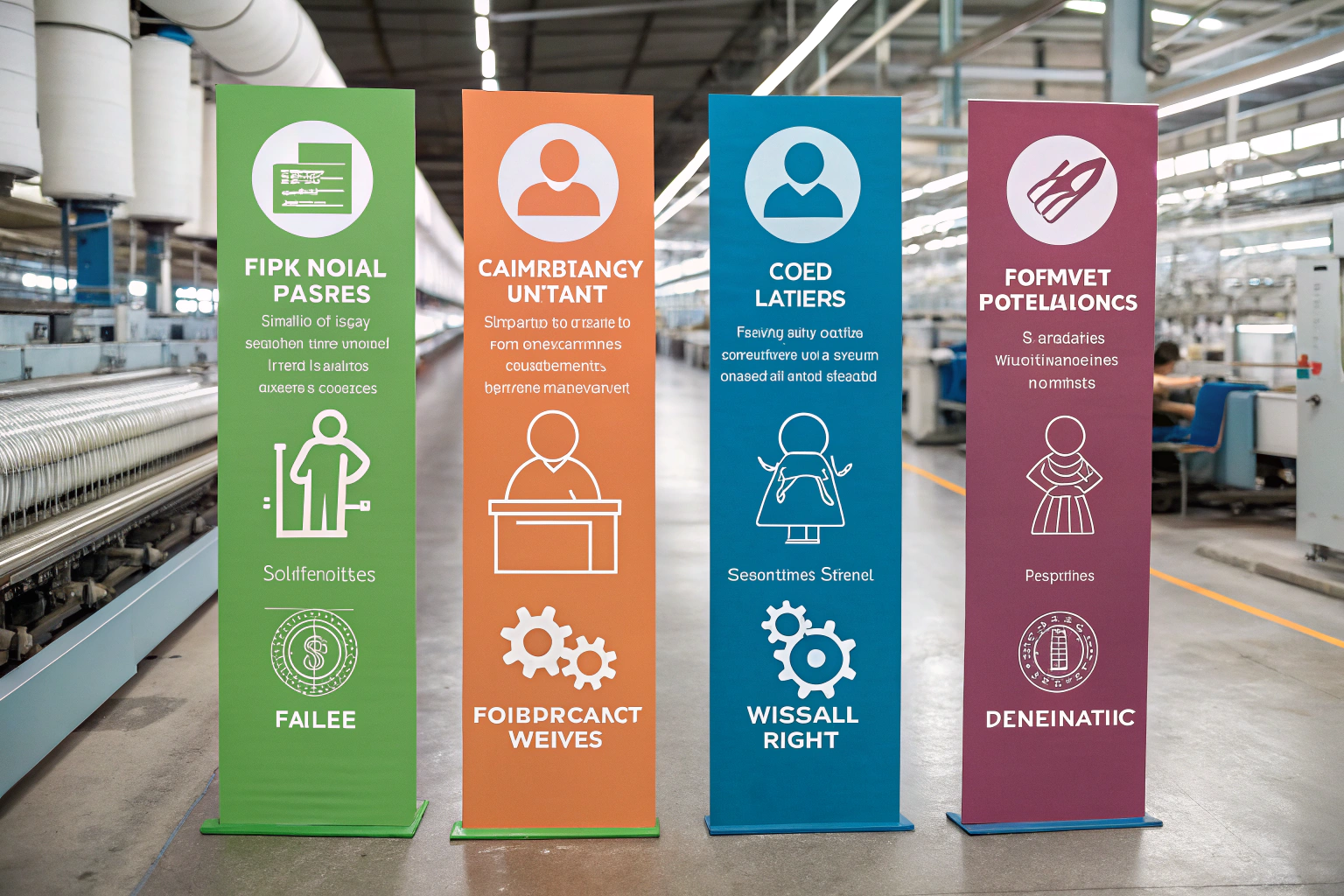
GOTS social standards are based on International Labour Organization core conventions and include: prohibition of forced labor and child labor, safe and hygienic working conditions, no discrimination based on gender, race or religion, payment of living wages (progressively implemented), regulated working hours with overtime compensation, and protection of freedom of association and collective bargaining. Our initial certification audit identified 17 areas where we needed to improve beyond Chinese legal requirements, particularly in wage transparency and worker training programs.

How does GOTS address wage and working hour issues?
The standard requires clear employment contracts, documented working hours, and overtime compensation that meets or exceeds legal requirements. For us, this meant implementing digital time tracking systems and regular wage reviews.
Before GOTS certification, we had informal overtime arrangements that sometimes exceeded legal limits during peak seasons. The certification forced us to implement strict overtime controls and premium pay rates. While this initially increased our labor costs by 8%, it also reduced worker turnover by 35% and improved productivity by 12%. The system ensures we maintain ethical working hours and fair compensation standards that protect both workers and business interests. Our workers now have predictable schedules and guaranteed rest days, which has significantly improved morale.
What worker safety provisions are required?
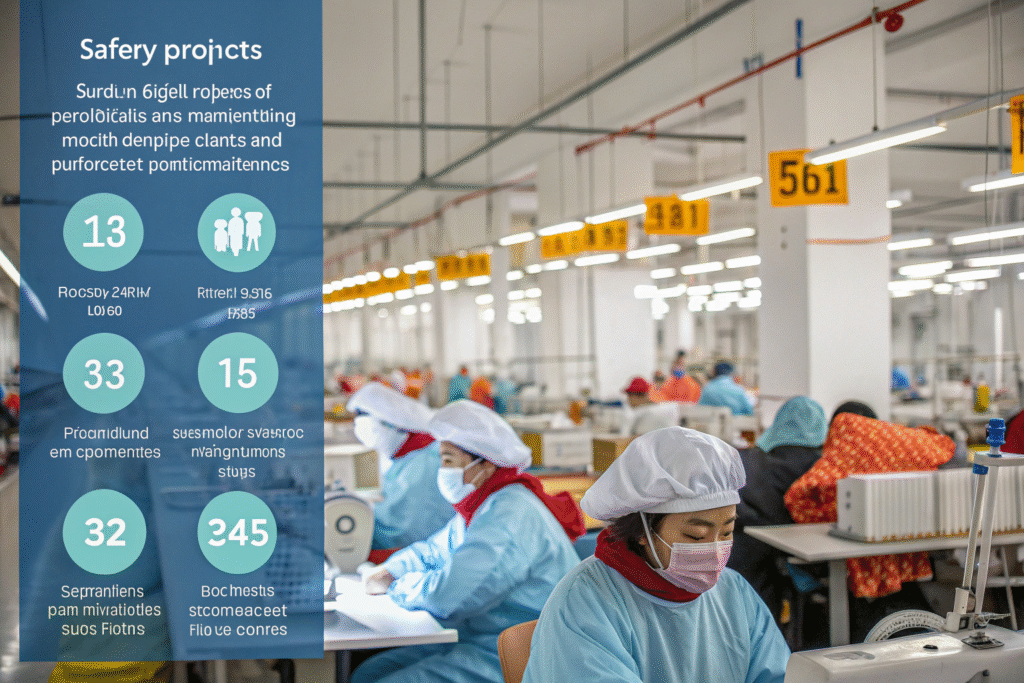
GOTS mandates comprehensive occupational health and safety measures including proper ventilation, protective equipment, emergency procedures, and regular safety training. These requirements go beyond typical factory operations in our region.
We invested approximately ¥500,000 in safety improvements before our initial certification, including upgraded ventilation systems in our dyeing areas, proper chemical handling equipment, and emergency eyewash stations throughout our facilities. Our accident rate has decreased by 65% since implementing these measures. The certification requires documented workplace safety protocols and regular training that create a prevention-oriented safety culture rather than just reacting to incidents.
How Are GOTS Social Standards Verified and Enforced?
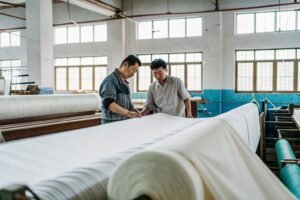
Many certifications rely on self-reporting or occasional audits, but GOTS employs a rigorous verification system that caught even us by surprise during our first audit. The auditor spent three days reviewing records, interviewing workers privately, and inspecting every corner of our facility.
GOTS social compliance is verified through annual unannounced audits conducted by accredited certification bodies. These audits include comprehensive document review (payroll records, employment contracts, working hour documentation), facility inspections (safety equipment, working conditions), and private worker interviews conducted without management presence. Non-compliance can result in corrective action requirements, suspension, or certificate withdrawal. In 2023, our auditor identified two minor non-conformities related to documentation of safety training refreshers, which we corrected within the required 30-day timeframe.
What documentation is required for social compliance?
The certification demands extensive documentation including employment contracts, payroll records, working hour tracking, health and safety training records, and evidence of worker representation. This creates a paper trail that’s difficult to falsify.
We maintain digital records of all worker contracts, wage payments, and working hours that can be instantly accessed during audits. The system automatically flags overtime violations and ensures all workers receive legally mandated benefits. This level of transparency was initially challenging to implement but has since become one of our strongest operational assets. The documentation requirements for social accountability create systems that prevent exploitation before it occurs, rather than just detecting it after the fact.
How effective are worker interviews in detecting issues?
Private worker interviews conducted in their native language without management presence are one of the most powerful aspects of GOTS social verification. Workers can speak freely about their experiences without fear of retaliation.
During our most recent audit, the auditor conducted random interviews with 25 workers across different departments. The process identified several concerns about cafeteria quality that we were able to address immediately. This feedback mechanism has become an valuable worker voice mechanism in supply chain monitoring that helps us continuously improve working conditions. Workers know they have a confidential channel to raise concerns directly with independent auditors.
What Are the Limitations of GOTS Social Compliance?
While GOTS provides strong social foundations, it’s important to understand its limitations. I’ve seen brands assume GOTS covers every possible social issue, only to discover gaps in their specific supply chain contexts.
GOTS has limitations in addressing living wage requirements (allows progressive implementation rather than immediate compliance), supply chain depth (primary focus on tier 1 manufacturers), migrant worker protections (requires compliance with local laws but doesn’t specifically address unique migrant issues), and community impact assessment (doesn’t require broader community engagement). For brands needing specific social assurances, we often recommend supplementing GOTS with additional certifications like Fair Trade or SA8000. A German client working with vulnerable communities specifically requested we also implement programs addressing women’s empowerment and education access beyond GOTS requirements.

How does GOTS approach living wage requirements?
The standard requires payment of at least legal minimum wage and progressive implementation toward living wages, but doesn’t mandate immediate living wage compliance across all certified facilities.
We’ve implemented a five-year living wage roadmap that goes beyond GOTS requirements, with annual 8-10% wage increases until we reach recognized living wage benchmarks. This commitment has actually reduced our recruitment costs by 40% and improved product quality through increased worker stability. While GOTS doesn’t require immediate living wage compliance, it provides the framework for progressive wage improvement that we’ve chosen to accelerate beyond the minimum requirements.
What supply chain depth does GOTS social compliance cover?
GOTS social requirements primarily apply to the certified facility itself, with limited requirements for deeper supply chain elements like raw material production. This means social compliance for spinning, weaving, and finishing is well-covered, but farm-level social compliance requires additional verification.
We’ve extended our social compliance monitoring to key raw material suppliers, particularly for our organic cotton and wool. This voluntary extension has helped us identify and address issues at farm level that wouldn’t be covered by GOTS alone. For brands concerned with complete supply chain ethics, this demonstrates the importance of comprehensive social compliance beyond certification minimums across all production tiers.
How Does Fumao Clothing Enhance GOTS Social Requirements?
We’ve learned that certification represents the starting point for social responsibility, not the finish line. While GOTS provides the framework, we’ve implemented additional programs that address its limitations and create genuine social value.
Our enhancements include immediate living wage benchmarks (rather than progressive implementation), extended supply chain monitoring (including farm-level social compliance), community investment programs (education and healthcare initiatives for workers’ families), and worker development programs (skills training and advancement opportunities). These initiatives cost us approximately 3% of our annual revenue but have delivered measurable returns in worker retention, productivity, and brand reputation. A Swedish client specifically chose us over other GOTS-certified suppliers because of our community health program that provides medical care for workers’ children.

What worker development programs have we implemented?
Beyond GOTS requirements, we’ve established technical training programs, language classes, and management development opportunities that help workers build careers rather than just hold jobs.
Our "Skills Pathway" program has helped 45 workers advance to supervisory positions over the past three years, with several former production workers now serving as quality control managers. This investment in human capital has reduced our external recruitment costs while creating tremendous loyalty and institutional knowledge. The program demonstrates how workforce development creates business value beyond social compliance metrics. Workers see a future with our company, not just a paycheck.
How do we address supply chain depth in social compliance?
We conduct regular social assessments of our key raw material suppliers, particularly for organic cotton farms and wool producers. This includes on-site visits, worker interviews, and compliance verification.
Last year, we identified issues with seasonal worker housing at one of our organic cotton suppliers. Rather than simply switching suppliers, we worked with them to improve conditions and provided interest-free loans for facility upgrades. This approach has helped us build stronger, more transparent relationships throughout our supply chain while ensuring comprehensive social responsibility across production tiers. The investment has paid dividends in supply chain reliability and quality consistency.
Conclusion
Fumao Clothing’s GOTS certification provides a robust foundation for social compliance that exceeds most conventional manufacturing standards, but represents the beginning rather than the end of our social responsibility commitment. The certification ensures fundamental worker rights, safe working conditions, and fair treatment through rigorous third-party verification, while our voluntary enhancements address living wages, worker development, and supply chain depth that go beyond certification requirements.
The most socially responsible approach to manufacturing recognizes that certifications provide essential frameworks and verification, but genuine social impact requires ongoing commitment, investment, and continuous improvement beyond compliance minimums. Brands seeking truly ethical manufacturing partners should look for both certification assurance and evidence of voluntary social initiatives that address specific supply chain contexts and worker needs.
If you’re looking for a manufacturing partner that combines GOTS certification with genuine social commitment, contact our Business Director Elaine to discuss our social compliance programs: elaine@fumaoclothing.com. We’ll provide transparent access to our social performance data and demonstrate how our approach to worker welfare creates value throughout your supply chain.