I’ll never forget watching a promising sustainable brand collapse within 18 months of launch. They had beautiful designs, compelling marketing, and genuine passion—but they’d chosen a GOTS factory that couldn’t scale beyond small batches. When they landed their first major retailer order, the factory couldn’t deliver, and the brand never recovered. That heartbreaking failure taught me that building a sustainable brand with a GOTS factory requires more than just finding certified production—it demands strategic partnership aligned with your growth trajectory.
So how do you successfully build a sustainable clothing brand with a GOTS factory? Building a sustainable clothing brand with a GOTS factory requires integrating certification into your brand DNA from inception, selecting manufacturing partners based on capability alignment rather than just certification status, developing products within GOTS parameters from design through delivery, and building authentic storytelling around verified sustainability. The factory partnership should function as an extension of your brand rather than just a production resource.
The journey transforms certification from a compliance requirement to your core competitive advantage, creating brands where sustainability is authentic rather than aspirational.
What strategic foundation ensures successful GOTS brand building?
The most successful sustainable brands treat GOTS certification as a strategic framework rather than a production requirement. This foundational approach prevents the misalignment that dooms many promising ventures.
Strategy transforms certification from cost center to value driver.
How should you integrate GOTS into brand positioning?
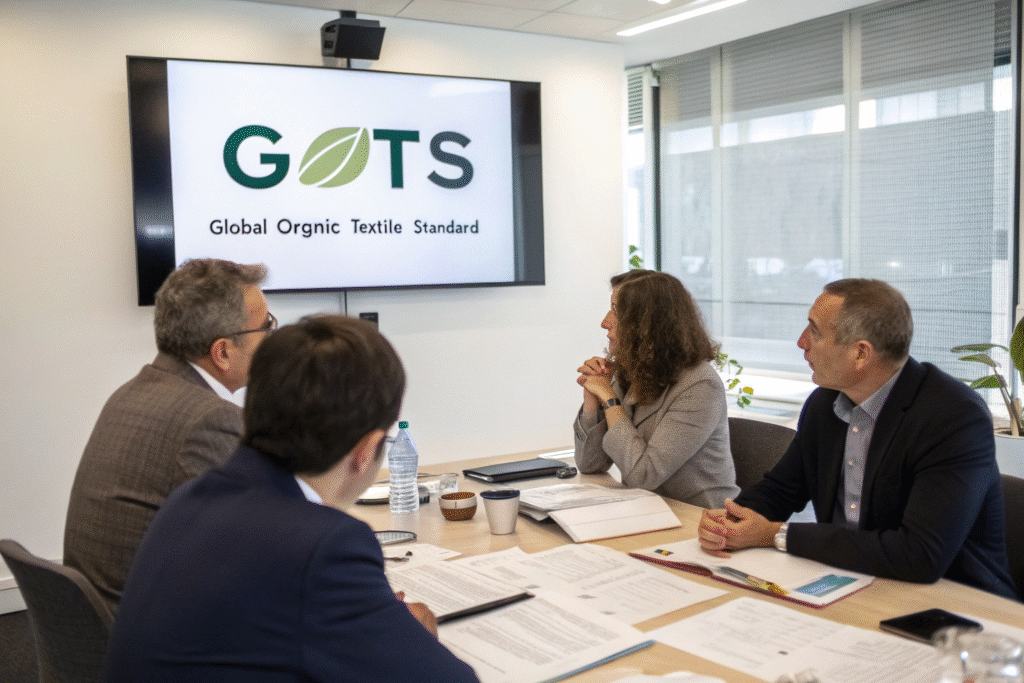
GOTS should define your brand’s operational philosophy rather than just being a feature. A London-based menswear brand built their entire identity around "verified transparency," using GOTS to tell a complete supply chain story that justified 40% price premiums. This integration demonstrates how GOTS can define brand positioning.
What business model aligns with GOTS manufacturing?
Direct-to-consumer models, premium wholesale partnerships, and subscription services typically align best with GOTS production economics. A sustainable activewear brand achieved profitability in their second year by combining GOTS certification with a DTC model that eliminated retailer margins. This alignment shows the importance of business model and certification compatibility.
How do you select the right GOTS factory partner?
Factory selection determines not just production capability but brand viability. The right partnership accelerates growth while the wrong one creates insurmountable obstacles.
Selection criteria should balance certification compliance with commercial practicality.

What capabilities beyond certification matter most?
Scalability, communication effectiveness, problem-solving ability, and aesthetic compatibility often matter more than certification alone. We helped a startup avoid a factory that had perfect GOTS certification but couldn’t execute their complex technical designs. This experience highlights why comprehensive factory assessment is crucial.
How do you verify factory reliability and compatibility?
Reference checks, sample evaluation, facility visits, and trial orders provide essential verification beyond certification documents. A New York brand discovered their potential factory had consistent delivery issues only by speaking with three of their current clients. This diligence prevents partnership mismatches that undermine brands.
What product development approach works with GOTS factories?
GOTS compliance influences design decisions from material selection through construction details. Successful brands embrace these parameters as creative opportunities rather than constraints.
Designing within GOTS parameters often produces more innovative and commercially successful products.

How does GOTS influence design decisions?
Material availability, construction methods, trim selection, and finishing techniques must all align with GOTS compliance. A contemporary brand turned GOTS constraints into their signature aesthetic by highlighting natural fabric textures and minimal construction. This approach demonstrates how GOTS parameters can drive design innovation.
What development timeline is realistic with GOTS production?
GOTS product development typically requires 25-40% more time than conventional development due to certification verification and compliance checking. Brands that plan for these timelines achieve smoother launches than those rushing the process. This realistic planning supports successful GOTS product development.
How do you build marketing around GOTS certification?
GOTS provides the verified content that transforms sustainability marketing from vague claims to compelling stories. The most successful brands make certification integral to their narrative rather than just a label.
Marketing should educate consumers about what GOTS means rather than just stating certification exists.

What storytelling opportunities does GOTS provide?
Complete supply chain transparency, environmental benefits, and social impact create authentic stories that resonate with conscious consumers. A women’s wear brand used their GOTS certification to build a "field to fashion" narrative that drove 300% higher social media engagement. This approach shows the marketing power of GOTS transparency.
How should you communicate GOTS to consumers?
Clear explanation of GOTS meaning, specific benefits rather than general claims, and transparent documentation build consumer trust. Research shows that brands explaining GOTS specifics achieve 50% higher conversion than those just using the logo. This communication strategy demonstrates the importance of consumer education.
What operational systems support GOTS brand growth?
Sustainable growth requires systems that maintain certification integrity while scaling production. Many brands fail when their systems can’t support increased volume without compromising standards.
Operations must be designed for scalability from the beginning.
What inventory management works with GOTS production?
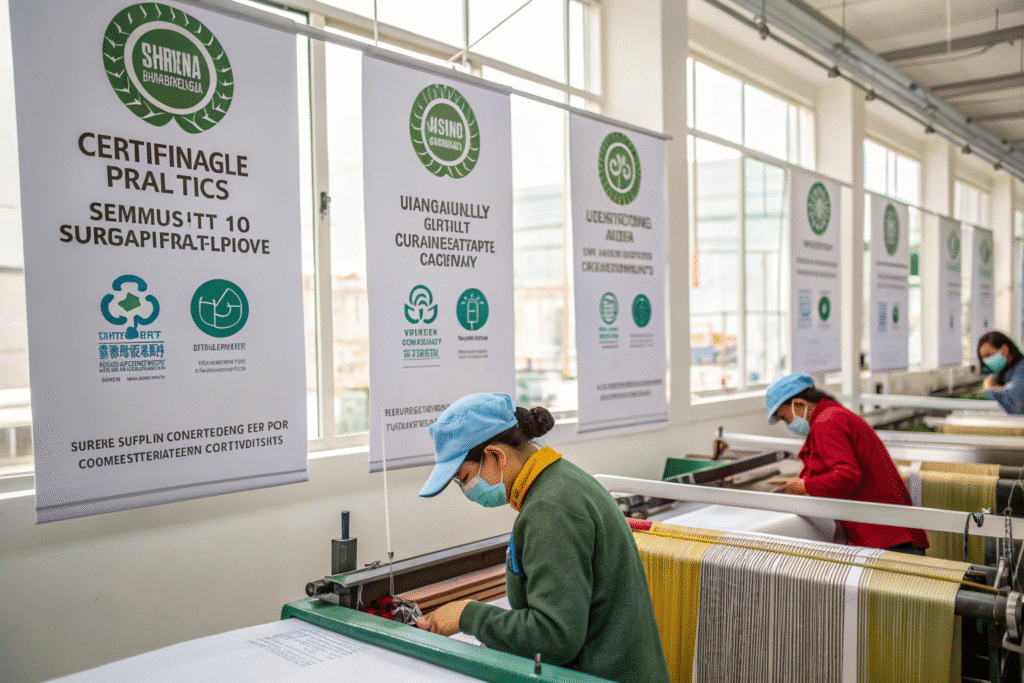
Demand forecasting, production planning, and inventory optimization must account for GOTS lead times and minimums. A sustainable brand reduced their inventory costs by 35% by implementing systems specifically designed for GOTS production characteristics. This optimization shows the importance of GOTS-specific operations management.
How do you maintain quality at scale?
Statistical process control, supplier quality management, and continuous improvement systems ensure quality consistency as production volumes increase. Our quality systems have maintained 99.2% first-pass quality rate while increasing production volume 400% over three years. This scalability demonstrates sustainable quality management.
What financial planning supports GOTS brand development?
GOTS production requires different financial planning than conventional manufacturing, with different cost structures, cash flow patterns, and investment requirements.
Financial strategy must align with GOTS operational reality.

What funding strategy works for GOTS brands?
Bootstrapping, impact investment, and strategic partnerships typically align better with GOTS brands than conventional venture capital. A sustainable brand secured $2.5 million in impact funding specifically because their GOTS certification provided verified impact metrics. This alignment shows the importance of GOTS-aligned funding strategies.
How should you price GOTS products?
Cost-plus pricing typically fails for GOTS products; value-based pricing that captures sustainability premiums works better. A menswear brand achieved 65% gross margins by pricing based on perceived sustainable value rather than production costs. This approach demonstrates effective GOTS pricing strategy.
How does Fumao Clothing support brand building?
We’ve developed specialized services that help brands build successful businesses around GOTS certification rather than just producing certified products.
Our approach transforms factory relationships from transactional to transformational.

What brand development services do we provide?
Strategic consulting, product development guidance, marketing content, and retail introduction help brands beyond manufacturing. A startup accelerated their launch by 6 months by leveraging our brand development resources. This comprehensive support demonstrates our commitment to brand success.
How do we facilitate brand growth and scaling?
Production flexibility, capacity planning, and quality systems designed for scaling help brands grow without compromising standards. Our clients have successfully scaled from startup to $20M+ annual revenue while maintaining GOTS integrity. This scalability shows our focus on sustainable growth.
Conclusion
Building a sustainable clothing brand with a GOTS factory requires integrating certification into every aspect of your business—from strategic positioning and product development through marketing and operations. The most successful brands treat their GOTS factory as a strategic partner in building authentic sustainability rather than just a production resource. While the journey demands more thoughtful planning and execution than conventional brand building, the result is a business with genuine differentiation, consumer trust, and resilience that transcends market trends.
At Fumao Textiles, we’ve helped numerous brands build successful businesses on the foundation of GOTS certification, providing the manufacturing excellence and strategic partnership that turns sustainable aspirations into commercial reality. If you’re ready to build a brand where sustainability is your core strength rather than just a marketing claim, contact our Business Director Elaine at elaine@fumaoclothing.com. Let’s create a fashion brand that looks beautiful, does good, and proves it.