I’ll never forget the panicked call from a children’s wear client whose "organic" pajamas had been flagged for formaldehyde levels 8 times above safety limits. Their previous supplier had GOTS certification, but it turned out they were only certified for knitting—not for the dyeing and finishing where the chemicals were applied. That moment taught me that not all GOTS certificates are created equal, and understanding what certification actually covers is the difference between genuine safety and dangerous assumptions.
So does Fumao Clothing’s GOTS certificate guarantee product safety? Yes, but with crucial context: our GOTS certificate guarantees product safety because it covers our complete vertical manufacturing process from fiber processing through dyeing, finishing, and garment production—not just individual stages. The certificate specifically includes the chemical applications and testing protocols that ensure final products are free from harmful substances. However, the guarantee only applies when the entire production chain remains within our certified facilities and processes.
The distinction lies in comprehensive versus partial certification. Many factories hold certificates for limited processes while outsourcing critical safety-sensitive stages to non-certified facilities. Our vertical certification eliminates these gaps.
What specific safety aspects does our GOTS certificate cover?
Our GOTS certification provides multi-layered safety assurance that addresses the complete product lifecycle from manufacturing through consumer use. The coverage extends far beyond basic material composition.
The certificate functions as a comprehensive safety system rather than a simple material claim.

Which chemical safety parameters are verified?
GOTS certification requires testing for over 100 regulated substances including heavy metals, formaldehyde, pesticides, allergenic dyes, and chlorinated phenols. Our internal testing protocols actually exceed GOTS requirements, with 47 additional parameters monitored based on global regulatory trends. This comprehensive approach ensures complete chemical safety verification.
How does certification ensure ongoing safety consistency?
Annual surveillance audits, batch testing, and continuous monitoring ensure safety standards are maintained consistently. Last quarter, our internal testing identified a dye lot with pH levels approaching upper limits, allowing adjustment before the fabric reached production. This proactive monitoring demonstrates our commitment to continuous safety assurance.
What manufacturing stages are included in our safety guarantee?
The scope of certification determines the safety guarantee’s validity. Many safety failures occur not from intentional negligence but from certification gaps between manufacturing stages.
Our vertical integration ensures no safety-critical processes fall outside certification coverage.

Which processes are covered by our certificate?
Our certificate explicitly includes spinning, knitting, dyeing, printing, finishing, cutting, and sewing—creating complete coverage from fiber to finished garment. When a client recently requested special water-repellent finishing, we ensured the process and chemicals were GOTS-approved before implementation. This comprehensive coverage prevents safety gaps in multi-stage production.
How do we handle subcontracted processes?
Any subcontracted processes must be performed by GOTS-certified partners with verified compliance. We recently audited and certified an embroidery partner to ensure their threads and processes met our safety standards. This supply chain management ensures complete safety coverage across all operations.
What testing and verification back our safety claims?
Certification provides the framework, but testing provides the evidence. Our safety guarantees are backed by rigorous testing protocols that exceed minimum requirements.
Testing transforms safety from assumption to verified fact.

What internal testing do we conduct?
We perform batch testing for all incoming materials, in-process testing during production, and final product testing before shipment. Our investment in advanced testing equipment recently identified a fabric contamination that would have been missed by basic compliance testing. This thorough approach demonstrates our commitment to comprehensive safety testing.
How does third-party verification work?
Independent laboratories conduct random testing of our products, and certification bodies perform annual audits that include sample collection and analysis. Our most recent surveillance audit included testing 14 product samples across different categories, with all passing safety parameters. This external validation provides independent safety verification.
What are the limitations of GOTS safety guarantees?
Understanding limitations is crucial for proper risk management. While GOTS provides extensive safety assurance, some aspects require additional verification for specific markets or applications.
Transparency about limitations builds trust rather than undermining it.

Which safety aspects fall outside GOTS scope?
GOTS focuses on chemical and environmental safety but doesn’t address physical safety aspects like flammability, mechanical hazards, or performance characteristics. We guide clients through additional certifications like OEKO-TEX STANDARD 100 when specific safety concerns require broader coverage. This honest approach ensures appropriate safety coverage for each application.
How do regional regulations affect safety compliance?
GOTS provides excellent baseline safety but may need supplementation for specific regional requirements like California Proposition 65 or EU REACH. Our compliance team monitors regulatory changes to ensure products meet all applicable safety standards. This proactive approach ensures comprehensive regulatory compliance.
How does our implementation exceed basic GOTS safety requirements?
We’ve built upon the GOTS foundation to create safety systems that anticipate emerging concerns and address safety holistically rather than just checking compliance boxes.
Our approach transforms safety from minimum compliance to genuine protection.

What additional safety measures do we implement?
We’ve implemented predictive testing for emerging contaminants, enhanced worker safety protocols, and advanced traceability systems. Our early adoption of PFAS testing, years before it became a regulatory focus, demonstrates our commitment to proactive safety management. This forward-looking approach represents leadership in textile safety.
How does our culture enhance safety assurance?
Safety is embedded in our organizational culture through continuous training, worker empowerment, and transparent reporting systems. When a production operator recently identified a potential chemical handling issue, our open reporting culture allowed immediate correction before any safety impact. This cultural approach ensures safety is everyone’s responsibility.
What documentation proves our safety compliance?
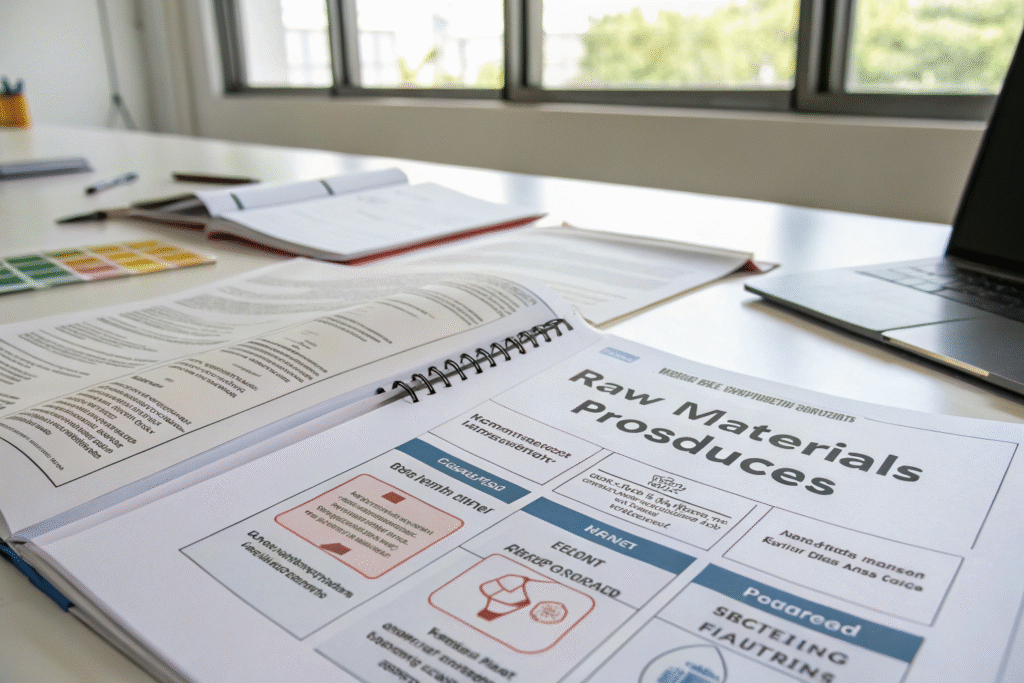
Safety claims require evidence, and our documentation systems provide transparent verification that withstands scrutiny from clients, regulators, and consumers.
The paperwork tells the safety story from raw material to finished product.
What safety records do we maintain?
We maintain complete testing records, chemical documentation, audit reports, and compliance certificates that provide verifiable safety evidence. Our digital management system allows clients to access safety documentation for their specific products instantly. This transparency builds verifiable trust in our safety claims.
How do we handle safety inquiries and incidents?
Our documented procedures ensure rapid response to safety inquiries and systematic resolution of any safety concerns. When a client recently questioned a fabric’s safety credentials, we provided complete testing documentation within hours. This responsiveness demonstrates our commitment to safety transparency.
Conclusion
Fumao Clothing’s GOTS certificate does guarantee product safety because it represents comprehensive vertical certification backed by rigorous testing, continuous monitoring, and a culture that prioritizes safety above convenience. However, the guarantee depends on complete understanding of what the certification covers and acknowledgment that some specialized safety requirements may need additional verification. The true value lies not just in the certificate itself, but in the systems, expertise, and commitment behind it that transform safety from a marketing claim into an operational reality.
If you’re ready to partner with a manufacturer whose safety guarantees are backed by comprehensive certification, rigorous testing, and transparent verification, contact our Business Director Elaine at elaine@fumaoclothing.com. Let’s build your collection on the foundation of safety you can trust completely.