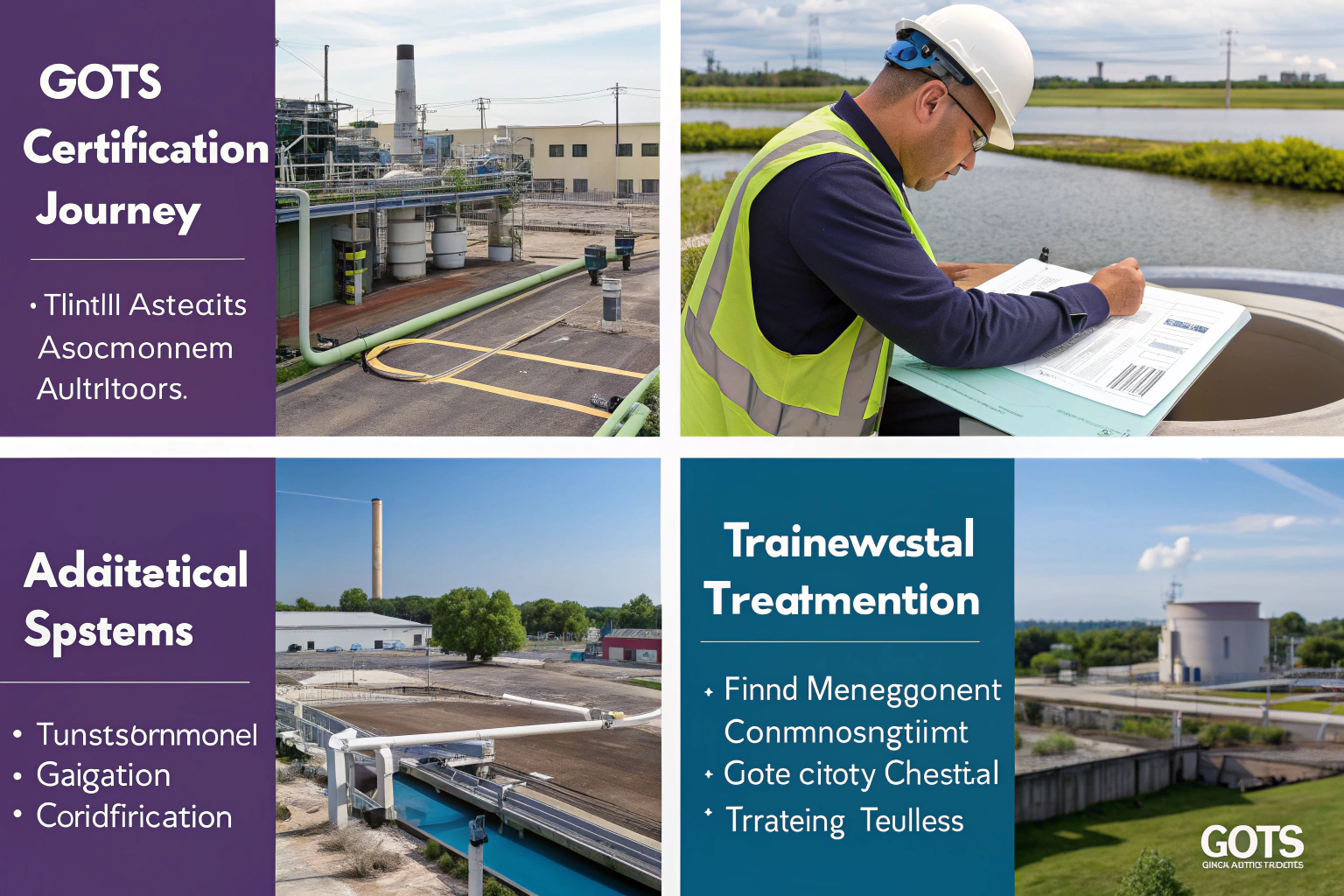
I’ll never forget our first GOTS certification audit back in 2018. We thought we were prepared, but the auditor found 47 non-conformities in the first two hours. From undocumented chemical storage to inadequate worker training records, we realized that true GOTS certification requires transforming your entire operation, not just cleaning up paperwork. That humbling experience taught me that the GOTS process separates manufacturers who genuinely embrace sustainability from those who merely want the certificate.
So what exactly is the GOTS certification process for clothing manufacturers? The GOTS certification process is a comprehensive, multi-stage journey that typically takes 3-6 months and involves pre-assessment, documentation system implementation, facility upgrades, independent auditing, and ongoing surveillance. The process examines every aspect of manufacturing from chemical management and environmental protection to social compliance and supply chain transparency, requiring fundamental operational changes rather than superficial adjustments.
The journey transforms manufacturers from simply making clothes to operating sustainable businesses where every process aligns with strict environmental and social standards. While challenging, this transformation delivers benefits that extend far beyond the certificate itself.
What are the key preparation stages before formal application?
Proper preparation separates successful certification candidates from those who waste time and resources on failed attempts. The pre-application phase lays the foundation for everything that follows.
Thorough preparation transforms certification from an inspection to a partnership with the certification body.

What initial gap analysis is required?
A comprehensive gap analysis identifies all areas where current operations deviate from GOTS requirements before formal application. We typically find 60-80% of manufacturers have at least 15 major gaps during initial assessment, with chemical management and documentation systems being the most common challenges. Understanding these gaps early prevents costly mistakes and failed audits. This analysis forms the foundation of successful GOTS certification preparation.
How do you select the right certification body?
Choosing an accredited certification body with experience in your specific product category and region significantly impacts success rates. We learned this when our first certification body lacked experience with knitwear manufacturing, causing unnecessary delays and misunderstandings. Proper selection ensures effective partnership with certification bodies.
What documentation systems must be implemented?
GOTS certification requires transforming documentation from occasional record-keeping to comprehensive systems that prove compliance through verifiable data.
The paperwork isn’t bureaucracy – it’s the evidence that demonstrates your commitment to standards.

What specific records must be maintained?
Manufacturers must maintain comprehensive records including chemical inventories with SDS, material transaction certificates, wastewater test results, social compliance documentation, and quality control records. Our digital management system tracks 53 separate data points that proved crucial during our surveillance audit when we needed to trace a specific fabric batch’s complete history. This thorough documentation demonstrates complete GOTS record-keeping requirements.
How does GOTS require supply chain mapping?
Complete supply chain mapping from raw material to finished product is mandatory, with transaction certificates required at every stage. We help manufacturers implement digital tracking systems that recently helped a brand instantly trace organic cotton back to specific farm groups when questioned by European retailers. This transparency is fundamental to GOTS supply chain integrity.
What facility and operational changes are required?
GOTS certification demands physical and operational transformations that go far beyond paperwork. The standards affect everything from chemical storage to worker facilities.
The process turns manufacturing facilities from merely functional to comprehensively responsible.

What environmental upgrades are typically needed?
Most manufacturers require wastewater treatment improvements, chemical management systems, energy monitoring, and waste separation infrastructure. Our facility invested ¥3.5 million in wastewater treatment upgrades that not only achieved GOTS compliance but reduced our water costs by 40% through recycling. These investments demonstrate the environmental requirements of GOTS certification.
How does social compliance affect facility operations?
GOTS requires safe working conditions, adequate facilities, fair labor practices, and documented management systems. During our certification, we upgraded worker facilities, implemented comprehensive training programs, and established worker representation systems that reduced turnover from 25% to 8%. These improvements show how social compliance transforms manufacturing operations.
What happens during the certification audit?
The certification audit represents the culmination of preparation efforts, where independent verification determines whether standards are genuinely met.
The audit tests both systems and implementation, theory and practice.

What do auditors examine during the assessment?
Auditors review documentation, inspect facilities, interview workers, verify chemical compliance, test systems implementation, and trace supply chain integrity. Our most recent surveillance audit included 23 worker interviews, 47 document reviews, 12 facility inspections, and 8 product tests over three days. This thorough examination ensures comprehensive GOTS audit coverage.
How should manufacturers prepare for audit interviews?
Worker interviews require preparation that ensures employees understand GOTS requirements can describe processes accurately, and feel comfortable speaking openly. We implement monthly training sessions that helped workers confidently describe chemical management procedures during our audit, demonstrating genuine understanding rather than memorized answers. This preparation is crucial for successful audit outcomes.
What ongoing requirements maintain certification?
GOTS certification isn’t a one-time achievement but an ongoing commitment maintained through continuous compliance and regular verification.
The real work begins after certification is achieved.

What surveillance activities occur after certification?
Annual surveillance audits and full recertification every three years ensure ongoing compliance through document review, facility inspection, and testing. Our surveillance audit last quarter identified a minor documentation gap in our new digital printing process, allowing correction before it became a major compliance issue. This ongoing verification maintains continuous GOTS compliance.
How must manufacturers manage ongoing changes?
Any significant changes to processes, chemicals, or suppliers require pre-approval and documentation updates to maintain certification. When we introduced a new dyeing process, the certification body required complete documentation and testing before approval, preventing compliance issues. This change management is essential for maintaining certification integrity.
What are the timeline and cost considerations?
Understanding the realistic timeline and investment required helps manufacturers plan effectively and avoid frustrating delays or unexpected costs.
Proper planning transforms certification from a crisis to a managed project.

What is the realistic certification timeline?
Most manufacturers require 4-6 months for initial certification, though facilities with existing environmental and social systems may achieve it in 3 months. Our typical client timeline shows 1 month for gap analysis, 2 months for implementation, 3-4 weeks for audit scheduling, and 2-4 weeks for certificate issuance. This timeline reflects realistic GOTS certification scheduling.
What costs should manufacturers anticipate?
Costs typically range from $5,000-$50,000+ depending on facility size and existing compliance levels, with annual surveillance costing 30-50% of initial certification. Our investment analysis shows that while certification requires significant upfront investment, the operational improvements typically deliver ROI within 18-24 months. This financial planning understands GOTS certification cost structure.
Conclusion
The GOTS certification process for clothing manufacturers represents a comprehensive transformation journey that examines and improves every aspect of operations from environmental management and chemical compliance to social responsibility and supply chain transparency. While demanding significant commitment, the process delivers benefits that extend far beyond the certificate itself, creating manufacturers that are more efficient, responsible, and competitive in the global market. The manufacturers who approach certification as an opportunity for genuine improvement discover that the journey creates value that lasts long after the certificate is awarded.
At Fumao Textiles, our GOTS certification journey transformed us from a conventional manufacturer to a sustainable industry leader, creating operational excellence that benefits both our business and our partners. If you’re ready to begin your own certification journey with a partner who understands both the challenges and rewards, contact our Business Director Elaine at elaine@fumaoclothing.com. Let’s build manufacturing excellence that meets the highest standards of environmental and social responsibility.