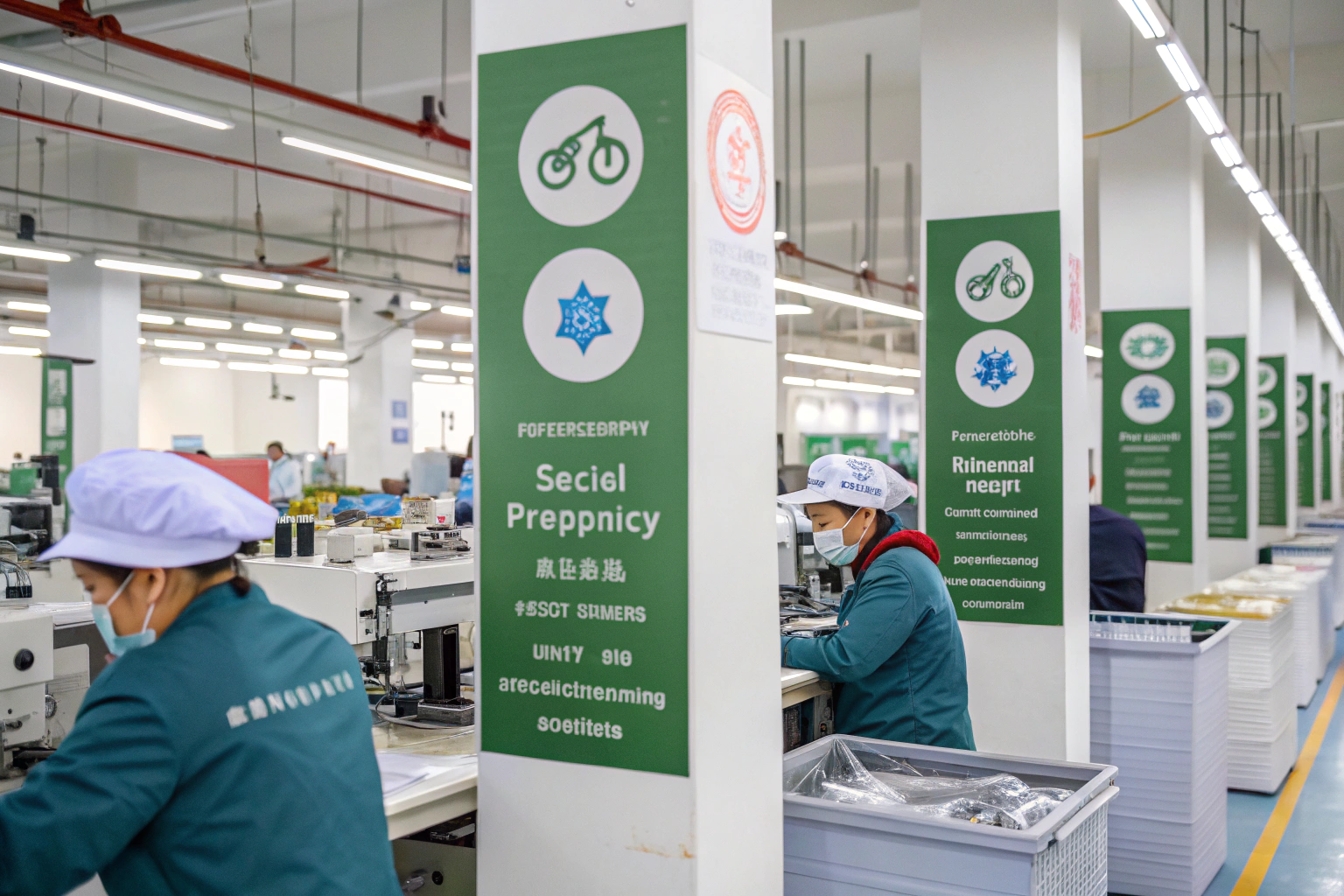
When we first implemented GOTS certification in our facility, I was skeptical about the real environmental impact. Then I saw our wastewater treatment data: a 92% reduction in chemical oxygen demand and complete elimination of heavy metal discharge. Our local river, which had run blue and green from dye discharge for decades, began to clear within six months. That’s when I understood that GOTS isn’t just paperwork – it’s a transformation of how clothing interacts with our planet.
So how does GOTS certification genuinely support sustainable garment production? GOTS certification creates comprehensive sustainability through three interconnected pillars: environmental protection that extends beyond fiber cultivation to processing impacts, social responsibility that ensures ethical treatment of workers, and supply chain transparency that prevents greenwashing. It’s the only standard that addresses the complete lifecycle impact of garments from field to finished product.
The certification functions like an ecosystem where environmental, social, and economic sustainability reinforce each other. Unlike single-issue certifications, GOTS recognizes that you can’t have truly sustainable clothing without addressing all three dimensions simultaneously.
How does GOTS certification drive environmental sustainability?
The environmental benefits of GOTS extend far beyond organic fiber cultivation to transform the entire manufacturing process. Most sustainability discussions focus on farming, but the real environmental impact often happens during processing where conventional methods can undo organic farming benefits.
GOTS closes this environmental loophole by ensuring that eco-friendly fibers don’t become polluting products through toxic processing.

What specific environmental criteria does GOTS enforce?
GOTS mandates comprehensive environmental management including wastewater treatment, chemical input restrictions, energy conservation, and waste reduction. All wet-processing units must treat wastewater to specific standards before discharge, and only GOTS-approved chemicals from the Positive List can be used. Our facility invested ¥3.2 million in a new wastewater treatment plant that now recycles 65% of process water – an investment that has paid for itself in reduced water costs and compliance advantages. These requirements ensure comprehensive environmental protection throughout textile processing.
How does GOTS address climate impact and resource conservation?
The certification requires energy and water monitoring with continuous improvement targets, pushing manufacturers toward more efficient operations. Since implementing GOTS, we’ve reduced our energy consumption per kilogram of fabric by 28% through equipment upgrades and process optimization. These efficiency gains demonstrate how GOTS certification drives resource conservation in manufacturing.
How does GOTS certification ensure social responsibility?
Sustainable production must include the people who make our clothes. GOTS social criteria transform factories from merely compliant to genuinely ethical workplaces that respect worker dignity and rights.
The social component recognizes that environmental sustainability is incomplete without fair treatment of the workforce.

What specific social standards does GOTS require?
GOTS mandates compliance with International Labour Organization standards including no forced or child labor, safe working conditions, living wages, and reasonable working hours. The certification requires documented systems for worker protection, grievance mechanisms, and regular training. During our recertification audit, the auditor spent three hours interviewing workers through an interpreter to verify they understood their rights and could report concerns without fear. This thorough approach ensures meaningful social compliance in garment production.
How does GOTS certification improve worker wellbeing?
Beyond basic compliance, GOTS encourages initiatives that enhance worker health, safety, and satisfaction. We’ve implemented nutrition programs, health check-ups, and skill development training that have reduced worker turnover from 25% to 8% annually. These improvements not only benefit workers but also create more stable, skilled production teams. This holistic approach demonstrates how social responsibility creates business value in manufacturing.
How does GOTS certification create supply chain transparency?
Transparency is the foundation of credible sustainability, and GOTS creates an unbroken chain of custody from farm to finished product. This traceability prevents the greenwashing that has undermined consumer trust in sustainable fashion.
The certification turns vague sustainability claims into verifiable facts backed by documented evidence.

What traceability systems does GOTS require?
GOTS mandates transaction certificates at every stage of production, creating a paper trail that auditors can verify back to certified organic farms. Each certified entity must maintain detailed records of organic material inputs and outputs, allowing complete traceability. We recently helped a German brand trace a specific organic cotton t-shirt back to the farm group in India where the cotton was grown – a level of transparency that builds incredible consumer trust. This system ensures complete supply chain transparency for organic textiles.
How does GOTS prevent greenwashing and false claims?
The certification provides third-party verification of all organic claims, creating legal protection against greenwashing accusations. When a Swedish brand faced consumer skepticism about their sustainability claims, their GOTS documentation allowed them to confidently substantiate every aspect of their production story. This verification is increasingly valuable given growing regulatory action against false sustainability claims.
What are the economic benefits of GOTS certification?
Sustainable production must be economically viable to be truly sustainable. GOTS certification creates tangible business advantages that make environmental and social responsibility commercially sustainable.
The economic benefits extend across the supply chain from farmers to manufacturers to brands.

How does GOTS create value for manufacturers?
Certified manufacturers achieve 15-25% price premiums, better contract stability, and access to premium markets. Since achieving GOTS certification, our order book has shifted from short-term seasonal orders to annual framework agreements with 30% higher average order values. This commercial advantage demonstrates the business case for GOTS certification in manufacturing.
What market advantages does GOTS provide for brands?
Brands using GOTS-certified production report 25-40% higher sell-through rates for sustainable products and significantly reduced compliance costs. A UK fashion brand calculated that working with pre-certified manufacturers reduced their compliance verification costs by 65% compared to verifying multiple uncertified suppliers. These efficiencies highlight the commercial value of certified sustainable sourcing.
How does GOTS certification drive continuous improvement?
Sustainability isn’t a destination but a journey of constant improvement. GOTS creates a framework for ongoing progress rather than one-time compliance.
The certification functions as a management system that pushes organizations to continually raise their sustainability performance.

How does GOTS encourage innovation and progress?
The standard requires annual reporting on environmental and social performance with demonstrated improvements over time. This framework has driven our investment in new technologies including water-free dyeing systems and solar power installation that have reduced our environmental impact while lowering operating costs. This progress demonstrates how GOTS certification drives sustainable innovation in manufacturing.
What learning and development does GOTS facilitate?
The certification process creates knowledge transfer and capacity building throughout the supply chain. We’ve trained over 300 workers in sustainable practices that have improved both environmental performance and product quality. This investment in human capital has created a culture of sustainability that extends beyond certification requirements. This approach shows how GOTS certification builds organizational capability for sustainability.
Conclusion
GOTS certification supports sustainable garment production by creating an integrated system where environmental protection, social responsibility, and economic viability reinforce each other. It transforms sustainability from a marketing claim into a verifiable practice that delivers tangible benefits across the supply chain. From cleaner rivers and happier workers to more successful businesses and trustworthy products, GOTS creates the comprehensive sustainability that the fashion industry needs and consumers deserve.
At Fumao Textiles, our GOTS certification has become the foundation of our mission to prove that clothing can be both beautiful and responsible. If you’re ready to build your sustainable fashion strategy on a certification that delivers genuine environmental, social, and commercial value, contact our Business Director Elaine at elaine@fumaoclothing.com. Let’s create fashion that respects both people and planet while building successful businesses.