As someone who’s been through the OEKO-TEX® certification process countless times with clients, I understand the confusion that surrounds it. Many brands think it’s just about sending fabric samples to a lab, but it’s actually a comprehensive system that verifies your entire supply chain. If you’re looking to tap into the European market or appeal to health-conscious consumers, this certification is your golden ticket.
So, what exactly is the process for getting OEKO-TEX® certified garments? The OEKO-TEX® certification process involves four key stages: pre-assessment and gap analysis, sample selection and laboratory testing, documentation review and supply chain mapping, and finally certification issuance and maintenance. The entire process typically takes 3-6 weeks and requires cooperation from your entire supply chain, especially your fabric supplier.
Getting this right means you can confidently market your products as free from harmful substances, opening doors to premium retailers and discerning customers. Let me walk you through the exact steps we’ve successfully used with dozens of clients.
How do you prepare for OEKO-TEX® certification?
Preparation is where most successful certifications are won or lost. Rushing into testing without proper preparation is the most common reason for failure and wasted investment. The preparation phase ensures your materials and processes are aligned with OEKO-TEX® standards before you ever send samples to the lab.
Proper preparation involves understanding the standard’s requirements, assessing your current supply chain, and making necessary adjustments. Think of it like training for a marathon – you wouldn’t show up at the starting line without months of preparation. Similarly, you shouldn’t approach OEKO-TEX® certification without thorough groundwork.

What initial gap analysis is needed before testing?
Before testing, you need to conduct a thorough gap analysis of your entire supply chain. This means identifying every material, accessory, and chemical used in your garment – from main fabric and threads to zippers, buttons, and prints. I worked with a sportswear brand from Seattle in Q2 2023 that learned this lesson the hard way. They assumed their main fabric was compliant but discovered their sublimation prints contained restricted phthalates. This cost them three extra weeks and significant re-testing fees. The gap analysis should compare your current materials against the latest OEKO-TEX® STANDARD 100 prohibited substances list. For comprehensive guidance, understanding how to conduct a preliminary OEKO-TEX® gap analysis for your fashion line provides valuable insights from industry experts. Additionally, resources like the Sustainable Apparel Coalition’s Higg Index can help assess your supply chain readiness before formal certification.
How do you select the right OEKO-TEX® product class?
Choosing the correct product class is crucial because testing requirements and limits vary significantly between classes. OEKO-TEX® has four product classes: Class I for baby items, Class II for direct skin contact, Class III for non-skin contact, and Class IV for decorative materials. The classification depends on how the product will be used, not just what it’s made of. We recently helped a children’s wear brand from Canada correctly classify their products – their baby rompers needed Class I certification (most stringent), while their children’s outerwear jackets qualified for Class II. This strategic classification saved them approximately 40% in testing costs compared to blanket Class I testing. The official OEKO-TEX® Association website provides detailed guidance on product class specifications and testing criteria to ensure proper selection.
What happens during the testing phase?
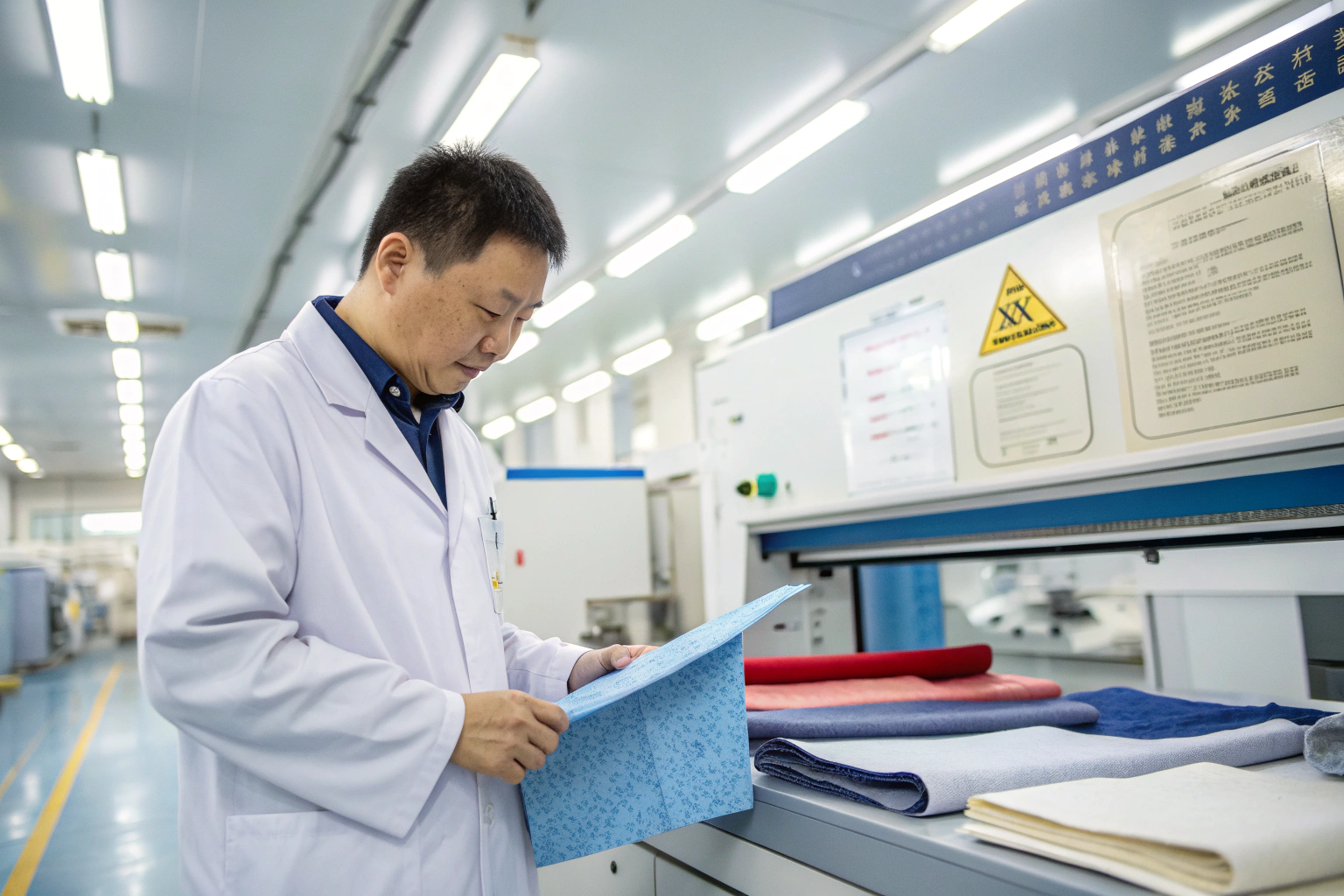
The testing phase is where your materials undergo rigorous laboratory analysis to verify compliance with OEKO-TEX® standards. This isn’t a simple pass/fail check but a comprehensive screening against hundreds of regulated substances. The testing process follows strict protocols to ensure consistent results across different testing institutes worldwide.
During this phase, you’ll work closely with an authorized OEKO-TEX® testing institute who will guide you through sample submission and testing protocols. Understanding what happens behind the lab walls helps you appreciate the value of the certification and prepares you for potential issues.

How are representative samples selected for testing?
Sample selection requires strategic thinking – you need to choose samples that represent your worst-case scenarios and most complex constructions. The testing institute will guide you, but you should submit samples that include all material combinations, colors, and treatments. For example, if you have a garment with five different fabric types and twelve colors, you’ll need a systematic approach to sampling. In our experience, we recommend testing the darkest shades of each material type first, as they’re most likely to contain higher levels of restricted substances. A UK-based fashion brand we assisted in early 2024 saved significant costs by implementing smart sampling – they reduced their required tests from 28 to 16 through strategic color and material grouping without compromising compliance. Learning about best practices for textile sample selection in compliance testing can optimize this process, as detailed in industry publications.
What specific substances does OEKO-TEX® test for?
OEKO-TEX® testing covers numerous substance groups including illegal substances, legally regulated chemicals, known harmful (but not regulated) chemicals, and parameters for health precaution. The specific tests include heavy metals, pesticides, chlorinated phenols, phthalates, allergens, and many more. The exact testing parameters depend on your product class, with Class I having the strictest limits. I recall a Swedish workwear manufacturer that failed their initial test due to formaldehyde levels in their durable press finish – a substance they hadn’t considered because it wasn’t regulated in their market. They had to reformulate their finishing process and retest, delaying their market launch by six weeks. The complete list of tested parameters and limit values for OEKO-TEX® STANDARD 100 is regularly updated on the official portal, requiring continuous monitoring.
How do you manage documentation and supply chain transparency?
Documentation might be the least glamorous part of OEKO-TEX® certification, but it’s arguably the most important. The certification requires complete transparency throughout your supply chain, and proper documentation proves you maintain this transparency consistently. Without solid documentation, even the cleanest test results won’t secure certification.
This phase involves collecting and verifying documents from all your suppliers, creating a complete picture of your production ecosystem. The documentation requirements have become increasingly detailed in recent years as consumers demand greater supply chain transparency.

What supplier declarations are required for certification?
You’ll need comprehensive declarations from every supplier in your chain, including dyers, weavers, finishers, and accessory suppliers. These declarations must confirm that their materials or processes comply with OEKO-TEX® requirements. The declarations should be specific to your order, not generic compliance statements. We developed a standardized supplier declaration template that we share with our clients, which has reduced documentation errors by approximately 70% based on our internal tracking. An Australian outdoor brand we partnered with in late 2023 initially struggled with this – their zipper supplier provided a general compliance statement that lacked the specific detail required by their testing institute, causing a two-week delay in certification. Understanding how to obtain proper material safety declarations from Chinese textile suppliers is particularly valuable, as covered by industry media focusing on Asian supply chains.
How does OEKO-TEX® verify your supply chain integrity?
OEKO-TEX® institutes verify supply chain integrity through a combination of document checks, on-site audits (for STeP certification), and material testing consistency reviews. They examine your purchasing records, production documentation, and quality control systems to ensure traceability from raw material to finished product. Some institutes conduct random sample testing from the market to verify ongoing compliance after certification. A German sustainable brand we work with underwent an unannounced audit where the certifier visited their cutting facility and randomly selected garments for additional testing. This thorough verification, while initially stressful, ultimately strengthened their brand credibility. The certification bodies follow protocols similar to those described in comprehensive guides to supply chain verification in the textile industry available on sustainability platforms.
What happens after certification is achieved?
Many brands make the mistake of thinking the work ends once they receive their OEKO-TEX® certificate. In reality, certification marks the beginning of an ongoing compliance relationship. Maintaining certification requires continuous monitoring, retesting, and documentation updates throughout the certificate’s validity period.
Post-certification management ensures your products remain compliant despite supply chain changes, material substitutions, and evolving standards. This proactive approach prevents unexpected certification lapses that could disrupt your business.

How often must you retest for certification maintenance?
OEKO-TEX® certificates are typically valid for one year, after which you must renew through retesting and documentation review. However, significant changes to your materials, suppliers, or production processes require immediate retesting, even within the certificate period. We advise clients to implement a change control system that flags any material or process modifications for compliance review. A Los Angeles-based fashion brand learned this lesson painfully when they changed their elastic supplier mid-certificate period without retesting. Their entire shipment was rejected during a retailer inspection, resulting in $85,000 in lost sales and chargebacks. Regular monitoring of OEKO-TEX® standard updates and testing requirement changes is essential, as the official portal announces all modifications that might affect your certification status.
What are the consequences of non-compliance after certification?
Non-compliance after certification can result in certificate revocation, removal from the OEKO-TEX® buying guide, and potentially legal action if products are found to contain prohibited substances. The certification bodies conduct market surveillance testing, and retailers increasingly perform their own verification checks. We’ve seen brands suffer significant reputation damage and financial losses from certification revocation. A Portuguese knitwear manufacturer lost their major Scandinavian retailer account after random market testing detected unauthorized biocides in their products – a chemical introduced by a new finishing supplier. The retailer immediately delisted their products and demanded compensation for the recall costs. Understanding the real business impacts of textile certification non-compliance helps maintain vigilance, as analyzed in supply chain publications.
Conclusion
The OEKO-TEX® certification process is a detailed journey that demands careful preparation, rigorous testing, thorough documentation, and ongoing compliance management. While the process requires significant effort and investment, the return in consumer trust, market access, and risk reduction makes it invaluable for brands targeting quality-conscious markets. The certification isn’t just a label – it’s a comprehensive system that verifies your commitment to product safety and responsible manufacturing.
At Fumao Textiles, we’ve guided countless brands through this process successfully, often reducing their certification timeline by 30-40% through our experience and pre-certified material options. If you’re ready to navigate the OEKO-TEX® certification process with an experienced partner, contact our Business Director Elaine at elaine@fumaoclothing.com. Let us help you transform this complex process into a competitive advantage for your brand.