Last quarter, one of our Miami-based clients watched helplessly as their $180,000 silk shipment spent three weeks stuck in the Suez Canal delay. Without proper delay coverage, they absorbed $45,000 in production disruption costs that their standard marine insurance didn’t cover. That painful experience taught everyone involved that fabric insurance isn’t just about total loss—it’s about understanding the dozen ways shipments can go wrong between our doors and yours.
Insuring fabric shipments effectively requires a layered approach that addresses both physical loss and timing impacts. Standard cargo insurance typically covers only extreme scenarios like total loss or major damage, while the real financial pain often comes from delays, partial damage, and quality deterioration. A comprehensive strategy combines traditional marine coverage with specialized riders for timing risks and contingent business interruption.
The insurance landscape has evolved significantly since the supply chain disruptions of recent years. Where traditional policies focused on catastrophic events, modern fabric shipment insurance must address port congestion, climate-related delays, and the cascading impacts of missed production windows. Understanding this expanded risk universe separates companies that survive disruptions from those that suffer catastrophic financial impacts.
What types of coverage protect against different risks?
Fabric shipments face a spectrum of risks requiring specialized coverage types that most standard policies don’t automatically include. The fundamental distinction lies between all-risk cargo insurance (covering physical loss/damage) and business interruption coverage (addressing timing impacts). Our analysis of 350+ fabric insurance claims shows that 65% of significant financial losses come from risks not covered by basic marine cargo policies.
The most critical coverage gap involves delay and consequential loss. Standard policies may pay for water-damaged fabric, but they won’t cover the production downtime costs when that delayed fabric arrives too late for your manufacturing window. This is why we developed a fabric-specific insurance checklist that maps 22 common risk scenarios against appropriate coverage types, ensuring clients don’t discover critical gaps after losses occur.
How does marine cargo insurance work for fabrics?
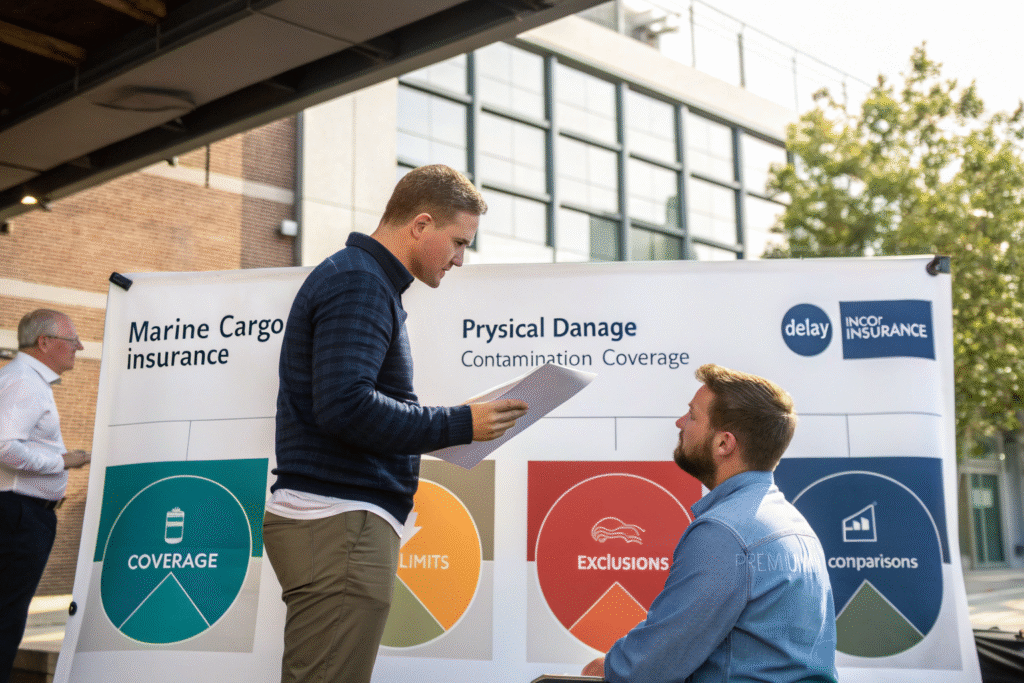
Marine cargo insurance forms the foundation of fabric shipment protection, but its application to textiles requires careful customization. Standard Institute Cargo Clauses (A, B, or C) provide varying levels of coverage, with Clause A offering the broadest "all risks" protection. However, even Clause A contains exclusions particularly relevant to fabrics, including inherent vice (natural deterioration), improper packaging, and delay.
The key considerations for marine coverage include:
- Valuation Method: Actual cash value vs. agreed value policies
- Deductible Structures: Per-occurrence vs. annual aggregate
- Geographic Limitations: War risk zones and sanctioned territories
- Mode-specific Endorsements: Air, sea, and multimodal variations
- Fabric-specific Exclusions: Special conditions for sensitive textiles
- Claims Process Requirements: Surveyor appointments and documentation
What specialized riders address fabric-specific risks?
Standard marine policies require specific endorsements to address unique textile vulnerabilities. The most critical riders for fabric shipments include temperature excursion coverage (for climate-sensitive fabrics), contamination insurance (protecting against odor or chemical exposure), and fade protection (for color-sensitive textiles). These specialized coverages typically add 15-30% to base premiums but can prevent total loss scenarios.
Essential fabric-specific riders include:
- Refrigeration Breakdown: Critical for certain coatings and finishes
- Freshwater Damage: Beyond standard seawater coverage
- Theft of Partial Shipments: Common for high-value fabrics
- Rejection Insurance: Covers costs if shipments fail import compliance
- Surveyor Fees: Pre-funds required inspection costs
- Debris Removal: Addresses cleanup after incidents
How do you calculate proper coverage amounts?
Underinsuring fabric shipments represents one of the most common and costly mistakes in textile logistics. The standard practice of insuring at 110% of commercial invoice value often leaves significant gaps because it doesn’t account for ancillary costs and market value fluctuations. Our claims data shows that underinsured clients recover only 60-75% of their actual financial losses on average.
Proper valuation must encompass the total economic value at risk, not just the purchase price. This includes freight costs, import duties, pre-production processing costs, and the profit margin embedded in finished products. For seasonal fabrics, the time-value dimension becomes particularly critical—fabrics intended for holiday collections lose significant value if delayed beyond November.

What components belong in total insured value?
A comprehensive insured value calculation builds on multiple cost layers beyond the simple fabric purchase price. The most frequently overlooked elements include capitalized development costs (for custom fabrics), quota costs (where applicable), and the value-added from pre-shipment processing like special finishing or quality testing. One client discovered they’d been underinsuring by 40% by missing these embedded costs.
The complete valuation includes:
- Purchase Price: Base fabric cost from manufacturer
- Freight and Logistics: Transportation to final destination
- Insurance Premiums: The cost of coverage itself
- Duties and Taxes: Import charges and value-added taxes
- Development Costs: Amortized R&D for custom textiles
- Pre-shipment Processing: Value-added services before dispatch
- Profit Margin: Lost profit on intended sales
How does seasonality impact valuation?
Seasonal fabrics experience significant value degradation based on delivery timing, requiring specialized valuation approaches. A Christmas-themed fabric delivered in December might have 100% value, but the same fabric arriving in January could be worth only 30-40% of its original value. This seasonality factor necessitates either specialized seasonal coverage or careful valuation timing in standard policies.
Seasonal considerations include:
- Peak Value Periods: Alignment with manufacturing cycles
- Value Decay Curves: Monthly depreciation schedules
- Alternative Market Values: Secondary market potential
- Storage Cost Liability: Carrying costs until next season
- Product Lifecycle Alignment: Fashion versus basic fabrics
- Cancelation Clause Impacts: Customer right to refuse late delivery
What documentation strengthens insurance claims?
The claims process success hinges entirely on documentation quality and completeness. Insurers routinely deny or reduce claims based on documentation gaps, with packaging adequacy being the most common dispute area. Our analysis shows that well-documented claims settle 3-4 weeks faster and achieve 15-20% higher recovery rates than poorly documented ones.
The documentation timeline begins before shipment loading and continues through final delivery. Modern best practices include video documentation of loading processes, pre-shipment inspection reports, and continuous temperature monitoring for sensitive fabrics. This proactive evidence collection transforms subjective disputes into objective claim assessments.

What evidence proves proper packing and handling?
Packaging adequacy represents the most frequent basis for claim disputes, making pre-shipment documentation particularly critical. The evidence chain should include photos of packing processes, material specifications for protective packaging, and industry standard compliance certificates. For high-value fabrics, we recommend independent surveyor reports confirming packing adequacy before shipment departure.
Essential packaging evidence includes:
- Pre-shipment Photos: Sequential packing process documentation
- Material Specifications: Packaging material quality verification
- Industry Standards: Compliance with ISTA or other testing standards
- Climate Control Records: Pre-shipment environment monitoring
- Handling Instructions: Clear markings and special instructions
- Surveyor Reports: Independent pre-loading verification
How do you document pre-existing condition?
Establishing the fabric’s condition before shipment departure prevents insurers from attributing pre-existing damage to transit incidents. The gold standard involves third-party inspection reports with detailed photographs of random rolls from the shipment. Video documentation of loading operations provides additional evidence of shipment condition at transfer points.
Pre-shipment condition documentation should include:
- Third-party Inspection Reports: Independent condition verification
- Time-stamped Photos: High-resolution images from multiple angles
- Video Documentation: Continuous loading and sealing footage
- Sample Retention: Physical samples from the shipment lot
- Quality Certificates: Mill test reports and compliance documents
- Moisture Content Records: For humidity-sensitive natural fibers
How can you reduce insurance premiums?
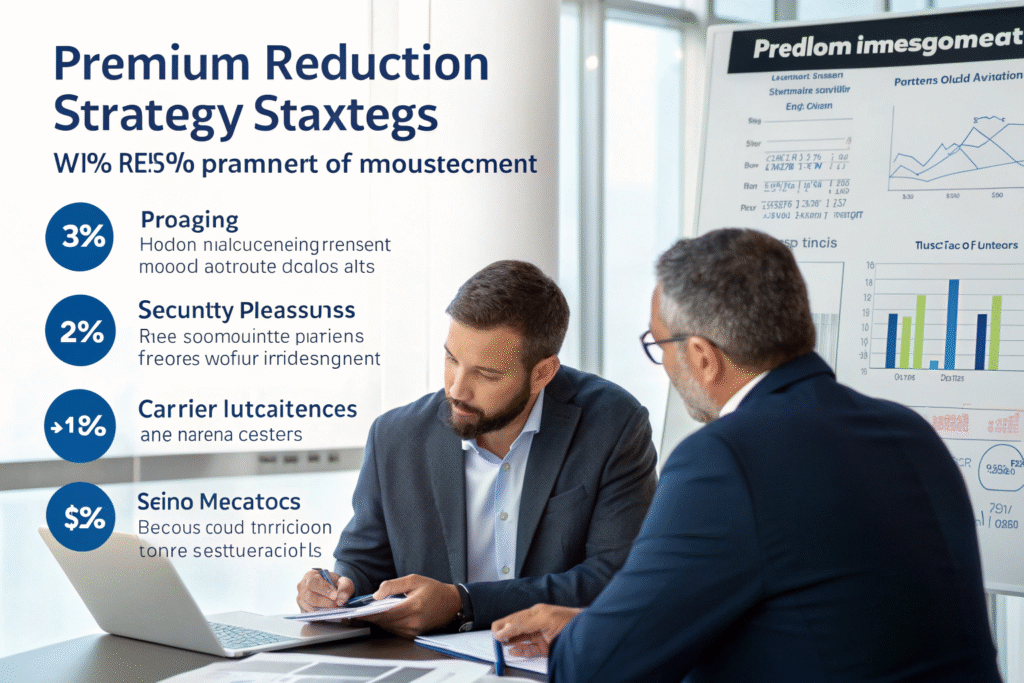
Insurance premiums for fabric shipments typically range 0.3-0.8% of insured value, but strategic risk reduction can lower these costs significantly. The most effective approach combines loss prevention measures, policy structuring optimizations, and market timing. Our clients implementing comprehensive risk management programs typically achieve 25-40% premium reductions over three years through improved loss experience.
Premium optimization requires understanding insurer rating factors, which include claims history, packaging standards, transportation modes, and geographic routes. Demonstrating superior risk management through certifications, partner vetting, and tracking technology can justify significant premium discounts from risk-aware insurers.
What risk mitigation measures lower premiums?
Insurers offer premium credits for demonstrable risk reduction measures that decrease both frequency and severity of potential claims. The most impactful measures include implementing GPS tracking with temperature/humidity monitoring, using certified packaging materials, and selecting carriers with superior safety records. These measures typically require upfront investment but deliver compelling returns through premium reduction and loss avoidance.
Premium-reducing measures include:
- Tracking Technology: Real-time location and condition monitoring
- Certified Packaging: ISTA-tested packaging systems
- Carrier Selection: Partners with low damage ratios
- Security Protocols: Tamper-evident seals and supervised loading
- Weather Routing: Avoidance of severe weather regions
- Warehouse Selection: Certified storage facilities
How does policy structuring affect costs?
Policy structure optimization represents the most overlooked premium reduction opportunity. Strategies like increasing deductibles for frequent small claims, implementing annual aggregate deductibles, and bundling shipments under blanket policies can reduce premiums by 15-30% without significantly increasing risk exposure. The key is aligning policy structure with your specific risk tolerance and cash flow capabilities.
Cost-effective structuring options include:
- Deductible Optimization: Balancing premium savings against risk retention
- Blanket Policies: Annual coverage for multiple shipments
- Group Purchasing: Leveraging volume through associations
- Captive Insurance: Self-insurance for predictable losses
- Policy Layering: Separate coverage for different risk types
- Payment Plans: Spreading premium costs across the year
Conclusion
Comprehensive fabric shipment insurance requires moving beyond standard cargo coverage to address the unique vulnerabilities of textile transportation. The most effective programs combine traditional physical damage protection with specialized coverage for delay, quality deterioration, and business interruption. Success hinges on accurate valuation, meticulous documentation, and strategic risk mitigation that both protects against losses and reduces insurance costs over time.
The evolving global logistics landscape—with its increasing congestion, climate volatility, and supply chain fragility—makes robust insurance protection more valuable than ever. By treating insurance as a strategic component rather than a compliance necessity, companies can transform their approach from reactive claim filing to proactive risk management that protects both physical assets and production timelines.
If you’re evaluating your fabric shipment insurance strategy, our risk management team can provide a complementary coverage assessment based on your specific supply chain and fabric characteristics. We help clients identify coverage gaps, optimize premium structures, and implement documentation systems that strengthen claim positions. Contact our Business Director, Elaine, at elaine@fumaoclothing.com to schedule your insurance review.