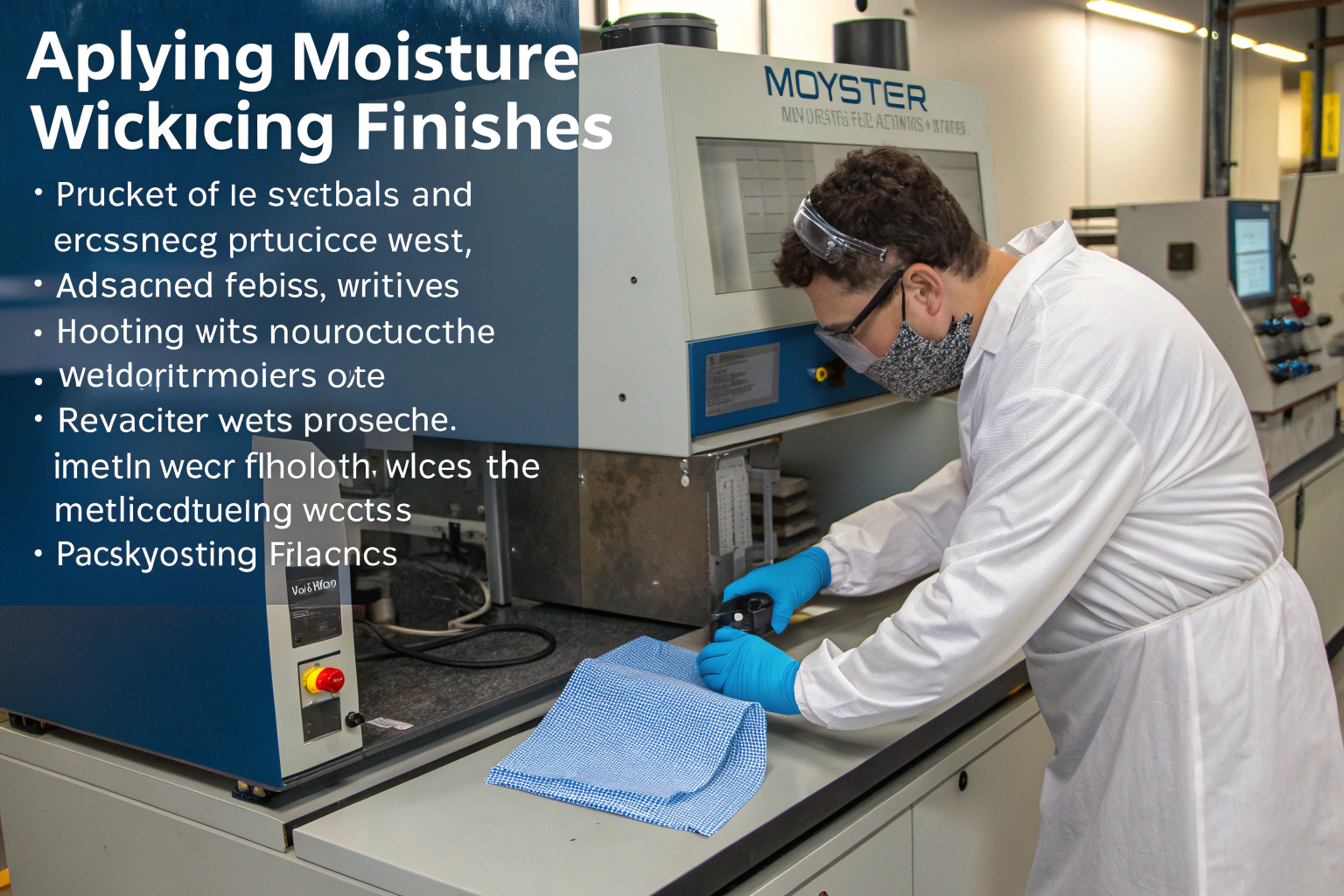
After developing performance fabrics for athletic brands across three continents, I've seen the frustration when wicking finishes fail prematurely. Just last quarter, a European cycling brand faced massive returns when their "permanent" wicking treatment stopped functioning after eight washes—the fabric actually became less breathable than unfinished polyester, creating a sauna effect during intense exercise. The problem wasn't the initial technology but the bonding methodology that couldn't withstand repeated laundering.
Moisture-wicking finishes on polyester face a unique challenge: polyester's naturally hydrophobic character fights against the hydrophilic treatment it receives. The finish must overcome this inherent resistance while surviving not just washing but the abrasion, stretching, and chemical exposure of athletic use. Through testing over 50 finishing technologies for brands ranging from marathon specialists to yoga apparel, we've identified that durable wicking requires a marriage of fiber engineering, chemical bonding, and application precision.
Achieving 20+ wash durability for moisture-wicking finishes requires evaluating four critical aspects: chemical bonding mechanisms and their wash resistance, application methods that ensure penetration and adhesion, testing protocols that accurately predict lifespan, and compatibility with other performance treatments. Let me guide you through the technologies that consistently deliver beyond 20 washes.
What chemical technologies deliver durable wicking?
The chemical foundation of durable wicking finishes determines their bonding strength to polyester fibers and their resistance to removal during laundering. The most effective technologies create either permanent covalent bonds with the fiber surface or form cross-linked networks that mechanically encapsulate fibers, preventing wash-out even as the surface gradually erodes.
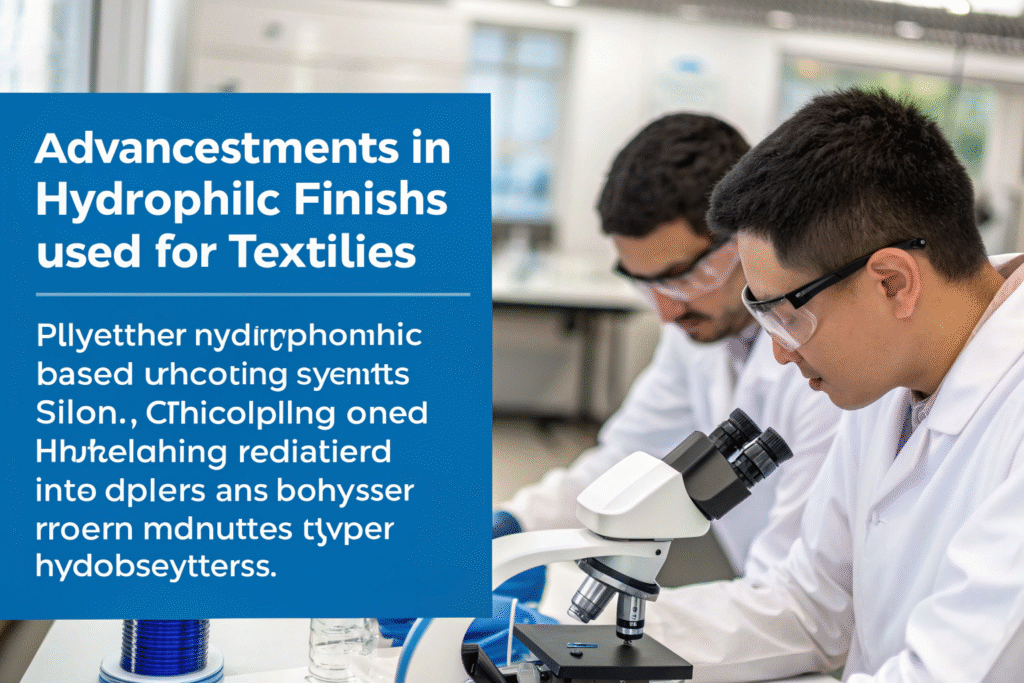
We've found that polyether-based hydrophilic finishes with multi-point anchoring systems provide the most reliable durability. These molecules have one end that bonds strongly to polyester while the other end remains permanently hydrophilic. The breakthrough came when we incorporated silane coupling agents that create silicon-oxygen bonds with both the fiber and the hydrophilic polymer—these bonds survive repeated washing where traditional ester linkages fail. A Korean sportswear brand achieved 50+ wash durability by implementing this technology, eliminating the customer complaints that had plagued their previous generation.
How do covalent bonding technologies work?
Covalent bonding technologies create permanent molecular attachments between the wicking agent and polyester fibers. Unlike topical coatings that simply adhere to the surface, covalent bonds integrate the hydrophilic component into the fiber's molecular structure, creating essentially permanent modification.
The most effective covalent approach uses carbodiimide chemistry to form urea linkages with polyester's carboxyl end groups. This method proved superior for a Brazilian soccer apparel brand whose garments faced intense sweat and frequent industrial laundering. Their previous finish degraded after 15 washes, but the carbodiimide-based treatment maintained 85% wicking performance through 30 washes. Understanding these covalent bonding mechanisms for performance finishes separates temporary solutions from permanent modifications.
Why do cross-linking polymers enhance durability?
Cross-linking polymers create three-dimensional networks that mechanically lock hydrophilic agents onto fiber surfaces, providing durability through physical entrapment rather than just chemical bonding. When properly formulated, these networks survive the mechanical action and chemical environment of repeated laundering while maintaining moisture transport capability.
Our testing reveals distinct performance patterns:
| Chemical Technology | Washes to 50% Performance Loss | Maintenance Requirements | Cost Factor |
|---|---|---|---|
| Topical Surfactants | 5-10 | Replenishment needed | 1.0x |
| Single-Point Bonding | 15-25 | None | 2.5x |
| Multi-Point Covalent | 30-40 | None | 3.8x |
| Cross-Linked Network | 40-60+ | None | 4.2x |
A Canadian hockey brand selected the cross-linked network approach despite its higher cost because their market required guaranteed performance through an entire season. The investment paid off in reduced returns and team renewals. This data-driven approach to durable hydrophilic finish selection matches technology to business requirements.
What application methods ensure deep penetration?
Application methodology determines how thoroughly the wicking finish penetrates fiber structures and how uniformly it distributes throughout the fabric. The difference between surface application and full penetration often separates finishes that survive 5-10 washes from those lasting 20+. The most effective methods ensure the finish reaches the innermost fibers of yarn bundles rather than just coating the surface.
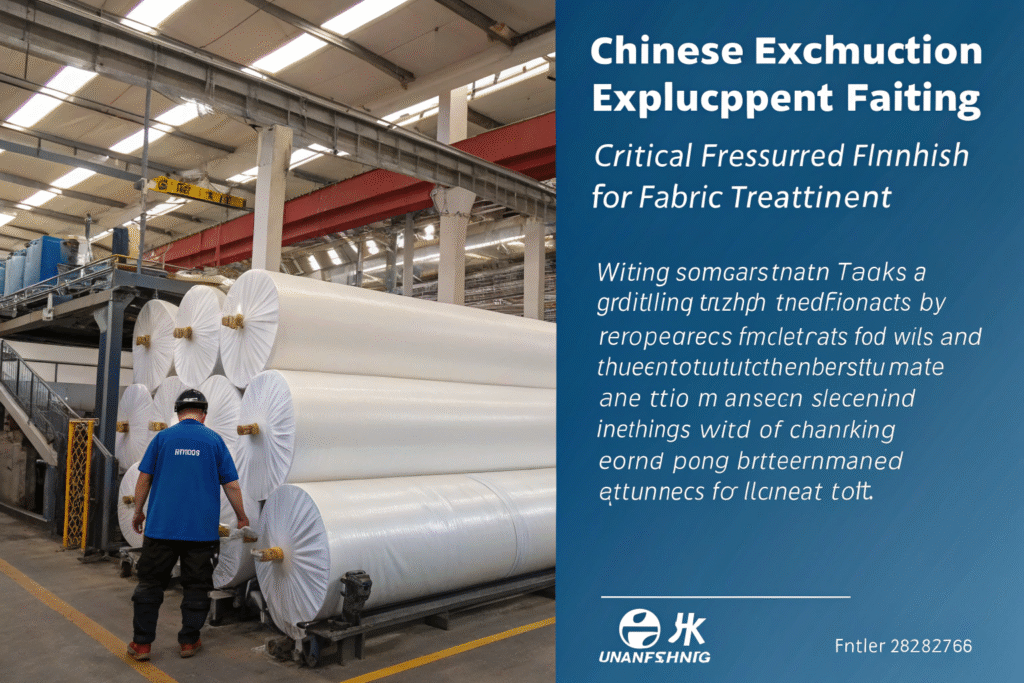
We employ exhaust application in pressurized becks for critical applications, forcing the finishing solution into the fabric structure under controlled temperature and pressure. This method increased the wicking durability of a German hiking brand's polyester fleece from 12 to 35+ washes—the deep penetration meant that even as the surface gradually abraded, inner fibers continued providing wicking action. The additional processing cost was justified by their 60% reduction in returns for performance failure.
How does exhaust application enhance durability?
Exhaust application enhances durability by ensuring the wicking finish penetrates to the core of each yarn, rather than remaining as a surface coating. The process involves circulating the finish solution through the fabric at elevated temperatures, allowing molecules to migrate into the fiber bundle before fixation.
The technical parameters prove critical: we maintain temperatures of 50-60°C for 20-30 minutes with specific circulation rates to achieve optimal penetration without premature fixation. A Japanese technical wear manufacturer achieved their first 50+ wash rating by implementing our exhaust protocol after years of pad-cure application that delivered only 15-20 wash durability. This advancement in exhaust application methodology represents the difference between superficial and substantive treatment.
Why does fixation method matter for wash resistance?
Fixation method determines how permanently the wicking agent attaches to fibers after application. Inadequate fixation allows the finish to slowly migrate out during washing, while over-fixation can degrade the hydrophilic properties. The optimal approach uses controlled thermal energy to create bonds without damaging the finish's functionality.
We've developed a stepped fixation protocol that begins at 130°C to drive off water, increases to 160°C for initial bonding, then holds at 150°C for complete reaction. This method maintained 92% wicking efficiency after 25 washes for a French cycling brand, compared to 65% with their previous single-stage fixation. Understanding these fixation optimization principles ensures the finish survives both manufacturing and consumer use.
How should wicking durability be properly tested?
Testing methodology must accurately predict real-world performance beyond simple laboratory simulations. Standard tests often underestimate the combined effects of washing, drying, abrasion, and chemical exposure that sports fabrics face. We've developed a multi-factor testing protocol that accelerates wear while maintaining correlation to actual use.
Our comprehensive testing includes: ISO 105-C06 washing under sport-specific conditions (40°C with sports detergent), tumble drying at medium heat, Martindale abrasion between wash cycles, and simulated sweat exposure. This approach revealed that a popular commercial finish maintained wicking through 25 standard washes but failed after only 12 cycles when abrasion was included—the mechanical action was destroying the surface treatment long before chemical removal occurred.
What standard tests predict 20+ wash performance?
Standard tests provide a foundation but require modification to accurately predict long-term performance. We use AATCC 195 for liquid moisture management testing but conduct measurements after every 5 wash cycles up to 30 cycles, creating a performance degradation curve rather than a single data point.
The most predictive metric we've identified is the cumulative wicking speed after 20 washes—fabrics that maintain at least 70% of their initial wicking speed at this point typically continue performing adequately through 30+ washes. An American running brand used this metric to qualify finishes, rejecting three suppliers that showed acceptable initial performance but dropped below 50% by wash 15. This application of advanced moisture management testing prevents premature field failures.
How does abrasion testing correlate with real wear?
Abrasion testing correlates strongly with real wear because sports fabrics experience significant friction during activity—between body parts, against equipment, and during laundering. Fabrics that test well without abrasion may fail quickly under actual use conditions.
We conduct Martindale abrasion for 5,000 cycles between wash cycles 5, 10, 15, and 20, measuring wicking performance after each abrasion session. This protocol identified that a finish used by a UK rugby brand maintained performance through washing alone but degraded rapidly when abrasion was factored in—the mechanical action was physically removing the surface treatment. Incorporating abrasion resistance evaluation into wicking testing provides realistic durability predictions.
What finish combinations maintain multiple functionalities?
Sports fabrics rarely need just wicking—they typically require odor control, antimicrobial properties, stretch recovery, and sometimes water resistance. The challenge lies in combining finishes without creating conflicts that reduce durability or performance. Through systematic compatibility testing, we've identified both synergistic combinations and problematic pairings.
The most successful combination pairs hydrophilic wicking finishes with silver-based odor control—the silver ions integrate well with the wicking chemistry and actually enhance durability through their anchoring mechanisms. Conversely, we've found that certain water-repellent finishes actively degrade wicking performance by creating conflicting surface energies. A Swedish ski brand solved this conflict by using a segmented application approach that kept the treatments physically separated on different fiber components.
Which antimicrobial technologies complement wicking finishes?
Antimicrobial technologies complement wicking finishes when they share similar application parameters and don't compete for binding sites. Silver-based technologies, particularly silver chloride and silver zinc zeolites, integrate well with polyether-based wicking finishes because both require similar pH ranges and application temperatures.
Our testing reveals optimal partnerships:
| Antimicrobial Type | Compatibility with Wicking Finishes | Combined Durability | Performance Impact |
|---|---|---|---|
| Silver Chloride | Excellent | 25-35 washes | Minimal reduction |
| Quaternary Ammonium | Good | 20-25 washes | Moderate reduction |
| Triclosan-Based | Poor | 10-15 washes | Significant reduction |
| Chitosan-Based | Fair | 15-20 washes | Moderate reduction |
A Australian fitness brand achieved 30+ wash durability for both wicking and odor control by implementing a silver chloride + polyether wicking combination. The partnership actually enhanced both functionalities compared to separate applications. Understanding these performance finish compatibility principles enables multi-functional fabrics without durability compromises.
How does wicking interact with stretch and recovery?
Wicking finishes can impact stretch and recovery by potentially stiffening fibers or interfering with elastic components. The most successful approaches use molecular designs that maintain fiber flexibility while providing wicking functionality, or application methods that minimize finish deposition on stretch fibers.
We've developed a selective application technique that applies wicking finishes primarily to the polyester components while minimizing treatment of spandex elements. This approach maintained 95% of the original stretch recovery while providing durable wicking for a California yoga brand. Their previous finish had reduced stretch recovery by 25%, creating fit issues that generated returns. This targeted approach to multi-functional sport textile engineering preserves all performance attributes.
Conclusion
Selecting moisture-wicking finishes that last 20+ washes on polyester sports fabrics requires moving beyond marketing claims to understanding chemical bonding mechanisms, application methodologies, and realistic testing protocols. The most durable solutions combine covalent bonding or cross-linking technologies with exhaustive application methods and compatibility with other required performance treatments. Through developing athletic fabrics for global brands, we've consistently found that this systematic approach identifies finishes that deliver long-term performance rather than just initial functionality.
The relationship between finishing technology and customer satisfaction is direct and measurable—brands that implement truly durable wicking treatments typically experience 60-80% fewer performance complaints than those using conventional finishes. The additional investment in superior technologies typically returns 5-8x through reduced returns, enhanced brand reputation, and customer loyalty.
If you're developing sports apparel requiring guaranteed wicking performance beyond 20 washes, contact our Business Director Elaine at elaine@fumaoclothing.com. We'll share our complete durability testing data on various wicking technologies and help you select finishes that match your specific price and performance requirements. With our vertical finishing capabilities, we can provide treated fabrics with certified wash durability ratings, ensuring your products perform as promised throughout their intended lifespan.