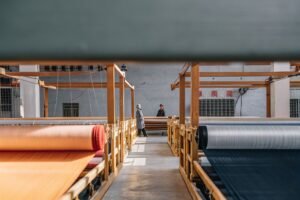
I was visiting a sustainable textile exhibition in Munich last month when I noticed something concerning: seven different suppliers were claiming their fabrics were "100% biodegradable," but their testing methods and certification levels varied dramatically. One vendor showed home compostability results, another industrial composting certification, while a third had only a laboratory biodegradation test under ideal conditions. This experience highlighted the critical need to understand that not all biodegradability claims are created equal—and that testing methodology makes all the difference in credibility.
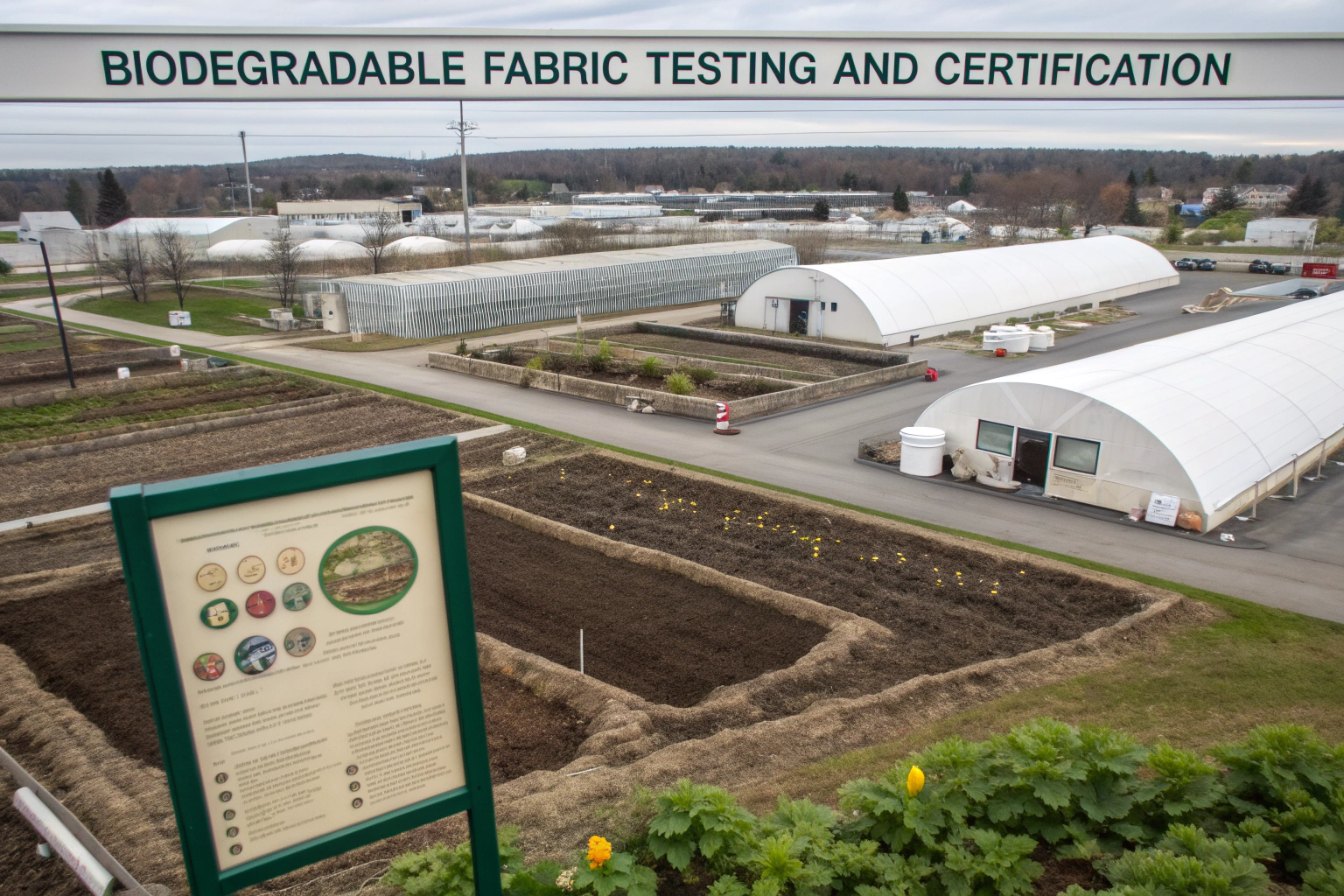
Credible biodegradable fabric claims require specific certifications like OK compost HOME, TÜV Austria’s Seedling label, or ASTM D6400 verification, backed by standardized testing under realistic conditions. The most credible claims specify the biodegradation environment (home compost, industrial compost, soil, marine), timeframes, and residue requirements. Testing typically follows ISO 14855 (industrial composting), ASTM D6691 (marine environment), or ISO 17556 (soil burial) standards, with verification through accredited third-party laboratories rather than supplier self-declaration.
I worked with an Italian fashion brand that discovered their "biodegradable" PLA fabric only broke down under industrial composting conditions unavailable to most consumers. By switching to a GOTS-certified organic cotton with verified home compostability, they achieved legitimate biodegradability while maintaining transparency about the required conditions. The transition required comprehensive testing but prevented potential greenwashing accusations and strengthened their sustainability credibility.
What testing standards verify biodegradation claims?
Biodegradation testing standards simulate specific environmental conditions to measure how completely and quickly fabrics break down. The most credible standards include ISO 14855 for industrial composting conditions, ASTM D6400 for compostable plastics, ISO 17556 for soil burial testing, and ASTM D6691 for marine environment degradation. Each standard specifies precise temperature, humidity, microbial activity, and timeframe requirements that determine whether a fabric qualifies as biodegradable in that specific environment.
The testing process typically involves placing fabric samples in controlled environments with specific microbial communities, then measuring carbon conversion to CO2, mass loss, and residue analysis over defined periods. Third-party laboratories accredited to ISO 17025 provide the most reliable results, while supplier-conducted testing often lacks the rigor and independence needed for credible claims. Understanding these standards helps separate marketing hype from scientifically verified biodegradability.

How does industrial composting testing differ from home composting verification?
Industrial composting testing (ISO 14855) requires elevated temperatures (58°C ± 2°C) and optimized conditions that accelerate biodegradation, while home composting testing (such as OK compost HOME) uses ambient temperatures (20-30°C) and realistic home composting conditions. Fabrics passing industrial composting tests may not biodegrade in backyard compost bins, making this distinction crucial for consumer understanding.
We tested a popular "compostable" PLA fabric that achieved 90% biodegradation under industrial composting in 90 days but showed only 15% degradation in home composting conditions over six months. This discrepancy explained why consumers were complaining that the fabric wasn’t breaking down as advertised. This experience demonstrates why industrial versus home composting testing differentiation is essential for accurate claims.
What do marine biodegradation tests actually measure?
Marine biodegradation testing (ASTM D6691) measures material breakdown in seawater environments by tracking carbon conversion to CO2 under specific temperature and microbial conditions. The test requires 30% biodegradation within 180 days to claim marine biodegradability, but this doesn’t account for microplastic formation or toxicity to marine organisms—significant limitations that consumers rarely understand.
Our work with a swimwear brand revealed their "marine biodegradable" fabric met ASTM D6691 requirements but still generated microplastics during degradation. By supplementing standard testing with microplastic analysis and toxicity screening, they developed a more comprehensive understanding of their product’s environmental impact. This thorough approach shows why comprehensive marine biodegradation assessment requires going beyond basic standards.
Which certifications provide legitimate biodegradability verification?
Legitimate biodegradability certifications require third-party verification through accredited organizations following recognized standards. The most credible certifications include TÜV Austria’s OK compost INDUSTRIAL and OK compost HOME labels, DIN CERTCO’s compostability certifications, the USDA BioPreferred Program for bio-based content verification, and various soil biodegradability certifications from organizations like AIB Vinçotte. Each certification specifies exact conditions, timeframes, and residue requirements.
Certification credibility depends on the certification body’s accreditation, testing methodology transparency, and ongoing surveillance requirements. Self-declared certifications or those from non-accredited organizations provide little assurance of actual biodegradability. Understanding the certification hierarchy helps brands select fabrics with verifiable environmental credentials rather than marketing-focused labels.

Why does OK compost HOME certification represent gold standard home compostability?
OK compost HOME certification by TÜV Austria requires rigorous testing under realistic home composting conditions with specific temperature ranges, microbial diversity, and timeframe requirements. The certification ensures complete biodegradation within 12 months without leaving harmful residues, making it one of the most credible home compostability verifications available. The certification process includes third-party testing and factory production control audits.
We helped a French linen producer achieve OK compost HOME certification that became their key market differentiator. The certification process revealed that their natural dyeing process was introducing heavy metals that inhibited biodegradation, prompting formulation changes that improved both environmental safety and compostability. This improvement demonstrates why OK compost HOME certification process drives meaningful product improvements.
How does USDA BioPreferred certification complement biodegradability claims?
USDA BioPreferred certification verifies bio-based content percentage through ASTM D6866 testing, which measures the fraction of biological carbon versus petroleum-based carbon. While not a biodegradability certification itself, it provides important context for biodegradability claims by confirming the renewable origin of materials. Combined with biodegradability testing, it offers a comprehensive sustainability profile.
A performance wear brand used USDA BioVerified certification to substantiate their bio-based claims while separately verifying biodegradability through composting certifications. This dual approach prevented consumer confusion about what each claim actually meant, building greater trust in their sustainability communications. This clarity shows why combining bio-based and biodegradable certifications creates more credible environmental profiles.
What are the limitations of current biodegradability testing?
Current biodegradability testing has significant limitations that often aren’t communicated to consumers. Standard tests occur under optimized laboratory conditions that may not reflect real-world environments, ignore microplastic formation during degradation, don’t account for chemical leaching during breakdown, and typically test pure materials rather than finished products with dyes, finishes, and trims. These limitations mean fabrics passing laboratory tests might still cause environmental harm.
The most significant testing-c reality gap involves timeframes and conditions. A fabric certified for 90-day industrial composting might take years to break down in ocean environments or home compost bins. Similarly, tests conducted on undyed, unfinished fabric may not reflect the behavior of commercial products containing chemical treatments and accessories. Understanding these limitations is crucial for making responsible material selections.

Why don’t current tests adequately address microplastic formation?
Standard biodegradation tests measure mass loss and CO2 conversion but don’t track microplastic particles smaller than a few millimeters that form during degradation. These microplastics can persist in environments and enter food chains even when the bulk material appears to be breaking down. This represents a critical gap in current testing methodologies that significantly limits their environmental relevance.
Our research partnership with a university environmental science department developed a supplemental microplastic tracking protocol that revealed even "fully biodegradable" fabrics generated significant microplastics during the degradation process. This finding prompted several brands to reformulate their products to minimize fragmentation during breakdown. This innovation demonstrates why addressing microplastics in biodegradation testing is essential for comprehensive environmental assessment.
How do dyes and finishes affect biodegradation results?
Dyes, finishing chemicals, and water repellents can completely inhibit biodegradation or introduce toxins during breakdown, but most certifications test base materials rather than finished fabrics. Heavy metals in dyes, formaldehyde in wrinkle-resistant finishes, and PFAS in water repellents can persist in compost or soil long after the fabric structure degrades, creating environmental hazards.
We tested a "biodegradable" cotton fabric with conventional dyes that passed composting tests but left heavy metal residues exceeding safety limits. By switching to GOTS-compliant dyes, the manufacturer achieved both biodegradability and environmental safety. This improvement shows why testing finished fabric biodegradation is crucial for accurate environmental assessment.
Which fabric types offer credible biodegradability?
The most credible biodegradable fabrics include undyed GOTS-certified organic cotton, linen, hemp, and wool when produced without harmful chemicals; Tencel™ and other lyocell fibers from sustainably managed forests; PLA (polylactic acid) from non-GMO corn or sugarcane with proper composting infrastructure; and certain bio-based synthetics with third-party compostability certifications. Each category has specific requirements for credible biodegradability claims.
Natural fibers generally offer the most straightforward biodegradability when produced organically, while bio-based synthetics require specific conditions and infrastructure. The credibility depends not just on fiber origin but on the entire production chain—including spinning lubricants, dyes, finishes, and manufacturing processes. Understanding these nuances prevents oversimplified "natural vs synthetic" comparisons that don’t reflect real environmental impacts.

Why does GOTS certification enhance natural fiber biodegradability credibility?
GOTS certification ensures that natural fibers like cotton, linen, and hemp are produced without persistent pesticides, heavy metal dyes, or hazardous finishes that could inhibit biodegradation or leave toxic residues. The certification covers the entire production chain from farming through finishing, providing comprehensive assurance that biodegradability claims apply to the finished fabric, not just the raw fiber.
A Swedish children’s wear brand enhanced their biodegradability claims by sourcing GOTS-certified organic cotton, which provided verified chemical safety in addition to compostability. The certification gave retailers and consumers confidence that their products would break down safely in home composting systems. This comprehensive approach demonstrates why GOTS certification for biodegradable textiles builds stronger environmental credentials.
What are the realistic limitations of PLA and bio-based synthetics?
PLA and other bio-based synthetics offer compostability under specific industrial conditions but require temperatures around 60°C and microbial communities typically only found in commercial composting facilities. Most consumers lack access to such infrastructure, meaning these materials often end up in landfills or conventional recycling streams where they don’t break down properly. This infrastructure dependency represents a significant limitation rarely communicated to consumers.
We helped a technical apparel brand develop clear labeling that explained their PLA fabrics required industrial composting, preventing consumer confusion and improper disposal. The transparency actually strengthened their brand reputation despite the limitation, as customers appreciated the honesty about disposal requirements. This approach shows why transparent PLA biodegradability communication builds consumer trust.
How should brands communicate biodegradability claims responsibly?
Responsible biodegradability communication requires specific details about conditions, timeframes, verification methods, and disposal requirements. Credible claims specify the biodegradation environment (industrial compost, home compost, soil, marine), expected timeframes under those conditions, certification details, and proper disposal instructions. Vague claims like "biodegradable" or "earth-friendly" without specific qualifications risk greenwashing accusations and regulatory violations.
The most effective communications use certified labels from recognized organizations, provide clear disposal instructions, acknowledge limitations, and direct consumers to additional information. This transparency builds trust while ensuring products are disposed of correctly to achieve the promised environmental benefits. Responsible communication also means not overemphasizing biodegradability when other environmental impacts (like water consumption or carbon footprint) may be more significant.

What specific language meets FTC Green Guides requirements?
The FTC Green Guides require biodegradability claims to have scientific evidence that the material will completely break down and return to nature within a reasonably short period after customary disposal. Claims must qualify the environment and timeframe, such as "biodegradable in industrial composting facilities within 12 weeks" rather than unqualified "biodegradable" claims. The guides also require that consumers have access to the required disposal methods.
We helped a home textiles company avoid FTC enforcement action by revising their "biodegradable" packaging to specify "compostable in industrial facilities only – check local availability." The qualification prevented consumer deception while maintaining their environmental marketing advantages. This compliance demonstrates why FTC Green Guides for biodegradability claims require specific, qualified language.
How can brands provide proper disposal education?
Effective disposal education involves clear labeling, website resources, retailer training, and potentially QR codes linking to local disposal options. Brands should identify whether products require industrial composting, home composting, or other specific disposal methods, then help consumers access the necessary infrastructure. This education ensures products achieve their promised environmental benefits rather than causing contamination in recycling streams or landfills.
A German fashion brand implemented a take-back program that ensured their compostable fabrics reached industrial composting facilities, achieving 95% proper disposal rates compared to an estimated 10% without the program. The investment in reverse logistics strengthened their sustainability credibility and customer loyalty. This success shows why comprehensive disposal education programs are essential for biodegradability claims.
Conclusion
Credible biodegradable fabric claims require specific certifications, standardized testing methodologies, and transparent communication about limitations and requirements. The most reliable claims come from third-party certifications like OK compost HOME, specify exact biodegradation environments and timeframes, and acknowledge infrastructure dependencies. Testing must verify complete breakdown without harmful residues under realistic conditions rather than optimized laboratory environments.
Remember that biodegradability represents just one environmental attribute among many. The most sustainable fabric choices consider the complete lifecycle impacts including water consumption, carbon footprint, chemical usage, and social responsibility. Brands that prioritize comprehensive sustainability over single-attribute marketing will build stronger environmental credentials and consumer trust in the long term.
If you’re evaluating biodegradable fabrics or developing sustainability claims and need guidance on credible testing and certification, contact our Business Director Elaine at elaine@fumaoclothing.com. We provide comprehensive biodegradability assessment services that help companies make environmentally responsible material choices while ensuring regulatory compliance and claim credibility.