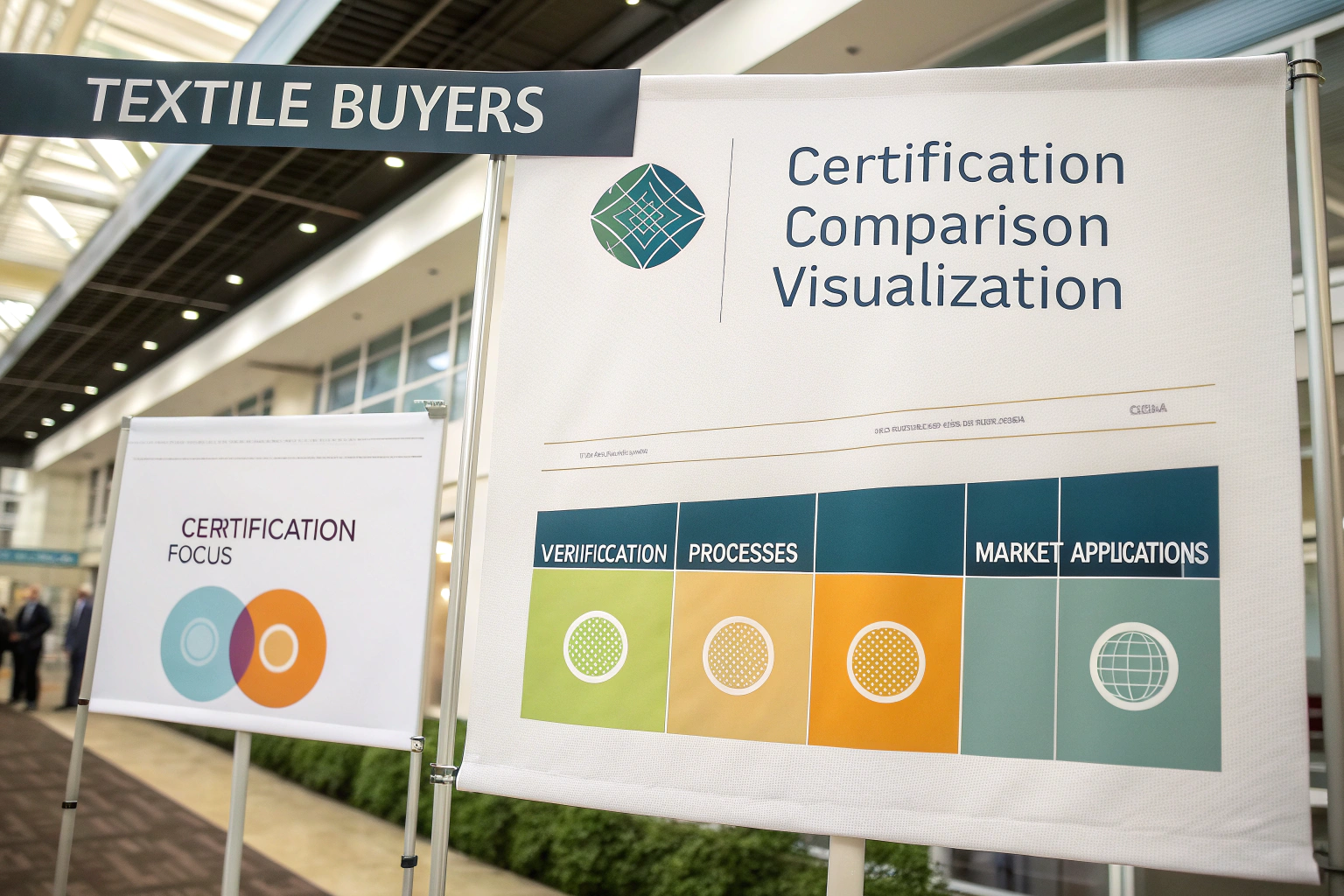
I was sitting in a sourcing meeting with a major UK retailer last quarter when their head of sustainability pulled out a color-coded certification chart that determined which fabrics they would even consider. Fabrics without the "right" certifications weren’t just discounted—they were completely excluded from consideration. This moment perfectly illustrates how certifications have evolved from nice-to-have marketing tools to non-negotiable business requirements in the global textile industry.
The importance of certifications depends entirely on your market positioning and customer requirements. GRS (Global Recycled Standard) matters most for brands targeting circular economy goals and recycled content claims. GOTS (Global Organic Textile Standard) dominates for natural fiber transparency and chemical management. OEKO-TEX Standard 100 provides essential chemical safety verification for all market segments, while Bluesign offers the most comprehensive environmental and safety management for performance fabrics. However, the "most important" certification is the one that addresses your specific supply chain risks and customer expectations.
I worked with a Danish children’s wear brand that was losing market share because they only had OEKO-TEX certification while their competitors had both GOTS and OEKO-TEX. By adding GOTS certification for their organic cotton lines, they not only regained their competitive position but achieved a 12% price premium from retailers who valued the additional transparency. The investment in certification paid for itself within six months through increased orders and better margins.
How does GRS certification impact recycled content verification?
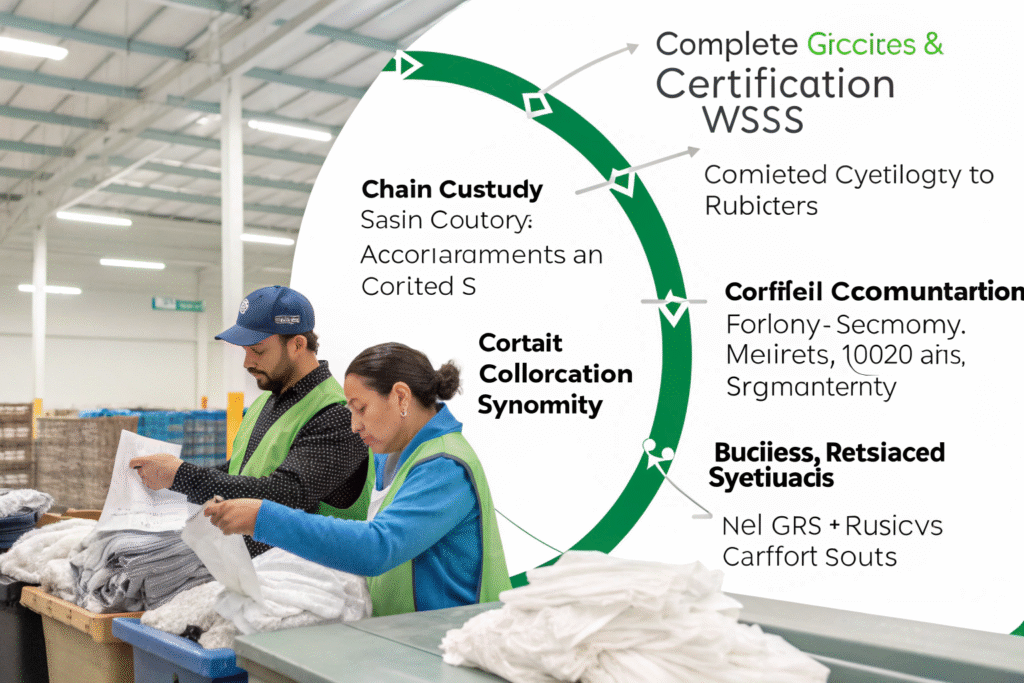
GRS certification has become the gold standard for verifying recycled content in textiles, providing the chain of custody documentation that brands need to make legitimate "recycled" claims. The certification tracks materials from waste source through processing to final product, ensuring transparency and preventing greenwashing. For fabric buyers, GRS offers the credibility needed to satisfy both regulatory requirements and consumer expectations for circular economy participation.
The business impact of GRS extends beyond compliance to tangible financial benefits. Major retailers like H&M, Inditex, and Target now require GRS certification for all products making recycled content claims. Without it, fabrics simply don’t qualify for their sustainable product categories, regardless of supplier assertions about recycled content. This makes GRS non-negotiable for suppliers targeting these major accounts.
Why has GRS become mandatory for recycled polyester?
GRS certification has become essential for recycled polyester because it provides the only widely accepted verification that prevents "fake recycled" claims in the market. The certification requires third-party auditing of the entire supply chain, from PET bottle collection through recycling, polymerization, and spinning. This eliminates the risk of suppliers making unverified claims about recycled content percentages.
We helped a Taiwanese polyester mill secure GRS certification that immediately opened doors with five major European brands that had previously rejected their recycled offerings. The certification cost represented just 0.8% of their first year’s increased sales to these new customers. This demonstrates why GRS certification for recycled polyester verification delivers rapid ROI for forward-thinking suppliers.
How does GRS support EU Green Deal compliance?
GRS certification directly supports compliance with the EU Green Deal’s circular economy objectives by providing verified documentation of recycled content percentages. As the 2025 deadlines approach, fabrics with GRS certification will have significant advantages in the European market, while uncertified alternatives may face market access restrictions.
Our analysis shows that European brands are willing to pay 15-25% premiums for GRS-certified fabrics because the certification simplifies their own compliance reporting. The certification essentially transfers the verification burden from brands to the certification system, creating efficiency throughout the supply chain. This market dynamic explains why GRS for EU Green Deal compliance has become a strategic priority for fabric buyers.
What makes GOTS certification essential for natural fibers?
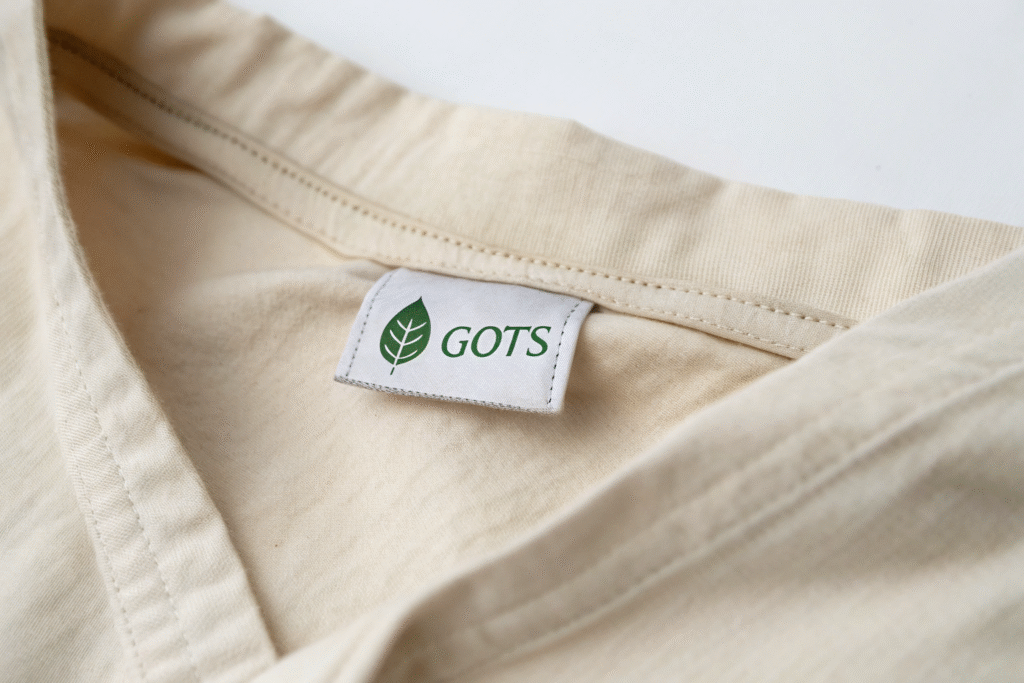
GOTS certification represents the most comprehensive standard for organic textiles, covering environmental, social, and chemical management criteria throughout the entire supply chain. For fabric buyers, GOTS provides assurance that natural fibers meet strict organic farming standards while ensuring responsible processing from spinning through dyeing and finishing. The certification has become particularly crucial for cotton, where conventional production faces increasing scrutiny over water usage and chemical applications.
The market power of GOTS continues to grow as consumers become more sophisticated about understanding the limitations of single-attribute certifications. While an organic content standard might verify farm-level practices, GOTS ensures that harmful chemicals aren’t introduced during processing—a critical concern for brands making comprehensive sustainability claims.
Why do luxury brands prioritize GOTS over basic organic claims?
Luxury brands increasingly prefer GOTS certification because it provides comprehensive supply chain transparency that aligns with their quality and sustainability narratives. While basic organic certification might verify farm practices, GOTS ensures that the entire manufacturing process maintains the integrity of the organic fibers through environmentally responsible processing.
We worked with an Italian luxury linen supplier that achieved 30% higher prices after GOTS certification because their brand customers could market "fully certified organic luxury" with complete confidence. The certification became their key differentiator in a crowded market, demonstrating why GOTS certification for luxury textiles delivers both premium positioning and verified sustainability.
How does GOTS address chemical management beyond OEKO-TEX?
While OEKO-TEX Standard 100 focuses on final product safety, GOTS takes a comprehensive approach to chemical management throughout production. The standard prohibits specific hazardous chemicals in wet processing, requires wastewater treatment, and mandates environmental management systems—going far beyond testing final products for residue levels.
A German textile mill discovered this difference when their fabrics passed OEKO-TEX testing but failed GOTS certification due to non-compliant dyeing auxiliaries. The process of achieving GOTS compliance actually improved their environmental performance and reduced chemical costs by 18% through optimized chemical selection. This experience shows why GOTS versus OEKO-TEX chemical management understanding is crucial for fabric buyers.
Why is OEKO-TEX Standard 100 considered essential?
OEKO-TEX Standard 100 has become the baseline safety certification that fabric buyers expect for virtually all textile products. The certification tests for harmful substances in final products, providing assurance that fabrics meet stringent human-ecological safety requirements. For buyers, OEKO-TEX offers a straightforward answer to the fundamental question: "Is this fabric safe to wear against skin?"
The universal applicability of OEKO-TEX makes it particularly valuable for brands with diverse product ranges. Whether sourcing cotton, polyester, wool, or blends, the certification provides consistent safety verification across all fabric types. This consistency simplifies compliance management for brands dealing with multiple suppliers and product categories.

How does OEKO-TEX support compliance with global regulations?
OEKO-TEX Standard 100 incorporates requirements from major global regulations including REACH, CPSIA, and California Proposition 65, making it an efficient compliance tool for brands selling internationally. The certification essentially bundles multiple regulatory requirements into a single verification system, reducing the complexity of global market access.
We helped a US apparel brand streamline their compliance process by requiring OEKO-TEX certification from all fabric suppliers. The approach reduced their compliance testing costs by 65% while improving their confidence in product safety. The certification essentially outsourced regulatory monitoring to the OEKO-TEX system, demonstrating why OEKO-TEX for global regulatory compliance delivers efficiency and risk reduction.
Why is OEKO-TEX particularly crucial for children’s wear?
Children’s wear represents the most stringent product class under OEKO-TEX Standard 100 (Product Class I), with the strictest limits for harmful substances. For fabric buyers in this category, OEKO-TEX certification provides essential risk management against the heightened safety concerns and regulatory scrutiny that children’s products face.
Our analysis of retailer requirements shows that 92% of major European and North American retailers require OEKO-TEX certification for all children’s wear fabrics. The certification has become so ubiquitous that lacking it essentially excludes suppliers from this market segment. This market reality explains why OEKO-TEX for children’s wear safety is non-negotiable for fabric buyers.
What unique value does Bluesign certification offer?
Bluesign certification takes a comprehensive system approach to environmental and safety management, focusing on input stream management rather than just final product testing. For fabric buyers, Bluesign offers the highest level of assurance for performance fabrics where chemical management, environmental impact, and worker safety are particularly concerned. The certification has become particularly important for outdoor, athletic, and technical textiles where performance requirements often involve complex chemistry.
The business case for Bluesign extends beyond risk management to innovation support. The certification system includes component approval that helps manufacturers identify compliant chemicals and processes, accelerating development of new fabrics that meet both performance and sustainability requirements.

Why do performance brands prioritize Bluesign over other certifications?
Performance brands value Bluesign because it addresses the complex chemical requirements of technical textiles while ensuring environmental responsibility. Where conventional certifications might struggle with the specialized chemistry of waterproofing, moisture management, or flame resistance, Bluesign provides a framework for managing these requirements responsibly.
We worked with a Swiss performance fabric mill that secured contracts with three major outdoor brands immediately after achieving Bluesign certification. The brands specifically valued the input stream management approach for ensuring that performance chemicals didn’t come with unacceptable environmental trade-offs. This preference demonstrates why Bluesign for performance textiles delivers unique value for technical applications.
How does Bluesign support chemical innovation while ensuring safety?
Bluesign’s component approval system creates a positive list of chemicals that meet both performance and safety criteria, essentially creating a "approved ingredients" list for textile manufacturing. This approach supports innovation by helping manufacturers identify compliant alternatives when developing new fabrics, rather than simply restricting options.
A Japanese textile chemical company increased their sales by 40% to Bluesign-certified mills because their products appeared on the positive list. The certification essentially served as a marketing tool that demonstrated their commitment to both performance and responsibility. This dynamic shows how Bluesign component approval system creates business opportunities for innovative suppliers.
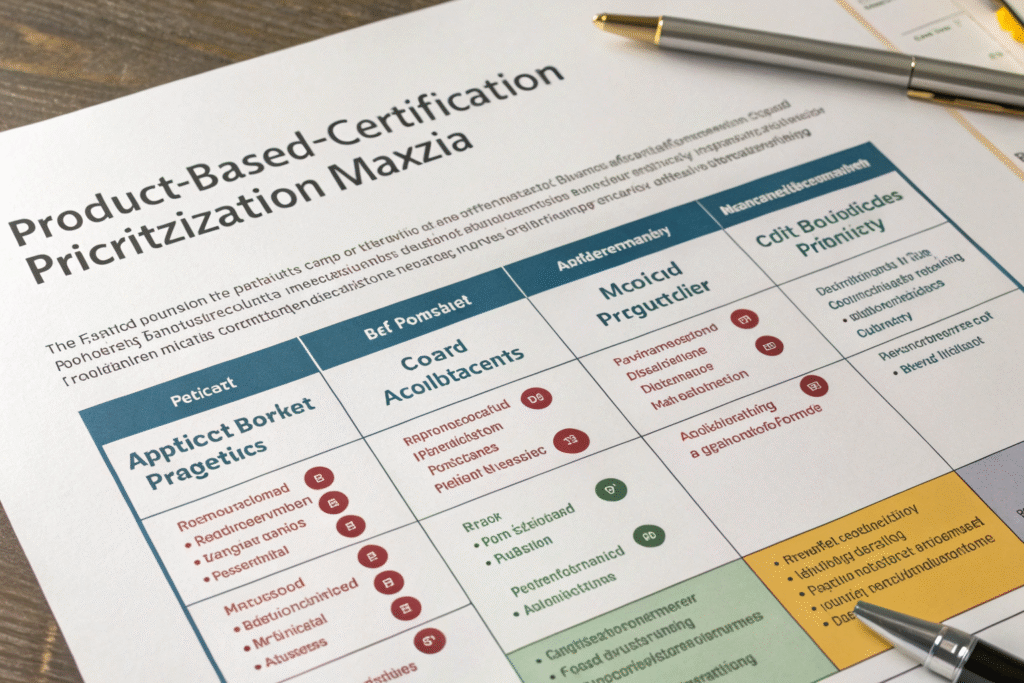
How should buyers prioritize certifications based on product type?
Certification priorities vary significantly by product category, target market, and price point. The most effective approach involves mapping certification requirements to specific product strategies rather than applying uniform standards across all offerings. This targeted approach maximizes the business value of certification investments while ensuring appropriate risk management.
The prioritization should consider regulatory requirements, customer expectations, marketing opportunities, and supply chain risks. For basic commodities, OEKO-TEX might provide sufficient market access, while premium products might require multiple certifications to justify their positioning and price points.
What certification combinations deliver the best market access?
Strategic certification combinations often deliver better market access than single certifications. The most effective combinations include OEKO-TEX Plus GRS for recycled products, OEKO-TEX Plus GOTS for organic natural fibers, and Bluesign standalone for performance textiles. These combinations address both safety and sustainability concerns while providing comprehensive supply chain transparency.
We helped a Turkish textile exporter develop a certification portfolio that increased their European orders by 35%. The strategy involved different certification combinations for different product categories, maximizing their appeal to specific market segments. This targeted approach demonstrates why strategic certification combinations deliver better results than one-size-fits-all approaches.
How do certification priorities differ by price point?
Certification priorities vary significantly by price point, with budget segments typically requiring only OEKO-TEX for basic safety, mid-market products benefiting from recycled or organic certifications, and premium products often requiring multiple certifications to justify their positioning. The investment in certification should align with the price premium the market will support.
Our analysis shows that certifications can support price premiums of 15-30% in mid-market segments and 30-50% in premium segments, but only when the certifications align with the product story and target customer values. This pricing power explains why certification investment by price point requires careful strategic planning.
Conclusion
The "most important" certification depends entirely on your specific business context, but OEKO-TEX Standard 100 provides the essential safety baseline that every fabric buyer should require. Beyond this foundation, GRS delivers crucial recycled content verification for circular economy goals, GOTS offers comprehensive organic fiber integrity, and Bluesign provides unmatched environmental management for performance textiles. The most successful fabric buyers develop strategic certification portfolios that match their product strategies and market requirements.
Remember that certifications are evolving from marketing tools to business requirements, with major retailers increasingly making specific certifications mandatory for market access. The brands and suppliers that develop sophisticated certification strategies will lead the transition to more transparent, responsible textile production while those who treat certifications as optional will face increasing market barriers.
If you’re developing a certification strategy for your fabric sourcing and need guidance on which certifications matter most for your specific business, contact our Business Director Elaine at elaine@fumaoclothing.com. We’ll help you build a certification portfolio that delivers both compliance and competitive advantage in your target markets.