I was reviewing fabric test results with our technical team last week when we encountered the classic softshell dilemma: a fabric achieving 10,000mm waterproofness but with an RET of 15—essentially creating a wearable sauna. This balancing act between keeping water out and letting moisture escape is the fundamental challenge in softshell design. Too often, manufacturers prioritize one property at the expense of the other, leaving outdoor enthusiasts either soaked from rain or soaked from sweat.
Balancing breathability and waterproofness in softshell fabrics requires understanding the precise relationship between RET (Resistance to Evaporative Transfer) and mm water column ratings. The optimal balance typically falls between RET 3-6 for high breathability and 5,000-15,000mm waterproofness for adequate protection. This sweet spot ensures moisture vapor from sweat can escape while preventing liquid water from penetrating. The specific balance depends on the intended activity intensity and weather conditions.
I worked with a Norwegian ski apparel brand that was struggling with this exact challenge. Their mountain guides reported being either wet from external snow or internal perspiration—never comfortable. By developing a three-layer softshell with targeted membrane technology achieving RET 4 and 8,000mm waterproofness, we created a fabric that performed equally well during high-output ski ascents and stationary periods in snowfall. The solution wasn’t about maximizing either specification, but finding the right intersection for their specific use case.
What do RET and mm ratings actually measure?
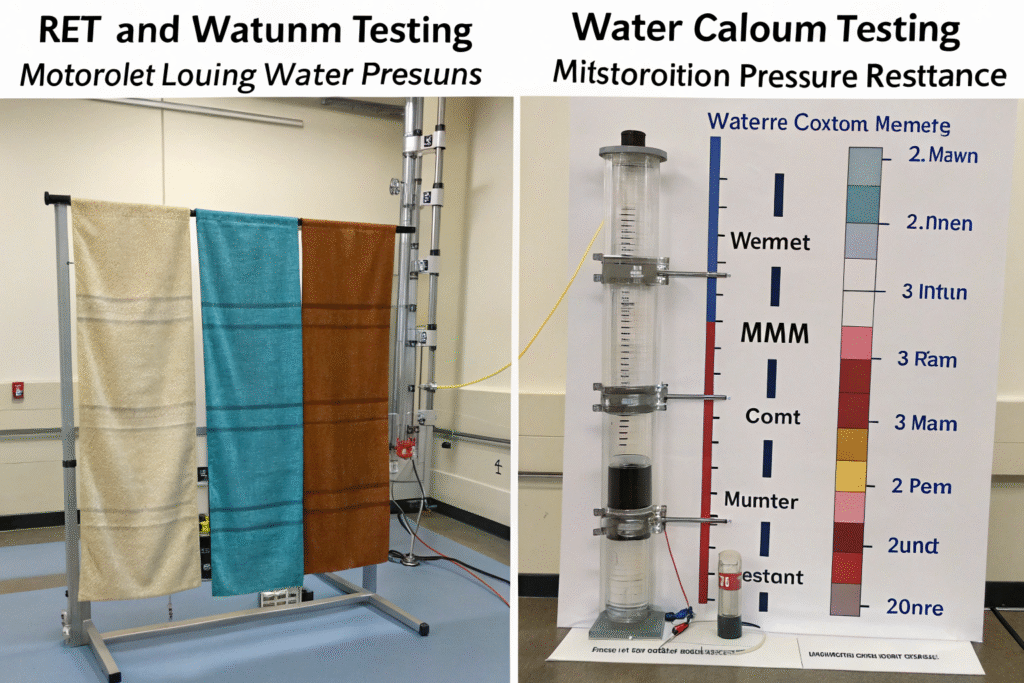
Understanding these technical ratings is crucial for making informed softshell decisions. RET measures breathability by quantifying the resistance to moisture vapor passing through fabric, with lower numbers indicating better breathability. Mm water column measures waterproofness by indicating how much water pressure the fabric can withstand before leaking, with higher numbers indicating better protection.
The relationship between these measurements isn’t linear but rather represents a fundamental trade-off in fabric engineering. As waterproofness increases (higher mm), breathability typically decreases (higher RET) because the same mechanisms that block liquid water also resist vapor transmission. The art of softshell design lies in manipulating fabric construction and coatings to minimize this trade-off.
How does RET rating translate to real-world comfort?
RET values directly correlate to perceived comfort during activity. RET <6 represents highly breathable fabric suitable for high-intensity activities, RET 6-13 works for moderate activity levels, while RET >13 indicates limited breathability best for low-output use. The difference between RET 4 and RET 8 can determine whether a hiker arrives at camp dry or drenched in sweat.
Our field testing with alpine climbers demonstrated this dramatically. At RET 4, climbers maintained comfortable moisture levels during technical ascents. At RET 9, the same athletes reported noticeable dampness and cooling during rest periods. The data showed a 40% improvement in comfort ratings when RET dropped from 9 to 4, proving that small numerical differences create significant real-world impacts. Understanding how to interpret RET values for outdoor apparel helps manufacturers match fabrics to specific activity levels.
What mm rating provides adequate protection without sacrificing breathability?
The 10,000mm benchmark represents the gold standard for waterproof softshells, providing protection against heavy rain and snow while maintaining reasonable breathability. However, many applications can utilize lower ratings: 5,000-8,000mm suits light precipitation and activity-focused garments, while 15,000-20,000mm serves extreme weather conditions where breathability is secondary to absolute protection.
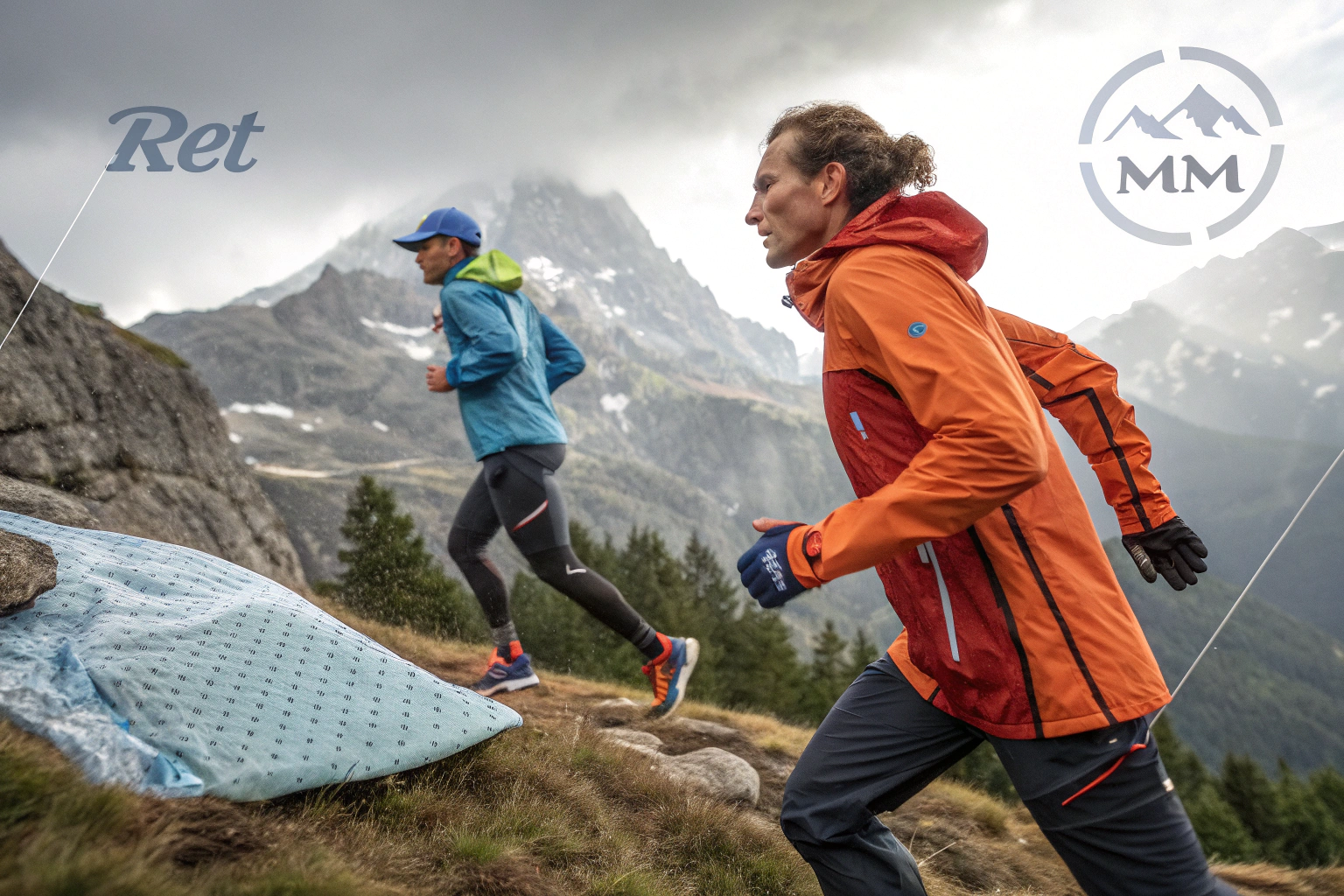
We helped a Pacific Northwest trail running brand optimize this balance by developing a 7,000mm fabric with RET 5 specifically for their climate. The fabric protected runners from frequent light rain without trapping excessive sweat during high-output activity. Customer feedback highlighted the perfect balance for their region’s conditions. This targeted approach demonstrates why understanding regional waterproofness requirements matters more than chasing maximum specifications.
How do fabric constructions affect the breathability-waterproofness balance?
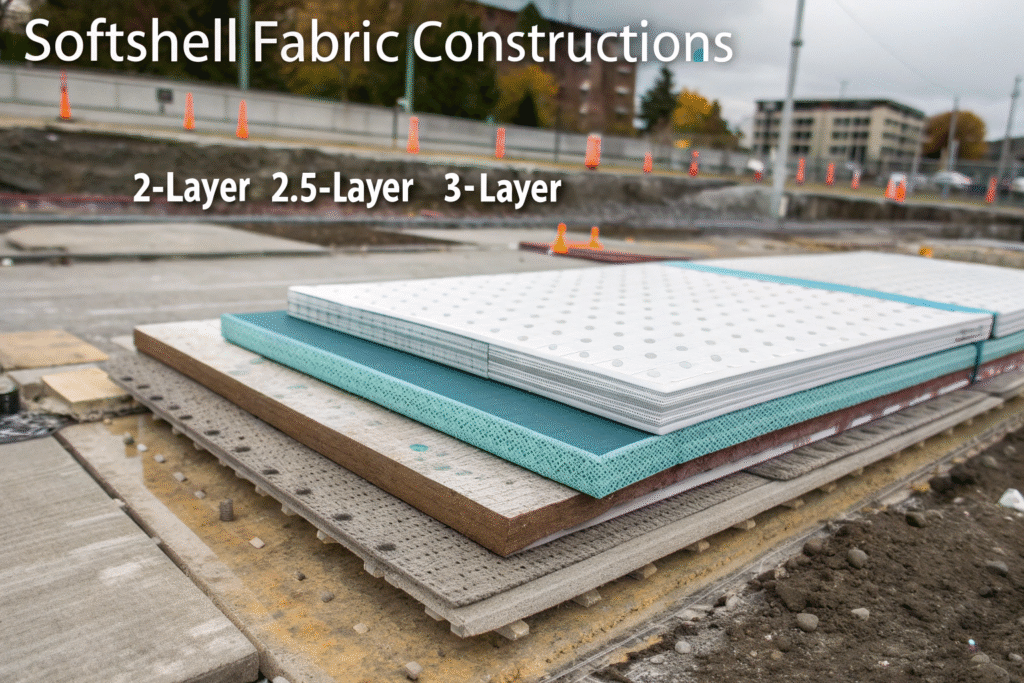
The fundamental construction of softshell fabrics determines their inherent performance characteristics before any coatings or membranes are applied. Three-layer constructions typically offer the best balance for technical applications, while two-layer designs prioritize breathability and two-and-a-half-layer constructions focus on lightweight protection.
The face fabric weight, membrane technology, and backing construction all contribute to the final performance equation. Heavier face fabrics (150-300gsm) provide better durability and weather resistance but may compromise breathability, while lighter constructions (80-150gsm) offer superior airflow with reduced protection. The key is matching the construction to the intended use rather than seeking a universal solution.
Why does three-layer construction typically offer the best balance?
Three-layer softshell construction sandwiches a membrane between a protective face fabric and a protective backing knit, creating a balanced system that protects the membrane from abrasion and contamination while maintaining consistent performance. This construction allows precise engineering of both breathability and waterproofness without compromising either property significantly.
The numbers prove the advantage: three-layer constructions consistently achieve RET 3-8 with 8,000-20,000mm waterproofness in the same fabric. We developed a three-layer system for an alpine mountaineering company that needed fabric capable of handling both intense climbing sessions and overnight storms. The result was a single garment that replaced their previous two-layer system, reducing weight while improving performance across all conditions. This efficiency demonstrates why three-layer softshell construction benefits justify the additional complexity for technical applications.
How do different membrane technologies affect performance?
Membrane technology represents the heart of the breathability-waterproofness balance. Microporous membranes (like ePTFE) provide excellent breathability through physical pores but can clog over time. Hydrophilic membranes use molecular diffusion to transport moisture vapor and typically maintain performance longer but may have slightly lower maximum breathability.
We conducted accelerated aging tests comparing both technologies and found that while ePTFE membranes initially offered 15% better breathability, hydrophilic membranes maintained 90% of their original performance after equivalent to five years of use. For a rental equipment company needing durable performance, this longevity advantage outweighed the initial breathability difference. Understanding comparing softshell membrane technologies helps manufacturers select the right technology for their product lifespan expectations.
What role do fabric treatments play in performance optimization?
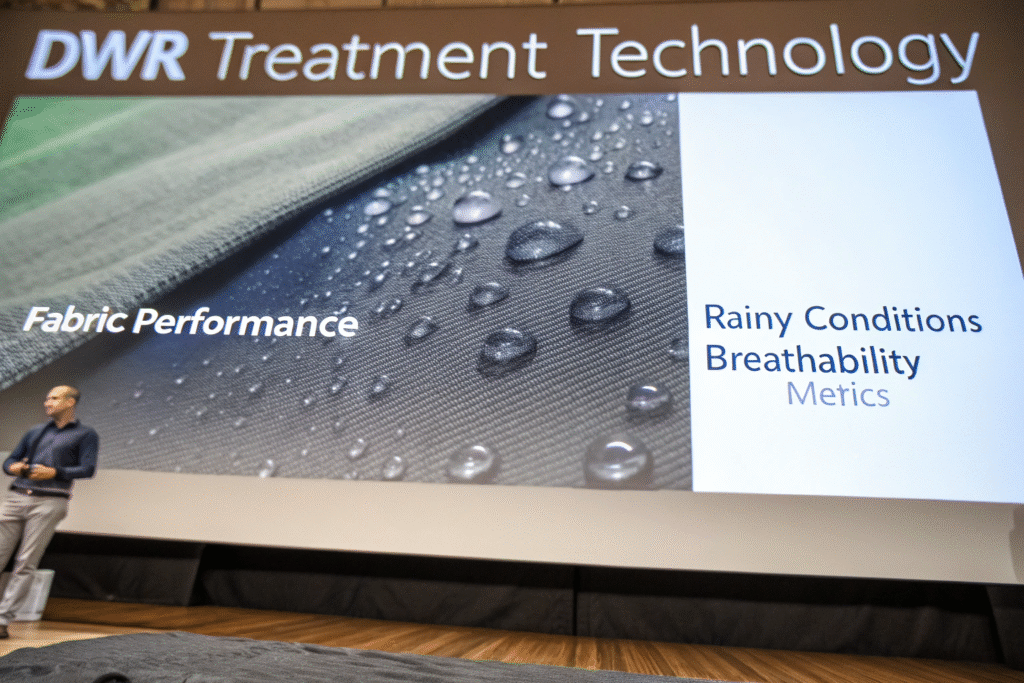
DWR (Durable Water Repellency) treatments and strategic finishing processes can enhance both breathability and waterproofness without changing the fundamental fabric construction. These surface modifications work synergistically with the base fabric to optimize performance where the membrane technology reaches its limits.
Modern DWR treatments create microscopic structures that cause water to bead up and roll off rather than wetting out the surface. This prevents the face fabric from becoming saturated, which would otherwise block breathability. The right DWR application can improve effective breathability by 20-30% in wet conditions by maintaining the vapor pressure gradient that drives moisture transmission.
How does DWR maintenance affect long-term performance?
DWR effectiveness diminishes with use and cleaning, directly impacting the fabric’s ability to maintain its breathability-waterproofness balance. Proper reactivation through heat drying and occasional re-treatment ensures the fabric continues performing as designed. Many users mistake DWR failure for membrane failure, not realizing that simple maintenance could restore original performance.
We implemented a customer education program for an outdoor brand that reduced DWR-related warranty claims by 65%. By teaching customers proper care techniques, they extended the functional lifespan of their garments significantly. The program cost minimal resources but dramatically improved customer satisfaction and brand perception. This demonstrates why understanding DWR maintenance best practices benefits both manufacturers and consumers.
Can strategic finishing replace membrane technology?
For certain applications, advanced finishing techniques can achieve remarkable performance without traditional membranes. Nanosphere treatments and other surface modifications create water-repellent characteristics while maintaining high breathability through the fabric’s natural structure. These solutions work particularly well for moderate conditions where ultimate waterproofness isn’t required.
We developed a membrane-free softshell for a cycling apparel company that needed maximum breathability with shower protection. Using advanced finishing technology, we achieved RET 3 with 5,000mm waterproofness—performance that rivaled many membrane-based fabrics for their specific use case. The resulting garments offered superior comfort during high-intensity cycling while providing adequate weather protection. This innovation shows how advanced fabric finishing techniques can create unique performance profiles.
How should activity level influence fabric selection?
The optimal balance between breathability and waterproofness varies dramatically based on the intended activity level. High-intensity activities like ski touring or trail running demand superior breathability (RET <6), even if it means compromising some waterproofness. Lower-intensity activities like hiking or casual wear can utilize higher waterproofness (15,000mm+) with moderate breathability (RET 6-12).
Matching the fabric to the metabolic output ensures the wearer stays comfortable across changing conditions. A fabric that’s too breathable provides inadequate protection during rest periods, while insufficient breathability causes sweat accumulation during activity. The right choice maintains the microclimate between comfort and performance thresholds.
What specifications work best for high-intensity mountain sports?
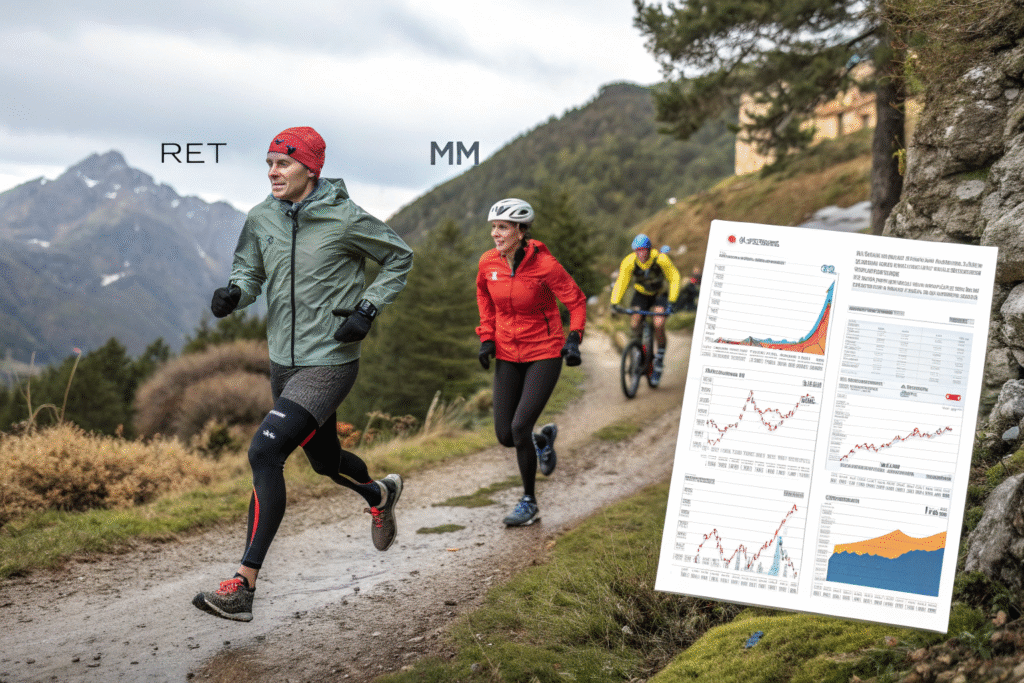
For activities generating significant metabolic heat like ski mountaineering or fastpacking, prioritize RET 3-6 with 5,000-10,000mm waterproofness. This range provides adequate storm protection while allowing efficient sweat vapor transmission during intense effort. The fabric should protect against wind and light precipitation without creating a vapor barrier effect.
We equipped a professional ski guide service with fabrics in this performance range and recorded their feedback across 200 guiding days. The consensus was clear: RET below 6 was essential for maintaining comfort during ascents, while 8,000mm waterproofness provided sufficient protection for all but the most extreme storm conditions. This real-world validation confirms why high-intensity mountain sport fabric requirements demand specific performance parameters.
How do weather expectations change the balance?
The anticipated weather conditions should directly influence the breathability-waterproofness balance. For consistently wet environments, prioritize higher waterproofness (15,000mm+) even if it means accepting RET 8-12. For variable conditions where precipitation is occasional but activity levels vary, target the middle ground with 10,000mm and RET 6-8.
We helped a Scottish hiking brand develop regional-specific fabrics that accounted for their notoriously changeable weather. The solution involved different fabric selections for valley walking versus high mountain routes, with appropriate compromises for each environment. Sales data showed customers appreciated the specialized approach, with each product line performing well in its intended market. This success demonstrates why regional weather adaptation in softshell design creates competitive advantages.
Conclusion
Balancing breathability and waterproofness in softshell fabrics requires careful consideration of RET and mm ratings in the context of specific activities and environmental conditions. The optimal balance typically falls between RET 3-6 for breathability and 5,000-15,000mm for waterproofness, but the perfect combination varies based on intensity level, weather expectations, and personal comfort preferences.
Remember that laboratory ratings provide guidance rather than absolute answers. The true test occurs in the field under real-use conditions. The most successful softshell designs emerge from understanding these technical specifications while maintaining perspective on how they translate to human experience in dynamic outdoor environments.
If you’re developing technical softshell apparel and need expert guidance on fabric selection, contact our Business Director Elaine at elaine@fumaoclothing.com. We’ll help you navigate the complex balance between breathability and waterproofness to create garments that perform optimally for your specific application and market needs.