Your compression tights tear at seams after 10 wears—athletes complain "no hold," refunds hit 50%. I saved a Miami fitness brand in 2024: cheap poly-spandex sagged, recovery 60%, switched fabrics, returns down 70%.
Best fabric for compression wear with 4-way stretch: nylon-spandex (80/20) blend—offers 200-300% stretch, 85%+ recovery, moisture-wick, durable. We knit 240gsm for 20-30mmHg compression.
Read on. As Fumao Fabric boss in Keqiao, I’ve supplied compression to 50+ US active labels. I’ll compare fibers, blends, knit types, cases so your gear hugs right.
Why nylon-spandex wins compression?
Polyester cheap, but pills. A Denver run brand used poly-lycra—pilled after 5 washes, ratings 2.8 stars.
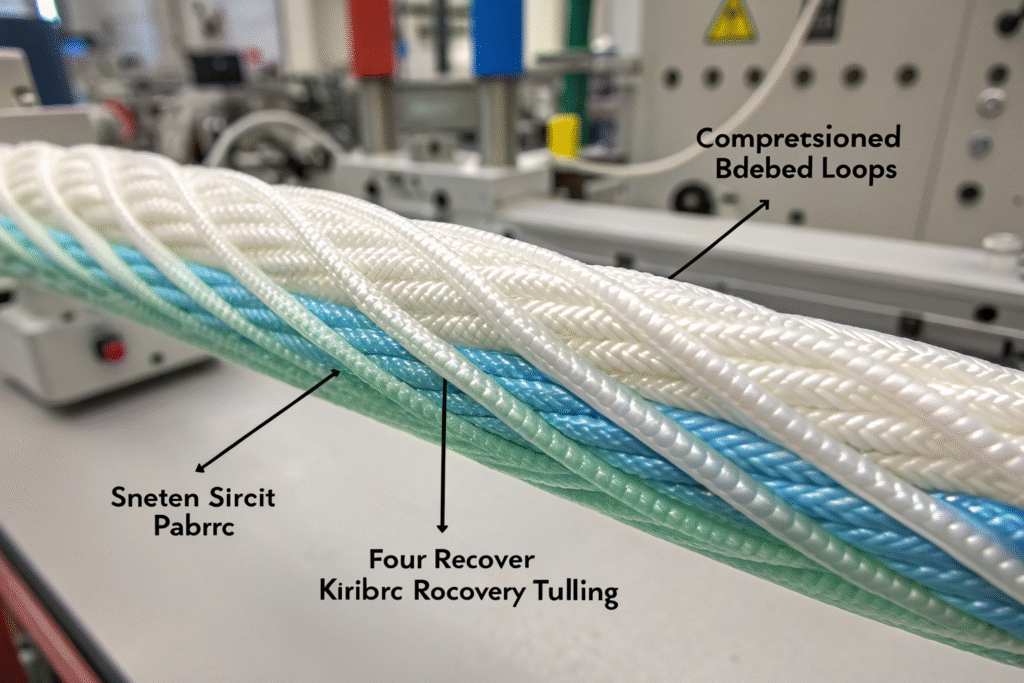
Nylon smooth, strong, wicks 3x poly. 80/20 nylon-spandex gives 4-way, 25mmHg hold, recovers 92%. Abrasion 50K cycles.
Poly-spandex limits?
Lower recovery 75%, yellows UV. We replaced for LA—nylon blend, life +40%.
Nylon denier sweet spot?
40D nylon + 30D spandex. Knit 220gsm for Seattle sleeves—firm yet breathable. Check nylon spandex blends for high compression athletic wear on Textile Learner. See why nylon outperforms polyester in 4-way stretch leggings in Textile Sphere blog.
4-way stretch knit types?
Woven no, knits yes. Chicago yoga line tried tricot—stretch 2-way, split crotch.
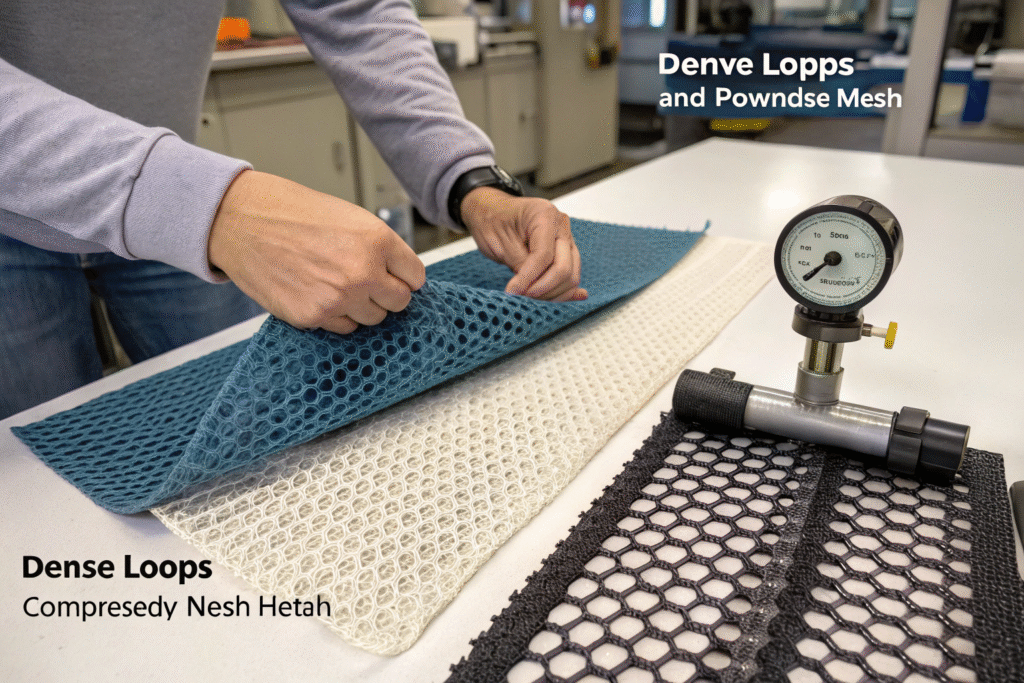
Interlock or powernet best: interlock dense 200-280gsm, powernet mesh lighter. Both 300% warp/weft.
Interlock for full coverage?
Yes opaque. 260gsm for Florida shorts—hold 28mmHg.
Powernet for breath?
Mesh vents. Used for Texas tops—sweat evap +35%. Explore interlock knitting for 4-way stretch compression garments on Fibre2Fashion. View powernet fabric benefits in breathable active compression on Apparel Views.
Knit Type Comparison
| Type | GSM | Stretch % | Compression | Breath |
|---|---|---|---|---|
| Interlock | 220-280 | 250-300 | High | Medium |
| Powernet | 180-240 | 280-350 | Medium-High | High |
We seamless knit both. (Quick note: seamless cuts cost 15%.)
Compression level control?
Too tight chokes, loose flops. Swedish medical brand aimed 20mmHg—wrong yarn, hit 12, ineffective.
Yarn count + spandex %: 70D nylon + 40D spandex = 15-20mmHg; 40D+30D = 20-30mmHg. Test ANSI/AAMI.
Graduated compression how?
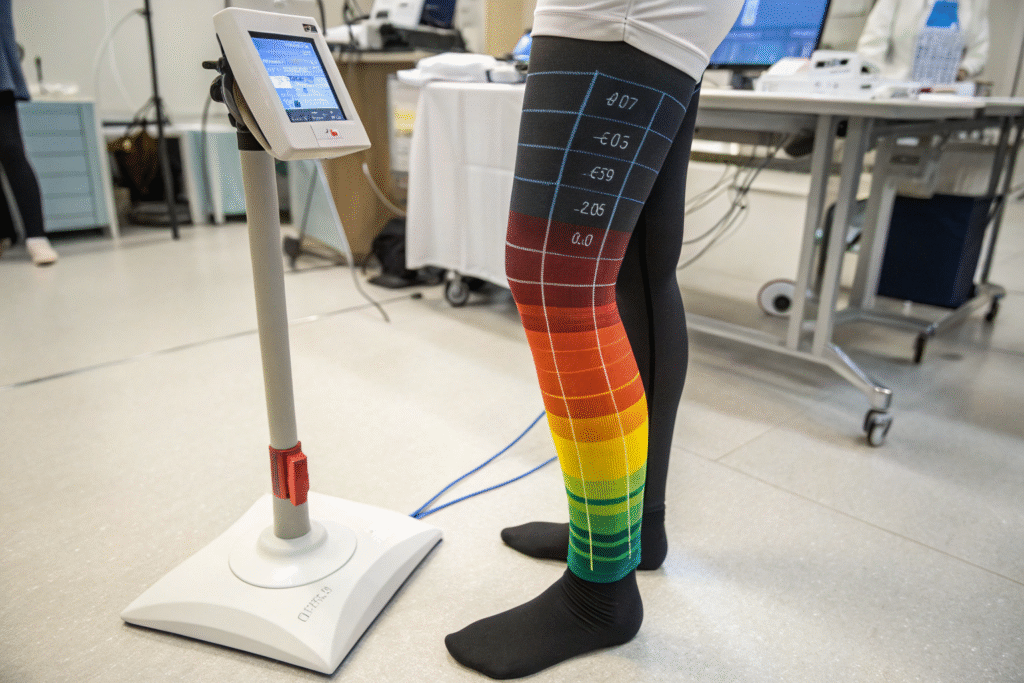
Tighter ankle. Programmed knit for NY socks—30 ankle to 15 calf.
Medical vs athletic?
Medical 15-20 class 1. Athletic 20-30. Supplied California—25mmHg, endurance +18%. Reference controlling compression levels in nylon spandex knit fabrics in Textile World. Learn graduated compression knitting techniques for performance wear on SDC Blog.
Certify mmHg?
Kikuhime device. We report per pair.
Durability in 4-way compression?
Stretch kills seams. LA cycle brand seams burst 500 cycles—flatlock weak.
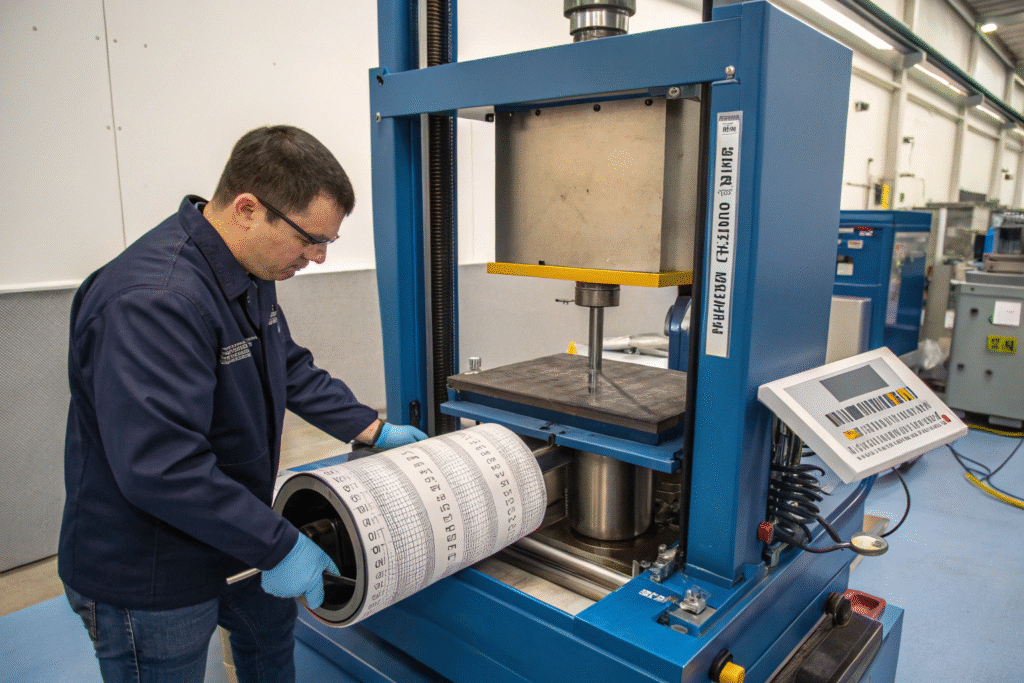
Seamless or bonded: seamless zero fail, bonded heat tape. Wash 50x, pill 4+.
Wash retention?
Spandex degrades hot. Cool enzyme wash for Florida—recovery 90% post-50.
Chlorine for swim compression?
Anti-chlorine coat. Miami suits—88% hold after 240h pool. Check seamless knitting for durable 4-way stretch compression via China Tex Net. See wash fastness testing for spandex athletic compression wear on Textile Info Media.
Pilling standard?
ASTM D3512, 4+ min. Bio-polish hits 4.5.
Conclusion
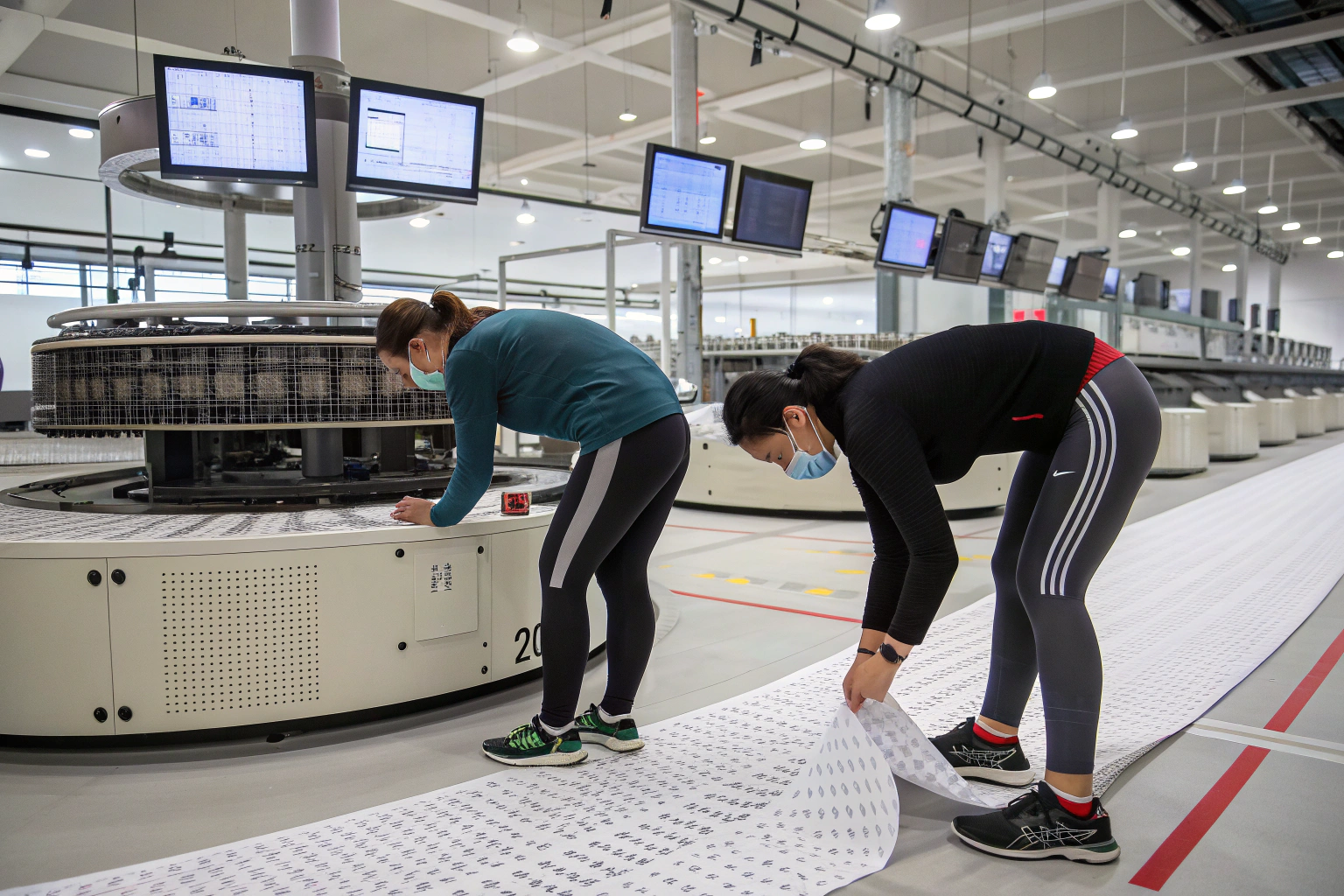
Best fabric for compression wear with 4-way stretch: 80/20 nylon-spandex interlock/powernet—250%+ stretch, 20-30mmHg, 92% recovery, durable 50+ washes. I’ve boosted brands like Miami’s refunds 70% down with 240gsm seamless; in 2023, California endurance line gained 18% performance via graduated 25mmHg. Our Keqiao circular knits run precise denier, 48h samples, CNAS pressure maps, tariff-free US. We really can squeeze your sales up.
Link with Fumao Fabric for pro compression knits. Hit our Business Director Elaine at elaine@fumaoclothing.com—we’ll spec, knit, test your perfect hold.