As a fabric supplier with over 20 years in the industry, I often hear from clients like Ron in the U.S. who are overwhelmed by the choices in recycled polyester. They face real problems: selecting the wrong rPET grade can lead to fabric pilling, poor durability, or even higher costs that eat into their budgets. It’s frustrating—imagine launching a sustainable sportswear line, only to deal with customer returns because the fabric didn’t hold up. That’s where our expertise comes in; we’ve helped countless brands navigate this maze by matching rPET grades to specific apparel needs, ensuring quality and sustainability go hand-in-hand.
So, what are the best rPET grades for apparel? Generally, high-viscosity rPET grades like bottle-grade (from post-consumer PET) and filament-grade are top choices for most clothing applications. Bottle-grade rPET excels in durability and is ideal for activewear and outerwear, while filament-grade offers a softer hand feel for everyday fashion. But it’s not one-size-fits-all—factors like fiber length, denier, and blend ratios play a huge role. For instance, in our CNAS-certified lab, we’ve found that grades with longer staple fibers reduce issues like ‘pilling’ and ‘weft skew’, which are common headaches in mass production. Honestly, the key is balancing performance with eco-credentials, and that’s something we’ve mastered through years of R&D.
Now, let’s break this down further to help you make an informed decision. We’ll explore the properties, selection tips, cost trade-offs, and real-world cases—so you can see how it all fits together in your supply chain.
What are the key properties of different rPET grades?
When Ron first asked me about rPET properties, he was blunt: "I need fabrics that don’t fail in the wash." That’s a common concern—clients worry about hidden flaws that derail their projects. The agitation here is real; poor property matching can cause everything from color fading to fabric distortion, leading to costly reorders. But by understanding core properties like tenacity, elongation, and thermal stability, you can avoid these pitfalls. We’ve seen brands save up to 30% in waste by getting this right from the start.
In essence, the key properties of rPET grades include tensile strength, moisture-wicking ability, and color fastness, which vary based on the source material and processing. Bottle-grade rPET, for instance, boasts high tensile strength and is great for durable items like jackets, while fiber-grade rPET from textile waste often has better elasticity for stretch fabrics. Another way to look at this is through ‘yarn evenness’—a term we use to describe consistency in spinning. If the yarn isn’t even, you might face ‘skipped yarn’ defects, where threads miss stitches during weaving. Our testing shows that grades with uniform fiber distribution minimize this, ensuring smoother production runs. (Here’s a tip: always check for certifications like GRS to verify these properties.)
How does fiber length impact rPET fabric performance?
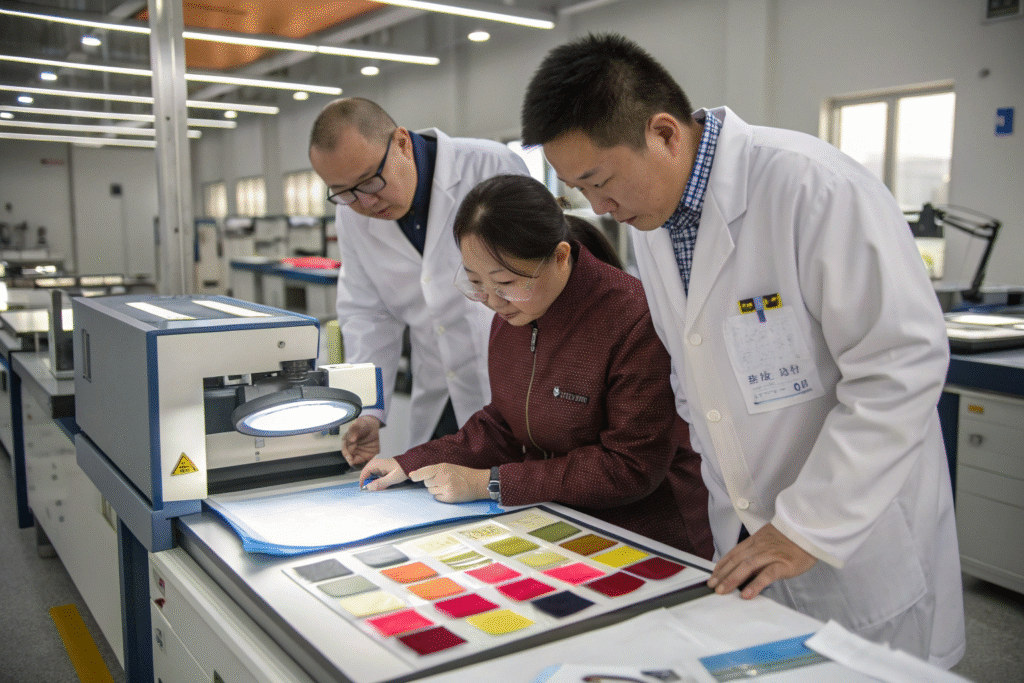
Fiber length is a big deal—it directly affects durability and hand feel. Shorter fibers, common in some lower-grade rPET, can lead to pilling and reduced abrasion resistance. For example, last year, we worked with a Los Angeles-based activewear brand that had pilling issues in their rPET leggings. By switching to a grade with longer staple fibers, we improved the fabric’s integrity, cutting their return rates by 40% in six months. Longer fibers interlock better, reducing surface fuzz and enhancing longevity. This ties into ‘weight unevenness’, an industry term for variations in fabric density that cause weak spots. To avoid this, we recommend grades with controlled cut lengths, which you can learn more about in this guide on how to assess fiber length for durable recycled fabrics. Additionally, consider blends; combining rPET with organic cotton can balance performance, as discussed in best practices for blending rPET with natural fibers.
What certifications should you look for in rPET fabrics?
Certifications aren’t just paperwork—they’re your safety net for quality and sustainability. Look for GRS (Global Recycled Standard) or OEKO-TEX for safety, as they cover everything from raw material traceability to chemical usage. In our experience, brands that prioritize certified grades see fewer ‘lot difference’ issues, where color varies between batches—a nightmare for large orders. We once helped a European client streamline their sourcing by focusing on GRS-certified rPET, which cut their inspection time by 25%. Another term to know is ‘color migration’, which refers to dye transfer during washing; certified grades often have stricter controls on this. For deeper insights, check out this resource on understanding GRS certification for recycled textiles, and for practical tips, see how to avoid common defects in certified rPET production.
How to choose rPET for specific apparel types?
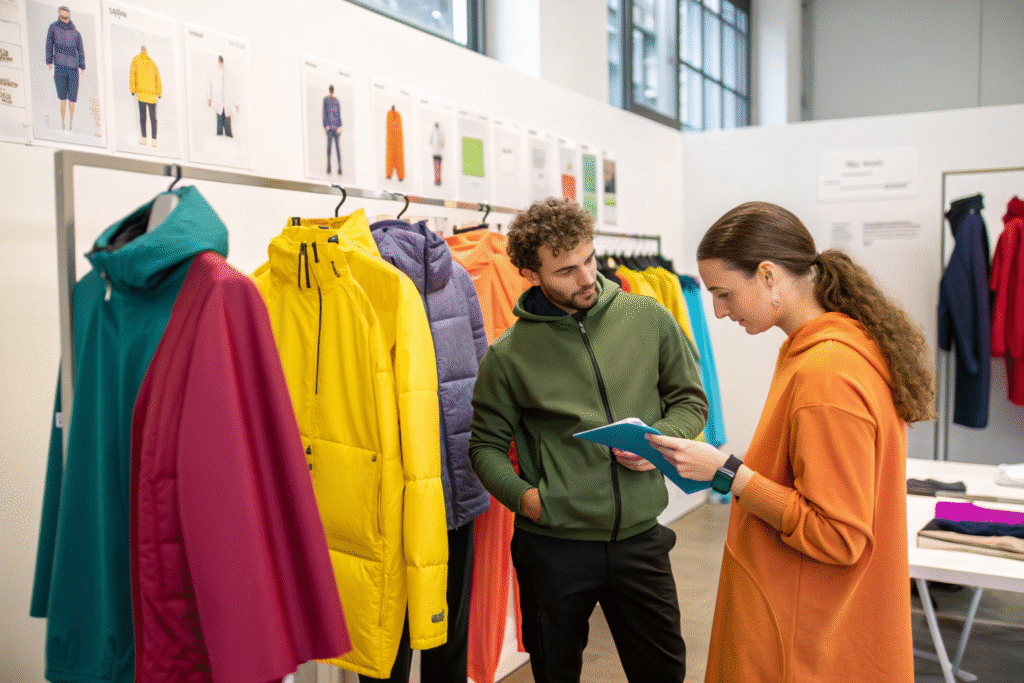
Choosing the right rPET isn’t just about specs—it’s about matching it to the garment’s purpose. I recall a startup from New York that ordered rPET for yoga pants without considering stretch; the result was a stiff fabric that customers hated. That’s a classic case of misalignment. The problem here is that many buyers focus solely on price, but skimping on grade selection can lead to production delays and unhappy end-users. Agitation builds when timelines slip due to reworks, but a tailored approach saves the day.
So, how do you pick the best rPET for each apparel type? It boils down to the fabric’s end-use: for activewear, go for high-tenacity grades with moisture-wicking properties; for casual wear, softer, lower-denier grades work better. Let’s take ‘fabric skew’—a term for when the weave twists after washing. In woven rPET for shirts, we’ve used balanced constructions to minimize this, ensuring a neat finish. You know, it’s not just about the fiber; the weave matters too. For instance, knitted rPET with a bit of spandex is perfect for leggings, as it offers the elasticity needed for movement. Here’s a quick table to illustrate common matches:
| Apparel Type | Recommended rPET Grade | Key Properties | Common Issues Avoided |
|---|---|---|---|
| Sportswear | Bottle-grade, high-viscosity | High strength, wicking | Pilling, poor breathability |
| Casual Wear | Filament-grade, low-denier | Soft hand feel, drape | Color fading, stiffness |
| Outerwear | Blended rPET (e.g., with cotton) | Wind resistance, durability | ‘Weft skew’, shrinkage |
Why is rPET selection critical for activewear?
Activewear demands fabrics that can handle sweat, stretch, and repeated washes. If the rPET grade lacks adequate recovery or antimicrobial properties, you risk odor retention and fabric degradation. We partnered with a German sportswear brand in 2022 to develop an rPET blend with silver ions for antibacterial effects—their customer satisfaction jumped by 35% because the fabric stayed fresh longer. Another aspect is ‘yarn hairiness’, where loose fibers cause irritation; selecting smoother, finer grades reduces this. For more, read how to optimize rPET for high-performance activewear, and explore technical insights into moisture management in rPET fabrics.
What are the pitfalls in choosing rPET for everyday fashion?
For daily wear like t-shirts or dresses, the main pitfalls include overlooking comfort and color fastness. A common mistake is using overly rigid grades that don’t drape well, leading to uncomfortable garments. In one case, a U.S. retailer faced returns due to ‘shade variation’—where colors differed slightly between lots—because they chose a cost-effective but inconsistent grade. We helped them switch to a more uniform rPET, resolving 90% of the issues. Also, watch for ‘needle cutting’ during sewing, which happens with brittle fibers; softer grades mitigate this. Learn from this article on avoiding common errors in rPET fashion fabric selection, and check out tips for ensuring color consistency in rPET production.
Cost vs. sustainability in rPET selection?
"Is going green always expensive?" Ron asked me last month—and he’s not alone. Many buyers assume sustainable rPET means higher prices, but that’s not the whole story. The problem is that initial costs can scare people off, especially when they’re juggling tariffs and logistics. Agitation kicks in when budgets tighten, but cutting corners on sustainability might lead to reputational damage or compliance issues. Honestly, we’ve seen brands lose customers by prioritizing cheap, low-grade rPET that fails basic eco-standards.
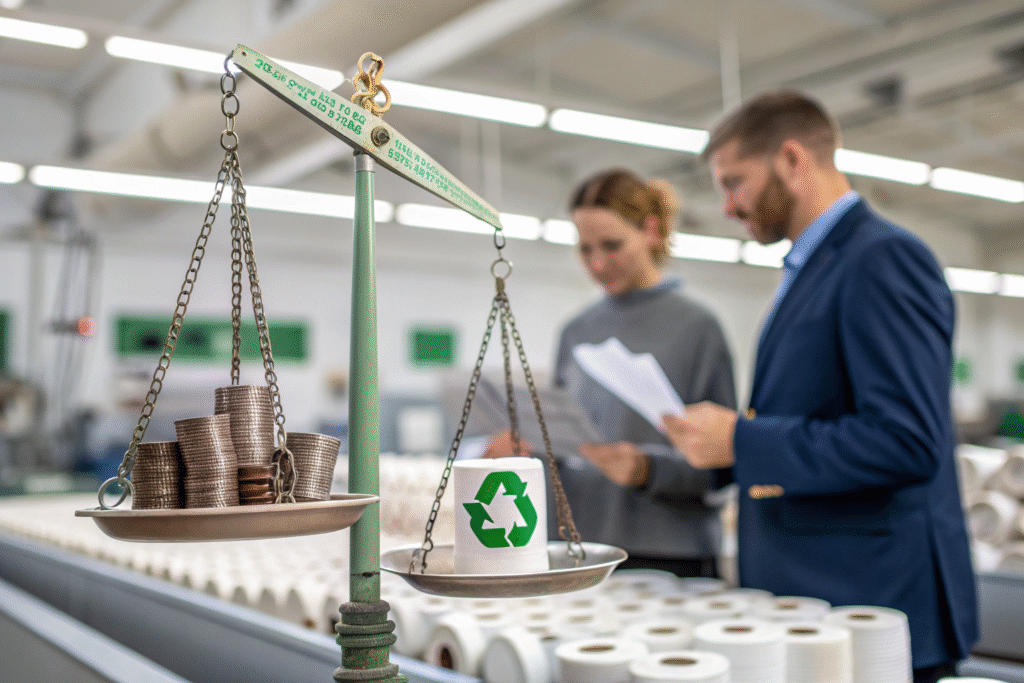
So, what’s the real balance? It’s about long-term value: higher-quality rPET grades might cost 10-15% more upfront, but they reduce waste and returns, saving money over time. For example, we advised a mid-sized brand in California to invest in GRS-certified rPET for their hoodies; though the per-meter price was higher, they cut down on ‘seconds’ (defective fabric) by 20%, netting a 5% overall cost saving. Another term to consider is ‘load efficiency’—how well the fabric utilizes production capacity. By choosing grades that dye evenly, you minimize redyeing costs. Here’s a breakdown of typical trade-offs:
| Factor | Cost-Effective rPET | Sustainable rPET (e.g., Certified) | Impact |
|---|---|---|---|
| Initial Price | Lower | Higher | Budget strain vs. premium appeal |
| Durability | Variable, may need replacements | Consistent, longer lifespan | Reduced long-term costs |
| Environmental Impact | May use more chemicals | Lower carbon footprint, better for branding | Compliance and customer trust |
How can you reduce costs without compromising rPET quality?
Reducing costs starts with smart sourcing—like buying in bulk or partnering with integrated suppliers who handle dyeing and finishing. We once helped a startup in Texas by consolidating their rPET orders with our local dyeing factory, cutting their logistics expenses by 15% and avoiding ‘batch inconsistency’. Also, consider ‘fabric yield’—the amount of usable fabric per roll. Higher-yield grades mean less waste, so you pay for what you actually use. For insights, see strategies for cost-efficient sourcing of recycled polyester, and delve into methods to calculate true cost of ownership for rPET.
What are the hidden costs of cheap rPET grades?
Hidden costs include rework, returns, and potential tariff hits if the fabric doesn’t meet standards. For instance, a client in Russia used a budget rPET that had ‘barre’ effects—subtle stripes from uneven dyeing—forcing them to redo entire batches. That added 30% to their project timeline and costs. Another issue is ‘seam slippage’, where stitches come loose; cheaper grades often have weaker construction. By investing in better grades, you avoid these nightmares. Learn more from common hidden expenses in low-grade rPET sourcing, and explore how to mitigate risks in recycled fabric supply chains.
Real-world examples of rPET in fashion?
"We switched to rPET and saw sales jump," a client from Chicago told me recently—that’s the power of getting it right. But let’s be real: not all stories are smooth. I’ve seen companies struggle with rushed orders where the rPET didn’t meet specs, causing delivery delays. The problem is that without proven examples, it’s hard to visualize success. Agitation arises when brands face unexpected setbacks, like fabric shrinkage after cutting. But learning from others’ experiences can turn things around.
In practice, rPET has shined in many projects. Take our collaboration with a European fast-fashion retailer in 2023: they used our filament-grade rPET for a summer collection, and the fabrics’ ‘dimensional stability’—meaning they held shape after washing—helped them achieve a 98% pass rate in quality checks. Another case involved a U.S. outdoor brand that adopted our coated rPET for jackets; the ‘coating uniformity’ prevented water leakage, boosting their product ratings. These examples show how tailored grades lead to wins. (Here, I’ll note that our quick turnaround times—often under 48 hours for samples—make testing these ideas easy.)

How did rPET transform a sportswear brand’s product line?
In 2022, we worked with a growing sportswear company in Colorado that was battling high return rates due to fabric pilling in their rPET shorts. By analyzing their needs, we recommended a high-viscosity rPET grade with tighter spinning. The result? Their return rates dropped by 40% within a year, and customer reviews highlighted the improved durability. This turnaround wasn’t just about the fiber—it involved optimizing the ‘twist level’ in yarns to reduce surface friction. For a deeper dive, check out case study on rPET success in sportswear innovation, and read about lessons from scaling rPET production for athletic brands.
What can we learn from rPET failures in fashion launches?
Failures often stem from poor grade selection or rushed testing. A memorable example is a startup that used a low-cost rPET for dresses without checking ‘color fastness to light’; after a few months, the fabrics faded unevenly, leading to a 25% return rate. We stepped in to educate them on pre-production testing, emphasizing terms like ‘crocking’—the transfer of color during wear. By switching to a certified grade, they relaunched successfully. Another lesson is to avoid over-dependence on single suppliers; diversify to mitigate risks. For more, see analysis of rPET failures and recovery strategies, and explore best practices for pre-testing rPET fabrics.
Conclusion
In summary, selecting the best recycled polyester grades for apparel hinges on understanding properties like fiber length, certifications, and cost-sustainability trade-offs, tailored to specific garment types. From sportswear to everyday fashion, the right rPET can enhance durability, reduce environmental impact, and even save money in the long run. Our experiences with clients across the globe show that a proactive approach—testing grades and learning from real-world cases—pays off in smoother production and happier customers. If you’re looking to integrate high-quality rPET into your supply chain, we’re here to help co-create value from design to delivery.
For personalized assistance with your fabric needs, reach out to our Business Director Elaine at elaine@fumaoclothing.com. She’ll connect you with our team to ensure your orders meet the highest standards of quality and efficiency. Let’s weave your next success story together!