Let’s be honest—we’ve all faced that frustrating moment. You pull a shirt from your suitcase, and it’s a crumpled mess. Wrinkles. They make clothes look cheap, they annoy customers, and frankly, they’re a headache for everyone in the fashion supply chain. Personally I think this universal pain is exactly why wrinkle-resistant fabrics became so popular. But then you hear the whispers, the concerns… "Does that convenience come with a cost? Is there formaldehyde in there?" A very valid question, especially when you’re sourcing from overseas. To be honest, understanding what really goes into this finish is your first step to sourcing safely and smartly.
So, what is it? Simply put, wrinkle-resistant finishing is a chemical process—applied mostly to natural fabrics like cotton—that basically locks the fibers in place, helping the fabric stay smooth. Now, the formaldehyde question… that’s where things get interesting. Actually, it all depends on the chemicals used. The old way? Yes, it used formaldehyde. But the modern way? Completely different story. Today, we have high-performance, non-formaldehyde options that are not just safe, but often better. The bottom line is this: you don’t have to choose between a crisp look and a clean conscience. The technology has evolved.
Stick with me, and we’ll pull back the curtain. We’ll walk through the science—in a simple way, I promise. We’ll tackle the big formaldehyde fear head-on. We’ll explore the new, safer finishes that are changing the game. And I’ll give you a straightforward guide—a checklist, really—for vetting quality and compliance. My goal here is to give you the confidence to source fabrics that look good and do good.
What exactly IS the process behind wrinkle-resistant fabric?
Ever wonder how a fabric ‘remembers’ to be smooth? It’s not magic—it’s chemistry. And to be honest, knowing the process is what separates savvy buyers from the rest. It lets you ask the right questions and spot a knowledgeable supplier from a mile away.
At its heart, this finish—some call it "easy care," others "durable press"—works by changing the fabric’s very structure. Think of cotton fibers as having tiny, weak links inside. When you scrunch the fabric, these links break and form new ones in the wrong places… creating a wrinkle. So what does the finish do? Its main job is to create permanent, strong bridges—cross-links, we call them—between those fiber molecules. These bridges act like a tiny internal skeleton. They hold everything in place, stopping the fibers from moving around and creasing. And that’s why the effect lasts so long. It’s not a coating that washes off; it’s a fundamental change to the fabric itself.
So how do these ‘cross-links’ actually form?
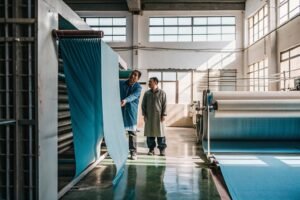
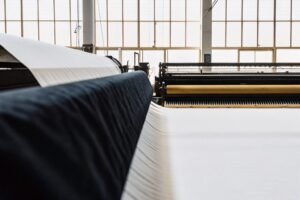
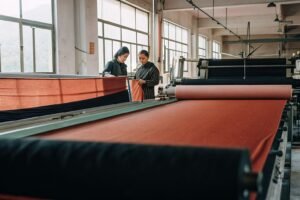
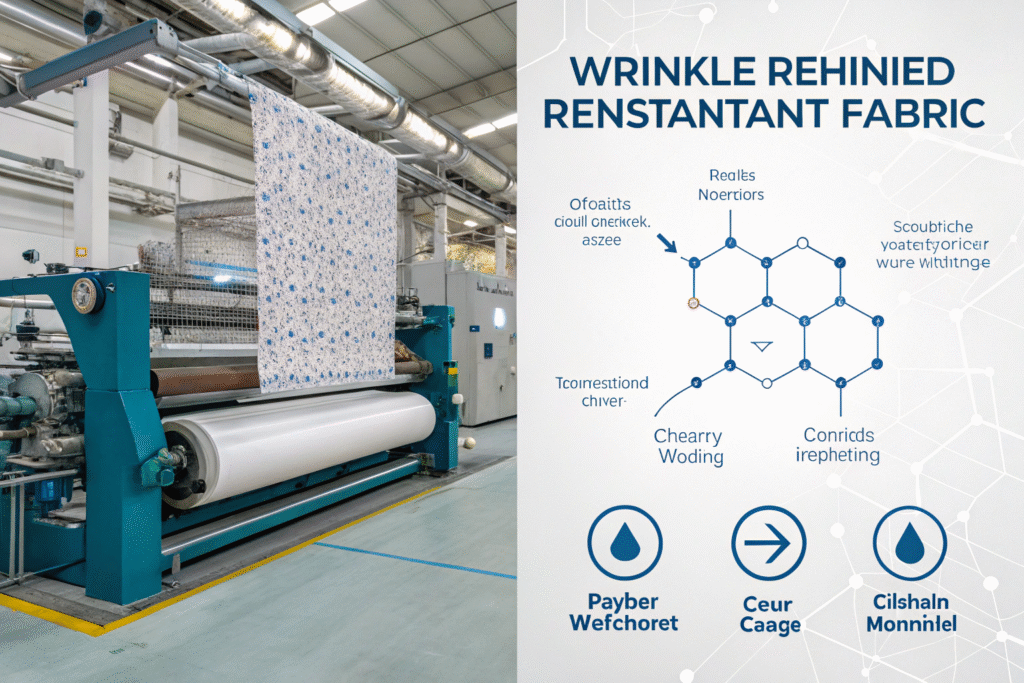
The magic happens in the factory, not a fairy tale. It’s a precise, step-by-step application. First, the fabric gets a bath—a chemical bath, that is. It’s soaked in a special solution and then passed through heavy rollers to make sure the treatment is perfectly even. Then comes the heat. Into a curing oven the fabric goes. And this is the crucial part. That high heat triggers a reaction, a polymerization, where the chemical agents in the solution form strong, stable bonds that bridge the gaps between the molecular chains. It’s this process, documented by groups like the American Association of Textile Chemists and Colorists, that gives the fabric its ‘memory.’ It literally learns to stay smooth.
What are the key steps—from start to finish?
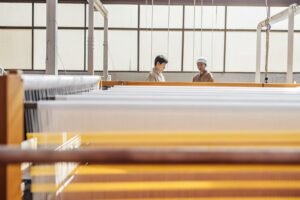
Getting a consistent, high-quality result isn’t about one thing; it’s about a controlled process. Miss one step, and the whole thing can go wrong. First, the fabric must be prepared—cleaned of any natural oils or dirt that could block the finish. Then comes the padding, where the chemical is applied with precision. Next, the curing. The temperature and timing here are non-negotiable; this is where the cross-linking happens. And finally—this part is so important—the fabric is washed. Thoroughly. This removes any leftover chemicals, ensuring the fabric is soft and safe to wear. In our own CNAS-certified lab, we test at every single stage. Because honestly, you can’t guarantee quality without checking it along the way.
The big question: does this fabric contain formaldehyde?
This is it. The question that keeps many brand owners up at night. And the fear is understandable—formaldehyde has a bad reputation for a reason. But here’s the truth: the answer isn’t a simple yes or no. It’s a "it depends on who you source from." The industry, to be honest, has changed. Dramatically.
The worry comes from the old days. The first-generation finishes used resins based on urea-formaldehyde. They worked, they were cheap—but they had a downside. They could sometimes release formaldehyde, causing that sharp smell and potential skin irritation. This gave all wrinkle-free fabrics a bad name. But that was then. Today, you have a clear choice. On one hand, you have the old-school, formaldehyde-based resins. Some suppliers might still use them for the absolute lowest cost. On the other hand—and this is the new standard for quality-focused suppliers—you have non-formaldehyde releasing agents (NFRPs). These are completely different chemicals. They pose no health risk, and personally I think they perform even better. The market, especially in Europe and North America, has decisively moved towards these safer options.
What’s the real difference between DMDHEU and the new agents?
Let’s talk specifics. The most common traditional resin is called DMDHEU. It’s a modified version, designed to release less formaldehyde. But—and this is a big ‘but’—it can still release trace amounts. It might not meet the strictest safety standards or satisfy your eco-conscious customers. Now, the new non-formaldehyde agents? Different chemistry entirely. They’re based on things like polycarboxylic acids (BTCA is a common one). These agents create a different kind of bond—an ester cross-link—without any formaldehyde being involved at all. The result? A fabric that’s not only safer but often feels softer, more natural. No chemical smell, either.
How can I, as a buyer, verify it’s truly safe?
Don’t just take your supplier’s word for it. Never. Verification is everything. You need proof. And that proof comes from independent, third-party lab testing. Any reputable supplier will provide these reports—gladly. What should you look for? Ask for certifications like OEKO-TEX® Standard 100, which has a strict limit for formaldehyde. Or the Global Organic Textile Standard (GOTS) if you’re using organic cotton. You can even ask for a specific test report, like from the ISO 14184-1 method, which gives you a hard number for formaldehyde content. In our company, we make it easy. Every single batch gets a digital QR code. You can scan it and see all the test results—formaldehyde included—right there in real-time. Total transparency. That’s how it should be.
Why should you care about non-formaldehyde finishes?
Switching to non-formaldehyde finishes isn’t just about avoiding a problem. It’s about embracing an opportunity. Actually, it’s a major value-add for your brand. These modern finishes deliver a package of benefits that today’s market actually wants—performance, safety, and a good story.
The advantages? They stack up. From the quality of the product itself to the story you can tell your customers. By choosing a supplier who uses these advanced finishes, you’re future-proofing your business against tighter regulations and smarter consumers. The value is clear. The main benefits? Let’s list them. Guaranteed safety for your customers—that’s number one. Then, compliance with the toughest international rules. A better hand-feel—the fabric stays soft. And a strong sustainability angle that resonates with eco-aware brands. And all of this, while still delivering the wrinkle-free performance you’re paying for. It’s a win-win, really.
How does this actually build trust with my customers?
This is, personally I think, the most important part. By cutting out formaldehyde, you eliminate the risk. No skin allergies. No irritation. No worried parents. You can market your clothes as safe for sensitive skin—for everyone, really. And when your customers see that OEKO-TEX® label? That builds trust. It shows you care about what’s next to their skin. This kind of transparency isn’t just a nice-to-have anymore; it’s what people expect. It protects your brand from bad reviews, from returns… from reputational damage. It’s just good business.
What about the performance—is it actually better?
To be honest, the performance upgrades are noticeable. The hand-feel is the first thing you’ll notice. Non-formaldehyde finishes often leave the fabric much softer, more natural. Not stiff or cardboard-like like the old finishes could. And the durability is impressive. The wrinkle-resistance lasts through wash after wash—30, 50, even more. The garment stays looking new for its whole life. And because the cross-links are strong but flexible, the fabric itself holds up better. It retains its strength. The result? Happier customers, fewer returns, and clothes that truly live up to their promise.
Sourcing this fabric from China—a practical guide.
Sourcing from China—it offers huge advantages. Scale, cost, technical skill. But it requires a smart approach. You can’t just focus on the price. You need to find a partner. A partner with the right infrastructure, the right transparency, and the right expertise. For a technical product like this, that due diligence isn’t optional; it’s essential.
Your strategy should be built on verification. On clear communication. You need a partner who acts like your own quality team on the ground, giving you the data and the confidence to place an order from across the world. To source well, you must do a few things. Prioritize suppliers with real, verifiable certifications. Insist on samples—and third-party lab tests. Look at their supply chain; is it integrated? And get crystal clear on logistics and payment terms upfront. This avoids nasty surprises and ensures everything—from order to delivery—goes smoothly.
What certifications and tests should I absolutely ask for?
This is your first filter. Your checklist. Don’t work with a supplier who can’t provide these. The essentials are:
- OEKO-TEX® Standard 100: Your baseline for safety. It checks for over 100 harmful substances.
- GOTS (Global Organic Textile Standard): If you’re using organic fiber, this is a must.
- SGS/ITS Test Reports: Physical and chemical test reports from a global third party, like SGS. This is your unbiased validation.
Here’s a simple table to keep handy:
| Test Parameter | Standard Method | Why It Matters to You |
|---|---|---|
| Formaldehyde Content | ISO 14184-1 | Proves the fabric is safe and compliant. |
| Dimensional Stability | AATCC 135 | Confirms it won’t shrink too much. |
| Colorfastness to Wash | AATCC 61 | Ensures the color won’t fade or bleed. |
| Tear Strength | ASTM D1424 | Shows the fabric’s durability over time. |
How can I ensure consistent quality and reliable shipping?
Consistency comes from control. Partner with a supplier that has a vertically integrated supply chain—or deep partnerships with weaving, dyeing, and finishing factories. This minimizes variables. Then, there’s QC. A dedicated team should inspect every batch before it ships, sending you reports and photos. For logistics, talk about it early. Discuss lead times and shipping options (FOB, CIF, etc.). A good partner will handle customs clearance and make sure your fabric arrives on time, without drama. And financial stability matters too—it means they can handle your big orders securely, without cash flow problems disrupting your production.
Conclusion
So, there you have it. The world of wrinkle-resistant fabrics doesn’t have to be complicated or scary. The technology is here, it’s safe, and it’s high-performing. The key is knowledge—and partnership. Understand the process, demand the safety data, and recognize the full value of modern finishes. Then you can source fabrics that make your brand shine, your customers happy, and your life easier.
If you’re looking for a partner to help create your next line of wrinkle-resistant apparel—with guaranteed quality and safety—let’s have a conversation. We’re here to support you, from the first fabric sample to the final delivery at your door. For a personal consultation, just reach out to our Business Director, Elaine. Her email is elaine@fumaoclothing.com. We’re here to help you succeed.