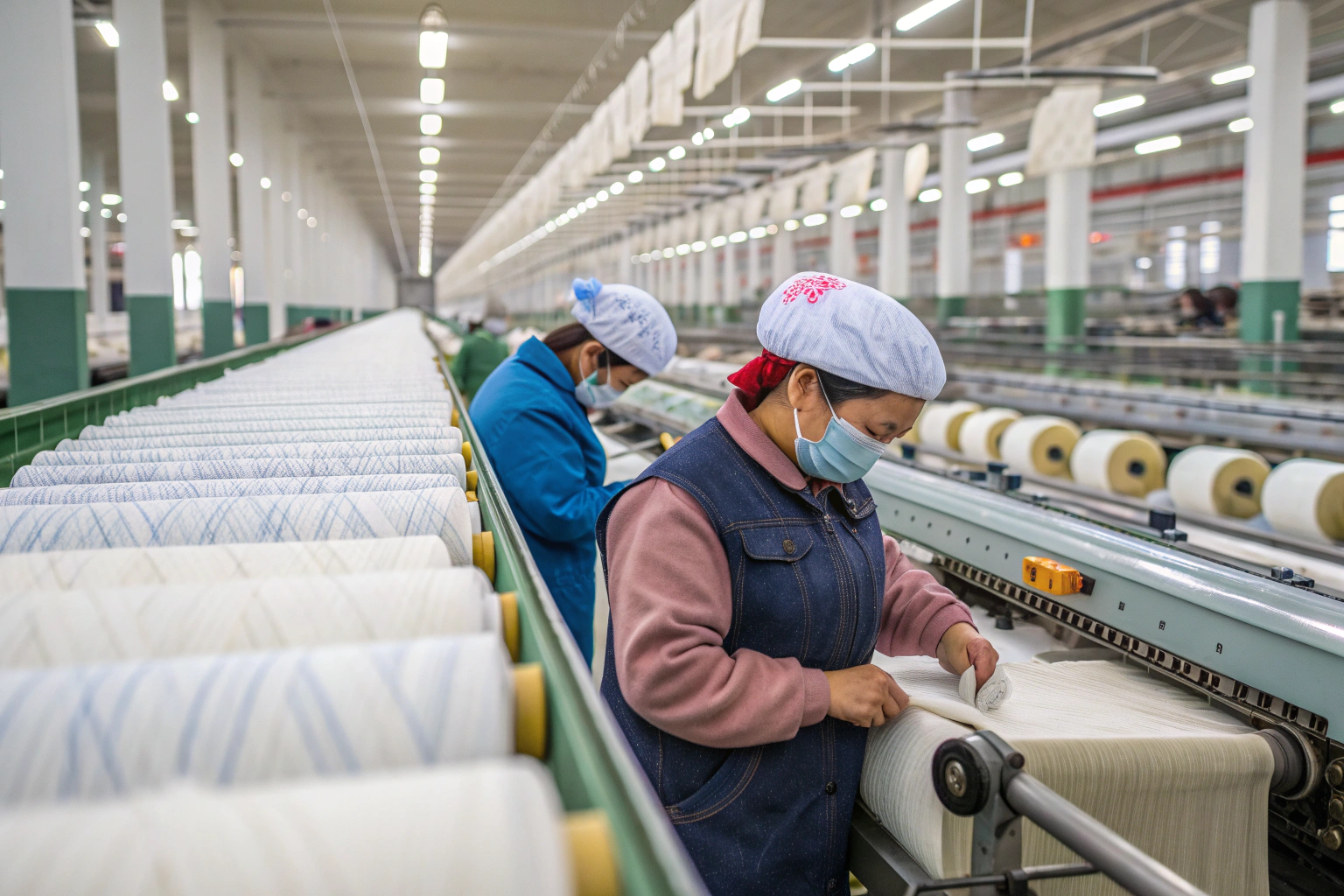
Honestly, after twenty years in this business, I hear this question almost daily. Designers, startups, even the big brands—they all get tangled up when it comes to viscose versus rayon. And who can blame them? The terminology is… well, confusing. You’re sourcing for a new dress line, you want the right fabric—something that fits the design, sure, but also the budget and the customer. It’s a lot to consider.
Here’s the thing—and personally, I think this is where the confusion starts—viscose is actually a type of rayon. To be honest, "rayon" is the umbrella term. It’s the family name for fabrics made from regenerated cellulose. Viscose? It’s just the most popular, most common member of that family. So choosing isn’t about picking one over the other in a strict sense. It’s about understanding the specifics—the properties, the production, how it all aligns with what you’re trying to create. Not one is better, no—it’s about which one is better for you.
Let’s just unravel this, shall we? This guide—practically a fabric dictionary—will walk you through it all: the feel, the cost, the ideal uses. Consider it your roadmap.
What exactly separates viscose from rayon?
When clients ask me this—and they do, constantly—I have a simple way of explaining it. All viscose is rayon… but not all rayon is viscose. Think of it like this: "rayon" is the family. Viscose is the eldest, most well-known child. Then you have the other siblings—modal, for instance, and lyocell. They’re all part of the same clan.
The real difference—the core of it—lies in how they’re made. The viscose process… it’s the classic method. It uses carbon disulfide to transform wood pulp into this viscous, honey-like solution, which is then spun into the fibers we know. This method—it gives us that brilliant sheen, that fluid drape everyone loves. Now, when people just say "rayon," casually… nine times out of ten, they’re talking about this viscose type. But—and this is the important part—newer methods have emerged. They created other types of rayon, like the highly sustainable Tencel™ lyocell. Its production? A more environmentally friendly, closed-loop system. A game-changer, actually.

How does the very making of the fabric shape it?
From tree to textile—what a journey it is. Standard viscose production involves chemically dissolving wood pulp. The environmental footprint? It can be significant, I won’t sugarcoat it—if it’s not managed responsibly. But this process… it’s what gives viscose that characteristically smooth feel, that excellent moisture absorption. Now, the newer methods—for the other rayons—they’re different. Modal, from beech trees, is known for its softness—exceptional softness—and its strength when wet. Lyocell, often under the Tencel™ brand, uses that closed-loop system I mentioned. Far more eco-friendly. We make sure our eco-friendly fabrics meet the strictest certifications—gives you one less thing to worry about.
And which one just… feels better in a dress?
For a beautiful, flowing silhouette—both are excellent, truly. But the differences are there, subtle but important. Viscose—renowned for its fluid drape. A luxurious, silky feel against the skin. It’s heavy, hangs beautifully… ideal for those maxi dresses, those elegant skirts. Lyocell—offers a similar drape, yes, but with a slightly heavier hand-feel. More substantial. It combines the fluidity of silk, you see, with the cool, soft touch of cotton. Modal? Incredibly soft. Smooth. Often compared to high-quality cotton, but with a better drape—perfect for everyday wear, for intimate apparel.
So, which one will actually last longer in daily wear?
A practical concern—and a valid one. For day-to-day dresses, you need something that can handle life. Generally speaking, rayon fabrics—viscose in particular—can be delicate. Especially when wet. Prone to stretching, maybe even tearing if handled roughly. The truth is, advancements have been made; finishes have improved.
But the real standout for durability? Lyocell. Significantly stronger than viscose—both dry and wet. Garments from Tencel™ lyocell are just more resilient. They can take the washing, the wearing. Modal too—boasts better strength when wet compared to viscose. So for a dress that needs to withstand frequent use… specifying a blend, or a fabric made from modal or lyocell, would be wiser. We test all this, rigorously, in our CNAS-certified lab. The data doesn’t lie.
How do they behave in the wash, really?
Care labels—so critical. Viscose often demands dry cleaning. Or at the very least, a very gentle hand wash. Agitate it in water, and it can lose strength, it can shrink. Machine washing? Generally not recommended for standard viscose. Modal and lyocell—more forgiving. They can typically handle a machine on a gentle cycle. Lyocell, particularly, is resistant to shrinkage. Always, always check the care instructions we provide. Blends and finishes can change everything.
And the wrinkle factor—which one creases more?
Let’s be honest, both can wrinkle. It’s a fact. But lyocell? Tends to wrinkle less than viscose. Its fibers are stronger, more resilient—they bounce back better from creasing. Modal has good wrinkle resistance too. A great low-maintenance option. So for travel-friendly dresses… lyocell or modal-based fabrics are superior. Many of our clients, faced with this, they look into blended fabrics. We can customize those, you know.
But what about the cost? Which gives you more for your money?
From a pure sourcing perspective, standard viscose is generally it. The most cost-effective. Its production process is long-established, widespread—makes it a budget-friendly choice for those beautiful, drapey dresses.
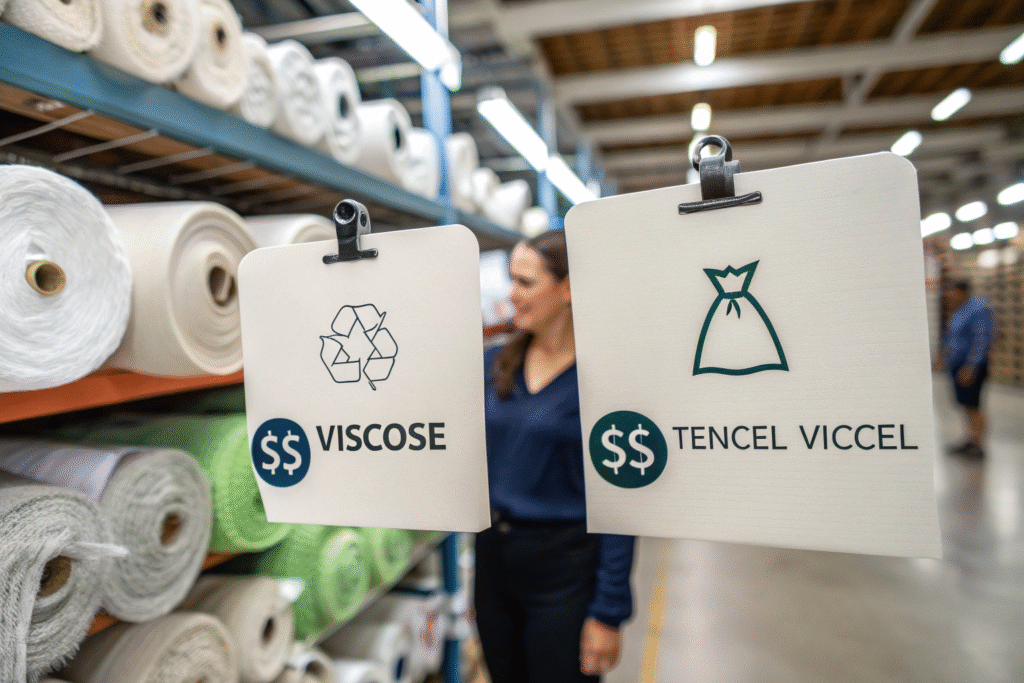
Modal and lyocell? They typically come at a premium. The advanced, eco-friendly manufacturing—especially for Tencel™ lyocell—involves higher costs. Technology, production… it adds up. This cost gets passed on, of course. But this investment—it can be justified. The enhanced performance, the durability, that strong sustainability story… it resonates with consumers today. We help you navigate this. Our Diverse Product Portfolio offers the full range—from economical viscose to premium lyocell. Finding the balance—that’s the key.
Does ordering more really make it cheaper?
It does, actually. As with most textiles, the larger your order, the lower the price per meter. This holds true for both viscose and the specialty rayons. Our large-scale production—it allows for competitive bulk order pricing. But even for smaller brands… our extensive inventory means you can often access these fabrics. No need for massive minimums. Makes budgeting easier.
Are we forgetting the hidden costs? The maintenance?
A crucial point—and one often overlooked. A viscose dress might have a lower price tag on the rack. But if it needs frequent dry cleaning… the total cost for the customer goes up. A dress from machine-washable modal or lyocell—maybe more expensive upfront—but offers lower long-term costs. A valuable selling point, that. Something to think about.
And finally, how do they stack up on sustainability and comfort?
Today’s consumers—they’re eco-conscious. They care. On sustainability… standard viscose has faced criticism. The chemicals, the potential deforestation. The landscape, though, is changing. At Fumao, we prioritize sustainable fabrics. It’s a commitment.
Lyocell—especially Tencel™—is the clear winner here. That closed-loop production. Modal too—a better environmental profile than traditional viscose, often sourcing from sustainable beechwood forests. We’re invested in this shift. Our Eco-Friendly Innovations—recycled polyester, BAMSILK—they’re all part of providing you with responsible choices.
Which one lets the skin breathe, truly?
Breathability, absorbency—both are high. Exceptionally comfortable for warm weather dresses. They pull moisture away from the skin… much better than polyester, for instance. Among them, lyocell has the highest absorption. Even greater than cotton. That superior breathability—it reduces that sticky discomfort. Makes for a cool, comfortable wear.
What certifications should I actually look for?
Look for the labels. For viscose, FSC or PEFC—they ensure the wood pulp is sustainable. For lyocell and modal, Oeko-Tex Standard 100—guarantees the fabric is free from harmful stuff. Our CNAS-accredited testing center ensures we meet these standards. We can provide the documents—back up your brand’s story.
Conclusion
So, choosing between them… it boils down to your specific needs. A cost-effective fabric with excellent drape, a luxurious feel for elegant occasions? Viscose is a fantastic choice. But if your priority is durability, easy care, a strong sustainability story for everyday dresses?… Then investing in Tencel™ lyocell or modal is the way to go. Remember—"rayon" is the category. Within it, different players, each with unique strengths.
We at Fumao Textiles… we’re here to be more than a supplier. A partner in fabric innovation. With our end-to-end control—from weaving to finishing—we can guide you to the perfect material. Even develop custom blends. Let’s create something amazing, shall we? For your next dress order, just reach out to our Business Director, Elaine. Discuss your project in detail. elaine@fumaoclothing.com.