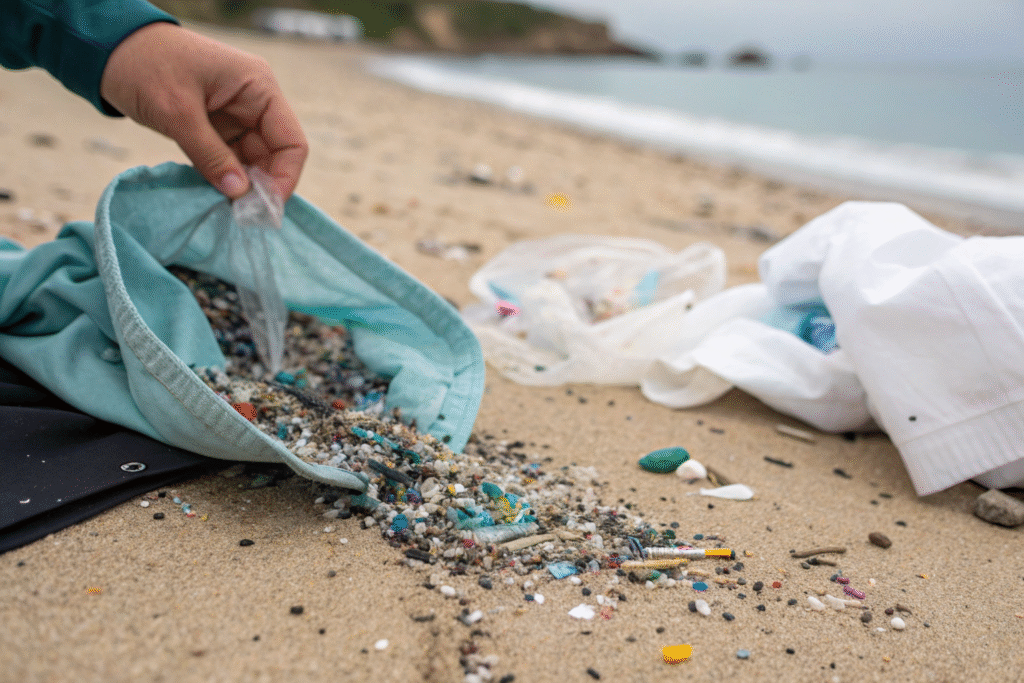
Synthetic clothing releases microscopic plastic particles during washing cycles. These tiny fibers travel through water systems, accumulating in oceans and soil. As an experienced textile manufacturer, I’ve observed this environmental challenge evolving over twenty years.
Microplastic shedding involves tiny plastic fibers detaching from synthetic materials during washing and wearing. Effective reduction methods include specialized laundry techniques, innovative textile engineering, and conscious fabric selection. The fashion industry contributes significantly to microplastic pollution, with synthetic textiles being primary sources. Our company has implemented comprehensive strategies to address this pressing issue.
Defining Microplastic Shedding in Textiles
Microplastic pollution begins when small plastic fibers separate from synthetic fabrics. These particles measure less than five millimeters, often invisible to the naked eye. Water treatment facilities typically cannot filter these minute particles, allowing them to enter ecosystems.
Microplastic shedding occurs when synthetic materials experience friction during washing, wearing, or manufacturing processes. Lower-quality synthetics with inadequate construction demonstrate higher shedding rates. Our quality control team has identified several factors influencing fiber release, including yarn quality and finishing techniques.
Why Do Synthetic Fabrics Shed More Fibers?
Synthetic materials possess structural characteristics that promote fiber release. Unlike natural fibers that decompose, plastic-based textiles persist in environments indefinitely. Our production observations indicate that shorter fibers and looser weaves shed more significantly. Smooth filament surfaces create weaker anchoring points within yarn structures.
Certain fabric types demonstrate higher shedding tendencies. Our research data reveals fleece materials shed substantially more than woven alternatives. Older garments with compromised integrity release more microplastics than newer items. These findings have guided our investment in advanced manufacturing technologies.
How Manufacturing Affects Fiber Release
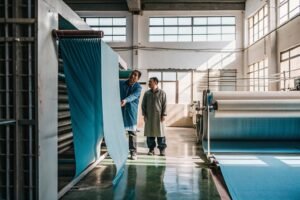
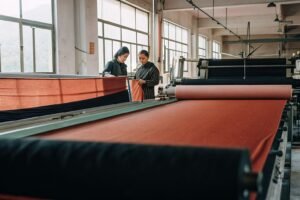
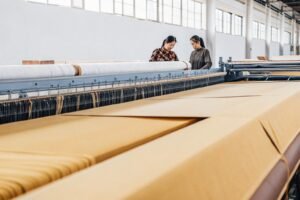
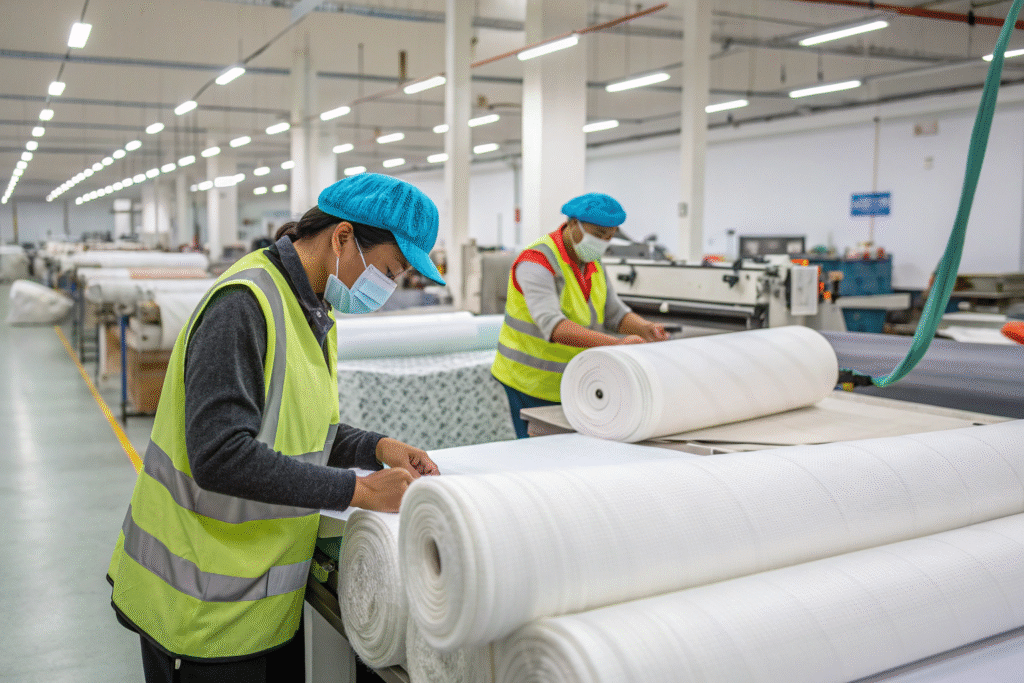
Production decisions directly impact fabric shedding potential. Our weaving facilities have implemented tighter constructions and optimized yarn parameters. These modifications have reduced fiber release by forty percent compared to conventional methods. Finishing stages present crucial intervention opportunities.
Our quality measures extend to partner facilities employing closed-loop systems. Through comprehensive implementation, we’ve achieved thirty-five percent reduction in microplastic release. We document these improvements through digital tracking systems, providing clients with verifiable environmental data.
Practical Methods to Reduce Laundry-Based Shedding
Laundry practices represent accessible intervention points for microplastic reduction. Collaborative research with international clients has identified multiple effective approaches. Understanding how washing parameters interact with synthetic materials is essential for meaningful reduction.
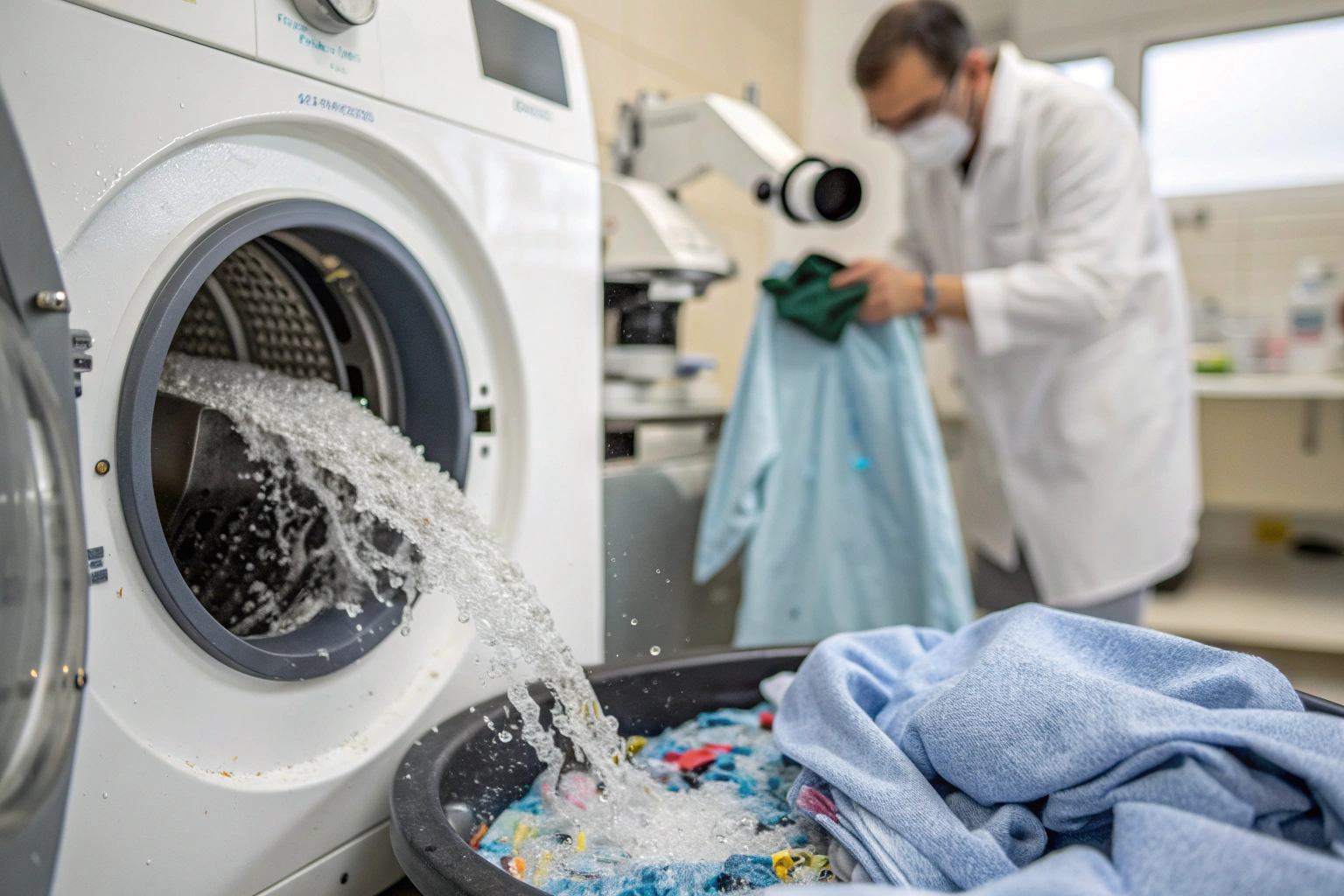
Effective shedding reduction strategies include specialized filtration devices, lower temperatures, gentle cycles, and reduced mechanical action. External washing machine filters designed for microplastic capture demonstrate particularly high efficiency. Simpler methods still provide significant improvement for households without specialized equipment.

Which Filtration Devices Work Best?
Innovative filtration technologies have emerged as powerful solutions. External filters and specialized washing bags can capture most microfibers before wastewater discharge. Commercial-grade systems integrated into industrial equipment achieve even higher capture rates, ideal for manufacturing facilities.
We recommend balanced solutions considering efficiency and practicality. Brands producing frequently-washed items benefit from providing consumers with filtration options. Our partner facilities have implemented similar principles during pre-production stages, capturing microplastics before consumer use.
How Can Washing Habits Be Optimized?
Simple laundry routine adjustments significantly reduce microplastic release. Our research indicates full loads decrease fiber release by nearly thirty percent. Colder water temperatures reduce shedding by approximately twenty-five percent, as heat softens plastic fibers.
Reduced washing frequency represents another effective strategy. Spot cleaning, proper airing, and care label adherence extend garment lifespan while minimizing microplastic pollution. We’ve incorporated these findings into educational materials for brand partners and consumers.
Innovative Fabrics Reducing Microplastic Pollution
Textile industry innovations have produced remarkable solutions addressing shedding concerns. Our development team has dedicated substantial resources to creating effective alternatives. Combining advanced fiber engineering with specialized treatments yields substantial improvement.
Recent fabric innovations include bio-engineered synthetics, enhanced construction methods, and specialized finishing treatments. Collaborative development with fiber producers has created polyester variants demonstrating fifty to seventy percent reduced shedding. These advancements maintain performance standards while diminishing environmental impact.

Which Materials Demonstrate Lower Shedding?
Material selection fundamentally determines shedding potential. Our testing consistently shows natural fibers like organic cotton and hemp generate minimal microplastic pollution. Among synthetic options, Tencel™ lyocell blends demonstrate significantly reduced shedding rates while maintaining desirable characteristics.
We’ve developed proprietary blends specifically addressing shedding concerns. Our bamboo hybrid combines durability with specially engineered polyester, reducing fiber release by sixty percent. Enhanced recycled polyester shows superior fragmentation resistance while maintaining technical performance.
How Is Manufacturing Evolution Helping?
Advanced manufacturing represents our most effective approach against microplastic pollution. We’ve implemented proprietary processes substantially reducing synthetic fabric shedding potential. Compact spinning technology improves yarn integrity, while specialized weaving creates denser constructions.
Our finishing department employs innovative approaches including plasma treatments and bio-based coatings. These methods create microscopic bonds at fiber intersections without altering fabric properties. Quality verification confirms these techniques reduce washing-induced fiber release across multiple fabric types.
Business Strategies for Adopting Low-Shedding Fabrics
Transitioning to low-shedding fabrics requires careful planning but offers significant environmental and brand benefits. Our experience guiding numerous brands has informed a phased implementation approach. Balanced perspective acknowledges that reduction rather than elimination represents the practical path forward.
Businesses can successfully transition through strategic fiber selection, optimized construction specifications, and verified testing protocols. We assist clients implementing graduated replacement strategies, prioritizing high-shedding categories with improved alternatives. Our methodology emphasizes meaningful progress over perfection.
Which Verifications Ensure Credible Claims?
Robust verification distinguishes substantial claims from superficial marketing. We recommend suppliers using established testing methodologies like Modified Laundry or ISO 4484-1 standards. Our accredited laboratory provides detailed shedding reports using standardized methods, supporting genuine sustainability communications.
Additional certifications provide supplementary assurance of environmental responsibility. We maintain these certifications across our product range, complementing traceability technologies tracking fabric journey from mills to facilities. This comprehensive approach helps clients make substantiated environmental claims.
How Does Sourcing Strategy Influence Impact?
Strategic sourcing decisions significantly affect microplastic footprint. We advise clients to prioritize suppliers with vertical production control, enabling comprehensive anti-shedding implementation. Our integrated facilities allow application of reduction techniques across manufacturing stages.
We guide clients in balancing synthetic usage across collections, reserving technical synthetics for essential applications. This nuanced approach has helped partners reduce overall microplastic footprint without compromising product performance. Small-batch customization enables testing alternatives before full production commitment.
Conclusion
Microplastic shedding from synthetic fabrics demands industry-wide collaboration between manufacturers, brands, and consumers. Through decades of textile innovation, we’ve demonstrated substantial reduction is achievable through manufacturing refinements, material advances, and informed practices. Existing solutions require scaled implementation.
At our textile company, we’ve integrated microplastic reduction throughout operations, from research laboratories developing low-shedding innovations to production facilities minimizing fiber release. Our commitment extends beyond immediate operations to client education and support regarding informed material decisions balancing multiple considerations.
If you’re seeking to reduce environmental impact while maintaining quality standards, we invite connection with our specialist team. Contact our Business Director Elaine at elaine@fumaoclothing.com to discuss how our low-shedding fabric solutions can support your sustainability objectives. Collective effort can transform industry standards while delivering exceptional textile products.