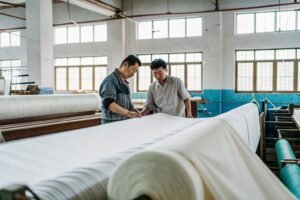
As a sourcing professional, you know that understanding fabric specifications is crucial for successful procurement. The technical data on spec sheets can be overwhelming, but mastering it is essential for quality control and cost management.
Properly interpreting fabric spec sheets prevents costly errors in production and logistics. This knowledge ensures you get exactly what you order while maintaining budget and timeline efficiency. For international buyers, it’s particularly valuable for navigating tariffs and customs requirements.
Essential Components of Fabric Specifications
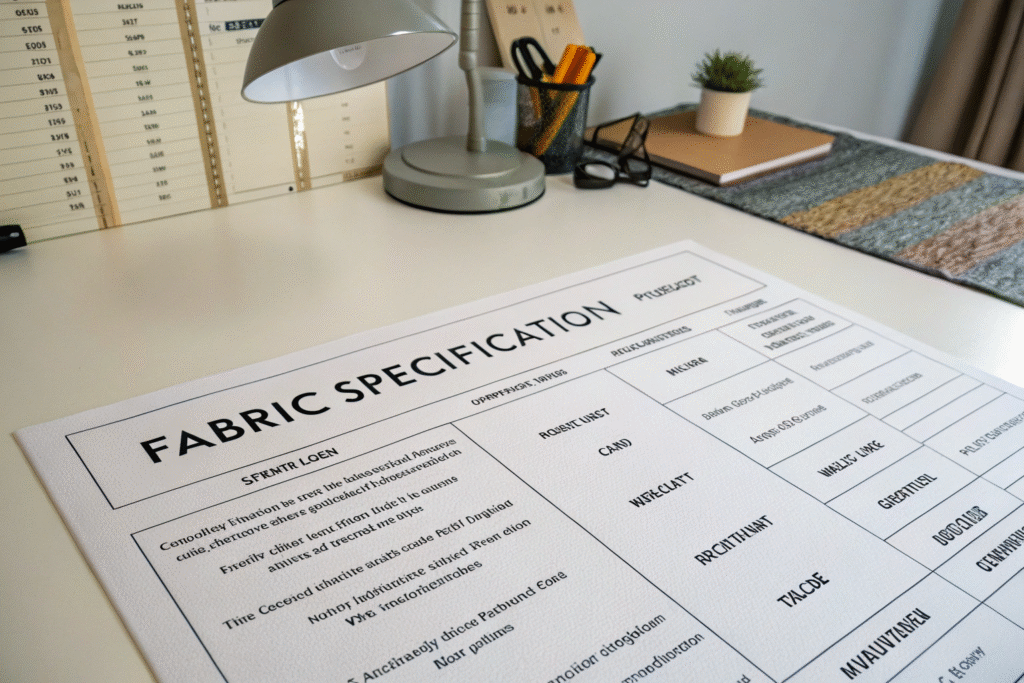
Every fabric specification sheet contains fundamental elements that define material characteristics. These components impact quality, performance, and pricing decisions.
Key elements include fiber content, construction type, weight measurements, and width specifications. Understanding these factors helps predict fabric behavior in production and final products.
Why Verify Fiber Composition First?
Fiber composition determines basic fabric properties like durability and care requirements. It affects tariff classifications under international trade systems. Accurate composition details prevent legal issues and ensure proper cost calculations.
How Does Fabric Weight Impact Products?
Weight measurements indicate suitable applications and seasonal use. Significant deviations from specified weight can affect yield calculations and final product quality. Consistent weight verification maintains production standards.
Interpreting Technical Performance Metrics
Technical data provides measurable evidence of fabric performance under various conditions. This information helps predict real-world behavior and longevity.
Standardized testing covers color retention, dimensional stability, and strength characteristics. These metrics allow objective comparison between different materials and suppliers.

What Do Colorfastness Ratings Mean?
Colorfastness scores predict color retention during washing and light exposure. Higher ratings reduce customer returns and protect brand reputation. These specifications are vital for products requiring frequent cleaning.
How to Evaluate Fabric Durability?
Durability testing measures resistance to pilling, tearing, and stretching. Results help match fabrics to specific use cases and quality requirements. Understanding these metrics supports appropriate material selection.
Construction Details and Cost Management
Fabric construction details directly influence both quality and production economics. These specifications affect manufacturing efficiency and waste management.
Construction elements include weave patterns, thread density, and yarn specifications. Each factor contributes to fabric performance and processing requirements.

How Does Yarn Count Affect Quality?
Yarn count indicates fiber fineness and density. Different counts create varying texture and durability characteristics. Balanced selection ensures appropriate quality for target markets.
Why is Fabric Width Important?
Width specifications impact material utilization during cutting. Optimal width selection minimizes waste and improves production efficiency. Proper width consideration reduces material costs significantly.
Supplier Evaluation Through Specifications
Specification sheets reveal supplier capabilities and reliability standards. Detailed documentation demonstrates professional quality control measures.
Comprehensive specifications indicate understanding of international requirements. Clear, verifiable data shows commitment to consistent production standards.

Which Certifications Matter Most?
Industry certifications validate claims about fabric properties and manufacturing standards. Recognized certifications provide assurance about product safety and quality compliance.
What Demonstrates Quality Commitment?
Suppliers showing detailed specifications with tight tolerations indicate high standards. Supporting test reports from accredited laboratories demonstrate reliable quality systems.
Conclusion
Mastering fabric specification analysis transforms sourcing into a strategic advantage. It enables informed decisions, prevents quality issues, and optimizes costs throughout the supply chain.
This knowledge supports stronger supplier relationships through clear communication. It forms the foundation for successful product development in competitive markets.
For professional fabric sourcing with reliable specifications, contact our team. We ensure your projects meet all requirements from material selection to final delivery. Reach Business Director Elaine at elaine@fumaoclothing.com to discuss your needs.