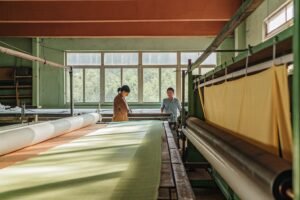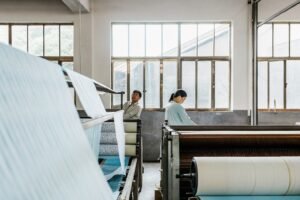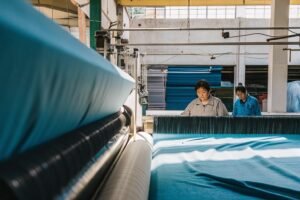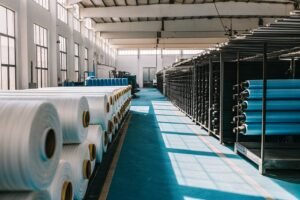
Having operated within Keqiao’s textile ecosystem for twenty years, our team regularly addresses this essential question for international clients. Contemporary professionals require shirts that maintain polished appearances throughout the workday, making fabric selection a crucial determinant in balancing professional presentation with practical maintenance.
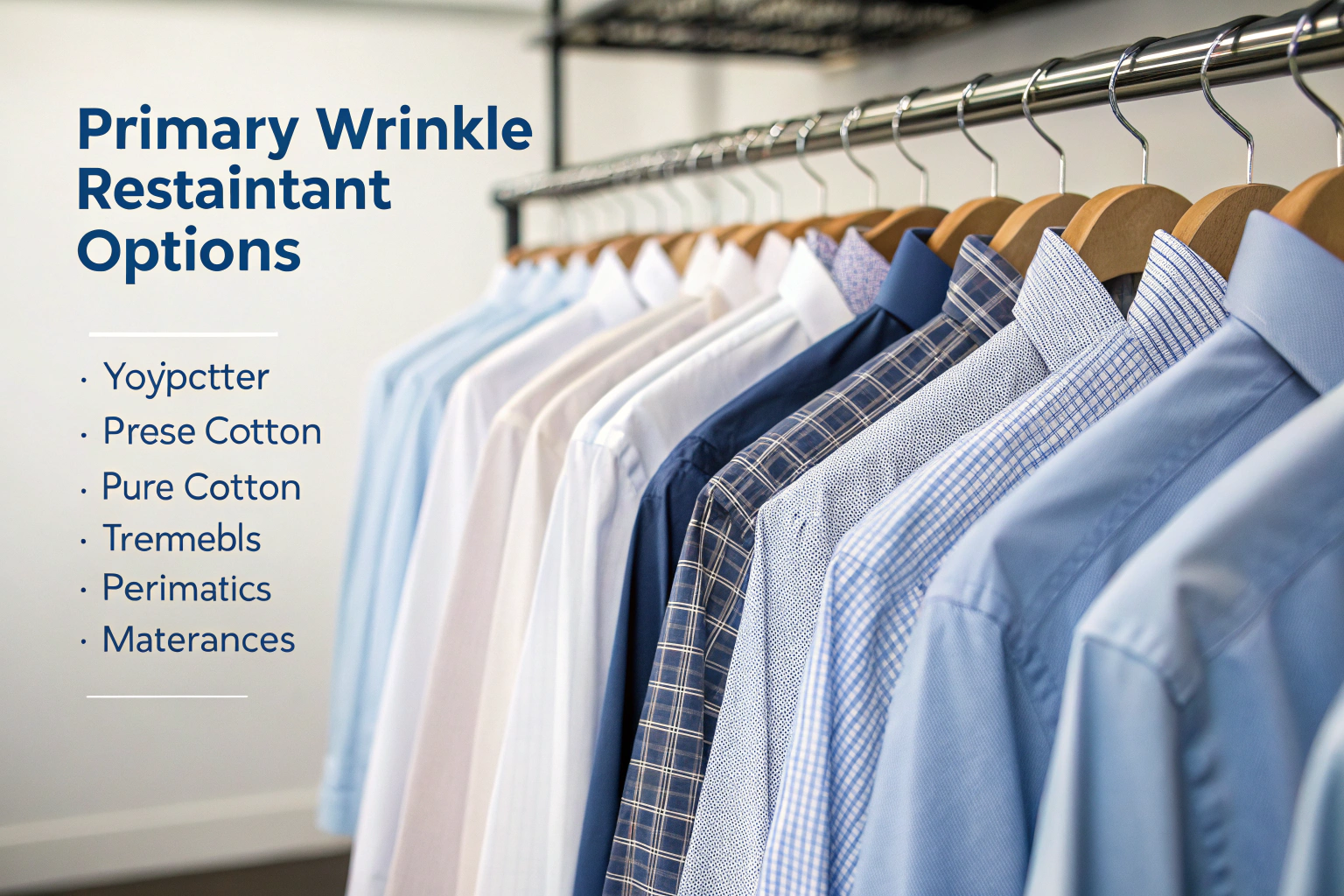
Primary wrinkle-resistant options for business shirts encompass three categories: polyester-cotton blends, pure cotton with durable press treatments, and performance materials like Tencel™. These specially engineered fabrics effectively resist creasing while preserving structural integrity, enabling wearers to project confidence during extended professional engagements.
Selecting optimal shirt material involves multidimensional evaluation. Beyond wrinkle resistance, comfort parameters, durability metrics, breathability performance, and aesthetic professionalism require systematic assessment. The following analysis examines key fabric characteristics and application scenarios.
How Do Blended Fabrics Achieve Wrinkle Resistance?
Polyester-cotton combinations have emerged as preferred solutions for maintaining shirt neatness. These innovative materials integrate complementary advantages from both natural and synthetic fiber sources.
Polyester’s intrinsic resilience forms the foundation for wrinkle prevention. These synthetic fibers demonstrate exceptional shape recovery following deformation, significantly reducing creases from daily movements. Cotton components contribute soft texture and adequate air permeability, enhancing wearing comfort. Scientific fiber proportioning creates easily maintainable fabrics that sustain professional appearances with minimal effort.

How Do Fiber Ratios Influence Performance?
Varying blend proportions generate distinct wearing experiences. The common 65% polyester/35% cotton configuration delivers outstanding crease resistance and durability. Users preferring natural tactile sensations may select balanced 50/50 blends, obtaining enhanced comfort without sacrificing anti-wrinkle functionality. High-concentration 80% polyester formulations provide maximum convenience for specialized wearing situations demanding ultimate easy-care performance.
Which Finishing Processes Enhance Functionality?
Modern textile technologies employ multiple finishing treatments to augment fabric capabilities. Durable press applications utilize resin cross-linking reactions to stabilize fiber structures, maintaining smoothness through washing cycles. Stain protection technologies create specialized barriers against liquid penetration, improving cleaning efficiency. Selected premium products incorporate nanotechnology to construct molecular-level protective layers, effectively repelling water and oil-based substances. These advanced process integrations comprehensively upgrade blended fabrics’ practical performance.
What Are the Actual Effects of Wrinkle-Resistant Cotton?
Pure cotton fabrics receive widespread appreciation for their superior comfort, while anti-wrinkle technological advancements now incorporate practical functionality. These enhanced materials preserve natural advantages while addressing traditional cotton’s wrinkling tendencies.
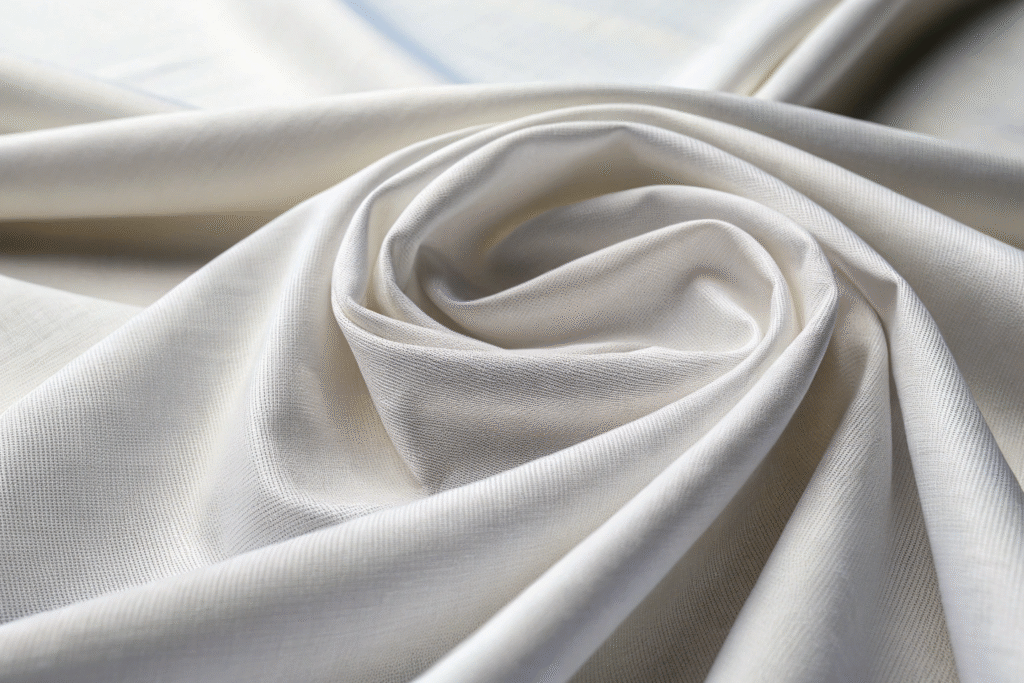
Professional anti-wrinkle treatments achieve functional breakthroughs through molecular-level modifications. Cross-linking resins establish stable network structures within fibers, imparting shape memory characteristics. This specialized configuration facilitates rapid wrinkle recovery, enabling all-day neat appearance maintenance. Treated shirts significantly reduce ironing requirements, particularly benefiting business professionals with frequent travel schedules.
What Are the Specific Implementation Methods?
Industrial production primarily utilizes two technical pathways. Durable press processes employ high-temperature curing to integrate resins with cellulose molecules, creating lasting anti-crease barriers. Vapor phase finishing technologies utilize gaseous treatment agents for penetration modification, achieving more uniform results with less fiber strength impact. These sophisticated processes share the common objective of producing shirts that maintain impeccable appearance without constant ironing.
Do Treatments Compromise Material Integrity?
Any technical modification may alter certain properties. Chemical processing slightly reduces tensile strength, though minimal impact occurs during normal wear. Individuals with sensitive skin might prefer untreated materials. Notably, contemporary eco-friendly finishing agents have substantially improved this aspect. Selecting products with Oeko-Tex® Standard 100 certification ensures chemical usage complies with international safety standards.
Why Are Performance Fibers Gaining Market Traction?
Innovative materials like Tencel™ are reshaping business shirt market dynamics. These advanced fibers successfully integrate sustainability principles, exceptional comfort, and wrinkle resistance.
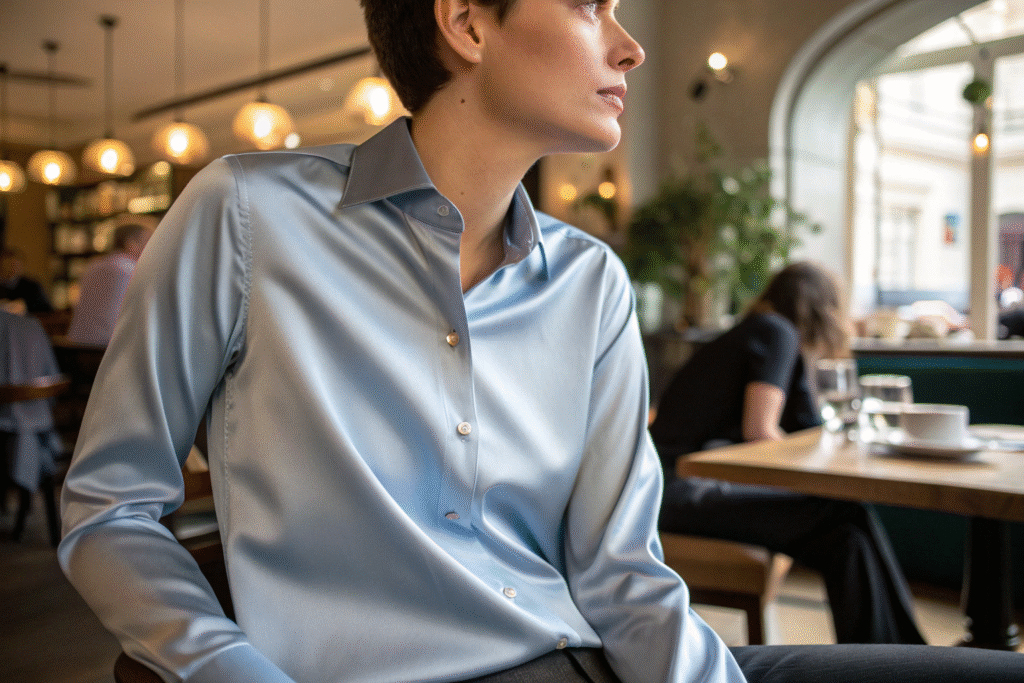
Tencel™ Lyocell’s innovative properties are redefining industry standards. This regenerated cellulose fiber from sustainable wood sources possesses unique smooth fiber structure and exceptional moisture management capabilities. Natural drape and smoothness deliver outstanding wrinkle resistance, complemented by silk-like luxurious tactile sensation. Closed-loop manufacturing achieves water recycling with over 99% solvent recovery, aligning with ecological principles.
How Does Natural Wrinkle Resistance Develop?
Fiber structural characteristics determine functional advantages. Extra-long fiber units and smooth surfaces create high dimensional stability, while superior moisture management maintains dry comfort while reducing fabric distortion from perspiration. Natural weight and draping properties allow fabric to hang smoothly, resisting permanent crease formation compared to standard cotton. Blending applications with wool and polyester further expand functional possibilities.
What Is Its Position Among Regenerated Celluloses?
Tencel™ demonstrates distinct advantages within its category. Compared to conventional viscose, it shows superior wet and dry strength indicators, ensuring shape retention and extended lifespan. Modal fibers, though renowned for softness, exhibit comparatively lower wrinkle recovery and environmental metrics. The following comparison illustrates material characteristics:
| Fabric Type | Wrinkle Resistance | Sustainability | Handfeel & Drape |
|---|---|---|---|
| Tencel™ Lyocell | Excellent | Very High | Silky Smooth |
| Modal | Good | High | Soft Flowy |
| Regular Viscose | Average | Moderate | Weaker When Wet |
Data confirms Tencel™ achieves optimal balance across key parameters, establishing itself as an ideal choice for contemporary business attire.
How Does Fabric Construction Influence Wrinkle Performance?
Textile weaving methods directly impact wrinkle resistance capabilities. Different organizational structures demonstrate noticeable variation in crease prevention.
Tight weaves generally outperform loose constructions in wrinkle resistance. Twill and poplin weaves represent preferred choices for business shirts, their compact structures minimizing yarn displacement space to effectively prevent crease formation. Oxford cloth, though more casual, provides substantial anti-wrinkle foundations. These classic constructions combined with appropriate fiber materials create genuinely low-maintenance shirt fabrics.
What Advantages Does Twill Weave Offer?
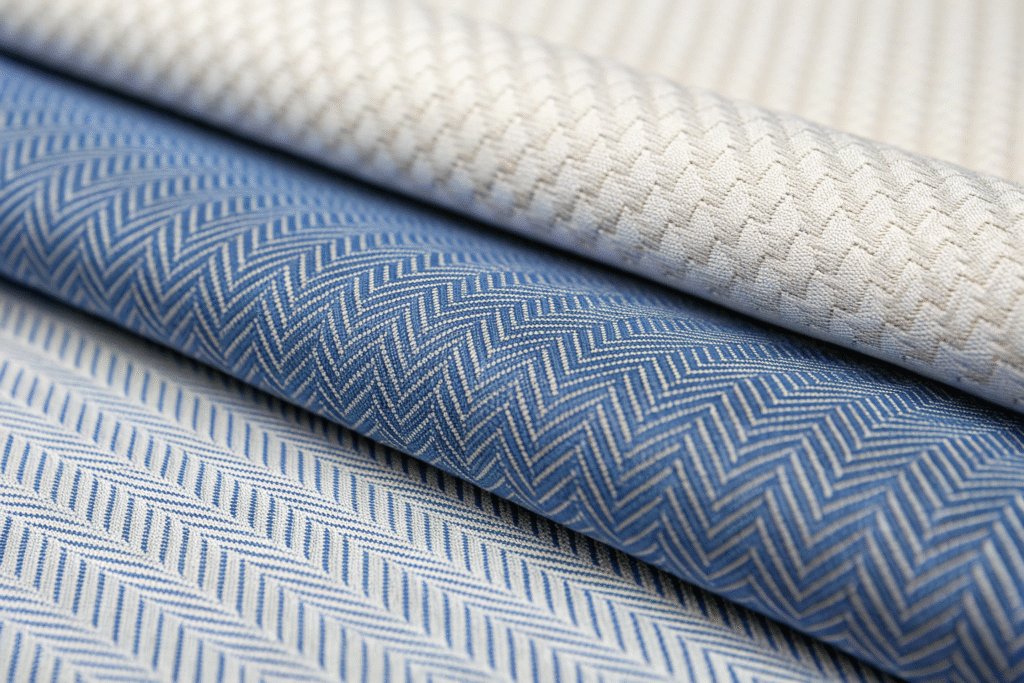
Distinct diagonal patterns provide more than visual identity. This structure formed through specific warp-weft interlacing creates denser fabric formations. Complex weaving patterns allow greater fiber flexibility, enabling effective stress absorption and rapid rebound. Inherent resilience makes fabrics like gabardine naturally wrinkle-resistant while providing elegant drape that enhances professional presence.
How Do Poplin and Oxford Compare Practically?
Both classic weaves present distinctive features:
- Poplin: Plain weave with fine ribs and consistent yarn sizes creates smooth, flat surfaces. Tight construction delivers inherent wrinkle resistance, suitable for formal business environments requiring sharp appearances
- Oxford: Basket weave construction interlaces multiple threads bidirectionally, producing thicker textured fabrics. Despite comfort and durability, relatively loose structure renders it less crease-resistant. Typically considered optimal for business casual scenarios
For formal business environments, poplin and twill constructions generally represent the most recommended options.
Conclusion
Selecting wrinkle-resistant business shirt fabrics requires aligning materials with specific needs. Consumers prioritizing durability and easy maintenance will find polyester-cotton blends reliable. Those seeking natural texture with modern functionality may prefer treated cotton. Environmentally conscious users valuing comfort will appreciate Tencel™ materials. Fabric construction remains equally crucial, with tight weaves like twill and poplin providing solid foundations for professional presentation.
Fumao Textiles specializes in manufacturing high-performance fabrics, with CNAS-certified laboratories ensuring international standard compliance. We thoroughly understand American market requirements, offering comprehensive services from fabric development to logistics coordination. For custom professional wrinkle-resistant shirt collections, please contact Business Director Elaine at elaine@fumaoclothing.com. Let’s collaborate to create exceptional products.