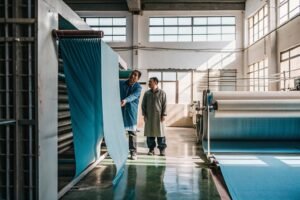
As both a textile expert and parent, I understand the importance of finding the perfect fabric for children’s clothing. The search for materials that are soft, safe, and truly eco-friendly can be challenging with so many options available. This comprehensive guide will help you navigate the world of sustainable fabrics for kidswear.
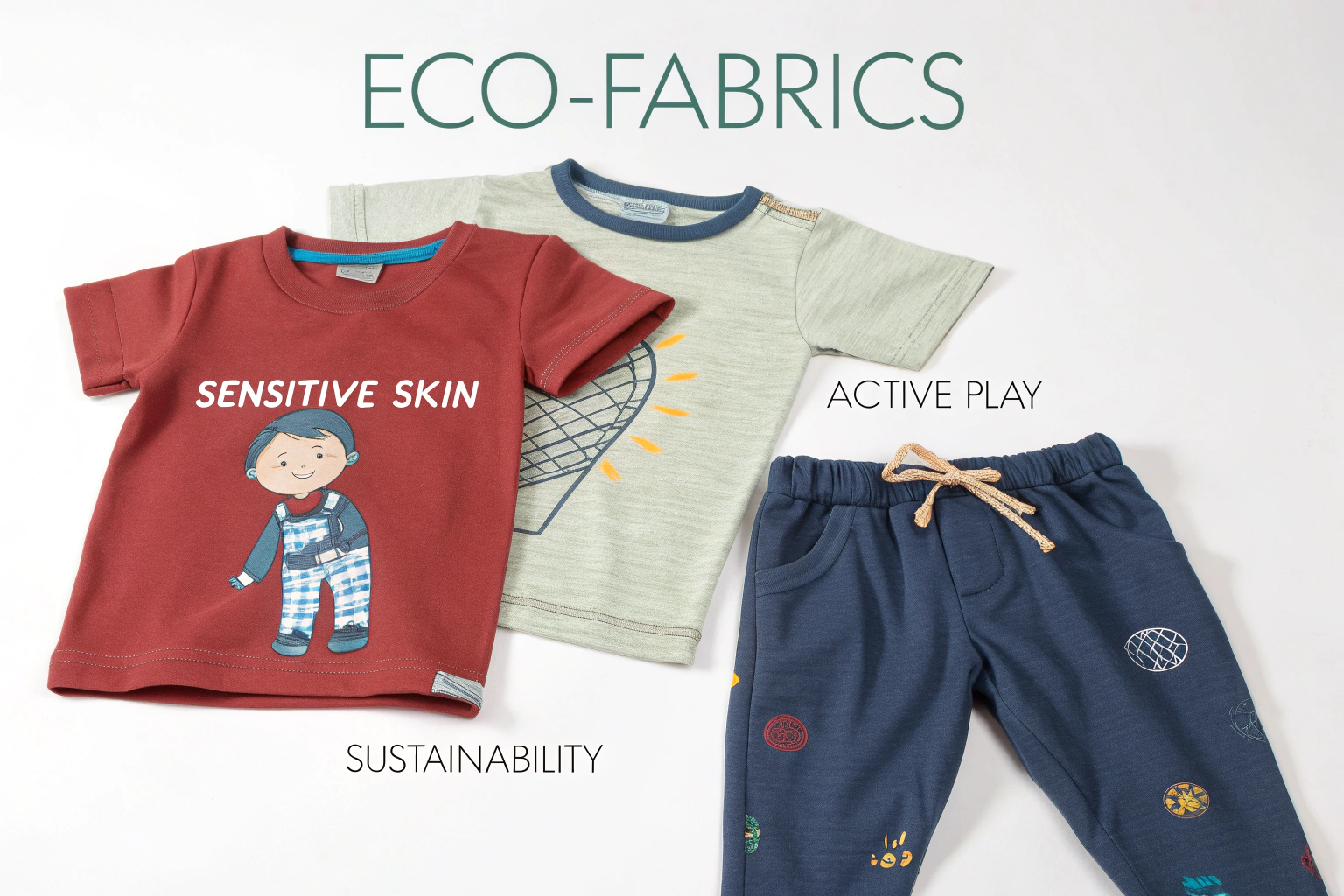
The ideal eco-fabrics for children’s clothing must balance several crucial factors: exceptional softness for sensitive skin, rigorous safety standards, durability for active play, and genuine environmental responsibility. Through our extensive experience supplying global children’s wear brands, we’ve identified three standout performers that consistently deliver on these requirements.
Let’s explore these three remarkable fabrics in detail, examining their unique properties, benefits, and ideal applications in children’s apparel.
What Defines a Truly Eco-Friendly Fabric for Children?
Understanding what makes a fabric genuinely eco-friendly is essential for making informed choices. True sustainability encompasses both environmental responsibility and product safety, particularly crucial for children’s wear where sensitive skin requires extra protection.
How Do Certifications Guarantee Fabric Safety?
Third-party certifications provide the most reliable verification of fabric safety and sustainability. The Global Organic Textile Standard (GOTS) certification ensures textiles contain at least 95% certified organic fibers and that the entire production process meets strict environmental and social criteria. Similarly, the OEKO-TEX® Standard 100 certification verifies that every component of the fabric has been tested for over 100 regulated harmful substances. These certifications are particularly vital for children’s wear, as they guarantee the absence of allergenic dyes and chemical residues that could irritate delicate skin. At our manufacturing facilities, we maintain CNAS-accredited laboratory testing and ensure all bulk materials carry appropriate certifications.
Why Does Sustainable Production Matter for Children’s Future?
Choosing genuinely eco-friendly fabrics represents an investment in our children’s future environmental health. Conventional textile production often involves significant chemical usage and resource consumption that can impact ecosystems. By selecting fabrics like organic cotton or Tencel™ Lyocell, we support production methods that preserve soil health, reduce water pollution, and minimize waste. The closed-loop manufacturing process used for Tencel™ Lyocell, which recycles over 99% of water and solvents, demonstrates how innovative technologies can dramatically reduce environmental impact. This commitment to sustainable practices helps ensure a healthier planet for future generations.
Organic Cotton: The Trusted Traditional Choice
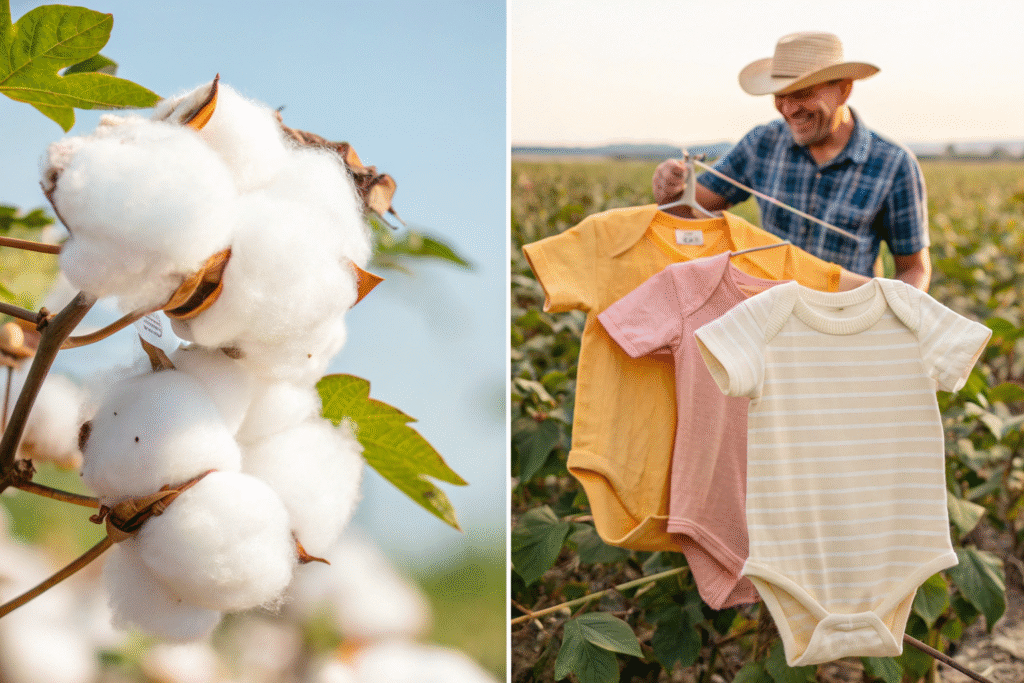
Organic cotton continues to dominate the children’s wear market for good reason. Its longstanding reputation for safety and comfort makes it a preferred choice for parents and manufacturers alike. The absence of synthetic pesticides and genetically modified seeds in its cultivation provides assurance of purity from field to finished product.
What Makes Organic Cotton Ideal for Sensitive Skin?
The natural structure of organic cotton fibers creates inherent benefits for children’s wear. The hollow, twisted fibers form tiny air pockets that enable excellent breathability, helping regulate body temperature in varying conditions. This natural ventilation system prevents overheating in warm weather and provides insulation in cooler temperatures. Furthermore, the absence of toxic chemical residues in certified organic cotton makes it naturally hypoallergenic, reducing the risk of skin irritation and allergic reactions. Our GOTS-certified organic cotton undergoes gentle, eco-friendly processing to maintain these natural benefits throughout manufacturing.
How Does Organic Cotton Withstand Active Use?
Despite common misconceptions about natural fibers, high-quality organic cotton demonstrates remarkable durability. Long-staple organic cotton fibers spin into strong yarns that resist pilling and tearing, even through vigorous play and frequent washing. This resilience makes organic cotton suitable for everything from everyday play clothes to school uniforms. When woven into appropriate constructions like jersey or twill, organic cotton maintains its shape and integrity through extended use. Our quality control processes include rigorous testing for tensile strength and colorfastness to ensure delivered fabrics meet the demanding requirements of children’s active lifestyles.
Bamboo Viscose: The Luxury Alternative
Bamboo viscose has gained significant popularity for its exceptionally soft texture that rivals luxury materials. The rapid growth cycle of bamboo plants and their natural resistance to pests contribute to its sustainable credentials, though the manufacturing process requires careful consideration.

How Sustainable Is Bamboo Fabric Production?
The environmental impact of bamboo fabric largely depends on manufacturing methodologies. While bamboo plants themselves grow rapidly without pesticides, the process of converting plant material into soft fiber traditionally involved significant chemical usage. Modern closed-loop production systems have dramatically improved this process by capturing and reusing solvents.
| Production Aspect | Conventional Method | Advanced Closed-Loop System |
|---|---|---|
| Chemical Management | Limited control with emissions | Solvents captured and recycled |
| Water Conservation | Substantial water usage | Water reuse up to 99% |
| Certification Availability | Rarely certified | Often carries OEKO-TEX® or FSC® |
We partner with manufacturers employing these advanced systems to ensure our bamboo fabrics meet stringent environmental standards.
What Are the Skin-Friendly Properties of Bamboo?
Bamboo viscose offers multiple benefits for children with sensitive skin. The smooth, round fiber structure minimizes friction against the skin, reducing irritation risk. Bamboo’s natural absorbency allows it to wick moisture away from the skin efficiently, helping maintain dryness and comfort. The fabric also possesses inherent antibacterial properties due to "bamboo kun," a natural bio-agent that helps control odor between washes. These characteristics make bamboo particularly suitable for children with skin sensitivities or those engaged in active play.
Tencel™ Lyocell: The Innovative Solution
Tencel™ Lyocell represents the forefront of sustainable fabric technology, combining environmental innovation with exceptional performance characteristics. Produced from sustainably sourced wood pulp, primarily eucalyptus trees, this fabric sets new standards for eco-efficient manufacturing.
How Does Closed-Loop Manufacturing Work?
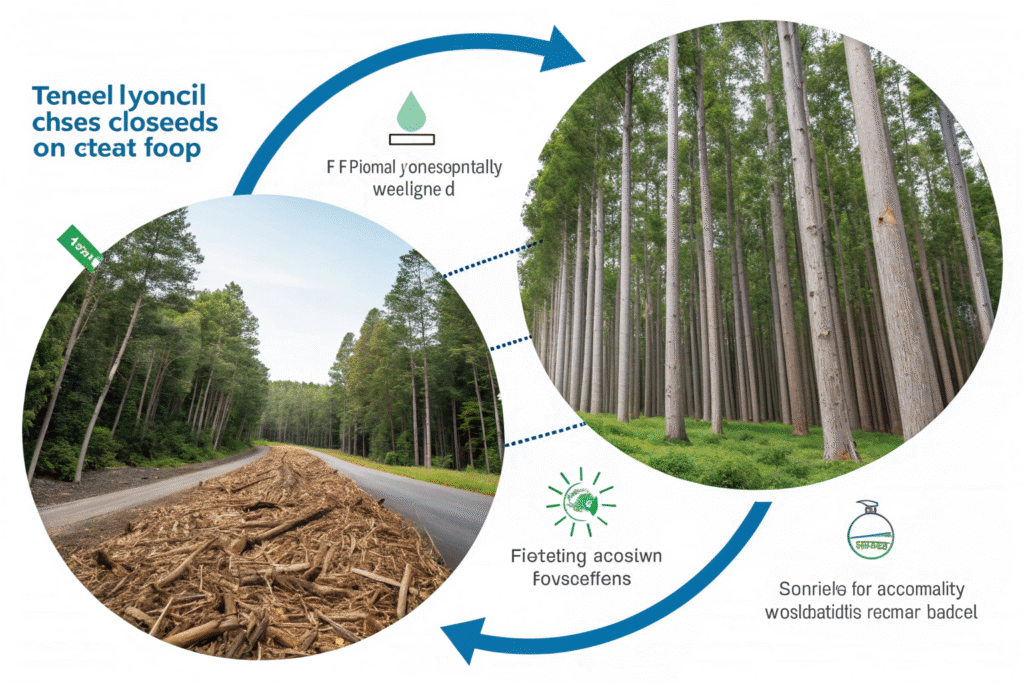
The closed-loop production process for Tencel™ Lyocell represents a breakthrough in sustainable manufacturing. Wood pulp dissolves in a non-toxic organic solvent, then passes through spinnerets to create fibers. The revolutionary aspect lies in the recovery system that captures and purifies approximately 99% of the solvent and water for continuous reuse. This methodology virtually eliminates waste emissions and significantly reduces water and energy consumption compared to conventional viscose production. This advanced approach to manufacturing aligns with our commitment to environmental responsibility and innovation.
Why Does Tencel™ Maintain Strength When Wet?
Tencel™ Lyocell possesses unique structural properties that provide exceptional wet strength. Unlike cotton, which loses significant strength when wet, Tencel™ fibers maintain nearly all their tensile strength in wet conditions. This characteristic stems from the smooth, compact molecular structure of the fibers. The practical benefit for children’s wear is enhanced durability that withstands rough play, frequent washing, and wet conditions without compromising fabric integrity. This extended lifespan contributes to the fabric’s overall sustainability by reducing replacement frequency.
Making the Right Choice: Comparative Analysis
Selecting the optimal fabric requires careful consideration of your specific needs and priorities. Each material offers distinct advantages that may align differently with various product types and brand values.
Which Fabric Provides Optimal Value?
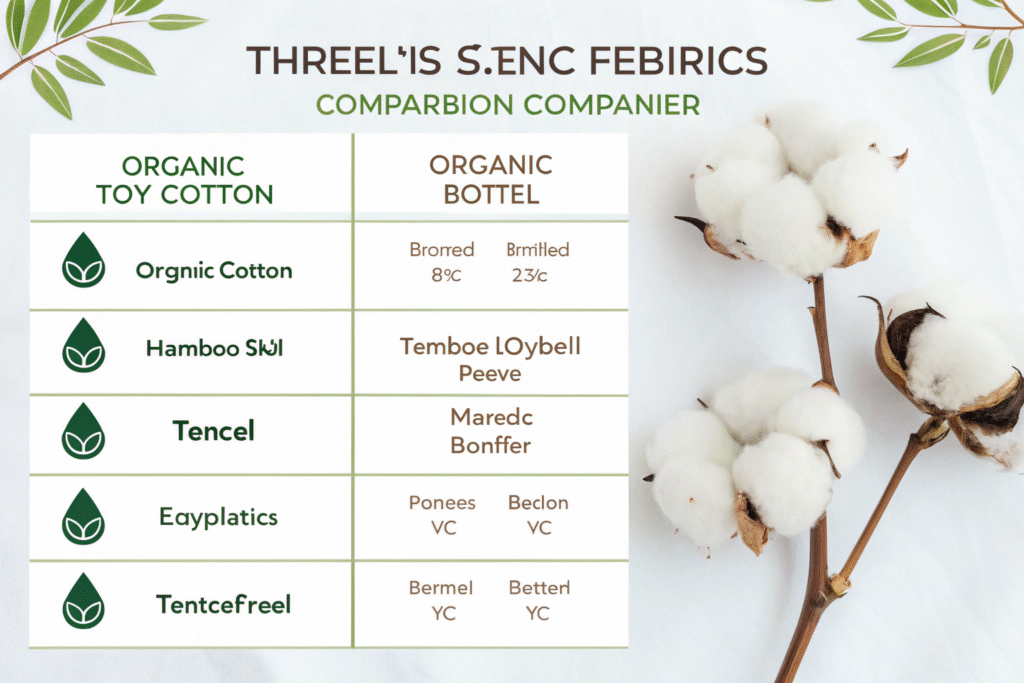
Value assessment should encompass initial cost, performance characteristics, and long-term durability. Organic cotton typically represents the most accessible price point while offering trusted performance and consumer recognition. Bamboo viscose occupies a mid-range position, justifying its cost through luxury texture and marketing appeal. Tencel™ Lyocell commands a premium price that reflects its advanced manufacturing and superior performance attributes, though its exceptional durability may provide better long-term value. Our integrated supply chain enables competitive pricing across all categories while maintaining our commitment to quality and sustainability.
How Should Each Fabric Be Cared For?
Proper care extends garment life and maintains fabric performance. Organic cotton proves highly durable through machine washing and tumble drying, particularly when pre-shrunk during manufacturing. Bamboo viscose requires more delicate handling, with cold water washing and flat drying recommended to preserve its soft texture. Tencel™ Lyocell offers easy maintenance with machine washability, shrinkage resistance, and minimal wrinkling. Providing appropriate care instructions to end consumers ensures they can maintain garment quality throughout the product lifecycle.
Conclusion
The journey to selecting the ideal eco-fabric involves balancing multiple considerations including comfort, safety, durability, and environmental impact. Each fabric—organic cotton, bamboo viscose, and Tencel™ Lyocell—offers distinct advantages that may suit different applications within your children’s wear collection.
We invite you to explore these sustainable fabric options for your next children’s wear collection. Our team brings decades of expertise in eco-textile manufacturing and can guide you from material selection through production. For personalized consultation regarding your specific requirements, please contact our Business Director, Elaine, at elaine@fumaoclothing.com. We look forward to supporting your creation of beautiful, sustainable children’s clothing.