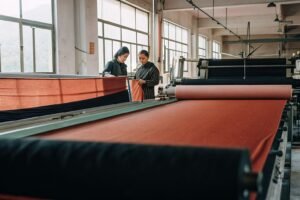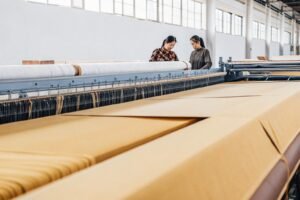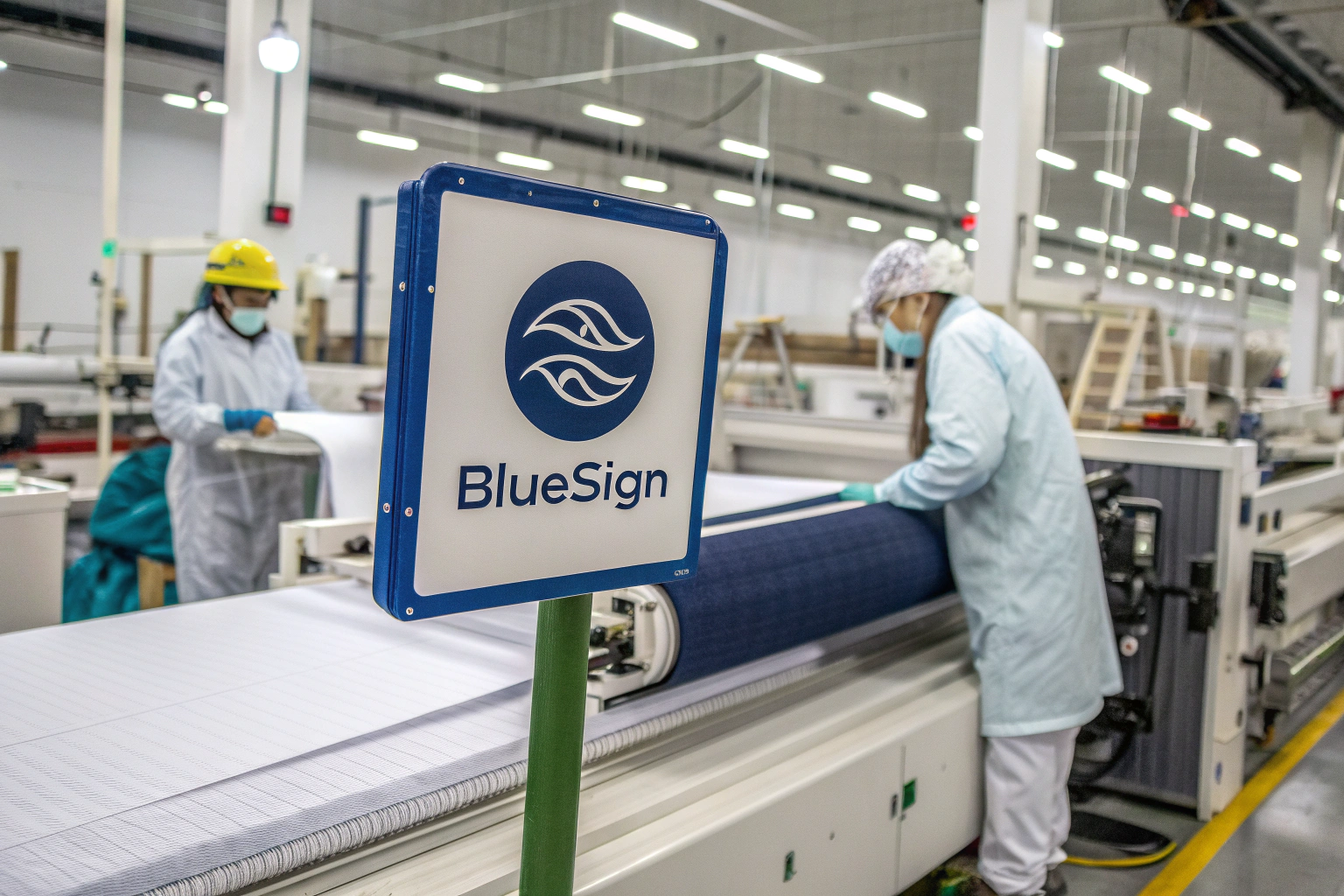
As an established fabric mill owner in Keqiao, China, I’ve witnessed firsthand how sustainability certifications have transformed our industry. When international buyers like you approach us, one question increasingly surfaces: "What exactly is Bluesign® approval, and why should it matter to my business?" This isn’t just another certification to add to your checklist—it represents a fundamental shift toward responsible manufacturing that directly impacts your supply chain reliability, brand reputation, and market competitiveness.
Bluesign® approval is an independent verification system that ensures textile products are manufactured using safe and environmentally responsible processes. For fabric mills, this certification provides a structured framework covering chemical management, resource efficiency, and worker safety throughout production. When you source from Bluesign® certified suppliers, you’re not just purchasing fabrics—you’re investing in verified sustainable manufacturing practices that align with global environmental standards and consumer expectations.
Understanding this certification’s significance requires examining its practical implications for your sourcing strategy. Let me guide you through how Bluesign® works and why it has become essential for forward-thinking businesses in the textile industry.
How Does the Bluesign® System Ensure Sustainable Fabric Production?
The Bluesign® system operates on five interconnected principles that create a comprehensive approach to sustainable manufacturing. These principles work together to address environmental impact, product safety, and social responsibility throughout the production chain.
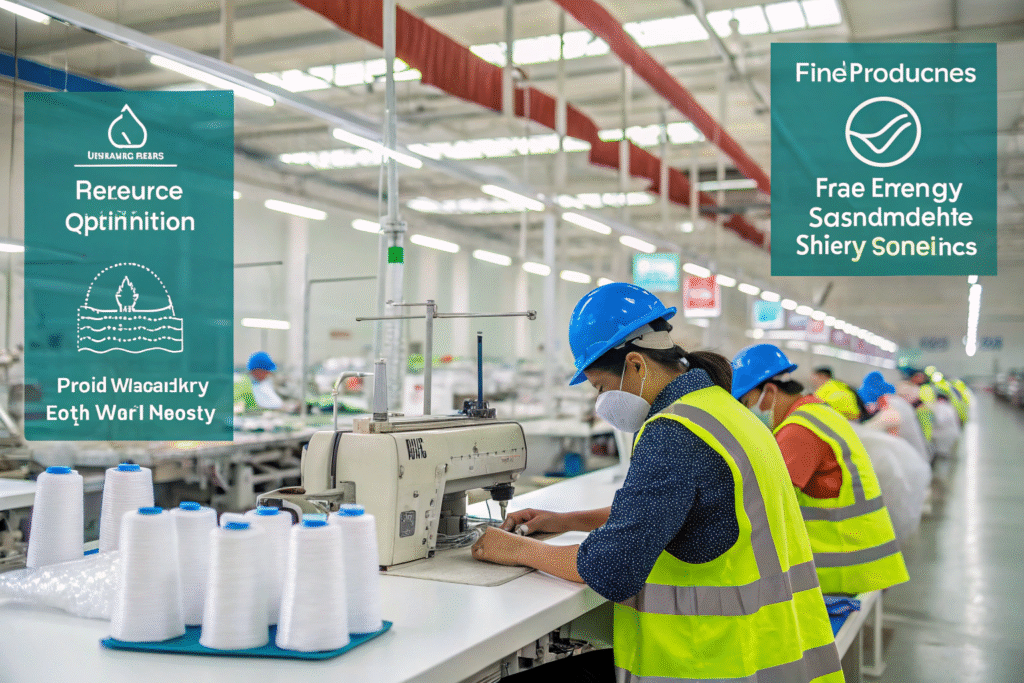
Resource Productivity forms the foundation by optimizing water, energy, and raw material usage. Consumer Safety guarantees that final textile products contain no harmful substances. Water Emission standards ensure wastewater meets strict purity requirements, while Air Emission controls minimize atmospheric pollution. Occupational Health and Safety protocols protect workers throughout the manufacturing process. Together, these principles create a holistic system that transforms conventional fabric production into a responsible, transparent process.
What Practical Benefits Does Resource Productivity Offer Manufacturers?
Resource Productivity delivers measurable advantages that extend beyond environmental compliance. By systematically tracking and optimizing resource consumption, mills can significantly reduce production costs while minimizing ecological impact. In our facility, implementing resource productivity measures meant installing advanced monitoring systems that track water and energy usage in real-time. This data-driven approach has helped us reduce water consumption by 30% and energy usage by 22% over three years while maintaining product quality. These efficiency improvements not only lower operational costs but also build resilience against resource price volatility in the global market. The transition toward resource-efficient manufacturing represents a strategic advantage that aligns with the broader movement toward a circular economy in textiles.
How Does Consumer Safety Protection Enhance Brand Value?
Consumer Safety protocols provide brands with verified protection against product liability and reputation damage. The Bluesign® system maintains a constantly updated list of restricted substances that goes beyond regulatory requirements, ensuring that certified fabrics meet the highest safety standards. In our mill, we’ve implemented a rigorous chemical management system where every input—from dyes to finishing agents—must pass through our approved chemical inventory. This proactive approach eliminates the risk of hazardous substances entering your supply chain, providing peace of mind particularly for brands manufacturing children’s wear or products for sensitive markets. The growing consumer demand for verified safe products makes this certification increasingly valuable for brands targeting environmentally conscious markets in North America and Europe.
What Steps Must Fabric Mills Take to Achieve Bluesign® Certification?
The certification process requires a systematic transformation of manufacturing operations, beginning with a comprehensive assessment and continuing through ongoing compliance monitoring. This journey typically spans several months as mills align their processes with Bluesign®’s rigorous standards.
The process initiates with a gap analysis conducted by Bluesign® experts, who evaluate current operations against certification criteria. Mills must then develop and implement an action plan addressing identified deficiencies, particularly in chemical management, environmental controls, and workplace safety. Following implementation, a formal audit verifies compliance before certification is awarded. Maintaining certification requires annual surveillance audits and continuous improvement, ensuring that certified mills don’t just meet standards initially but maintain them consistently over time.

Why Is Chemical Management Central to Bluesign® Certification?
Chemical management represents the core of the Bluesign® system, controlling what substances enter the production process from the very beginning. The Bluesign® CHEMICAL GATEWAY provides a comprehensive screening process that evaluates each chemical component for environmental and toxicological properties before approval. During our certification process, we had to document and verify every chemical in our production, requiring close collaboration with our suppliers to ensure full transparency. This systematic approach eliminates guesswork about substance safety and provides brands with scientifically verified assurance that their fabrics contain no harmful chemicals. This level of supply chain control has become particularly valuable for brands developing sustainable product lines that require verified environmental credentials.
How Do Resource Efficiency Assessments Drive Operational Improvements?
Resource efficiency assessments provide a structured framework for identifying and implementing conservation opportunities throughout manufacturing operations. These evaluations examine water consumption, energy usage, and material efficiency metrics specific to textile production. In our facility, the assessment revealed significant heat recovery opportunities in our dyeing processes, leading to installations that capture and reuse thermal energy that was previously wasted. Implementing these improvements not only satisfied certification requirements but also reduced our operating costs by approximately 15%. The focus on continuous improvement in resource efficiency aligns with global sustainability frameworks like the United Nations Sustainable Development Goals, particularly Goal 12 addressing responsible consumption and production patterns.
What Competitive Advantages Does Bluesign® Certification Offer International Buyers?
Sourcing from Bluesign® certified mills provides distinct business advantages that extend beyond environmental compliance to impact operational efficiency, risk management, and market positioning. These benefits deliver tangible value throughout your supply chain.
The certification serves as independent verification that fabrics meet rigorous international standards, simplifying your due diligence process. It ensures supply chain transparency from raw materials to finished products, reducing compliance risks in regulated markets. Additionally, Bluesign® certification enhances your brand’s sustainability credentials, providing verified content for marketing communications. Perhaps most importantly, it future-proofs your supply chain against increasingly stringent global regulations concerning chemical safety and environmental impact.
| Advantage | Business Impact |
|---|---|
| Supply Chain Transparency | Complete visibility from chemical inputs to finished fabric, enabling informed sourcing decisions |
| Regulatory Compliance | Reduced risk of non-compliance with international standards like REACH and CPSIA |
| Market Access | Smoother entry into environmentally regulated markets including the EU and North America |
| Brand Enhancement | Verified sustainability claims that resonate with conscious consumers |
How Does Bluesign® Certification Enhance Supply Chain Visibility?
The certification creates unprecedented transparency by tracing every component used in fabric manufacturing. Bluesign® certified mills must maintain detailed documentation of all chemical inputs and production processes, providing buyers with a clear view of their supply chain’s environmental footprint. This transparency begins at the chemical supplier level and extends through every manufacturing stage to the finished fabric. For buyers, this means moving beyond vague sustainability claims to possessing verified data about product composition and manufacturing conditions. This level of supply chain transparency has become increasingly important to consumers and stakeholders who expect brands to demonstrate responsible sourcing practices through credible verification systems.
How Does Certification Mitigate International Trade Risks?
Bluesign® certification significantly reduces importation risks by ensuring consistent compliance with international regulatory standards. The system aligns with major global regulations including Europe’s REACH legislation, North America’s CPSIA, and various international restricted substance lists. When sourcing from certified mills, you receive documented evidence of compliance that simplifies customs clearance and reduces the risk of shipment rejections or delays. This proven compliance record is particularly valuable for U.S. buyers concerned about increasing regulatory scrutiny of imported textile products. The certification essentially provides a streamlined pathway through complex international regulatory landscapes, saving time and reducing compliance costs.
How Has Fumao Textiles Implemented Bluesign® Standards?
Our journey toward Bluesign® certification required fundamental changes to our operational philosophy, transforming how we approach manufacturing at every level. This transition wasn’t merely about compliance—it represented a strategic decision to align our business with the evolving expectations of global partners.
We began by completely restructuring our chemical management system, establishing partnerships exclusively with Bluesign® approved chemical suppliers. Our CNAS-certified laboratory became the cornerstone of this effort, equipped with advanced testing equipment to verify compliance throughout production. Simultaneously, we implemented comprehensive training programs to ensure every team member understands their role in maintaining these standards. The result is a manufacturing ecosystem where sustainability isn’t an add-on but an integral component of our operational DNA.

What Laboratory Enhancements Supported Our Bluesign® Implementation?
Achieving certification required significant investment in our CNAS-certified laboratory capabilities, particularly in chemical analysis and verification technologies. We installed advanced spectrometry equipment that enables precise identification and quantification of chemical substances in our materials. This analytical capacity allows us to conduct preemptive screening of all incoming chemicals and raw materials, ensuring compliance before materials enter production. These laboratory enhancements have transformed our quality assurance processes, enabling data-driven decisions that align with both Bluesign® standards and international quality management protocols. The laboratory now serves as the scientific foundation for our sustainable manufacturing practices.
How Has Bluesign® Integration Enhanced Our Fabric Development?
Implementing Bluesign® standards has fundamentally improved our research and development processes by providing a clear framework for sustainable innovation. Our development team now works within a defined palette of approved chemicals and processes, which has paradoxically accelerated innovation by eliminating time-consuming safety evaluations of new substances. This structured approach has been particularly valuable in developing our eco-friendly fabric collections, including advanced recycled polyester and Tencel™ blends. The certification provides a verified foundation for our sustainability claims, giving clients confidence that our new developments align with their corporate responsibility objectives. This alignment between innovation and responsibility has become a key differentiator in the global textile market.
Conclusion
Bluesign® certification represents far more than a compliance achievement—it embodies a comprehensive approach to textile manufacturing that addresses environmental responsibility, product safety, and supply chain transparency. For international buyers, partnering with Bluesign® certified mills provides verified assurance that fabrics meet the highest standards of sustainability and safety while mitigating regulatory and reputational risks. The certification delivers tangible business value through streamlined compliance, enhanced brand reputation, and future-proofed supply chains.
At Fumao Textiles International, we’ve embedded these principles throughout our operations, from weaving and dyeing to finishing and quality control. Our commitment to Bluesign® standards reflects our dedication to being more than just a fabric supplier—we aim to be a strategic partner in your sustainability journey. If you’re seeking a reliable manufacturing partner who combines quality craftsmanship with verified responsible practices, we invite you to connect with us. For a detailed discussion about how we can support your specific requirements, please contact our Business Director, Elaine, at elaine@fumaoclothing.com. Let’s collaborate to create textiles that meet your quality expectations while advancing our shared commitment to a more sustainable industry.