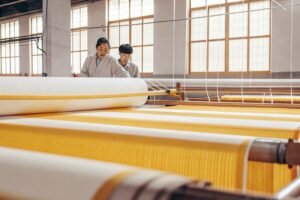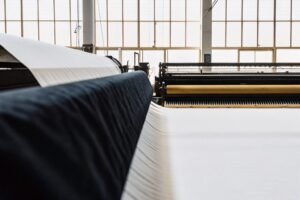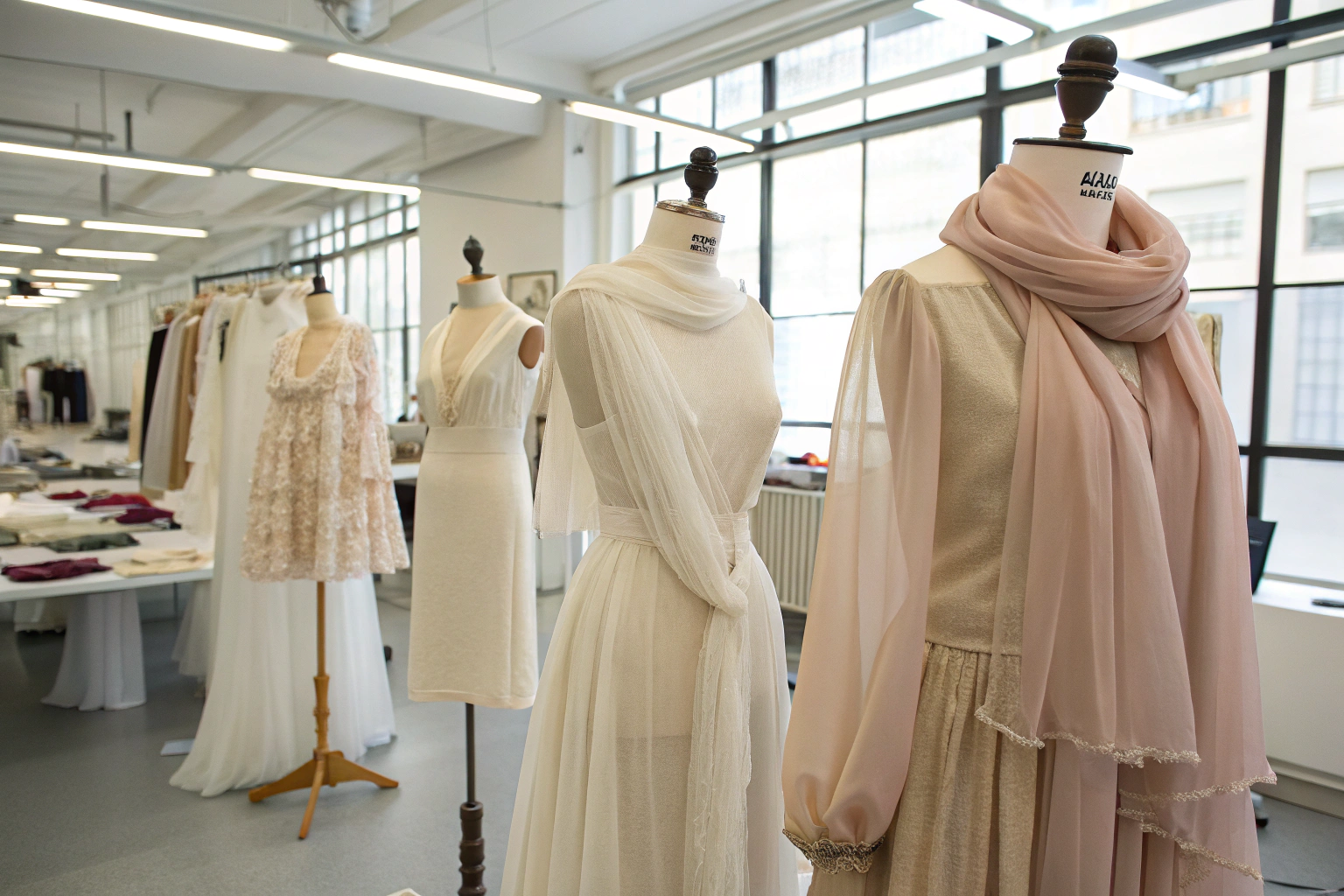
Chiffon is one of the most refined fabrics in the textile industry. Known for its sheer structure, lightweight composition, and graceful drape, chiffon has long been associated with sophistication in both fashion and home décor. It is woven using highly twisted yarns, traditionally silk, but now also polyester, nylon, and blends.
Chiffon fabric is widely used for evening gowns, dresses, blouses, scarves, lingerie, and decorative interiors because of its delicate texture and transparent elegance.
This article explains the main uses of chiffon in clothing and design, highlighting why it remains a global favorite.
How is chiffon used in evening wear?
Chiffon is strongly associated with evening gowns and formal fashion.
Its light and airy drape makes it a staple in wedding dresses, bridesmaid gowns, and cocktail attire.
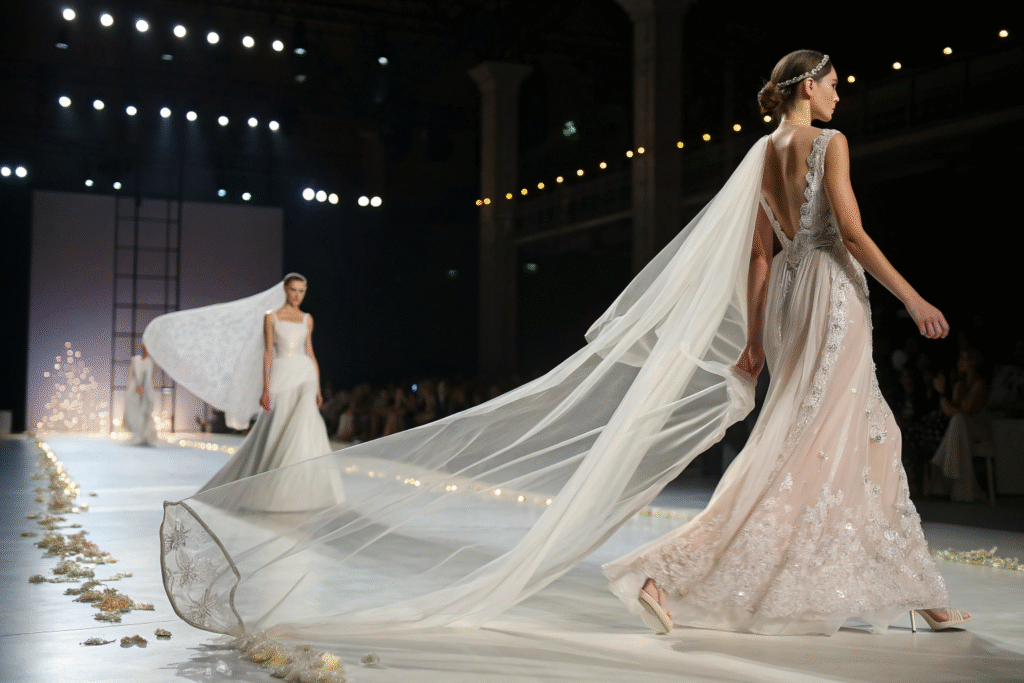
Why is chiffon chosen for gowns?
Chiffon layers create a floating effect, adding elegance without weight. Wedding dresses often feature chiffon overlays to enhance volume. See Brides wedding fabric guide and Sewport chiffon fabric overview.
How do designers use chiffon creatively?
Chiffon is layered over satin or taffeta for contrast. This layering creates depth while maintaining softness. Read more at MasterClass chiffon guide and fashion history references.
How is chiffon used in dresses and blouses?
Chiffon is widely used in summer dresses, tunics, and blouses.
Its breathable and semi-transparent qualities make it ideal for layering.
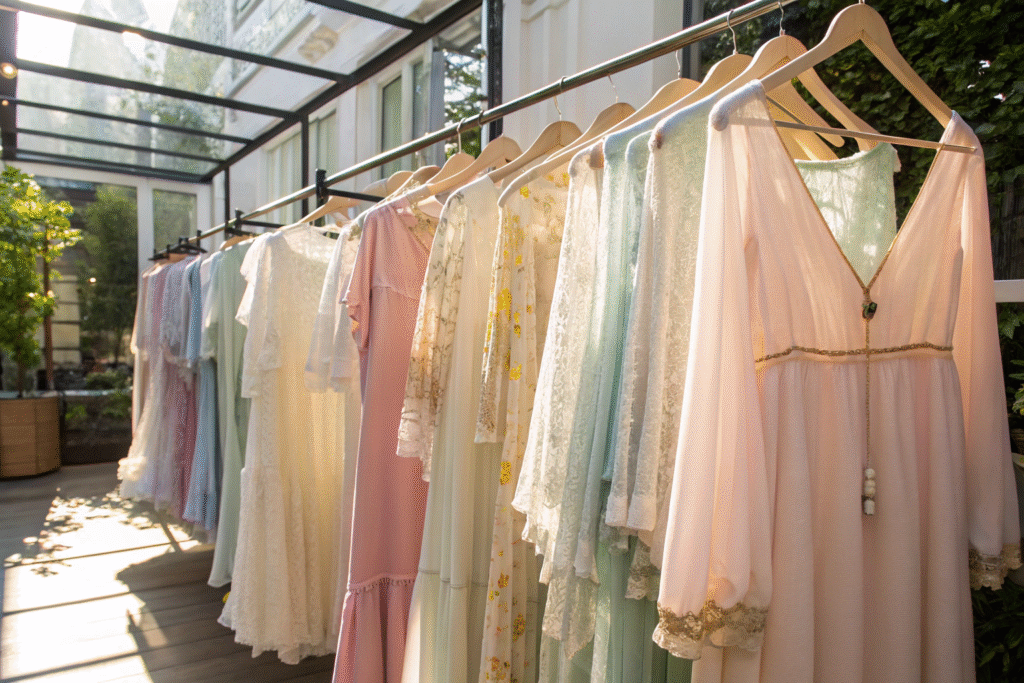
Why is chiffon suitable for summer clothing?
The fabric’s open weave allows air circulation, preventing heat buildup. Learn more at summer fabric guide and Textile Affairs directory.
How do designers style chiffon tops?
Designers often pair chiffon with linings to maintain modesty while showcasing its elegance. More at MasterClass chiffon usage and Vogue trends.
How is chiffon used in scarves and accessories?
Chiffon scarves, veils, and wraps add refinement to accessories.
The fabric’s softness and translucency make it popular in both bridal and casual fashion.
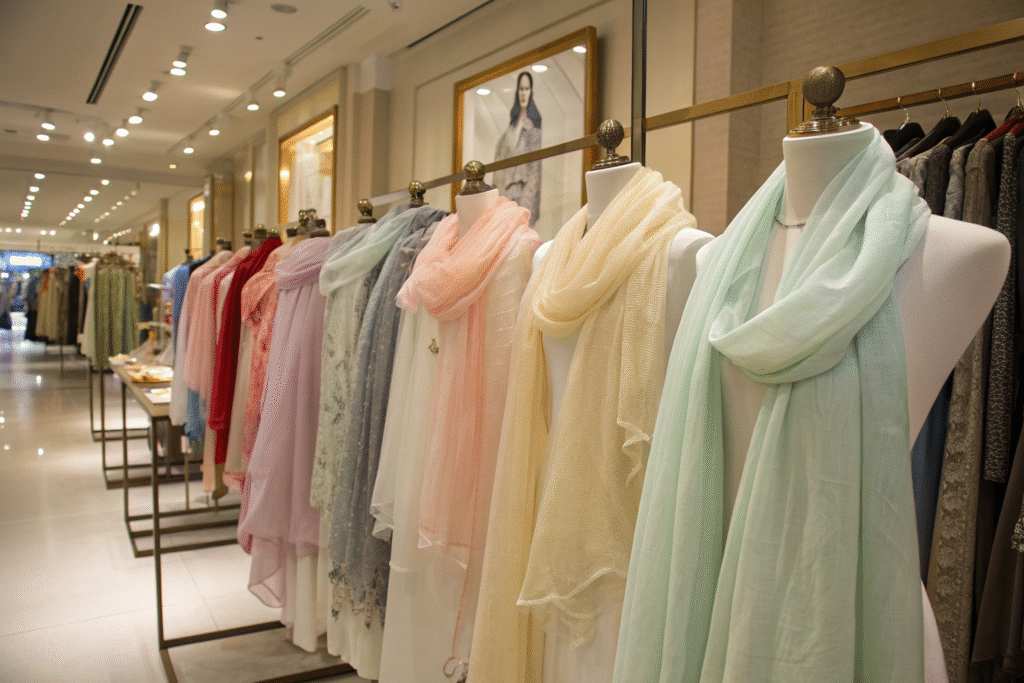
Why is chiffon ideal for scarves?
Chiffon scarves are comfortable, stylish, and easy to style. See scarf fabric directory and Sewport scarf fabrics.
How does chiffon elevate bridal accessories?
Bridal veils and wraps often feature chiffon for a delicate finish. More details at The Knot fabric guide and Brides accessories overview.
How is chiffon used in lingerie and intimate apparel?
Chiffon’s lightweight softness suits lingerie, robes, and intimate wear.
Its transparency and flowing drape create elegance in luxury apparel.
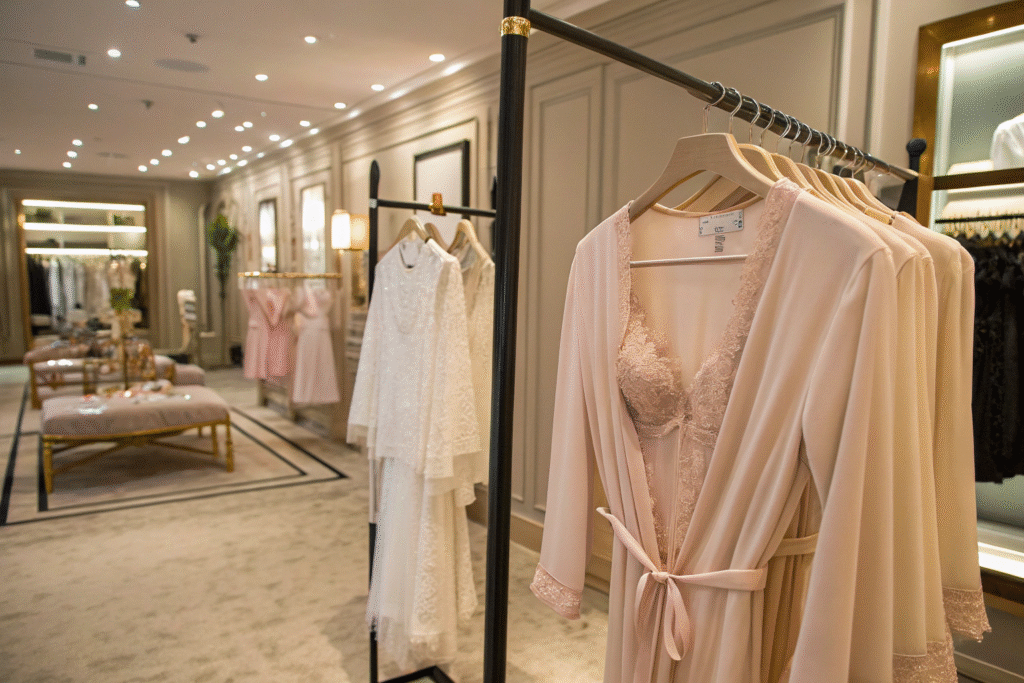
Why does chiffon work in lingerie?
Its transparency adds allure, making it a favored choice for designers. See lingerie fabric guide and Sweet Lingerie fabric insights.
How do fabric blends enhance chiffon lingerie?
Blending chiffon with elastane improves flexibility and comfort. Read more at blended fabric directory and stretch fabric research.
How is chiffon used in home décor?
Chiffon’s uses extend beyond apparel into home textiles.
Curtains, drapes, and table overlays made of chiffon enhance light diffusion and elegance.

Why is chiffon practical for curtains?
It allows natural light while providing a decorative finish. See Houzz chiffon curtain inspirations and The Spruce curtain selection guide.
How is chiffon applied in decoration?
Event planners use chiffon overlays for weddings and interiors. More at Event Decor Direct fabrics and decorative fabric uses.
Conclusion
Chiffon continues to play a central role in both fashion and interiors. It is valued for its lightweight transparency, graceful drape, and versatility across gowns, blouses, scarves, lingerie, and curtains.
For designers, chiffon provides freedom to create layered, flowing garments. For buyers, it offers commercial appeal across multiple sectors.
At Shanghai Fumao, we produce chiffon fabrics in silk, polyester, and blends. With OEKO-TEX certification and professional finishing, our chiffon meets international standards of safety and sustainability. For sourcing high-quality chiffon fabrics, contact our Business Director Elaine at elaine@fumaoclothing.com.