Perspiration carries a wealth of biological data, from electrolytes to stress markers, that can revolutionize how we monitor health and performance. Yet, traditional sweat-monitoring devices often rely on bulky electronics, external batteries, or intrusive designs that compromise comfort and usability.
Self-powered biosensing perspiration analysis textiles solve this problem by embedding nanotechnology and energy-harvesting systems directly into fabrics, allowing for continuous, comfortable, and battery-free monitoring.
This innovation combines the natural sweat process with intelligent textiles, making it possible to measure hydration, fatigue, and even disease biomarkers in real time, without interrupting daily activities or athletic performance.
How Do Self-Powered Sweat-Sensing Textiles Work?
When we think of health monitoring, most people picture wristbands or medical patches. But what if the very shirt you wear could become a lab on fabric?
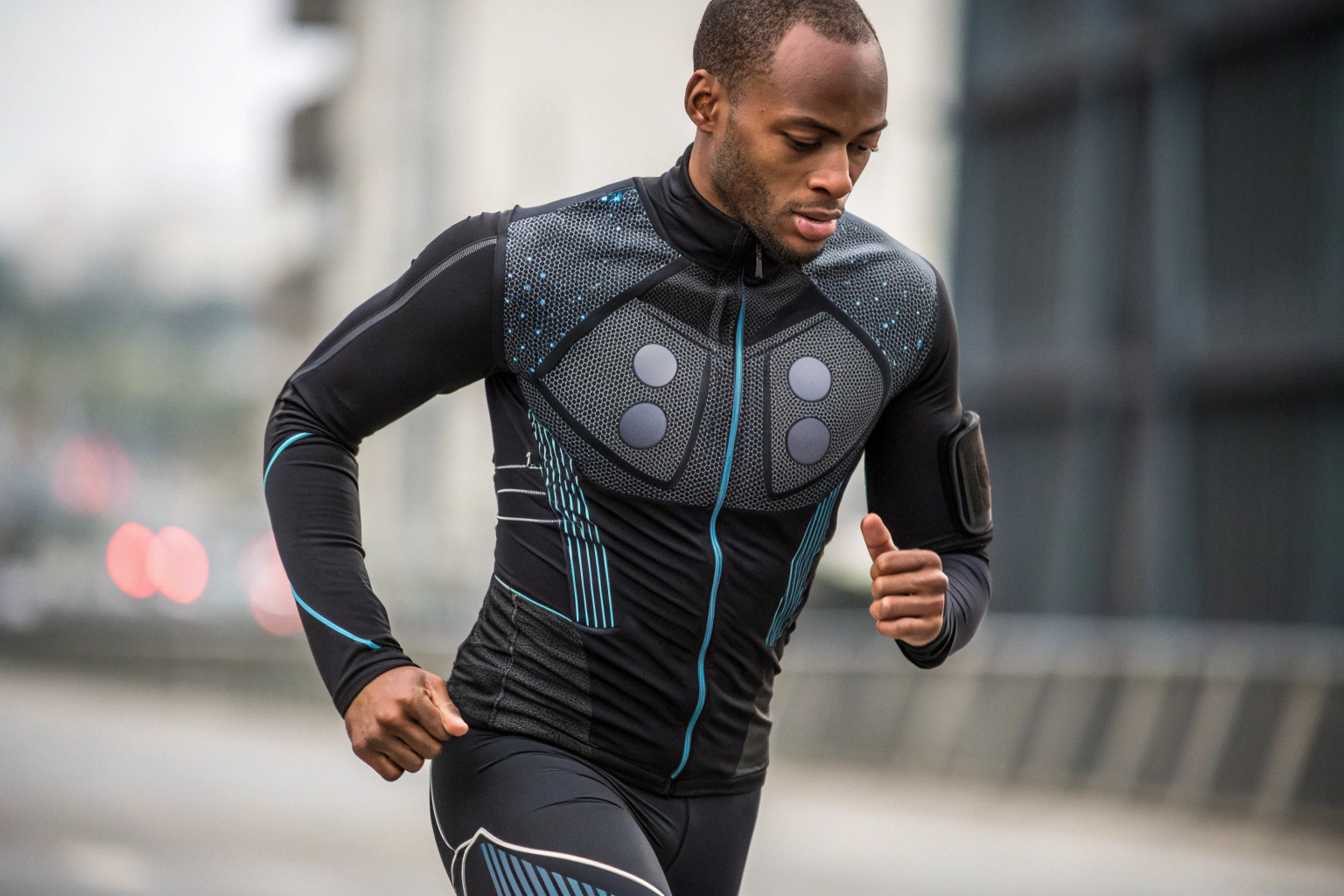
These textiles integrate microfluidic channels, conductive yarns, and nanogenerators that harvest energy from motion and body heat, powering sensors that analyze sweat composition instantly.

Are the Energy Systems Reliable?
The fabrics rely on triboelectric nanogenerators (TENGs) and piezoelectric fibers, which convert mechanical motion like walking or stretching into usable energy. Studies from Nature Nanotechnology show that TENG-based fabrics can generate stable output even after thousands of washing cycles. This means the sensors remain durable and functional under real-world conditions.
Can These Textiles Accurately Read Sweat Biomarkers?
Yes. Researchers from ACS Nano have demonstrated textile-integrated biosensors that track glucose, lactate, and cortisol levels with high accuracy. These results make them suitable not only for athletes but also for clinical health monitoring.
What Are the Benefits for Athletes and Patients?
Performance, comfort, and early detection are critical concerns whether you are training for a marathon or monitoring chronic illness.
Self-powered biosensing textiles provide continuous, real-time data without external batteries or uncomfortable devices, making them ideal for long-term wear in both sports and healthcare.

How Do Athletes Gain an Edge?
Athletes can track hydration, electrolyte loss, and lactic acid build-up during training. According to Sports Medicine Journal, hydration imbalance is one of the leading causes of fatigue and injury. These fabrics help optimize recovery and prevent dehydration risks.
How Do Patients Benefit in Healthcare?
Patients with diabetes, cardiovascular disease, or stress disorders can benefit from non-invasive, continuous monitoring. By analyzing sweat glucose or cortisol, these fabrics reduce the need for invasive blood tests. Clinical trials reported by PubMed confirm their potential for early disease detection.
Are They Environmentally Friendly?
One challenge of wearable electronics is electronic waste. With millions of disposable sensors in circulation, sustainability becomes crucial.
These textiles use biodegradable polymers, eco-friendly nanomaterials, and renewable energy harvesting, reducing reliance on batteries and harmful chemicals.

What Makes Them Sustainable?
Manufacturers are developing biosensors with cellulose nanofibers and silk proteins, which are biodegradable. According to ScienceDirect, these biomaterials break down naturally without polluting the environment.
How Do They Compare to Traditional Devices?
Unlike traditional wearables that require frequent charging and battery replacements, self-powered textiles last longer and reduce electronic waste. This aligns with UN Sustainable Development Goals for sustainable production and health innovation.
What Is the Future of Biosensing Textiles?
The market for smart fabrics is expanding rapidly, with projections showing billions in growth by the next decade.
Self-powered perspiration analysis textiles are expected to move from research labs to commercial markets, enabling integration into sportswear, military uniforms, and healthcare garments.

Will Consumers Adopt Them Quickly?
Yes. As costs decrease and reliability improves, consumers will prefer clothing that doubles as a health-monitoring tool. Reports from MarketsandMarkets predict that the global smart textiles market will exceed $15 billion by 2030.
Could Hospitals and Clinics Use Them?
Hospitals are already testing biosensing hospital gowns and bandages. These smart textiles could cut down medical costs, reduce invasive testing, and improve patient comfort, according to NIH research.
Conclusion
Self-powered biosensing perspiration analysis textiles combine sustainability, comfort, and advanced health monitoring in one innovative solution. They promise to change the way athletes train, how patients manage diseases, and how consumers interact with their clothing.
For fabric buyers and apparel innovators, this is the future of textiles—intelligent, eco-friendly, and performance-driven. If you want to co-develop next-generation biosensing fabrics, we at Shanghai Fumao are ready to collaborate. Contact our Business Director, Elaine, at elaine@fumaoclothing.com to start your custom order journey.