
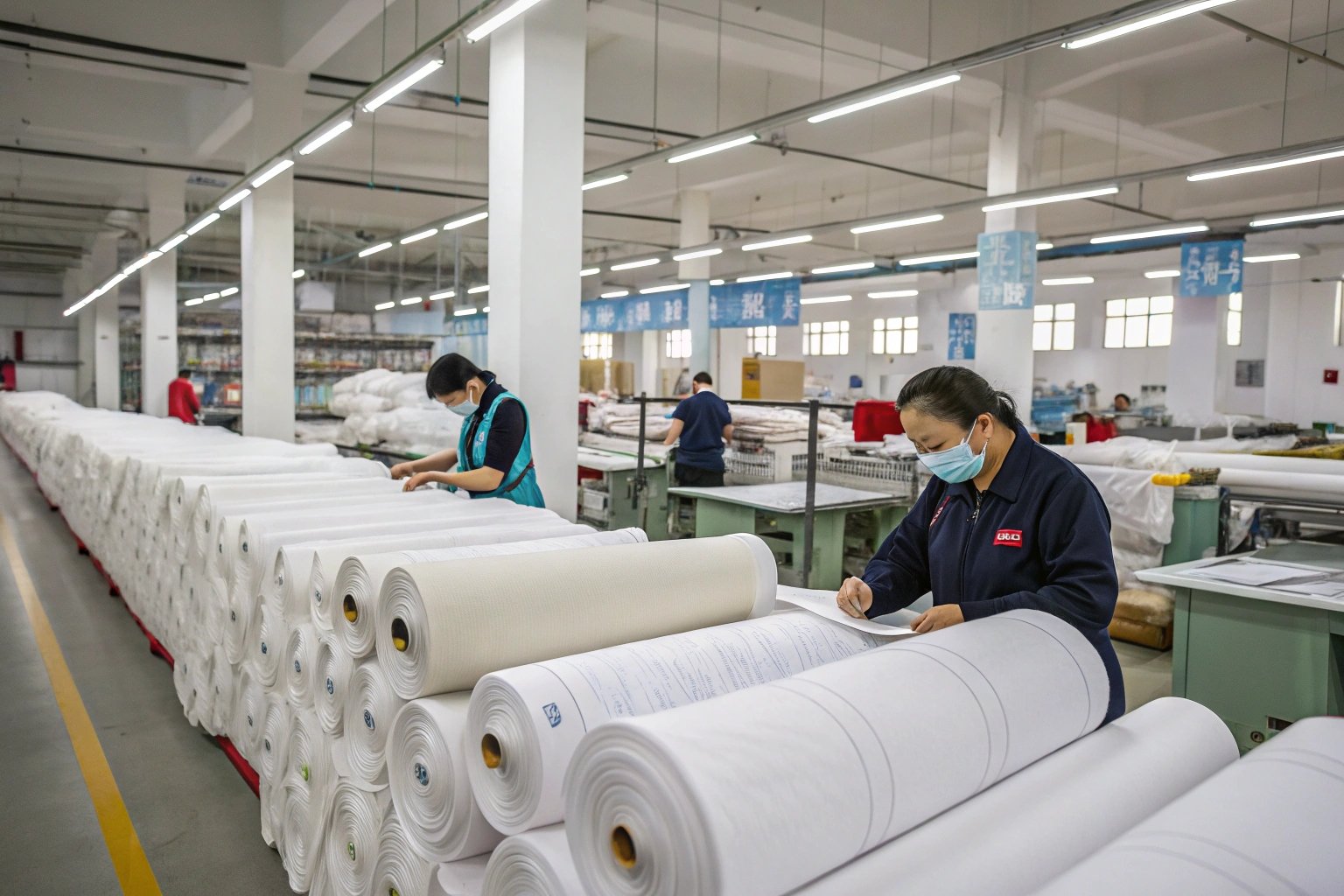
Sourcing fabric at small order quantities (low-MOQ) without sacrificing quality can be challenging. You might worry about high costs, quality inconsistencies, or suppliers unwilling to handle small orders. Imagine partnering with a country known for efficiently producing high-quality fabrics at affordable costs, even at low MOQs—could China be the perfect solution?
China is an ideal choice for high-quality, low-MOQ fabric production due to its extensive textile infrastructure, skilled workforce, advanced technology, and highly integrated supply chain. Cities like Keqiao enable fast and cost-effective production, allowing manufacturers to deliver quality fabrics even in small batches. China’s flexibility and scale ensure excellent quality control, innovative fabric solutions, and competitive pricing for businesses of all sizes.
Let’s explore why China excels in high-quality, low-MOQ fabric manufacturing and how it can benefit your textile sourcing strategy.
Why is it better to manufacture fabric in China?
Choosing the wrong country for fabric production often means sacrificing quality, flexibility, or affordability. Imagine confidently sourcing fabrics from a location providing reliable quality, efficiency, and affordability at any scale. What makes China superior for fabric manufacturing?
Manufacturing fabric in China is better due to its vast and highly developed textile infrastructure, advanced technology, skilled workforce, competitive pricing, and unmatched speed in sample development and production. China’s comprehensive textile ecosystem enables businesses to access innovative fabrics, rapid customization, and flexible MOQs without compromising quality or delivery timelines.
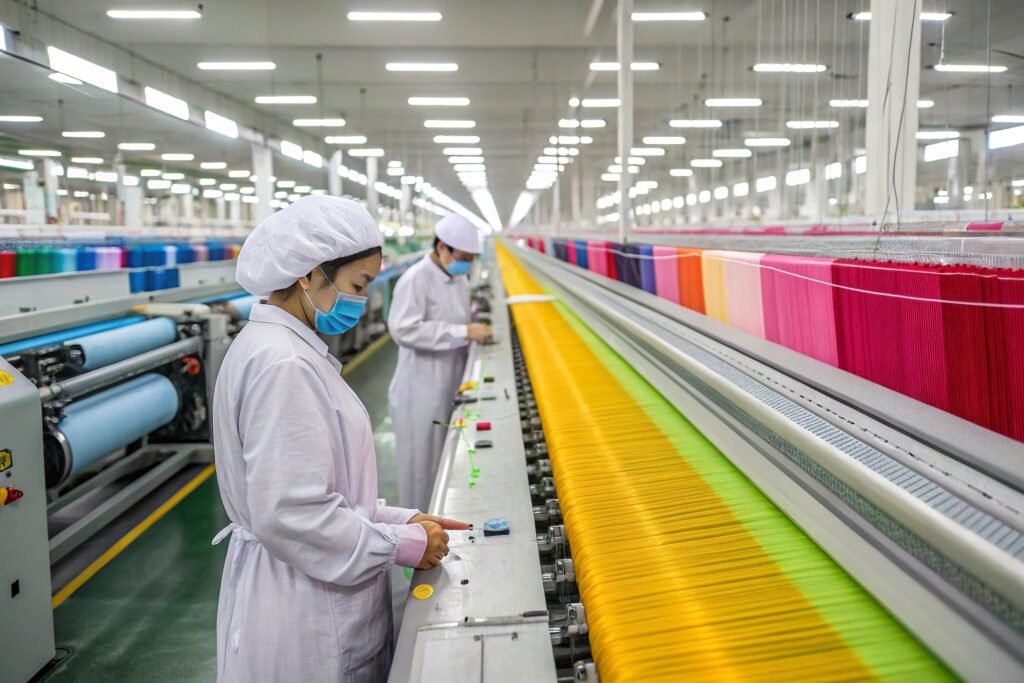
How does China’s textile infrastructure[^1] support efficient fabric production?
China’s textile infrastructure includes integrated facilities for weaving, dyeing, printing, embroidery, coating, and finishing. Regions like Keqiao, Zhejiang, house complete textile production chains, enabling efficient communication, rapid product development, and quick turnaround even on small orders. At Fumao Fabric, our integrated production capabilities[^2] allow quick sample-to-bulk production, meeting high-quality standards efficiently.
Why is rapid fabric innovation[^3] easier in China?
China prioritizes textile innovation, investing significantly in R&D, technical expertise, and modern machinery. Our CNAS-accredited laboratory at Fumao Fabric ensures continuous innovation and rigorous quality testing. Rapid innovation is essential for adapting quickly to global fashion trends, technical advancements, and evolving consumer demands—making China the ideal location for versatile and innovative fabric sourcing.
[^1]: Explore how China’s textile infrastructure enhances production efficiency and supports rapid innovation in the industry.
[^2]: Learn about the advantages of integrated production in textiles and how it streamlines processes for better quality and efficiency.
[^3]: Discover the factors that contribute to China’s leadership in rapid fabric innovation and its impact on global fashion trends.
Why are clothes made in China so cheap?
Sourcing apparel can often mean navigating between cost savings and quality. Imagine obtaining high-quality clothing without significantly impacting your budget. How does China manage to produce quality clothing at notably lower prices?
Clothes made in China are affordable because of lower labor costs, highly efficient production methods, economies of scale, advanced technology, integrated supply chains, and supportive governmental policies. These factors combine to reduce overall manufacturing costs, enabling factories to offer competitive pricing without compromising fabric or garment quality.
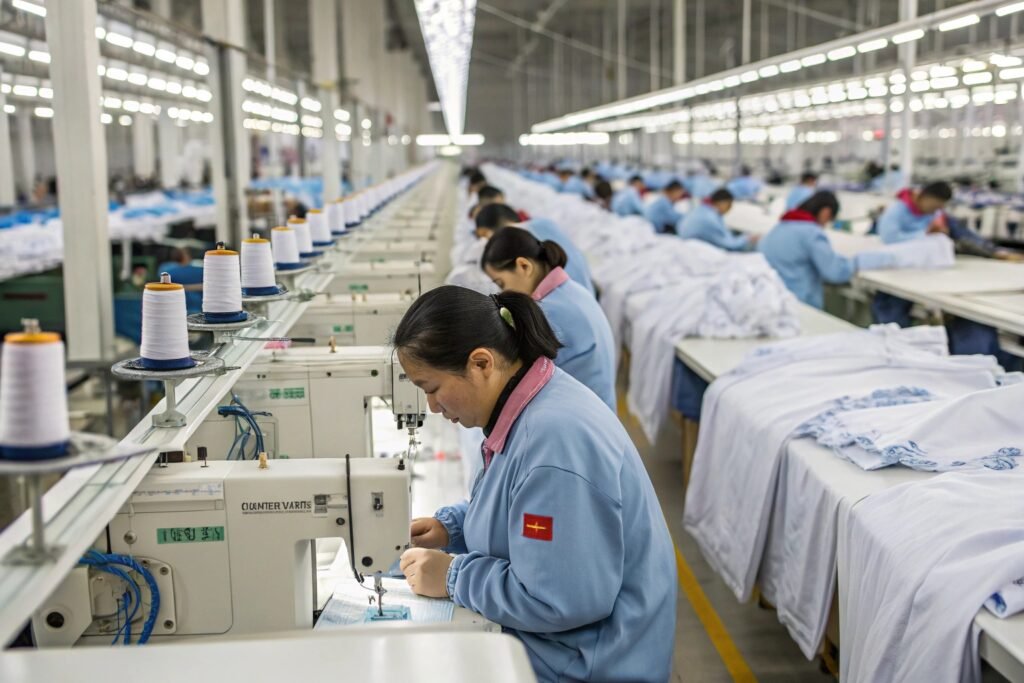
How do economies of scale[^4] impact clothing prices in China?
Economies of scale significantly reduce production costs. China’s textile manufacturers often operate large-scale, highly efficient facilities, spreading fixed costs across large volumes. This reduces per-unit costs dramatically, enabling even small-batch orders to benefit from competitive pricing. Fumao Fabric leverages these advantages, ensuring affordability across varied order sizes.
Are lower labor costs[^5] the main reason clothing is cheaper?
Labor costs contribute to affordability, but it’s only part of the equation. Technological advancements, efficient production processes, comprehensive infrastructure, and supportive policies also significantly lower manufacturing costs. China’s combination of affordable labor[^6] and highly efficient, technology-driven production creates the perfect environment for cost-effective garment manufacturing without sacrificing quality.
[^4]: Understanding economies of scale can provide insights into pricing strategies in the textile industry, especially in China.
[^5]: Exploring this topic can reveal the multifaceted reasons behind China’s competitive clothing prices, beyond just labor costs.
[^6]: This resource can help you understand the broader implications of labor costs on the textile industry and pricing.
Why are textile raw materials cheaper in China?
High raw material costs can significantly raise production expenses, making affordability challenging. Imagine sourcing textile raw materials affordably without quality compromises. How does China maintain lower raw material prices?
Textile raw materials in China are cheaper because of extensive domestic production, efficient supply chain logistics, supportive government policies, abundant availability of fibers, and integrated industrial clusters like Keqiao. These factors collectively ensure lower procurement costs, reducing overall fabric production expenses, and making China highly attractive for affordable textile sourcing.
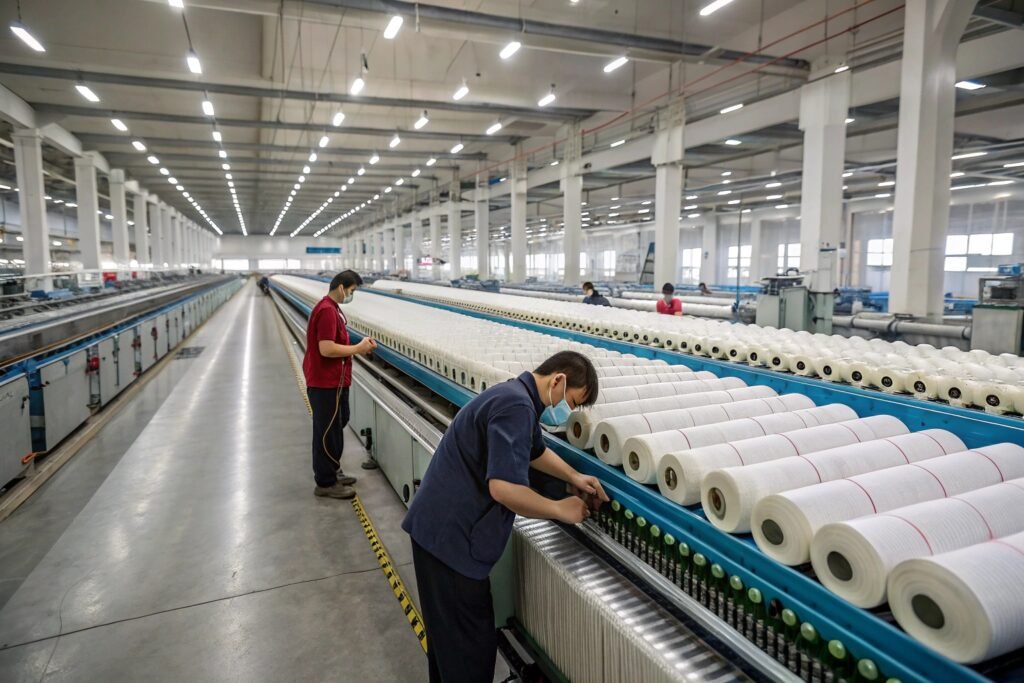
How does integrated supply chain logistics[^7] reduce raw material costs?
China’s integrated supply chain logistics streamline procurement, significantly reducing costs and lead times. By consolidating processes like spinning, weaving, dyeing, and finishing within regional clusters, manufacturers like Fumao Fabric benefit from reduced transportation expenses, faster turnaround times, and fewer disruptions. This efficiency translates directly into lower raw material and fabric prices.
Do governmental policies affect raw material affordability[^8]?
Government policies significantly impact raw material affordability by providing subsidies, tax incentives, and supporting infrastructure developments. These policies encourage domestic production, innovation, and investment, effectively reducing production and procurement costs. For fabric importers, these benefits translate directly into cost savings without compromising product quality or consistency.
[^7]: Explore how integrated supply chain logistics can optimize costs and improve efficiency in procurement and production.
[^8]: Discover the various factors that impact raw material affordability and how they can affect your business.
Which city in China is best for clothing manufacturers?
Choosing the wrong manufacturing location can mean slower production, higher costs, and inconsistent quality. Imagine confidently choosing a city that guarantees rapid, reliable, and affordable garment production. Which Chinese city stands out as the ideal textile manufacturing hub?
Keqiao, located in Zhejiang Province, is widely recognized as the best city for clothing manufacturers in China. It boasts a comprehensive textile industry cluster covering weaving, dyeing, printing, embroidery, coating, and logistics. Keqiao’s advanced infrastructure, innovation capacity, rapid sample production, and robust supply chain management make it the top choice for apparel manufacturing and fabric sourcing.
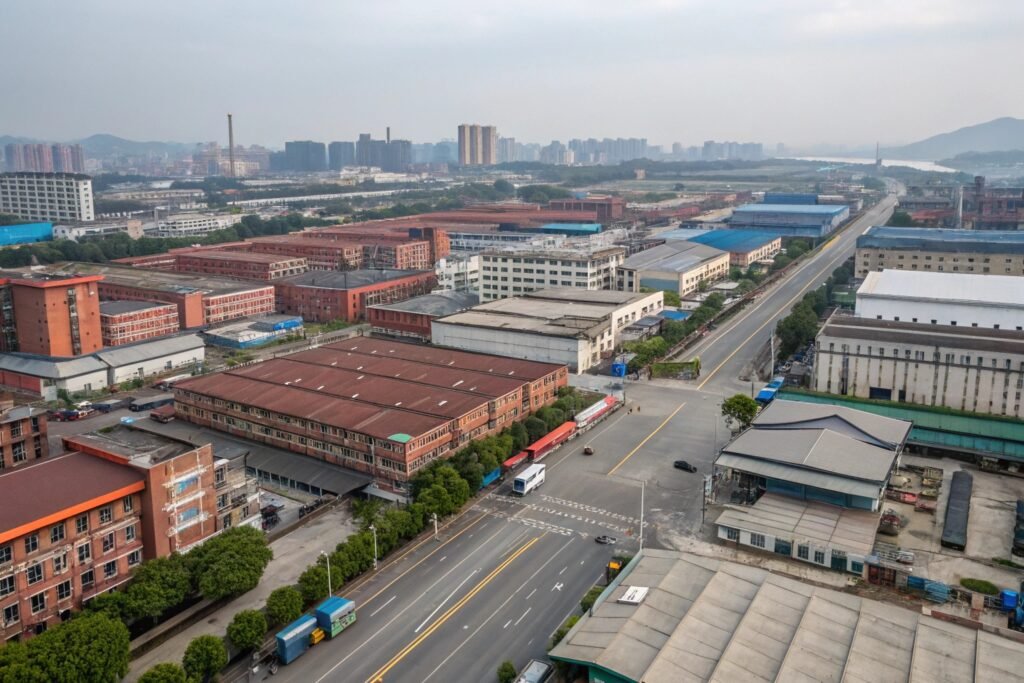
Why is Keqiao recognized globally as a textile hub?
Keqiao manages approximately 25% of the global textile trade[^9], establishing itself as the world’s largest textile hub. This city offers unmatched advantages, including highly integrated textile production, abundant raw materials, skilled labor, advanced technology, and efficient logistics networks. These elements combine to support rapid turnaround times, low MOQs, and consistent high-quality production, essential for competitive clothing manufacturing.
What specific advantages does Keqiao provide to clothing manufacturers?
Keqiao offers specific advantages such as rapid sample development[^10] (often within 24–48 hours), extensive fabric variety (eco-friendly, technical, high-performance), efficient logistics and transportation[^11] options, and comprehensive quality control capabilities. At Fumao Fabric, our strategic location in Keqiao enables quick and efficient customization, quality assurance, and reliable delivery, even for complex orders with low MOQs.
[^9]: Understanding the global textile trade can provide insights into market dynamics and opportunities for growth.
[^10]: Exploring this topic reveals how speed in sample development can enhance competitiveness in the fashion industry.
[^11]: This resource will help you understand how logistics efficiency can reduce costs and improve delivery times in textile production.
Conclusion
Choosing China for high-quality, low-MOQ fabric production offers unmatched advantages, including comprehensive textile infrastructure, affordable production costs, rapid innovation, and efficient logistics. Keqiao, specifically, exemplifies these benefits, enabling fabric buyers to source reliably, flexibly, and affordably. Partnering with established manufacturers like Fumao Fabric ensures consistent quality, affordability, and reliable supply chain management.








