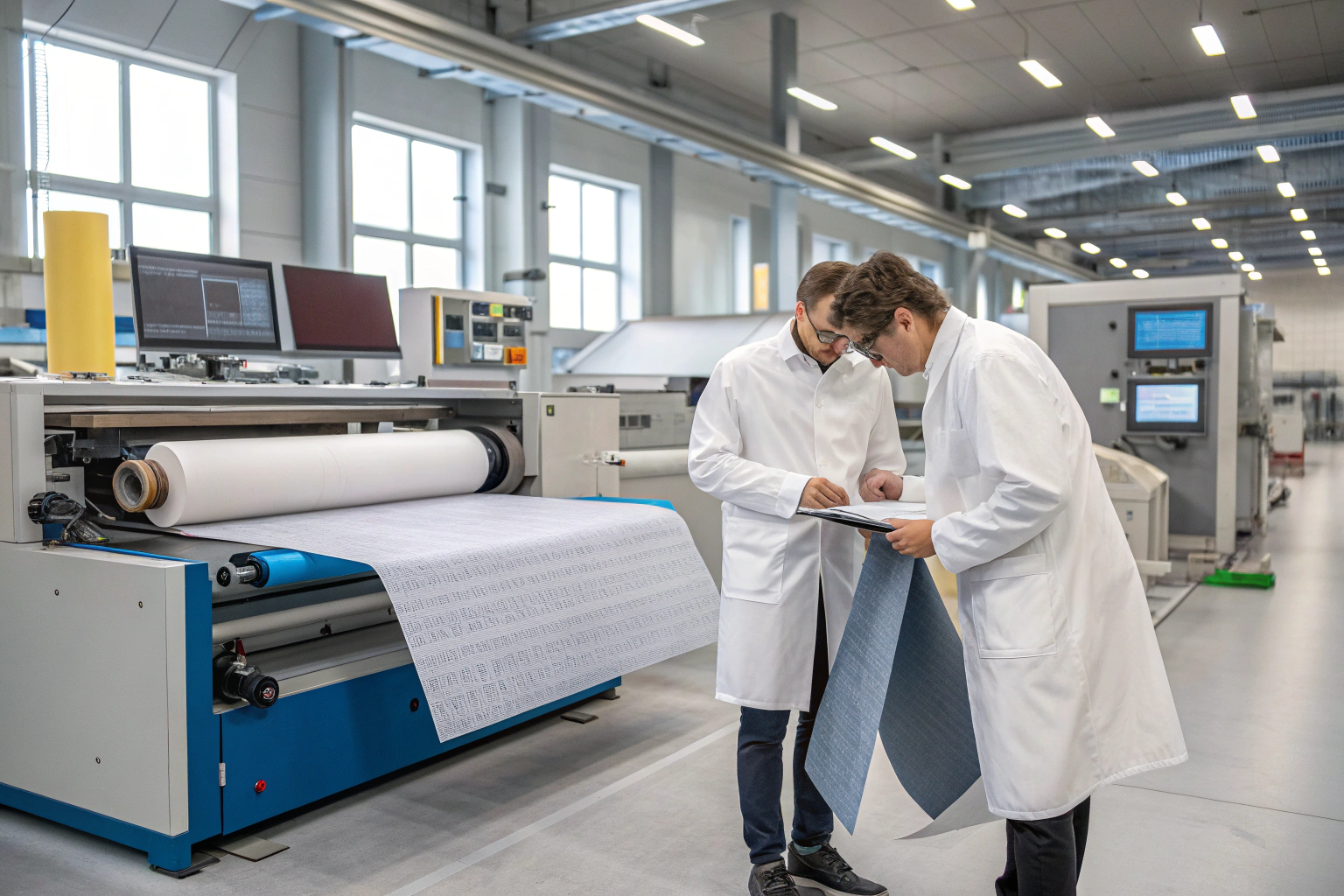
The market for protective fabrics and advanced wearables is demanding lighter, stronger, and more adaptable solutions. Buyers and sourcing managers often face the difficulty of finding textiles that combine flexibility with reliable impact resistance. Traditional protective materials like Kevlar are effective but remain rigid and heavy, limiting comfort. Magnetorheological (MR) textiles offer a promising solution: fabrics that feel soft under normal use but transform instantly into rigid armor when exposed to a magnetic field. This shift reduces compromises between mobility and safety, though suppliers remain scarce.
Magnetorheological fabrics can already be sourced by connecting with MR fluid manufacturers and working with textile processors skilled in composite engineering. While still in early commercial stages, sample orders and prototype collaborations are possible today. With the right sourcing plan, companies can transition from lab-level concepts to functional protective gear.
The sections below outline the essentials of sourcing: defining the material, identifying suppliers, partnering with processors, and ensuring compliance through testing.
What Are Magnetorheological Textiles?
MR textiles are fabrics infused with magnetorheological fluids or composites, giving them the ability to stay soft and flexible during normal use but stiffen immediately when a magnetic field is applied. This allows garments such as jackets or protective pads to be comfortable while worn but rigid upon impact.
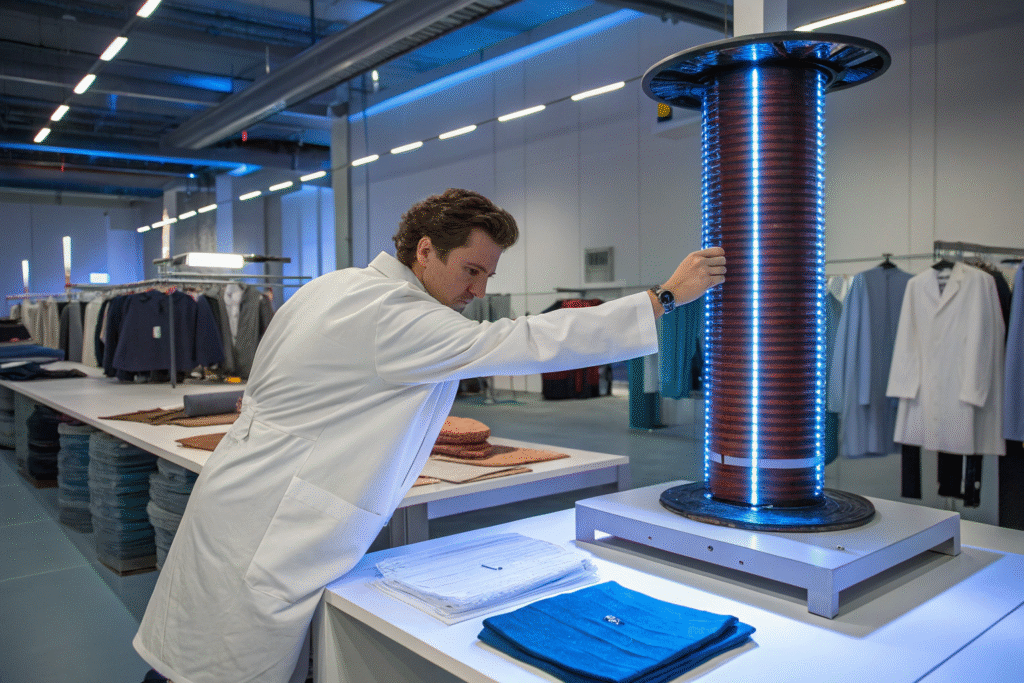
Research highlights porous non-wovens, Kevlar blends, and coated substrates as common bases for MR fluids. Unlike shear-thickening fluids, MR technology allows activation and deactivation through external fields, making it more adaptable.
How Do These Fabrics Work?
The secret lies in suspensions of iron particles dispersed in a liquid medium. When magnetized, particles align and increase viscosity, making the fabric stiff in milliseconds. ScienceDirect confirms the speed of this transformation. Compared to Kevlar, MR textiles provide on-demand rigidity without constant stiffness.
Where Can They Be Used?
Studies from MDPI show possible applications in motorcycle wear, sports equipment, industrial uniforms, and aerospace clothing. Sourcing managers targeting performance-focused industries will find these fabrics valuable, though supply chains are still mostly experimental.
Who Are the Leading MR Fluid Suppliers?
The most critical step in sourcing is obtaining MR fluids that are stable and reliable. Without them, fabric integration is impossible.
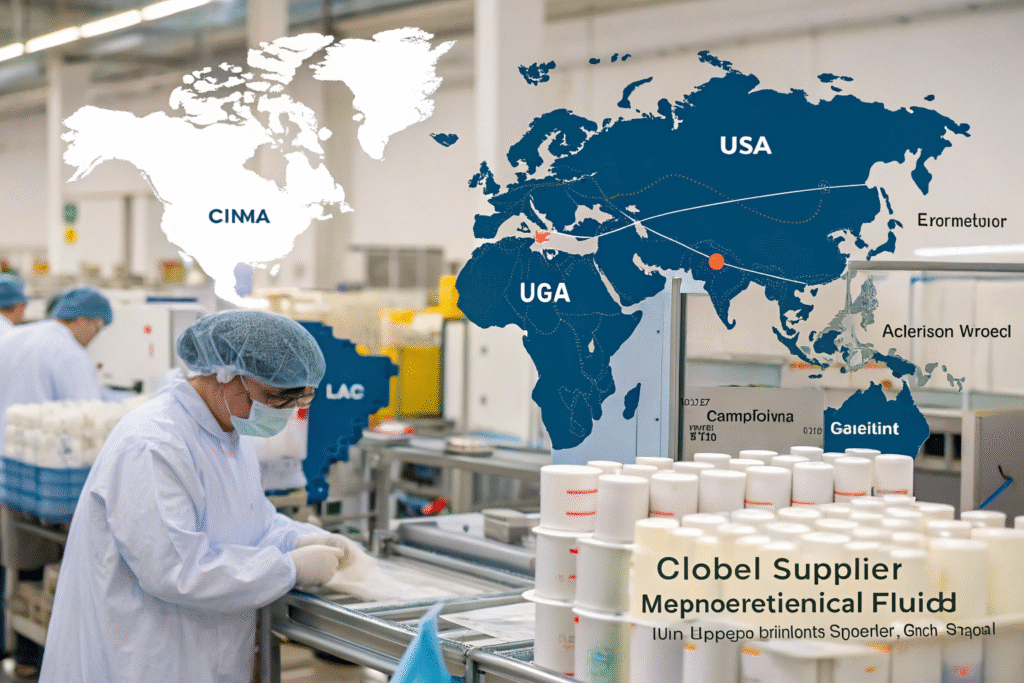
Key suppliers include Bohai New Materials (China), Arus MR Tech (India), LORD Corporation (USA), and Liquids Research Ltd. (UK). These producers deliver formulations that can be adapted to textile coating or impregnation.
Which Companies Dominate MR Fluids?
- Bohai New Materials (China): Strong in nano-MR fluid development for robotics and aerospace.
- Arus MR Tech (India): Supplier of dampers and industrial-grade fluids.
- LORD Corporation (USA): Pioneer of MR applications, especially damping systems.
- Liquids Research Ltd. (UK): Known for ferrofluids and research dispersions.
Metoree lists these companies as consistent providers. While BASF does not sell MR fluids, its chemical additives are often used to enhance stability.
How Should Buyers Evaluate MR Suppliers?
Buyers should request detailed technical data, trial kits, and stability reports. Parameters like particle size, viscosity, and anti-sedimentation properties are critical. Not every MR formulation suits fabric use, so suppliers must confirm adaptability to textiles.
How to Partner With Textile Processors?
Once fluids are sourced, textile processors play the next key role. They handle impregnation, lamination, and encapsulation techniques to embed MR fluids in fabrics.
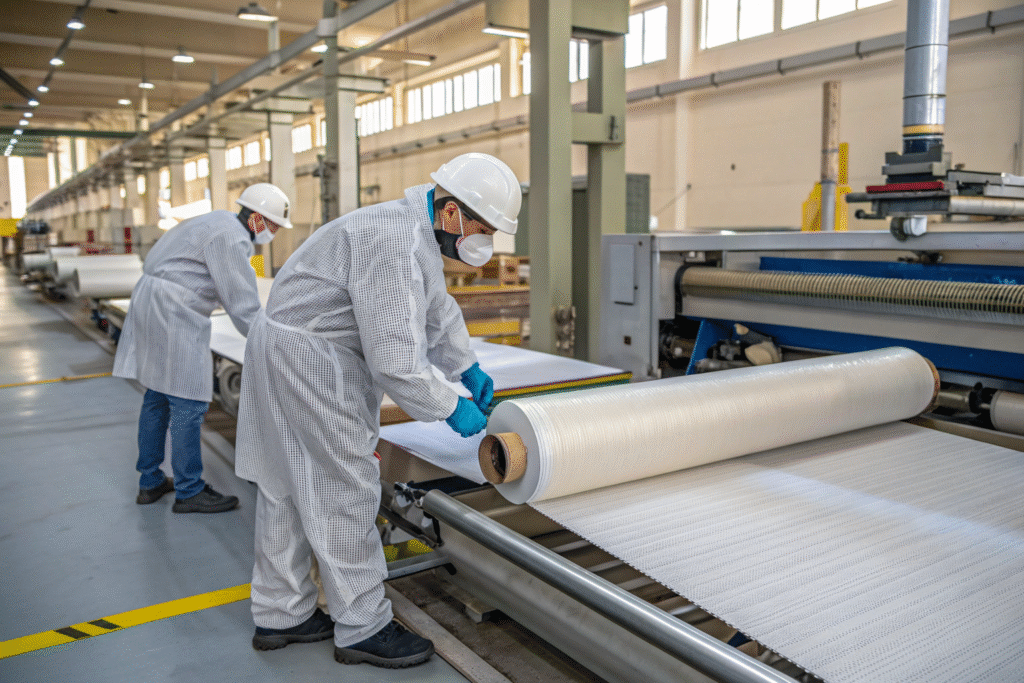
The most effective partnerships are with labs or manufacturers experienced in composites. Minimum order quantities can be higher than usual, since many facilities focus on pilot runs rather than immediate mass production.
Which Textile Processes Work Best?
Insights from ASME Digital Collection suggest three strong methods:
- Porous non-woven impregnation for high fluid retention
- Kevlar coating for enhanced ballistic absorption
- Polymer encapsulation to prevent leakage
Each method has trade-offs, such as brittleness in coatings or added stiffness in encapsulation.
What Collaboration Models Exist?
Most buyers start with joint development agreements (JDAs). This allows sharing of data while protecting intellectual property. ResearchGate notes that many universities welcome partnerships, making them a useful entry point for cost-efficient prototyping.
What Testing Standards Should Buyers Follow?
Certification and testing are essential before market adoption. Buyers cannot rely only on lab demonstrations—they need compliance with international safety standards.
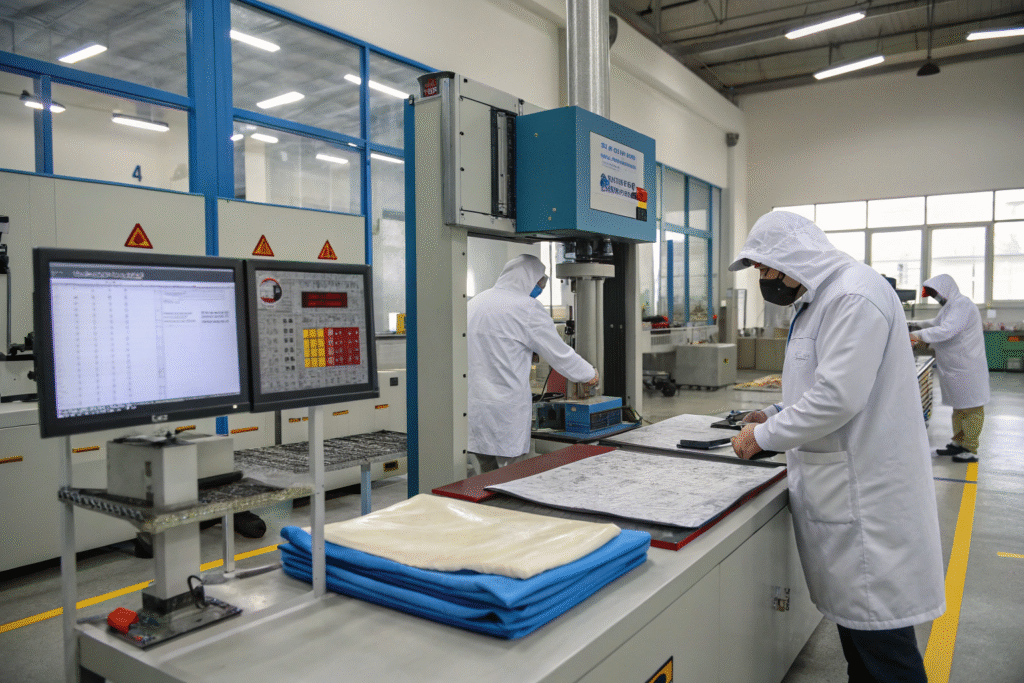
Testing MR fabrics involves both traditional durability tests and magnetic response evaluations. This ensures strength, comfort, and reliable transformation under field activation.
What Standards Apply?
Relevant benchmarks include:
- ASTM D5034 for textile strength
- ISO 13934 for tensile durability
- NIJ 0101.07 for ballistic standards
- Custom rheology tests for magnetic yield stress
SGS offers testing services but buyers must ask specifically for MR fluid cycle testing.
How Should Buyers Interpret Test Results?
Metrics include transformation speed, cycle durability, and leakage prevention. Comparing performance against Kevlar armor and shear-thickening fabrics helps establish benchmarks.
Conclusion
Magnetorheological impact-hardening textiles are still developing, but they already offer sourcing opportunities for companies willing to invest in collaboration. The process involves selecting the right MR fluid suppliers, engaging composite processors, and validating products through testing. Early adopters will gain an advantage in protective clothing and performance textiles.
For businesses ready to explore these advanced fabrics, our team at Shanghai Fumao welcomes collaboration. Contact our Business Director Elaine at elaine@fumaoclothing.com to start prototyping and developing your next generation of impact-hardening textiles.