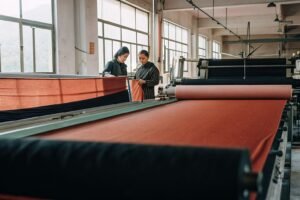
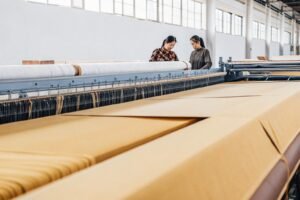
Navigating tariffs when importing fabrics from China can become complicated and expensive, eating into your business margins. Imagine sourcing fabrics confidently, knowing your imports won’t be subject to hefty tariffs and unexpected customs costs. Are there certain fabrics you can source tariff-free or at minimal rates?
The best tariff-proof fabrics from China typically include specialized textiles such as eco-friendly materials (organic cotton, recycled polyester), technical or functional fabrics (antimicrobial, UV-resistant), and certain specialty blends. These fabrics may fall under categories with lower tariff rates or even tariff exemptions due to their classification, composition, or specific trade policies, making them highly advantageous for importers looking to minimize costs.
Below, I’ll guide you through understanding US tariffs on Chinese fabrics, exploring tariff-exempt options, and explaining how you can minimize tariff exposure effectively.
What is the US tariff on clothing from China?
Tariffs on clothing imports from China can create uncertainty and inflate your sourcing costs significantly. Imagine knowing exactly what tariffs apply to your clothing imports, helping you plan better financially. So, what tariff rates should you anticipate?
US tariffs on clothing from China generally range between 10% and 32%, depending on garment type and fabric composition. Apparel made from synthetic fibers typically carries higher tariffs (around 25–32%), while items made from natural fibers like cotton often have somewhat lower tariffs (10–16%). Precise rates depend on detailed Harmonized Tariff Schedule (HTS) codes.
How are clothing tariffs calculated?
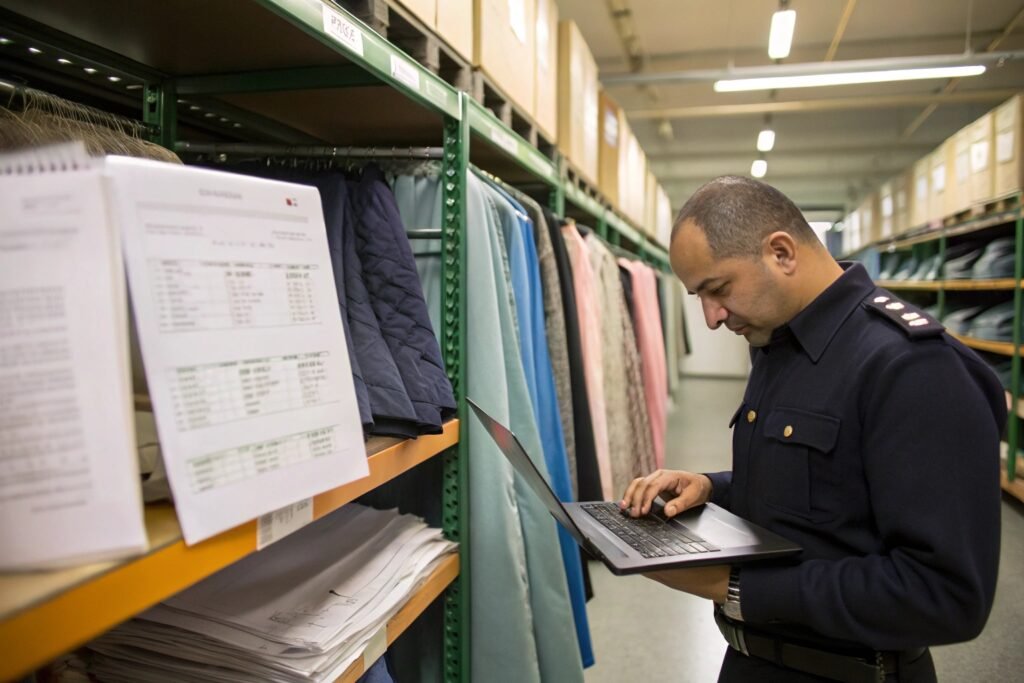
Clothing tariffs are calculated based on specific HTS codes[^1] assigned to garments. These codes classify products by material, garment type, and design features, determining exact duty rates. Understanding and correctly classifying products using HTS codes can help accurately estimate tariffs, avoid penalties, and identify tariff-minimizing opportunities[^2]. For example, synthetic apparel usually has higher tariffs, while natural fibers like cotton or linen often attract lower rates, which can influence your fabric sourcing decisions significantly.
Can fabric composition help reduce tariffs?
Fabric composition plays a crucial role in tariff classification. For instance, eco-friendly or recycled fabrics, such as recycled polyester and organic cotton blends, may qualify under specific trade incentives or exclusions, potentially lowering tariff rates. Similarly, specialized functional fabrics (antimicrobial or performance-oriented textiles) often have distinct HTS codes with lower associated duties, helping importers reduce overall tariff burdens.
[^1]: Understanding HTS codes is essential for accurate tariff calculations and can help you save money on imports.
[^2]: Identifying tariff-minimizing opportunities can significantly reduce costs and improve your import strategy.
What is the de minimis from China to USA?
Unexpected tariff charges can add complexity and cost when importing smaller quantities of goods from China. Imagine importing certain goods without paying any tariffs at all. How can the concept of “de minimis” help you achieve this?
The de minimis threshold for imports from China to the USA is currently $800 per shipment. This means any imported goods valued below $800 are generally exempt from import duties, taxes, and formal customs entries. Leveraging this threshold allows small shipments of high-value fabrics or sample orders to enter the US tariff-free, simplifying logistics and lowering import costs.

How can you leverage de minimis[^3] effectively?
Utilizing the de minimis threshold involves carefully structuring shipments to ensure their total value remains under $800 per entry. Splitting orders strategically or sending valuable samples individually allows tariff-free imports[^4], significantly reducing operational costs. For fabric buyers, this method is beneficial for sampling new fabric innovations or fulfilling small custom orders without tariff implications.
Are there risks involved with frequent use of de minimis?
Repeated or frequent use of the de minimis provision could attract closer scrutiny from customs officials. Although legal, frequent small shipments might trigger compliance checks. It’s essential to maintain clear documentation, accurate valuations, and honest descriptions to mitigate any customs-related risks[^5] effectively. Reliable partners like Fumao Fabric help ensure compliance, providing transparent documentation and accurate shipment valuations.
[^3]: Understanding the de minimis threshold can help you optimize your import strategy and avoid unnecessary tariffs.
[^4]: Exploring strategies for tariff-free imports can significantly enhance your business’s profitability and operational efficiency.
[^5]: Learning about customs-related risks can help you navigate compliance and avoid potential penalties in your shipping practices.
What products does US import most from China?
Understanding what products the US imports most from China can offer insights into tariff implications and supply chain risks. Imagine optimizing your sourcing decisions based on high-demand, tariff-advantaged goods. What are the key product categories the US imports from China?
The US imports primarily electronics, machinery, furniture, textiles and clothing, toys, and plastics from China. Textiles and apparel remain significant, ranking among the top imported categories. Within textiles, specialty fabrics such as eco-friendly textiles, functional fabrics, and technical textiles continue to grow rapidly due to increased consumer demand and favorable tariff conditions compared to standard synthetic garments.

Which fabric categories offer tariff advantages?
Specialty fabric categories like eco-friendly[^6] (organic cotton, bamboo, recycled polyester) and functional textiles[^7] (antimicrobial, moisture-wicking, UV-resistant) typically carry lower tariffs or qualify for specific tariff exclusions. These innovative fabrics are increasingly in demand in the US due to sustainability trends and performance attributes, providing attractive opportunities for importers seeking cost-effective solutions.
Why are technical and eco-friendly textiles growing quickly?
Technical and eco-friendly textiles are rapidly growing due to consumer preferences shifting towards sustainability and performance-enhanced apparel. These fabrics typically face fewer tariff restrictions or lower duties, offering substantial benefits for importers aiming to balance product innovation with cost efficiency. At Fumao Fabric, we specialize in such textiles, helping our clients optimize sourcing strategies and reduce tariff burdens effectively.
[^6]: Explore how eco-friendly textiles can reduce import costs and meet sustainability demands, making them a smart choice for importers.
[^7]: Learn about functional textiles and their unique benefits, including lower tariffs, which can enhance your sourcing strategy.
Do you have to pay tariffs if you buy directly from China?
Directly importing products from China raises questions around tariff obligations and potential hidden costs. Imagine confidently understanding exactly when tariffs apply and how you might avoid unnecessary fees. Do direct purchases automatically incur tariffs?
Yes, when importing directly from China, tariffs typically apply unless specific exemptions, trade agreements, or thresholds such as the de minimis rule ($800 limit) apply. Tariffs depend on product classification (HTS code), product origin, and declared value. However, careful product selection, classification accuracy, and strategic use of exemptions or exclusions can significantly reduce tariff exposure.
How can you avoid unnecessary tariffs?
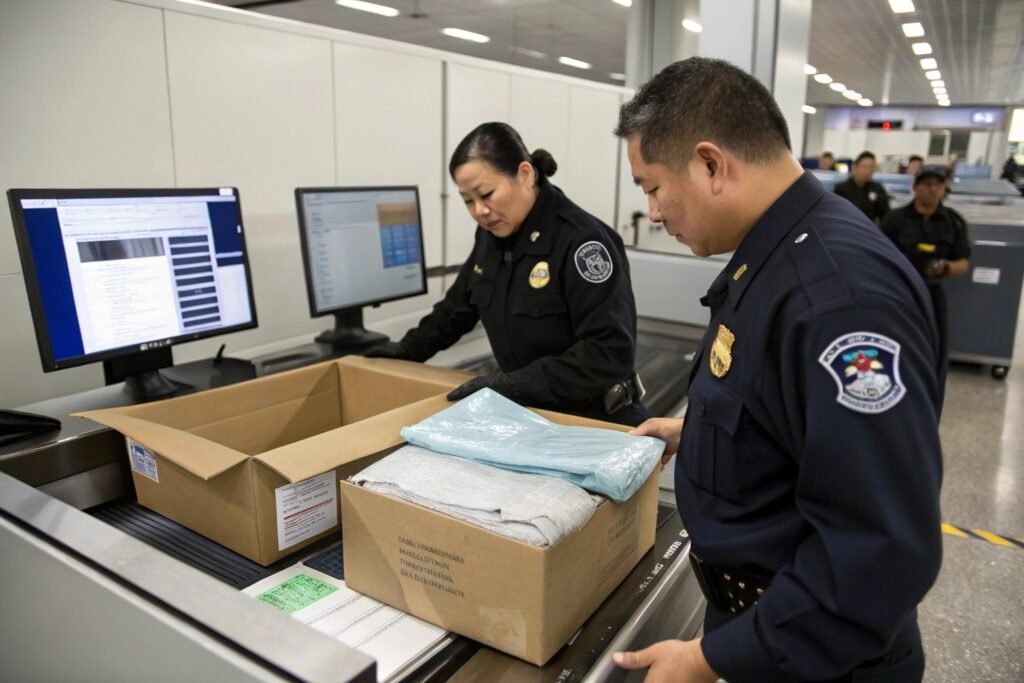
Avoiding unnecessary tariffs involves strategically classifying products under accurate HTS codes[^8], leveraging tariff exclusions or exemptions for specific fabric types, and utilizing the $800 de minimis rule[^9] effectively. Additionally, choosing fabrics with inherently lower tariff rates—like eco-friendly or specialty textiles—can minimize tariff obligations. Expert suppliers like Fumao Fabric provide guidance and accurate documentation to ensure efficient, compliant, and cost-effective imports.
Does direct sourcing impact tariff compliance[^10]?
Direct sourcing from China requires diligent attention to tariff compliance, product classification accuracy, valuation integrity, and customs documentation precision. Misclassification or undervaluation can result in costly penalties. Reliable suppliers provide accurate documentation and proper product classification, ensuring smooth customs clearance. Partnering with knowledgeable manufacturers helps mitigate tariff-related risks and ensures transparent compliance.
[^8]: Understanding HTS codes is crucial for accurate product classification and avoiding unnecessary tariffs. Explore this link for detailed insights.
[^9]: The $800 de minimis rule can significantly reduce tariff costs for imports. Learn more about its benefits and applications here.
[^10]: Direct sourcing can complicate tariff compliance. Discover best practices to ensure compliance and avoid penalties by exploring this resource.
Conclusion
Effectively managing US tariffs on fabrics sourced from China involves selecting tariff-advantaged textiles, leveraging the de minimis threshold, and ensuring precise customs compliance. Partnering with experienced suppliers like Fumao Fabric streamlines this process, enabling cost-effective, tariff-efficient fabric imports that strengthen your business competitiveness.