This article provides a comprehensive guide for buyers and sourcing managers on understanding ISO 16604 standards, the key applications of bloodborne pathogen barrier fabrics, how to verify certifications, and best practices when sourcing from Chinese suppliers. It is tailored for global procurement teams, fashion-tech innovators, and medical textile buyers seeking both quality and compliance.
What Is ISO 16604 and Why Does It Matter?
ISO 16604 is an international test standard that evaluates the resistance of protective clothing materials to penetration by bloodborne pathogens using a synthetic blood test under pressure. For industries like healthcare, laboratory research, and emergency response, ensuring barrier fabrics meet ISO 16604 is critical to preventing occupational exposure risks. Unlike general fabric waterproof testing, this standard focuses specifically on viral penetration resistance.
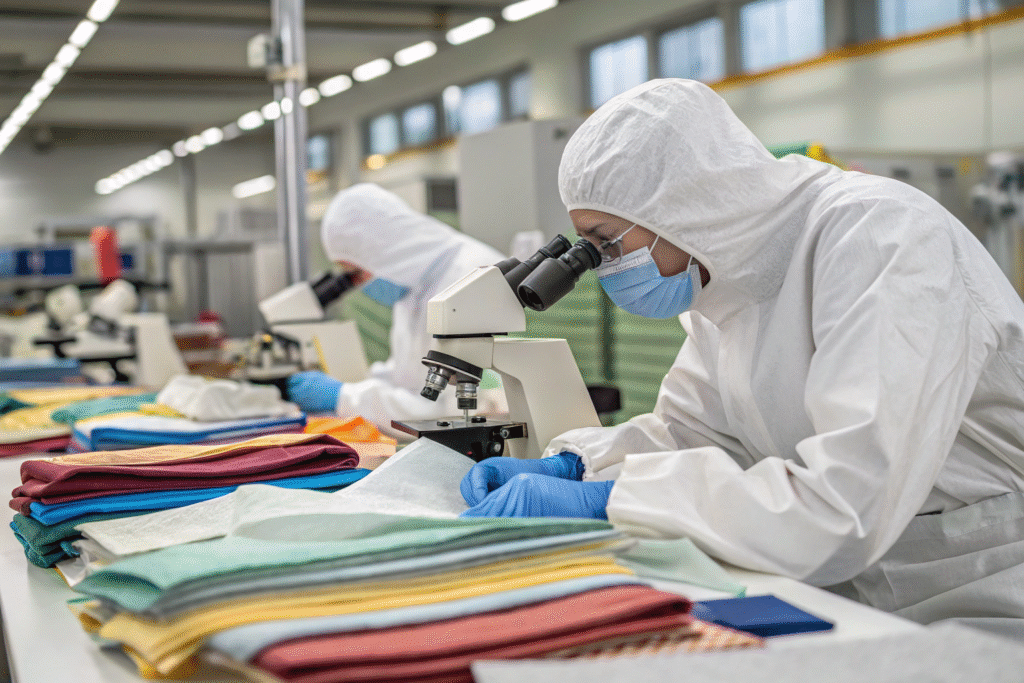
Understanding ISO 16604 Testing
ISO 16604 testing uses the bacteriophage Phi-X174 as a surrogate for human viruses. The test assesses whether blood or body fluids carrying pathogens can penetrate fabric under specific pressure conditions. This makes it far more relevant for medical and protective use than generic water resistance tests. Buyers should ensure that suppliers provide test reports from certified laboratories, such as SGS or Intertek, that confirm compliance.
Why Compliance Protects Your Business
Compliance with ISO 16604 not only safeguards users but also ensures smoother customs clearance and acceptance in markets like the U.S. and EU, where regulatory bodies require strict adherence. For instance, hospitals and clinical suppliers are mandated to only purchase compliant textiles. Partnering with certified suppliers mitigates risks of shipment rejection or liability claims. You can learn more about the regulatory importance of this standard on the WHO PPE guidelines and the CDC infection control page.
Key Applications of Bloodborne Pathogen Barrier Fabrics
Bloodborne pathogen barrier fabrics are not limited to hospitals. Their applications span multiple industries where exposure risks are high. Understanding these end-use scenarios helps buyers choose the right type of protective material.
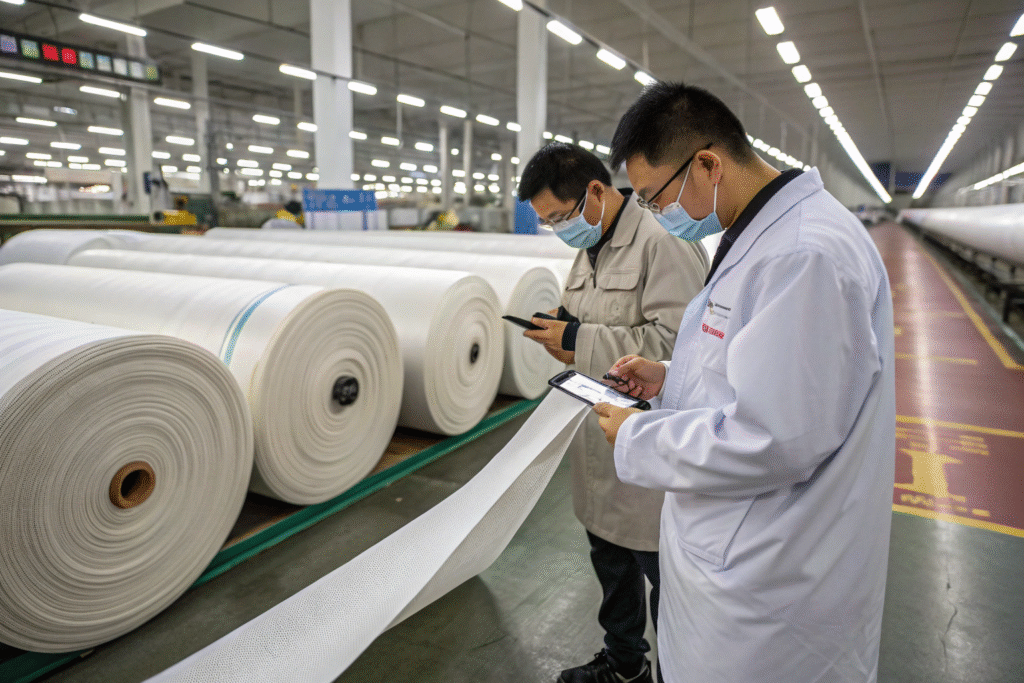
Medical and Healthcare Usage
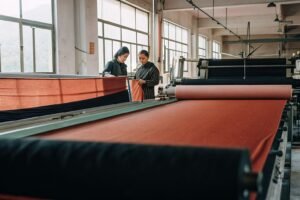
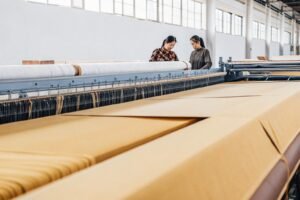
Hospitals use these fabrics in surgical gowns, drapes, and protective suits for doctors and nurses. With the rise of pandemics, demand has surged for ISO 16604-compliant fabrics in masks and coveralls. Leading medical suppliers source directly from textile hubs like Keqiao, China, where companies integrate weaving, coating, and lamination. More information about hospital textile requirements is available through AAMI standards and FDA medical textiles regulations.
Industrial and Emergency Applications
Beyond healthcare, industrial cleaning teams, first responders, and forensic investigators rely on pathogen-resistant textiles. For example, crime scene investigators need protective suits to prevent contamination from bodily fluids. Manufacturers are increasingly developing multifunctional textiles combining pathogen resistance with flame retardancy or chemical resistance. Industry-focused platforms such as OSHA guidelines and NIOSH PPE information provide further resources for buyers assessing safety applications.
How to Verify Fabric Quality and Certification
Quality verification is often the most challenging step in sourcing technical textiles. Buyers need to separate genuine ISO 16604 tested products from generic fabrics that may not meet pathogen resistance requirements.
Certification and Lab Testing
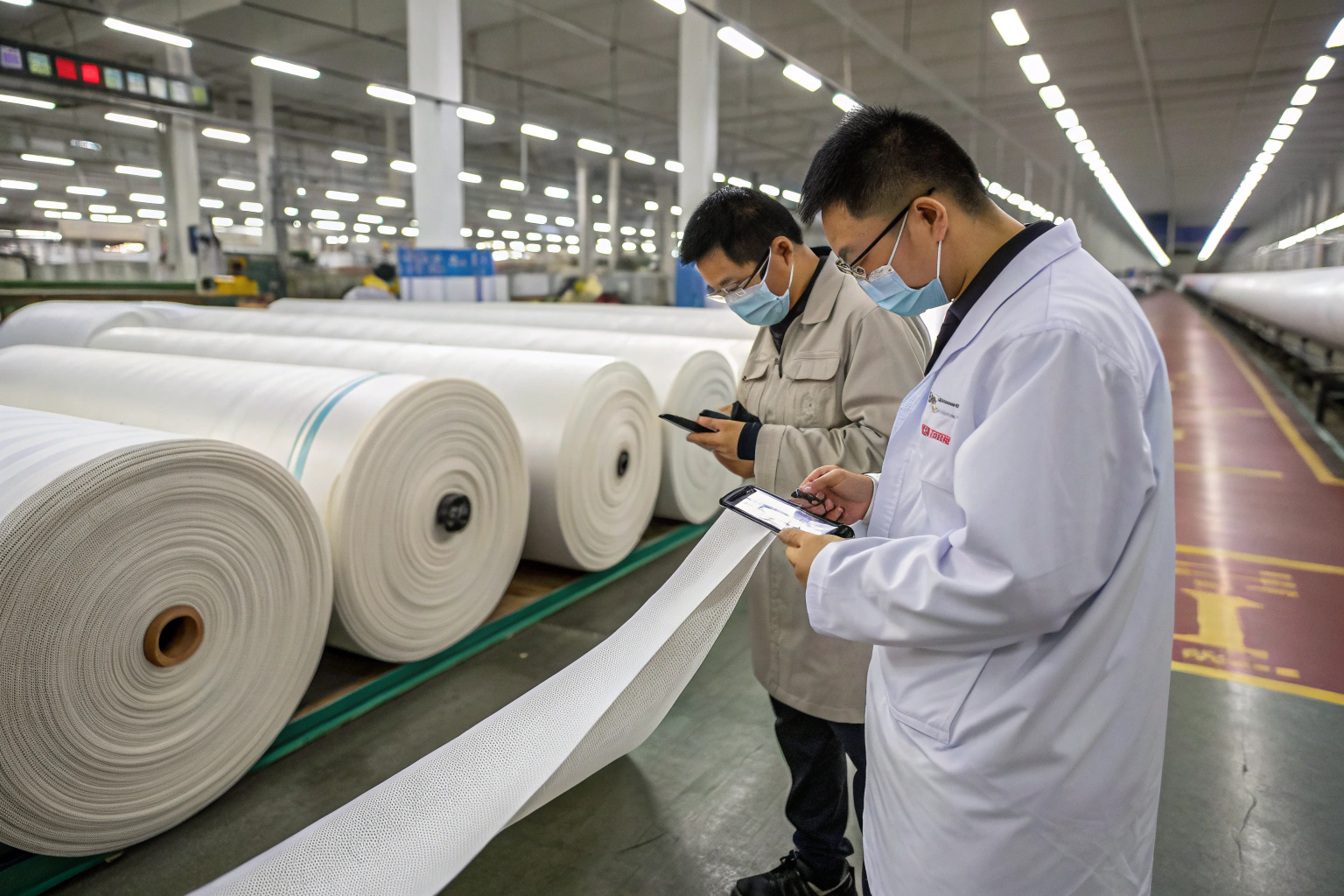
Always request third-party test reports with a valid ISO 16604 compliance certificate. Reputable suppliers will provide CNAS or equivalent accreditation. Some Chinese manufacturers also integrate QR-code systems that allow buyers to scan and verify batch-specific data such as shrinkage, colorfastness, and safety test results. Trusted labs such as TÜV SÜD and Bureau Veritas are recognized globally for textile compliance testing.
Supplier Transparency and On-Site Audits
Transparency is key—ask suppliers if you can access their in-house quality control protocols or visit their testing labs. Large-scale fabric exporters often partner with independent auditors to validate claims. For U.S. and EU buyers, working with suppliers who can document compliance with REACH regulations and OEKO-TEX certifications ensures smoother entry into sensitive markets.
Best Practices for Sourcing from China Suppliers
China remains the leading source of technical textiles, including ISO 16604 tested fabrics. However, sourcing requires careful due diligence to balance quality, price, and compliance.

Negotiating with Reliable Suppliers
The most efficient way to source pathogen barrier fabrics is by working with integrated manufacturers who handle weaving, dyeing, coating, and packaging. This reduces lead times and ensures better quality control. Platforms like Alibaba and professional networks such as Global Sources can help identify potential partners, but buyers should prioritize those with ISO certifications and proven export history.
Managing Logistics and Tariffs
Shipping pathogen-resistant fabrics to the U.S. or EU involves customs scrutiny. Buyers should confirm Incoterms, payment terms, and tariff implications in advance. Many Chinese suppliers offer bonded warehouse solutions or overseas stock points, making deliveries faster and more predictable. To optimize logistics, reference resources like Incoterms explained and freight solutions from DHL Global Forwarding.
Challenges in Importing ISO 16604 Fabrics
While sourcing from China offers cost and scale advantages, importing ISO 16604 tested fabrics also brings unique challenges. Buyers must prepare for potential trade, tariff, and compliance issues before goods reach the destination market.
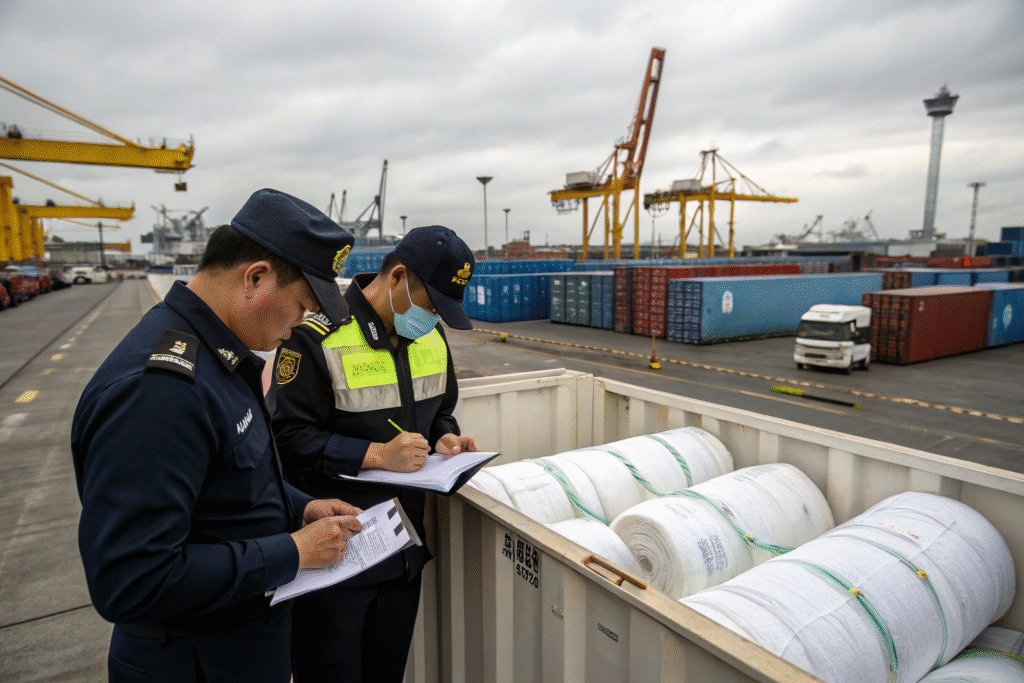
Customs and Documentation Issues
Many shipments face delays due to incomplete documentation or unclear labeling. It is essential to ensure that test certificates, HS codes, and invoices clearly specify "ISO 16604 compliant bloodborne pathogen barrier fabrics." Customs authorities in the U.S. and EU often conduct spot checks, and missing compliance documentation may lead to cargo being held. Helpful references include U.S. Customs Import Guidelines and the EU Commission Trade Regulations.
Managing Tariff and Trade Risks
Tariff policies fluctuate, especially for technical textiles classified as protective clothing materials. Buyers should check if products are subject to additional duties or anti-dumping measures. Partnering with suppliers who understand tariff engineering and bonded warehousing can save time and cost. Resources such as USTR trade updates and WTO tariff information provide further insights into tariff management.
Conclusion: Building a Reliable Supply Chain
Sourcing ISO 16604 tested bloodborne pathogen barrier fabrics requires more than simply finding the lowest-cost supplier. It is about ensuring compliance, quality, and long-term trust in the supply chain. From understanding the ISO 16604 testing method and identifying the right applications, to verifying certification, negotiating with reliable partners, and preparing for import challenges, buyers must approach the process strategically.
China’s textile hubs like Keqiao remain the world’s most competitive sourcing centers, offering integrated manufacturing and reliable compliance documentation. By aligning with experienced suppliers who combine speed, quality control, and global logistics expertise, buyers can reduce risks and strengthen their supply chain resilience. Ultimately, the right sourcing decision is not just about fabrics—it is about safeguarding human health and building business credibility.