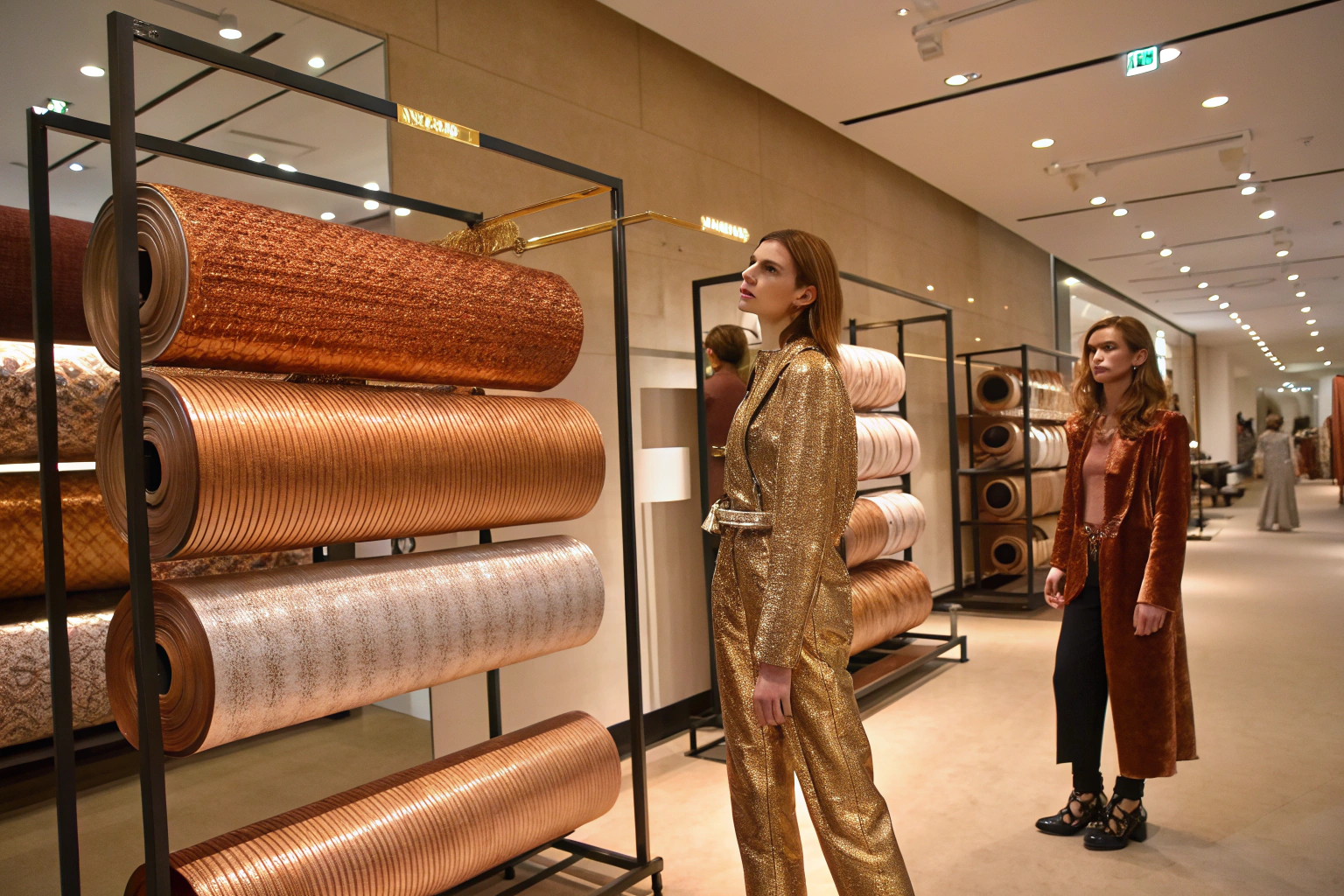
Copper alloy woven fabrics are more than just a trend—they are a revolutionary innovation in the textile world. In an era where hygiene, sustainability, and performance are equally important, these self-sterilizing textiles are making their way into mainstream fashion, sportswear, and medical applications. As a fabric manufacturer and exporter with over two decades of industry experience, I have seen firsthand how this technology is reshaping market demands and customer expectations.
Self-sterilizing copper fabrics offer unparalleled antibacterial protection, reduce unpleasant odors, and are eco-friendly—all without compromising on style and comfort. Whether you are a clothing brand, an online retailer, or a manufacturer looking for advanced materials, understanding why copper alloy fabrics are worth investing in is the first step toward gaining a competitive advantage.
In the following sections, I will explain the science, benefits, safety considerations, and specific industry applications of copper-infused woven fabrics, so you can make an informed decision about integrating them into your product line.
How Do Copper Alloy Fabrics Kill Bacteria?
Copper alloy fabrics are not ordinary textiles—they are engineered with a natural biocidal element. Copper ions are well known for their ability to disrupt bacterial and viral cell structures, leading to rapid deactivation. This property is not new; copper has been used for centuries in medical instruments and water purification. However, integrating copper directly into woven fabrics has opened new possibilities for hygiene-focused products.
When bacteria land on copper fibers, the copper ions penetrate and damage the cell membrane, causing the organism to die within minutes to hours. This mechanism works without additional chemicals or washing cycles, making it a sustainable antimicrobial solution.
What Is the Science Behind Copper’s Antimicrobial Action?
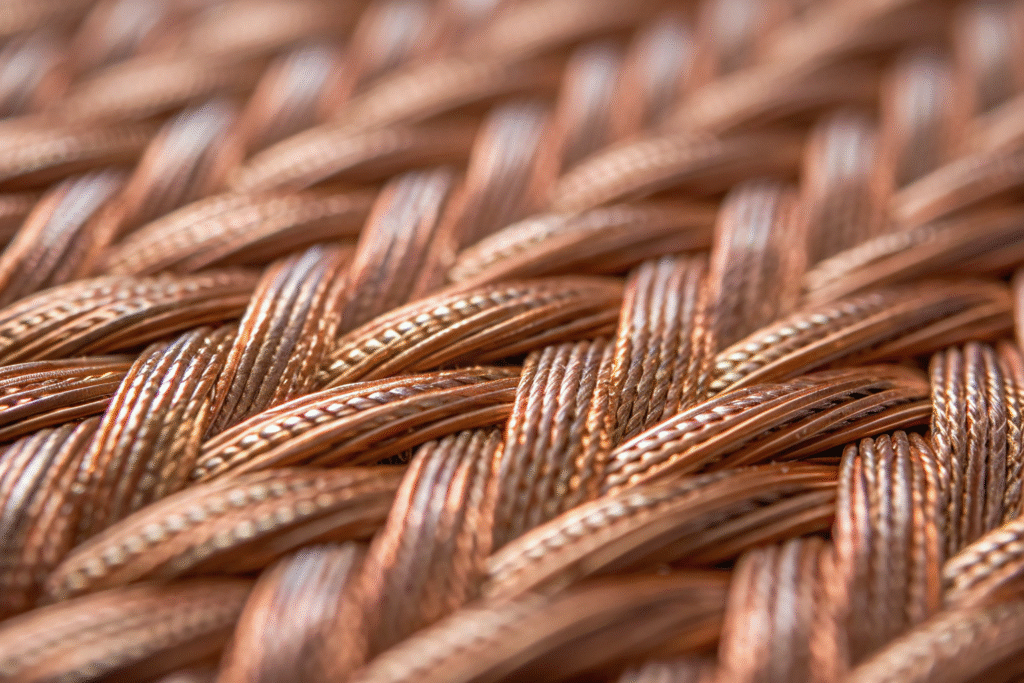
The antimicrobial action of copper is based on ion exchange and oxidative stress. When microorganisms come into contact with copper surfaces, the copper releases ions that interfere with the cell’s respiration and DNA replication. Studies from NIH and EPA have confirmed that copper-infused textiles can kill up to 99.9% of certain bacteria and viruses, including MRSA and E. coli.
This antimicrobial property is not washed away easily. The woven structure locks copper fibers in place, ensuring long-lasting protection even after 50+ wash cycles. This makes it ideal for clothing that requires repeated use, such as uniforms, sportswear, and bedding.
How Is Copper Integrated into Woven Fabrics?
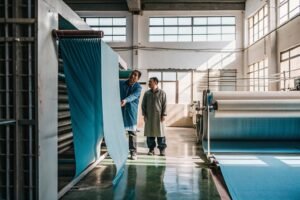
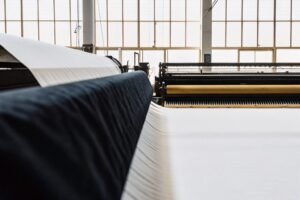
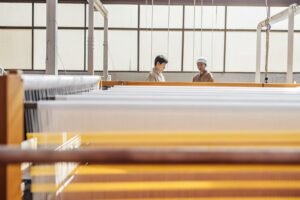
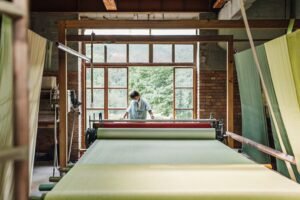
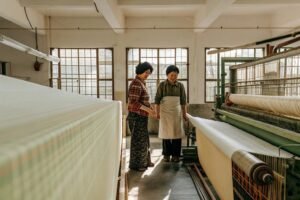
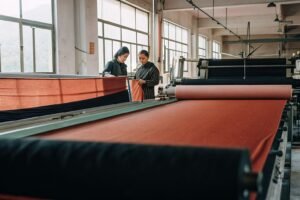
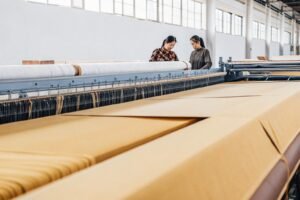
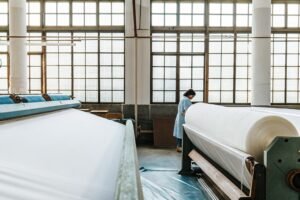
Manufacturing copper alloy fabrics involves either blending copper fibers directly with yarns or coating the yarn with a thin layer of copper alloy before weaving. Techniques vary, but the goal is always the same—to maximize the surface exposure of copper to pathogens while maintaining fabric softness and flexibility. For example, in our Keqiao factory, we use a high-temperature thermal bonding process that ensures copper remains permanently embedded in the fibers, eliminating the risk of flaking or discoloration.
Are Self-Sterilizing Textiles Safe for Skin Contact?
When customers first hear “metal in fabric,” they often ask about skin safety. The truth is, copper alloy woven fabrics are dermatologically safe when manufactured correctly. Copper is an essential trace mineral for the human body, playing a role in collagen production and skin healing.
Independent dermatology tests confirm that high-quality copper textiles do not irritate the skin and are hypoallergenic for most users. In fact, some studies suggest that copper can promote skin regeneration and reduce inflammation.

Does Copper Cause Skin Allergies?
While nickel is a common allergen, copper is generally well tolerated. The American Contact Dermatitis Society lists copper as having a low risk of allergic reactions. We still recommend brands to clearly label copper content for transparency, but customer complaints are rare.
Can Copper Fabrics Benefit Skin Health?
Research from DermNet NZ suggests that copper peptides can aid in wound healing and reduce wrinkles. While wearing copper fabrics is not a medical treatment, the constant micro-contact between skin and copper ions may help maintain skin hygiene, which is valuable for sportswear and undergarments.
Can Copper Alloy Woven Fabrics Reduce Odor in Clothing?
One of the biggest challenges in clothing—especially sportswear—is odor control. Sweat itself is odorless, but when bacteria break it down, unpleasant smells develop. Copper alloy woven fabrics tackle this at the source.
By killing odor-causing bacteria before they multiply, copper fabrics keep clothing fresher for longer, even after intense workouts. This is why they are becoming popular in athleisure and outdoor apparel markets.
How Effective Are Copper Fabrics Against Odor?
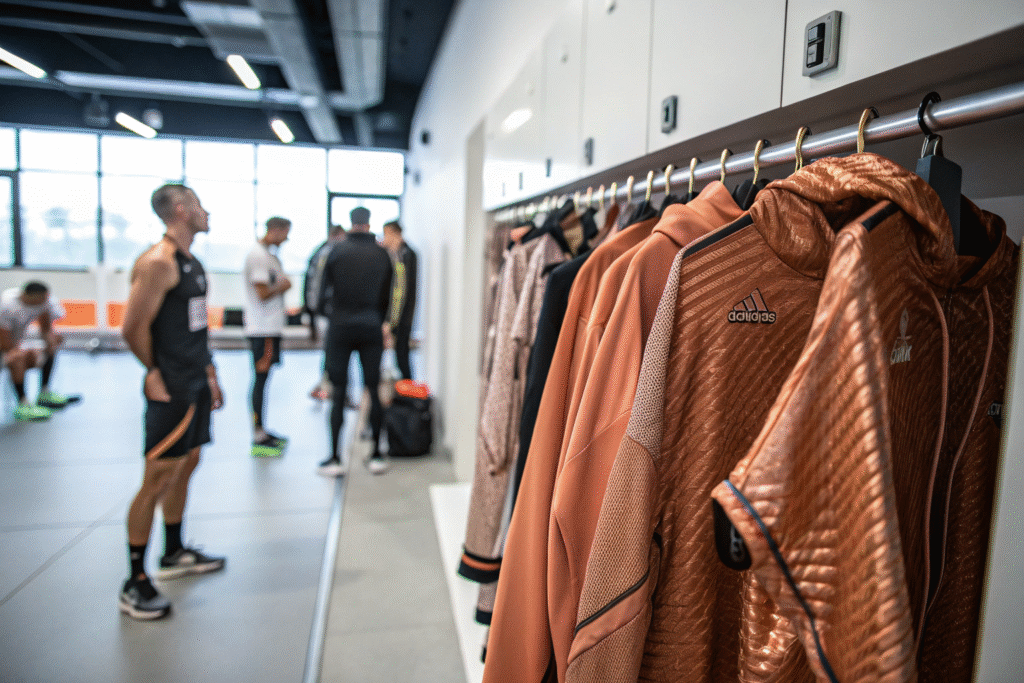
Independent lab tests published by Textile World show that copper-infused polyester and nylon blends can reduce bacterial growth by more than 95% after 24 hours of wear. This drastically slows odor development compared to untreated fabrics.
Is Odor Control Permanent?
Unlike chemical-based odor treatments, copper’s antibacterial effect does not degrade after a few washes. Even after dozens of laundry cycles, copper alloy fabrics retain their odor-fighting performance. This long-term benefit appeals to both eco-conscious consumers and premium sports brands looking to offer sustainable performance wear.
Why Are Copper Alloy Textiles Ideal for Medical and Sportswear?
Copper alloy woven fabrics are making waves in both medical and sportswear industries due to their dual functionality—hygiene and durability. These fabrics meet high safety standards while delivering comfort and style.
In healthcare, copper textiles can reduce the risk of cross-contamination. In sportswear, they keep garments fresher and more hygienic, even in high-sweat environments.

How Are They Used in Hospitals?
Hospitals are adopting copper-infused uniforms, bedding, and curtains to minimize microbial transmission. According to Infection Control Today, surfaces and textiles with copper can significantly lower hospital-acquired infection rates.
Why Do Athletes Prefer Copper Sportswear?
Athletes benefit from breathable, moisture-wicking fabrics that also prevent odor and bacterial growth. The combination of performance fibers and copper antimicrobial protection makes them ideal for high-intensity training. Many professional sports teams are now incorporating copper gear into their official kits for hygiene and comfort.
Conclusion
Self-sterilizing copper alloy woven fabrics represent the future of functional textiles. They are hygienic, durable, eco-friendly, and versatile, offering benefits to both end consumers and manufacturers. Whether for medical use, sportswear, or everyday clothing, these fabrics can deliver real value without compromising style or safety.
If you are ready to integrate self-sterilizing fabrics into your product line, I invite you to partner with Shanghai Fumao. Our expertise in weaving, dyeing, and functional fabric development ensures you receive premium quality with reliable delivery. Contact our Business Director Elaine at elaine@fumaoclothing.com to start developing your custom copper-infused fabric solutions today.